Performance
Yoga as Cross-Training for Endurance Sports

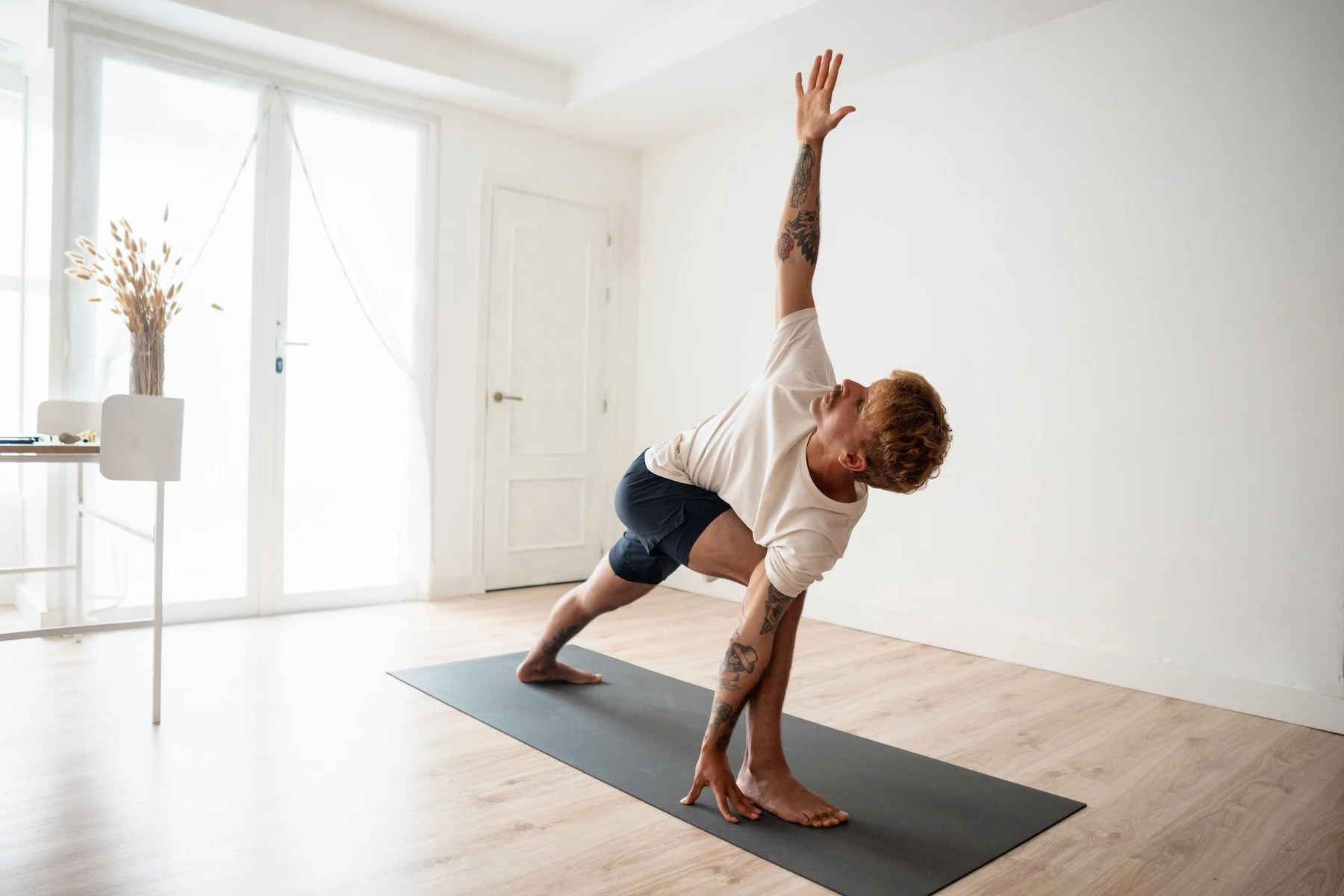
Endurance sports demand repetition, grit, and a willingness to sit with discomfort for long stretches of time. Miles stack up on the road, the trail, or the bike, and with them come tight hips, fatigued calves, stiff backs, and minds that sometimes feel just as strained as the body. Yoga entered my training routine not as a gentle add-on, but as a powerful complement that reshaped how I move, recover, and compete. It became the thread that connected strength, mobility, breath, and focus into one integrated system.
Runners, cyclists, swimmers, and triathletes often pride themselves on mileage and metrics. Splits, cadence, heart rate zones, and weekly volume tend to dominate conversations. Yoga quietly works in the background, refining the mechanics that make those numbers possible. Through consistent practice, I found that yoga sharpened my endurance rather than distracting from it.
Why Endurance Athletes Need More Than Miles
Endurance training builds cardiovascular capacity and muscular stamina, but it also reinforces repetitive movement patterns. Running, for example, cycles through the same limited range of motion thousands of times in a single session. Cycling compresses the hips and rounds the spine for hours. Swimming demands shoulder mobility and stability under constant load. Over time, these patterns can create imbalances that compromise performance and increase injury risk.
Yoga interrupts that repetition with intentional, multi-directional movement. Instead of only driving forward, I twist, extend, rotate, balance, and stabilize. Poses like low lunge variations open hip flexors tightened by long rides. Downward-facing dog lengthens calves and hamstrings that feel perpetually short. Twists decompress the spine that absorbs impact or remains flexed for extended periods.
This diversity of movement restores range of motion and recalibrates muscle activation patterns. I feel more fluid in my stride and more efficient in my pedal stroke after consistent yoga sessions. The body moves as a coordinated whole rather than a collection of overworked parts.
Building Functional Strength Without Bulk
Endurance athletes often walk a fine line between building strength and avoiding excess muscle mass. Traditional weight training certainly has its place, yet yoga develops strength in a way that emphasizes control and endurance rather than size. Holding plank, chair pose, or warrior sequences demands sustained engagement from stabilizing muscles that rarely get targeted in isolation.
During long races, it is rarely the prime movers that fail first. Instead, smaller stabilizers fatigue, posture collapses, and form deteriorates. Through yoga, I learned to recruit deep core muscles, glute medius, and scapular stabilizers more effectively. Balancing poses like tree or warrior III train neuromuscular coordination that translates directly to better stability on uneven terrain or during fatigue.
The strength gained through yoga feels integrated rather than segmented. It supports movement patterns instead of competing with them. My body feels resilient, not heavy, and that resilience carries through the final miles of a hard effort.
Mobility As A Performance Advantage
Mobility is often misunderstood as passive flexibility. In reality, mobility is usable range of motion supported by strength and control. Yoga bridges flexibility and stability by asking me to actively hold positions at end range. This combination has had a direct impact on my performance.
Tight hips limit stride length and reduce efficiency. Restricted thoracic rotation affects arm swing and breathing mechanics. Stiff ankles can alter foot strike and load the knees improperly. Through consistent hip openers, spinal extensions, and ankle mobility work in yoga, I have noticed smoother mechanics and reduced compensations.
The payoff shows up in subtle but meaningful ways. My cadence feels more natural. Climbing hills becomes less about fighting tightness and more about applying power. After long sessions, recovery feels quicker because the body is not battling unnecessary restrictions.
Breath Control And Aerobic Efficiency
Breath sits at the core of both yoga and endurance sports. In training, I used to focus primarily on pace and heart rate, often ignoring the rhythm of my breathing until fatigue forced my attention there. Yoga shifted that dynamic entirely. Pranayama practices taught me to regulate inhale and exhale patterns deliberately and to remain calm even when effort increases.
Controlled breathing enhances oxygen delivery and reduces the sensation of panic that sometimes accompanies hard intervals or race surges. During difficult climbs or late-race pushes, I return to steady nasal breathing or extended exhales practiced on the mat. This control prevents shallow, frantic breaths that waste energy.
The mind-body connection cultivated through breath awareness also improves pacing. I become more attuned to subtle shifts in effort before they escalate into exhaustion. That awareness supports smarter decisions during training and competition.
Injury Prevention Through Balanced Movement
Injuries often emerge not from a single dramatic event but from cumulative stress layered over time. Tight hip flexors pull on the pelvis. Weak glutes fail to stabilize the knee. Limited ankle mobility alters gait. Yoga addresses these weak links before they escalate.
Regular practice highlights asymmetries I might otherwise ignore. One hamstring feels tighter. One shoulder fatigues faster in plank. By noticing these discrepancies, I can adjust and give extra attention where needed. This proactive awareness reduces the likelihood of chronic issues sidelining training.
Recovery also improves through gentle flows and restorative sessions. Instead of complete inactivity on rest days, I move blood through fatigued tissues with low-intensity sequences. This active recovery accelerates healing while maintaining mobility.
Mental Endurance And Focus
Endurance sports challenge the mind as much as the body. Long training sessions test patience. Races stretch mental resilience. Yoga trains the same capacity for sustained attention and discomfort tolerance.
Holding a challenging pose while breathing steadily builds composure. The mind wants to escape or judge the difficulty, yet the practice encourages staying present without reacting impulsively. That discipline translates directly to mile twenty of a marathon or the final stretch of a long ride.
Meditative elements of yoga also reduce performance anxiety. Instead of being consumed by outcome-driven thoughts, I anchor to breath and movement. This presence enhances enjoyment of the process rather than obsessing over results.
Structuring Yoga Within An Endurance Plan
Integrating yoga into an endurance program requires intention. High-intensity vinyasa sessions immediately before key workouts may compromise performance. On the other hand, restorative sessions after long efforts can support recovery.
I schedule shorter mobility-focused flows after easy runs or rides. These sessions emphasize hips, hamstrings, calves, and thoracic spine mobility. On rest days, I dedicate more time to deeper stretches and breathwork. During peak training phases, I reduce intensity in yoga to avoid overloading the system.
Consistency matters more than duration. Even twenty minutes a few times per week creates noticeable shifts over months. The goal is synergy, not competition, between disciplines.
Yoga For Runners
Running places significant stress on lower extremities and spine. Yoga counterbalances repetitive forward motion with extension and rotation. Poses such as crescent lunge, pigeon variations, and bridge strengthen and lengthen muscles heavily taxed by mileage.
Single-leg balance work enhances proprioception, reducing the likelihood of missteps on trails. Core-focused sequences improve posture, which conserves energy over long distances. I notice that my stride feels lighter and more economical when yoga remains a regular part of training.
Recovery also improves after long runs. Gentle hip openers and hamstring stretches reduce next-day stiffness, allowing me to resume training without lingering tightness.
Yoga For Cyclists
Cycling compresses the anterior chain and challenges the neck and lower back. Hours in a flexed position can create pronounced tightness in hip flexors and chest muscles. Yoga addresses these areas with backbends, chest openers, and hip extension work.
Strengthening the posterior chain through poses like locust and warrior sequences improves power transfer on the bike. Improved thoracic mobility supports better breathing in aero positions. I feel more comfortable maintaining efficient posture during long rides.
Shoulder stability work in yoga also enhances bike handling. Strong, balanced shoulders reduce fatigue in the upper body during extended climbs or rough terrain.
Yoga For Swimmers And Triathletes
Swimming demands exceptional shoulder mobility combined with stability. Overuse injuries in the shoulder are common among swimmers. Yoga develops balanced strength across the shoulder girdle while promoting controlled range of motion.
Triathletes juggle multiple disciplines, increasing overall training load. Yoga offers a unifying practice that addresses full-body integration. It supports smooth transitions between swim, bike, and run by maintaining mobility and strength across varied movement patterns.
Breath control becomes particularly valuable in swimming, where rhythm and efficiency are critical. Practicing breath retention and controlled exhalations on the mat enhances comfort in the water.
Recovery And The Nervous System
Endurance training stimulates the sympathetic nervous system, driving effort and adaptation. Without adequate recovery, this constant activation can lead to fatigue, irritability, and plateaued performance. Yoga, particularly slower practices, activates the parasympathetic response.
Longer exhalations and supported poses signal the body to relax. Heart rate decreases. Muscles release residual tension. Sleep quality often improves after evening sessions focused on gentle movement and breathwork.
Balancing effort with restoration sustains long-term progress. Instead of oscillating between extreme exertion and total collapse, yoga smooths the edges of training stress.
Longevity In Sport
Many athletes burn bright and fade quickly due to chronic injuries or mental exhaustion. Yoga fosters sustainability. By cultivating body awareness, balanced strength, and mental steadiness, it extends the lifespan of an athletic career.
The practice encourages listening rather than forcing. Some days call for intensity; others require softness. This adaptability prevents the all-or-nothing mindset that derails consistency.
Over time, the integration of yoga transforms endurance training from a purely physical pursuit into a holistic discipline. Strength, mobility, breath, and mindset align in service of performance and well-being.
Yoga as cross-training is not about replacing miles with mat time. It is about enhancing the quality of every mile covered. Through deliberate movement and breath, I have built a foundation that supports both competitive goals and overall health. The result is an approach to endurance sports that feels sustainable, resilient, and deeply connected from the inside out.



The Long-Term Mindset of Strong Practitioners

Habit Stacking for Daily Yoga

How to Reignite a Stalled Practice

Mastering Patience in Skill-Based Poses

The 1% Better Method on the Mat

The 7-Day Reset Challenge

Yoga for Runners: Injury-Proof Your Stride

The Psychology of Showing Up Daily

Rebuilding Energy Without Overtraining

Ignite Your Energy with This Fast-Paced Sunrise Sequence

The Ladder Flow Method for Progressive Strength
