Mobility
Wrist Strength & Mobility for Arm Balances

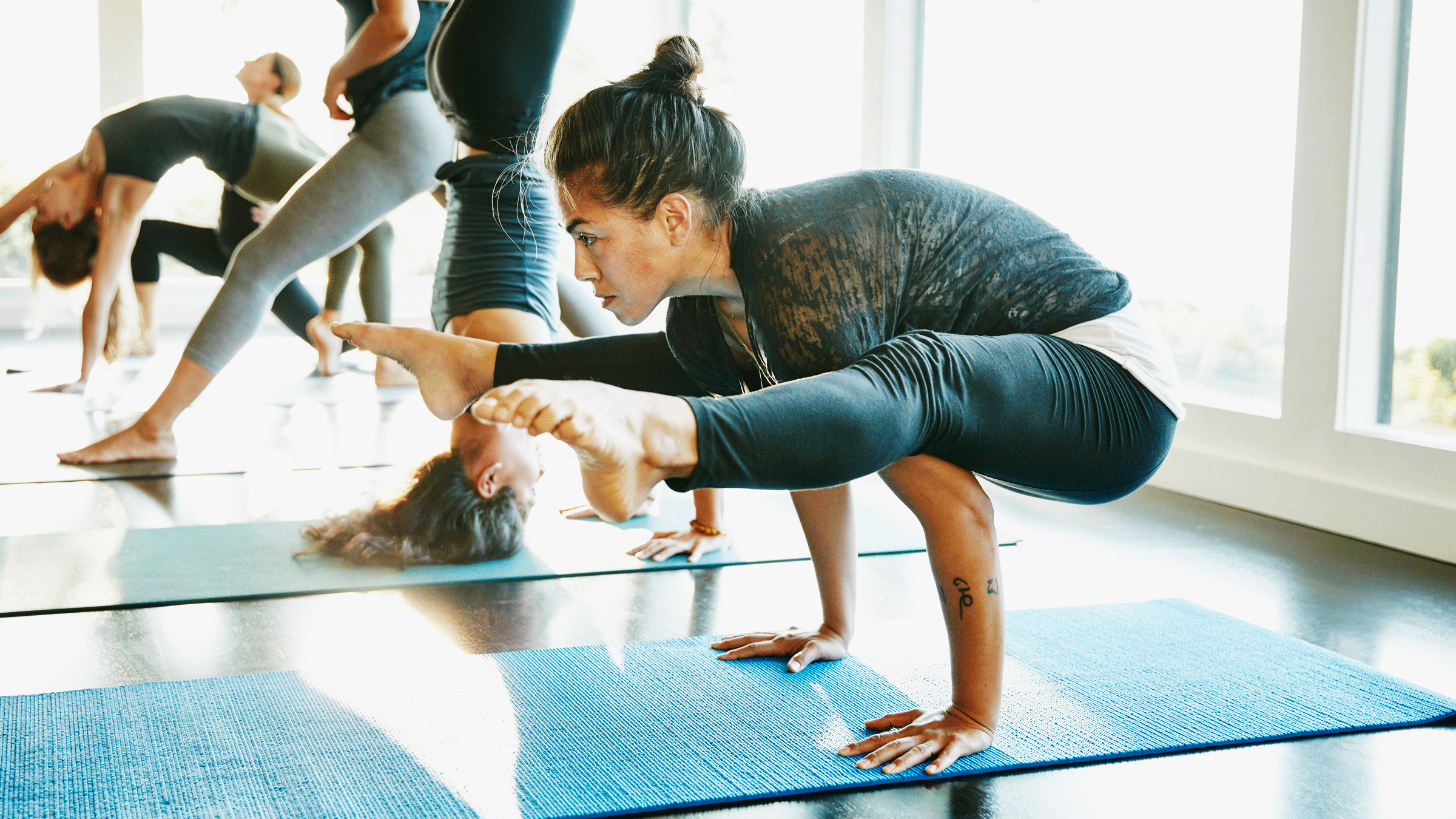
Arm balances look flashy from the outside, but what I have come to value most about them is how honest they are. The moment I shift my weight forward into Crow or begin to float into Handstand, my wrists tell the truth about my preparation. If they are warm, strong, and mobile, everything feels integrated. If they are stiff or fatigued, the pose feels like a negotiation instead of an expression.
Wrist strength and mobility sit at the foundation of almost every arm balance. Unlike standing poses where the feet ground us, these shapes ask the hands and wrists to become our base. That shift changes everything. The small joints of the wrist must absorb load, adapt to varying angles, and stabilize under dynamic transitions.
Over time, I realized that wrist care cannot be an afterthought. It needs to be a deliberate and consistent part of practice. In this article, I will walk through how I build strength, cultivate mobility, prevent discomfort, and prepare my wrists for arm balances in a way that feels sustainable rather than punishing.
Why The Wrists Matter In Arm Balances
In poses like Crow, Side Crow, Eight-Angle, and Handstand, the wrists are placed into significant extension. This means the palm presses firmly into the ground while the forearm moves forward, creating an angle that many of us rarely explore in daily life. Hours of typing or phone use often keep the wrists in a flexed or neutral position, so full extension under load can feel intense.
What surprises many practitioners is how much force travels through the heel of the hand and into the small carpal bones. The wrist is not designed as a massive weight-bearing joint like the hips or knees. Instead, it is a complex structure of small bones, ligaments, and tendons that rely on balanced muscular support.
When I began prioritizing wrist conditioning, my arm balances felt lighter. Not because my body weighed less, but because the load distributed more evenly through my hands and forearms. Instead of dumping into the outer wrists or collapsing into the heel of the palm, I learned to actively press through the fingertips and knuckles. That engagement changed my relationship with these poses.
The Difference Between Strength And Mobility
Strength and mobility are related but not interchangeable. Strength is the ability of muscles to produce force, while mobility refers to controlled range of motion through a joint. I need both to feel steady in arm balances.
If my wrists are mobile but weak, I might achieve a deep angle but struggle to stabilize. If they are strong but stiff, I may not reach the required extension safely. I have found that true resilience comes from combining these qualities.
Mobility without control can feel unstable. Strength without range can feel restrictive. The sweet spot lies in training the wrists to move freely while maintaining integrity under pressure.
How I Warm Up My Wrists Before Practice
Jumping straight into Plank or Crow with cold wrists rarely ends well. I dedicate at least five to ten minutes to specific preparation before placing significant weight on my hands. This ritual has become non-negotiable for me.
I begin with gentle wrist circles in both directions. I move slowly, exploring the edges of my range without forcing anything. The goal is not to stretch aggressively but to increase circulation and awareness.
Next, I come onto all fours and shift my shoulders forward and back over my wrists. I keep my fingers spread wide and press evenly through each knuckle. This rocking motion gradually introduces load in a controlled way.
I also flip my palms so that the fingers point toward my knees. With straight but soft elbows, I lean back slightly to stretch the underside of my wrists and forearms. The sensation can be intense, so I breathe steadily and avoid bouncing. Over time, this position has become more accessible, and the stretch feels nourishing rather than sharp.
Building Foundational Wrist Strength
True wrist strength develops progressively. I started with simple weight-bearing shapes and gradually increased intensity. Plank holds were my first teacher.
In Plank, I focus on pressing the floor away and slightly clawing the mat with my fingertips. This action engages the forearm muscles and prevents me from collapsing into passive structures. Holding for thirty to sixty seconds builds endurance in a way that transfers directly to arm balances.
Tabletop variations also help. From all fours, I lift one hand at a time while maintaining stability through the supporting wrist. This challenges the joint to handle asymmetrical load and improves proprioception.
Eventually, I incorporated elevated hand positions, such as placing my palms on yoga blocks. The increased angle demands more extension and strengthens the wrists through a larger range. I only progressed when the previous level felt steady and pain-free.
Developing Mobility With Control
Mobility work for the wrists should feel intentional, not rushed. I integrate both passive and active techniques to increase range while maintaining support.
One of my favorite drills involves placing the backs of my hands on the mat with fingers pointing toward each other. Gently straightening my elbows creates a stretch along the top of the wrists. I keep the pressure light and focus on steady breathing.
For active mobility, I practice controlled wrist push-ups from a kneeling position. With my palms flat, I lift the heels of my hands while keeping the fingers grounded. This small but powerful movement strengthens the muscles that stabilize the joint in extension.
Over months of consistent practice, I noticed that my wrists felt less reactive. Instead of tightening defensively in arm balances, they adapted more fluidly to shifting weight.
Finger Strength And Hand Engagement
Many practitioners overlook the role of the fingers in arm balances. The fingertips act like brakes, preventing us from tipping forward. Without active fingers, the wrists bear excessive strain.
In Crow, I consciously grip the mat with my fingertips. This subtle action distributes weight toward the front of the hand and reduces pressure in the heel of the palm. The same principle applies in Handstand, where finger engagement helps fine-tune balance.
To build this capacity, I practice fingertip Planks. From a modified position on my knees, I lift the palms slightly so that more weight shifts into the pads of my fingers. Even short holds build remarkable strength over time.
I also squeeze a soft ball or use rubber bands around my fingers to train both flexion and extension. Balanced strength across the hand supports healthier wrists.
Managing Discomfort Without Ignoring It
Wrist sensitivity is common, especially for those new to arm balances. The key difference between productive sensation and harmful pain lies in quality and duration.
Mild muscular fatigue that fades after practice usually indicates adaptation. Sharp, localized pain that lingers or worsens signals the need to back off. I learned this lesson through experience, and respecting it has allowed me to continue progressing.
On days when my wrists feel tender, I modify. I practice forearm-based poses, reduce load, or shorten holds. Rest is not a setback but part of intelligent training.
I also incorporate self-massage for my forearms. Using my opposite hand or a massage ball, I gently release tight areas along the flexors and extensors. This simple practice often restores comfort quickly.
Alignment Cues That Protect The Wrists
Alignment makes a tremendous difference in how load travels through the wrists. Small adjustments can relieve significant strain.
I spread my fingers wide and root evenly through the four corners of my palm. Avoiding a collapse into the outer edge of the hand keeps the wrist more neutral. Slight external rotation of the upper arms also helps distribute force through the shoulders instead of isolating the wrists.
In arm balances, I lean forward enough to stack my shoulders over my wrists. Hanging back can increase pressure in the joint. Proper weight shift creates structural support and reduces unnecessary compression.
These cues require attention, but once integrated, they become second nature.
Gradual Progression Toward Advanced Arm Balances
Ambition can tempt us to rush into advanced shapes before the wrists are ready. I found that patience pays off more than forcing progress.
Crow felt manageable long before I attempted transitions into Handstand. Even then, I practiced near a wall to minimize repeated heavy landings on my wrists. Controlled exits protect the joint as much as strong entries.
I also limit the number of maximal attempts in a single session. Quality matters more than quantity. A few well-executed holds build capacity without overwhelming the tissues.
Over time, the wrists adapt to higher loads. Consistency and moderation create resilience that dramatic effort cannot replicate.
Integrating Wrist Care Into Weekly Practice
Wrist training does not need to dominate a session. Short, focused segments woven into regular practice are often enough.
I dedicate specific days to more intensive strength drills and keep other days lighter. Mobility work appears almost daily in small doses. This balance prevents burnout and keeps the wrists responsive.
Off the mat, I remain mindful of daily habits. Long hours at a keyboard can tighten the forearms, so I take brief stretch breaks. These micro-adjustments add up and support my time in arm balances.
Consistency rather than intensity has shaped the most noticeable improvements.
Trusting The Process
Progress in wrist strength and mobility rarely happens overnight. The tissues adapt gradually, responding to repeated, sensible load. Patience becomes part of the discipline.
Moments of frustration still arise when a pose feels heavier than expected. Instead of pushing harder, I return to fundamentals. Strong, mobile wrists are built through thousands of small repetitions, not one dramatic breakthrough.
Over months and years, I have come to appreciate the quiet work behind arm balances. The wrists may be small compared to other joints, but their role is immense. Caring for them has deepened not only my practice but also my respect for the intricate design of the body.
Arm balances now feel less like feats of force and more like collaborations. My wrists no longer brace defensively; they participate confidently. That shift did not come from shortcuts but from steady, mindful training that honored both strength and mobility.
In the end, wrist preparation is an act of self-respect. It allows me to explore challenging poses with curiosity rather than fear. With thoughtful care, the foundation becomes strong enough to support flight.



The Long-Term Mindset of Strong Practitioners

Habit Stacking for Daily Yoga

How to Reignite a Stalled Practice

Mastering Patience in Skill-Based Poses

The 1% Better Method on the Mat

The 7-Day Reset Challenge

Yoga for Runners: Injury-Proof Your Stride

The Psychology of Showing Up Daily

Rebuilding Energy Without Overtraining

The Ladder Flow Method for Progressive Strength

Balance Training for Performance Gains