Performance
The Weekly Performance-Focused Yoga Split

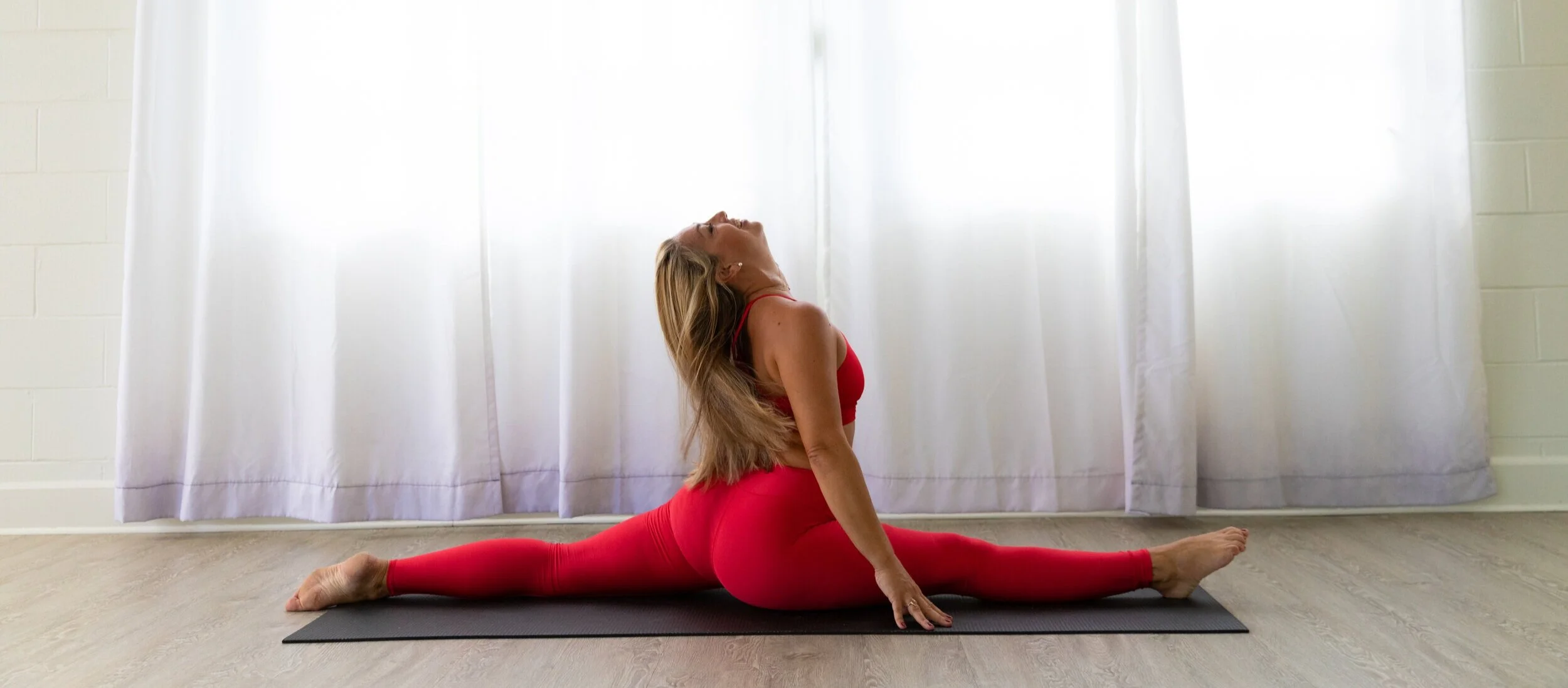
Performance has layers. Strength, mobility, stamina, coordination, and recovery all interact in ways that most people underestimate. For years, I treated yoga as a flexible add-on to my training, something I would squeeze in whenever I felt tight. That changed when I started structuring it with the same intention I gave to strength training and conditioning. A weekly performance-focused yoga split transformed how I move, recover, and compete.
Instead of random flows, I now organize my week around specific physical qualities. Each session has a clear purpose, whether that is building isometric strength, improving rotational control, or restoring nervous system balance. The result is a system that supports athletic output rather than draining it. This structure has helped me feel sharper, more resilient, and far less prone to overuse issues.
What follows is the exact framework I rely on. It is adaptable to different sports and goals, but the principles remain consistent. Structure drives results, and yoga is no exception.
Why A Structured Split Improves Performance
Random mobility work often leads to random results. I noticed that without a plan, I would gravitate toward stretches I enjoyed and neglect areas that actually needed attention. A split forces me to distribute stress intelligently across the week. It prevents overloading the same tissues while leaving others underdeveloped.
Performance also depends on balancing stimulation and restoration. If every session feels slow and stretchy, I miss opportunities to build strength in extended ranges. If every session feels intense, my nervous system never fully resets. A split allows high-intensity mobility work to coexist with regenerative practices.
Another key benefit is measurable progress. When Monday is consistently lower-body strength and Thursday is consistently rotational flow, I can track improvements. Depth in poses, stability under fatigue, and breath control become benchmarks rather than vague sensations.
Weekly Overview Of The Performance Split
My weekly layout revolves around five focused sessions and two lighter recovery days. Each day emphasizes a distinct attribute that contributes to overall athletic performance. The schedule looks like this:
Monday: Lower Body Strength And Range
Tuesday: Upper Body Stability And Scapular Control
Wednesday: Active Recovery And Aerobic Flow
Thursday: Rotational Power And Core Integration
Friday: Isometric Endurance And Balance
Saturday: Deep Mobility And Tissue Restoration
Sunday: Full Rest Or Gentle Breathwork
This structure aligns stress with recovery. Higher demand sessions are separated by lower intensity days, which allows adaptation without burnout. I adjust duration based on training load from other activities, but the thematic focus remains steady.
Monday: Lower Body Strength And Range
Lower body capacity sets the tone for nearly every athletic pursuit. Squatting, lunging, sprinting, and jumping all rely on strength expressed through usable range. On Mondays, I emphasize loaded mobility and long-lever positions that challenge both flexibility and control.
I begin with slow Sun Salutation variations that incorporate deep lunges and extended holds. From there, I move into poses like Crescent Lunge, Warrior II, and Half Split with active hamstring engagement. The key is resisting gravity rather than collapsing into passive flexibility. I focus on pressing through the floor, drawing the hips into alignment, and maintaining steady breath under tension.
The session usually includes eccentric transitions, such as stepping from Lizard Pose back to Plank with control. This builds strength in stretched positions, which directly supports deceleration mechanics in sport. By the end, my legs feel worked, not just loosened, and my hips feel stable rather than floppy.
Tuesday: Upper Body Stability And Scapular Control
Upper body performance often hinges on scapular awareness. Whether pressing overhead or stabilizing during a plank, the shoulder blades need to glide and anchor appropriately. This session prioritizes joint integrity and strength through range.
I start with controlled Cat-Cow variations that isolate protraction and retraction. Then I integrate poses like Downward Dog with scapular push-ups layered in. Holding Side Plank variations challenges lateral stability while demanding coordinated shoulder engagement.
Handstand drills at the wall sometimes make an appearance, not for showmanship but for alignment training. Even partial weight-bearing inversions develop resilience in the wrists and shoulders. The intention is to create a shoulder complex that can handle load without compensating through the neck or lower back.
Wednesday: Active Recovery And Aerobic Flow
Midweek is about circulation and breath rhythm. Rather than pushing intensity, I focus on continuous movement that keeps the heart rate slightly elevated without tipping into fatigue. This session feels almost meditative, yet it serves a powerful physiological purpose.
I link poses in steady sequences, moving from Chair to Forward Fold to Plank without long holds. The emphasis remains on smooth nasal breathing. This stimulates parasympathetic recovery while still promoting blood flow to working tissues.
Sweat is light but present. By the end, stiffness fades and mental clarity improves. This day ensures that the harder sessions before and after do not accumulate into chronic tightness.
Thursday: Rotational Power And Core Integration
Athletic movement rarely occurs in straight lines. Rotational strength is often the missing link between gym strength and real-world performance. Thursday sessions focus on twisting patterns and cross-body coordination.
I incorporate Revolved Lunge variations with deliberate pacing. Transitioning from High Plank into controlled Thread The Needle drills builds dynamic rotation through the thoracic spine. I pay close attention to initiating movement from the ribs rather than cranking through the lower back.
Standing sequences integrate diagonal patterns, such as transitioning from Warrior III into a twisted balance. These flows challenge my ability to stabilize while rotating, a quality essential for sports that involve throwing, striking, or rapid direction changes. The core feels integrated rather than isolated, which is precisely the goal.
Friday: Isometric Endurance And Balance
Holding demanding positions builds mental and physical durability. Friday is dedicated to longer isometric holds that test composure under fatigue. This session sharpens focus while strengthening connective tissues.
Poses like Chair, Boat, and Forearm Plank become laboratories for breath control. Instead of rushing out when discomfort rises, I practice steady inhalations and slow, controlled exhales. That discipline carries directly into high-pressure athletic moments.
Balance work adds another layer. Single-leg holds with eyes closed expose asymmetries and improve proprioception. The subtle shaking that occurs during these drills signals adaptation, not failure. Over time, steadiness increases and confidence grows.
Saturday: Deep Mobility And Tissue Restoration
Saturday shifts the emphasis toward long-duration holds and fascial release. After a week of targeted stress, tissues benefit from sustained, low-intensity stretching. This session supports recovery without numbing strength.
I spend several minutes in poses like Pigeon, Seated Forward Fold, and Supported Bridge. Props allow muscles to soften without forcing range. Breath slows noticeably, and heart rate drops.
This is also the day I integrate gentle spinal decompression and longer exhalations. By the end, I feel restored rather than depleted. The nervous system resets, preparing me for the next training cycle.
Sunday: Rest Or Gentle Breathwork
Complete rest is not laziness. It is a strategic decision that allows adaptation to consolidate. Some Sundays involve nothing more than a short breathing session on the floor.
I practice diaphragmatic breathing with extended exhales. Occasionally I add light supine twists to maintain mobility without strain. This minimal input ensures that the upcoming week begins from a place of readiness rather than residual fatigue.
Honoring rest has improved my performance more than adding extra volume ever did. Recovery is not the opposite of training; it is part of it.
How I Adjust For Different Goals
The beauty of this split lies in its flexibility. During phases where strength is the priority, I extend Monday and Friday sessions by adding resistance bands or light weights. When endurance events approach, Wednesday’s aerobic flow becomes slightly longer.
If I feel signs of overtraining, I scale back intensity rather than abandoning structure. The themes remain intact, but volume decreases. This consistency maintains movement quality while respecting recovery signals.
Athletes in different sports can shift emphasis without dismantling the framework. A runner might double down on hip stability, while a climber might add more upper-body pulling drills. The skeleton of the split stays the same.
Integrating With Strength And Conditioning
Yoga does not replace strength training in my routine. Instead, it enhances it. Lower-body sessions early in the week complement heavy squats or deadlifts by reinforcing mobility under control.
Upper-body stability days improve pressing mechanics and reduce shoulder irritation. Rotational sessions translate into more efficient power transfer during compound lifts. Rather than competing for recovery resources, these sessions enhance tissue readiness.
The key is managing total load. If I complete an intense lifting session, I scale back the intensity of that day’s yoga focus. The split remains performance-oriented, but ego never dictates volume.
Breath As The Performance Multiplier
Breath control threads through every session. Strong positions collapse quickly without steady respiration. By practicing controlled breathing under tension, I train my nervous system to stay composed.
Long exhales during isometric holds reduce unnecessary muscle guarding. Rhythmic nasal breathing during aerobic flows builds endurance without excessive stress. This consistency improves how I respond to fatigue in competition.
Breath is subtle but powerful. It bridges mobility and mental resilience in a way that few other tools can.
The Long-Term Impact
Consistency with this split has reshaped how I experience movement. My joints feel supported rather than vulnerable. Strength expresses itself smoothly across wider ranges.
Performance gains did not appear overnight. They accumulated through disciplined repetition and intelligent sequencing. Over months, small improvements compounded into noticeable differences.
The most rewarding shift has been confidence. I trust my body in demanding situations because I have trained it methodically. This weekly performance-focused yoga split is not just a schedule. It is a system that aligns mobility, strength, and recovery into a cohesive whole.



The Long-Term Mindset of Strong Practitioners

Habit Stacking for Daily Yoga

How to Reignite a Stalled Practice

Mastering Patience in Skill-Based Poses

The 1% Better Method on the Mat

The 7-Day Reset Challenge

Yoga for Runners: Injury-Proof Your Stride

The Psychology of Showing Up Daily

Rebuilding Energy Without Overtraining

Ignite Your Energy with This Fast-Paced Sunrise Sequence

The Ladder Flow Method for Progressive Strength
