Discipline
The Psychology of Showing Up Daily

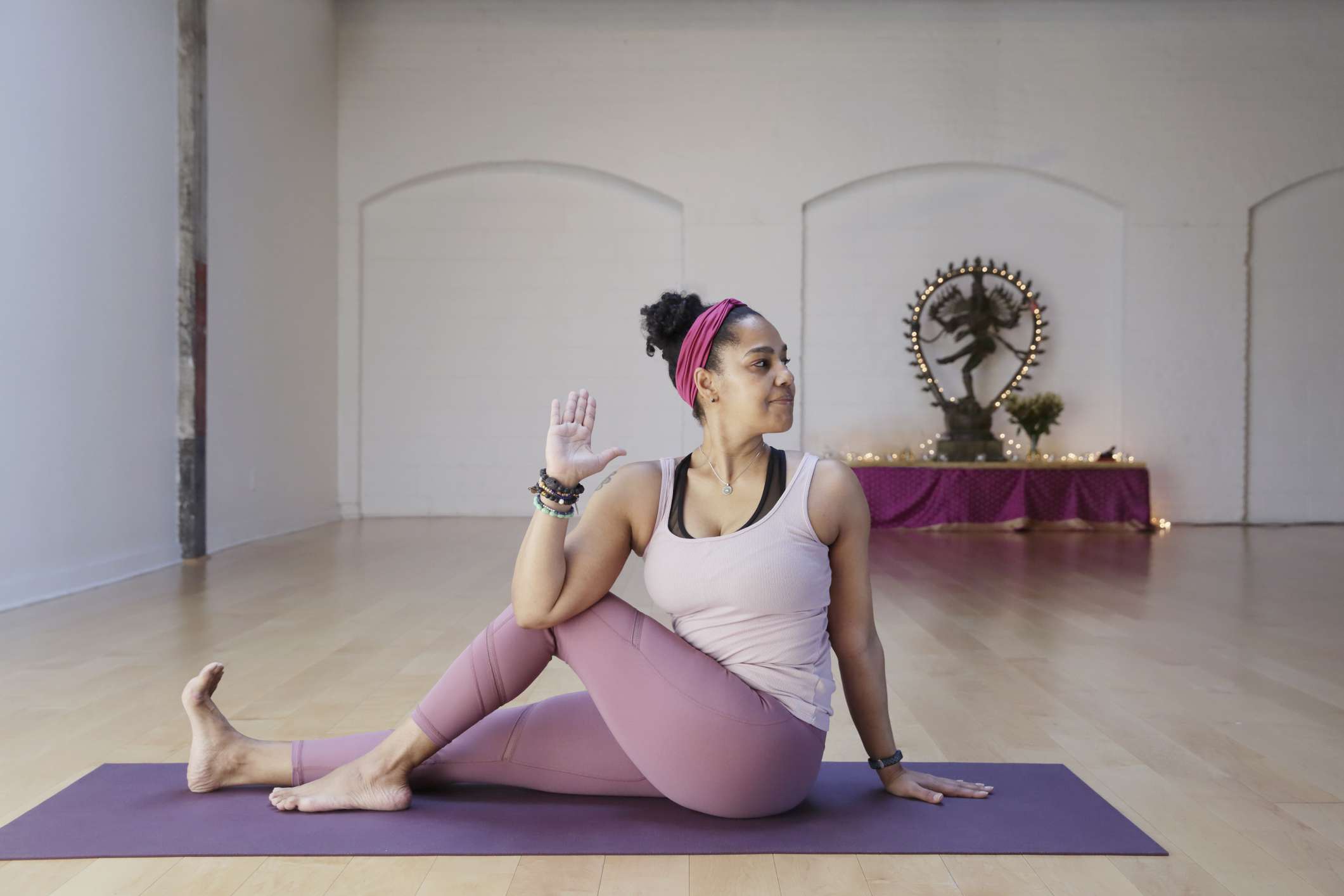
Daily practice looks simple from the outside. Roll out a mat, move through familiar shapes, breathe, and move on with the day. Yet beneath that simplicity lives a complicated inner landscape filled with resistance, negotiation, doubt, and quiet triumph. Showing up every single day is less about flexibility or strength and more about the conversation I have with myself before my feet even touch the mat.
Yoga has taught me that discipline is rarely loud or dramatic. It is subtle and repetitive, built on small promises that I either honor or break. Over time, those small promises form an identity. I am either someone who shows up, or someone who negotiates with discomfort until the day slips away.
The psychology of showing up daily fascinates me because it reveals how habits are shaped by emotion, belief, and self-trust. The mat becomes a mirror. It reflects not just my posture, but my patterns.
The Inner Negotiation Before The Mat
The hardest part of daily practice is rarely the practice itself. It is the moment before it begins, when my mind begins listing reasons to delay. I notice how convincing those reasons sound, especially on days when I feel tired or distracted.
Some mornings, my body feels heavy and my motivation feels thin. My thoughts offer alternatives that seem practical: do it later, skip just this once, rest instead. The negotiation feels reasonable, not dramatic. That is what makes it powerful.
What I have realized is that showing up daily depends on how I respond to that negotiation. If I treat every internal excuse as valid, my practice becomes optional. If I gently but firmly decide that the mat is non-negotiable, the mental debate loses its edge.
Each time I choose to practice despite resistance, I strengthen more than muscle. I strengthen authority over my impulses. That quiet authority builds confidence that extends far beyond yoga.
Identity Shapes Behavior
Consistency is deeply connected to identity. If I see myself as inconsistent, my behavior follows that script. If I see myself as someone who honors commitments, I naturally act in alignment with that belief.
Daily yoga has reshaped how I see myself. I no longer view practice as something I attempt; I view it as something I do. That subtle shift removes the emotional drama around whether I feel like it.
Psychology shows that people act in ways that confirm their identity. I experience that truth each time I roll out my mat. When I identify as a practitioner, showing up becomes a reflection of who I am rather than a task to complete.
This identity is not built overnight. It forms through repetition. Each small act of showing up becomes evidence. Over time, that evidence solidifies into self-trust.
Motivation Is Fleeting, Ritual Is Reliable
Motivation feels inspiring, but it is unreliable. Some days I wake up energized and excited to move. Other days, the spark is nowhere to be found.
If I relied on motivation alone, my practice would collapse during stressful seasons. Instead, ritual carries me. Ritual removes the need for emotional intensity.
My mat lives in the same place every day. I practice at roughly the same time. The sequence might vary, but the rhythm does not. These small anchors reduce decision fatigue and bypass the emotional rollercoaster of waiting to feel inspired.
Ritual transforms practice into something ordinary. In that ordinariness lies power. I do not need to feel extraordinary to show up.
The Role Of Emotional Regulation
Daily practice is a powerful teacher of emotional regulation. Some days I arrive on my mat carrying frustration or sadness. Other days I arrive restless or distracted.
Moving through postures and breathing deliberately shifts my nervous system. I notice how consistent practice makes it easier to sit with discomfort, both physical and emotional. That capacity grows slowly but steadily.
Showing up daily is not about forcing positivity. It is about creating space to process whatever arises. The predictability of practice provides safety. My body begins to associate the mat with grounding and recalibration.
This emotional stability reinforces consistency. When I feel better after practice, my brain links showing up with relief. That positive reinforcement strengthens the habit loop.
Micro-Commitments Build Momentum
Large goals can feel overwhelming. Promising myself an hour-long practice every single day once felt unrealistic. The pressure created anxiety, which ironically made skipping more likely.
I shifted to micro-commitments. Some days my promise is simply to stand on my mat and take five conscious breaths. That feels manageable even on difficult days.
More often than not, those five breaths turn into twenty minutes of movement. Starting is the true challenge. Once I begin, momentum carries me forward.
Psychologically, small commitments reduce resistance. They lower the mental barrier. By minimizing the entry point, I increase the likelihood of showing up consistently.
Discipline As Self-Respect
Discipline has often been portrayed as rigid or harsh. My relationship with it has evolved into something gentler. Showing up daily feels less like punishment and more like self-respect.
Each practice is a signal to myself that my well-being matters. I am not waiting for perfect circumstances to prioritize it. I am deciding that it belongs in my life regardless of mood or schedule.
This reframing softens the edges of discipline. It becomes an act of care rather than control. That emotional shift makes consistency sustainable.
When I skip without a valid reason, I feel a subtle disconnect from myself. Not guilt, but a quiet disappointment. Honoring my commitment restores alignment.
Habit Loops And Environmental Cues
Behavioral psychology explains habits as loops: cue, routine, reward. I see this pattern clearly in my own practice. The cue might be waking up or finishing work. The routine is stepping onto the mat. The reward is clarity and calm.
Over time, the cue alone begins to trigger the desire to move. My body anticipates the routine. The repetition wires the behavior deeper into my nervous system.
I have also shaped my environment intentionally. My mat is visible, not tucked away. My practice space feels inviting and uncluttered. These visual cues reduce friction.
Removing obstacles is as important as cultivating willpower. The fewer steps between me and my practice, the easier it becomes to show up without hesitation.
Facing Plateaus And Boredom
Daily practice is not always inspiring. Plateaus arrive quietly. Progress feels stagnant, and familiar sequences can feel repetitive.
In those moments, the psychology of showing up shifts. The question is no longer about excitement. It is about commitment beyond novelty.
I remind myself that depth often hides beneath repetition. Subtle refinements in alignment and breath reveal layers I once overlooked. The practice evolves even when it appears static.
Boredom becomes a teacher. It exposes my craving for constant stimulation. By staying with the repetition, I build patience and resilience.
Self-Compassion Without Self-Sabotage
Consistency does not mean perfection. Illness, travel, or genuine exhaustion sometimes require rest. The difference lies in discernment.
I have learned to distinguish between true need for rest and simple avoidance. That distinction requires honesty. Self-compassion allows space for rest without collapsing into excuses.
If I miss a day, I avoid dramatic narratives about failure. Instead, I return the next day without punishment. The speed of returning matters more than the absence of interruption.
This balanced mindset prevents the all-or-nothing trap. Showing up daily becomes a long-term relationship, not a fragile streak.
The Ripple Effect Beyond The Mat
The psychology of showing up daily extends far beyond yoga. When I consistently honor this one commitment, I build trust in my ability to follow through elsewhere.
Work projects feel less overwhelming because I am accustomed to starting even when I do not feel fully ready. Relationships benefit because I bring steadiness rather than inconsistency.
The discipline cultivated on the mat influences how I approach discomfort in life. Difficult conversations, challenging decisions, and uncertain transitions feel more manageable.
Each daily practice becomes evidence that I can face resistance and move anyway. That lesson is transferable.
Rewriting The Narrative Around Effort
Effort once felt heavy to me. I associated consistency with strain. Daily yoga has rewritten that narrative.
Effort can be steady and sustainable. It does not require intensity every single day. Some practices are strong and sweaty. Others are slow and restorative.
By releasing the expectation of intensity, I make room for longevity. Showing up becomes adaptable. Adaptability keeps the practice alive.
Psychologically, this flexibility reduces burnout. I am not forcing myself into a rigid mold. I am honoring the rhythm of my energy while maintaining commitment.
Building Trust Through Repetition
Trust in myself grows incrementally. Each day I show up, I deposit a small amount into that trust account. Over months and years, those deposits compound.
Self-trust influences confidence more than talent ever could. I may not master every posture, but I trust my consistency. That trust quiets self-doubt.
When life becomes chaotic, the familiarity of daily practice feels like an anchor. I know I can rely on myself to return to the mat. That reliability stabilizes me.
The psychology here is simple yet profound. Repeated action shapes belief. Belief shapes future action.
The Quiet Power Of Ordinary Days
Transformation is often portrayed as dramatic and visible. In reality, most growth happens on ordinary days. The days when nothing remarkable occurs are the days that matter most.
Showing up when no one is watching reinforces intrinsic motivation. I am not practicing for praise or validation. I am practicing because it aligns with who I want to be.
These quiet repetitions accumulate. Strength deepens, flexibility expands, breath steadies. The progress feels subtle until one day I notice that I respond to stress differently than I once did.
Daily practice is not about chasing breakthroughs. It is about honoring the process even when it feels uneventful.
Commitment As A Form Of Freedom
Commitment may appear restrictive, yet it creates freedom. By deciding in advance that I will show up daily, I remove the burden of constant decision-making.
This pre-decision liberates mental energy. I do not wake up debating whether yoga fits into my day. It already has a place.
Freedom emerges from structure. Within the consistency of daily practice, creativity flows. I experiment with sequences, explore new transitions, and deepen my breath.
Paradoxically, the boundary of commitment expands my experience. It narrows indecision and widens growth.
Showing Up As A Lifelong Practice
Daily yoga is less about physical progress and more about psychological resilience. It teaches me how to navigate resistance with patience and firmness. It reminds me that consistency is built in moments of quiet choice.
The mat has become a training ground for character. Each time I show up despite hesitation, I reinforce courage. Each time I adapt rather than quit, I strengthen flexibility of mind.
The psychology of showing up daily reveals that discipline is not harsh. It is intimate. It is a conversation between who I am today and who I am becoming.
I continue to return to my mat not because it is always easy, but because it keeps shaping me in ways that feel deeply aligned. Showing up daily is no longer a goal to achieve. It is a way of living that reflects trust, steadiness, and quiet devotion.



The Long-Term Mindset of Strong Practitioners

Habit Stacking for Daily Yoga

How to Reignite a Stalled Practice

Mastering Patience in Skill-Based Poses

The 1% Better Method on the Mat

The 7-Day Reset Challenge

Yoga for Runners: Injury-Proof Your Stride

The Psychology of Showing Up Daily

Rebuilding Energy Without Overtraining

Ignite Your Energy with This Fast-Paced Sunrise Sequence

The Ladder Flow Method for Progressive Strength
