Flow
The Progressive Warm-Up Flow for Injury-Free Practice

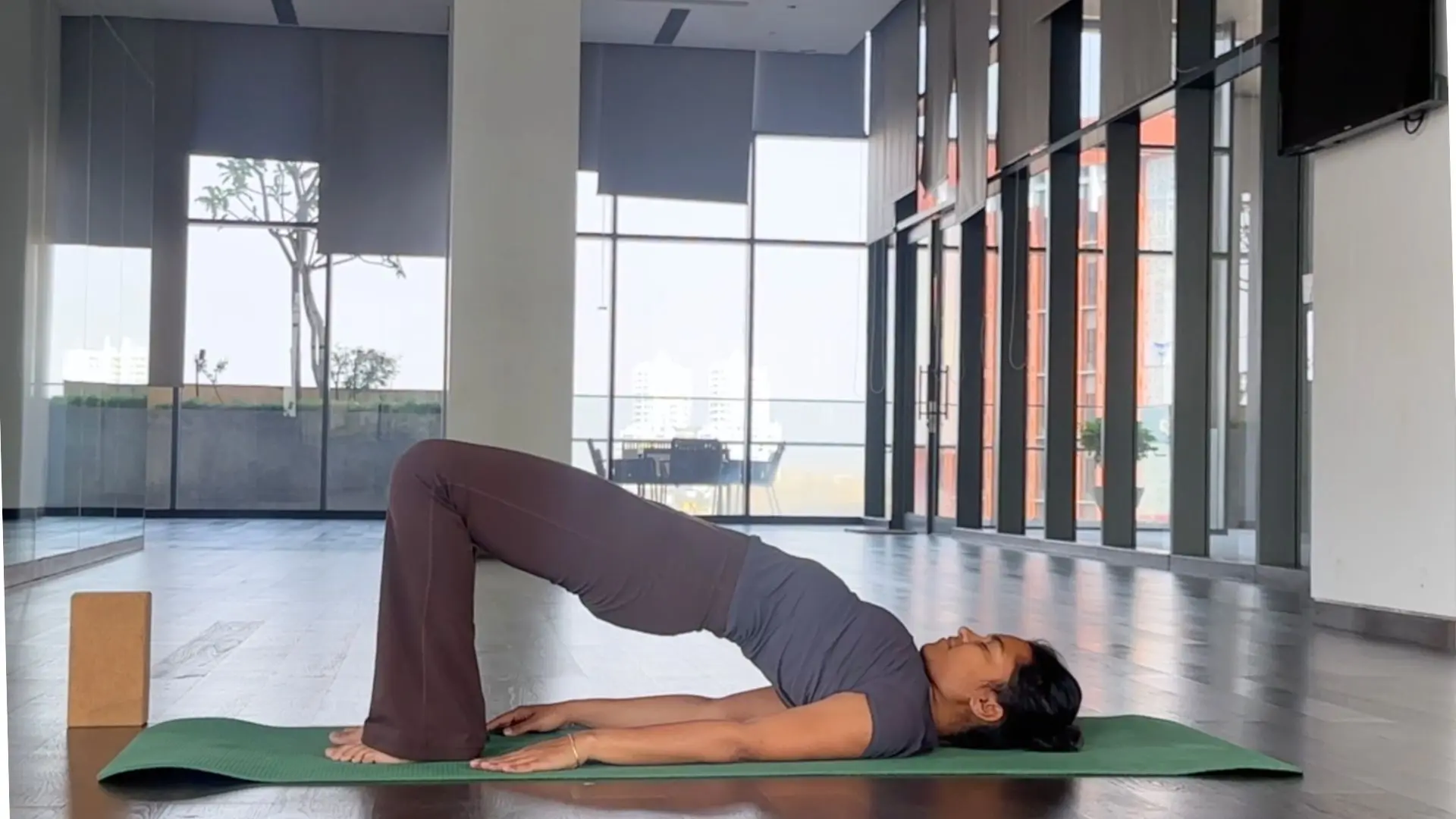
Yoga has a quiet way of revealing our habits. Some days I roll out my mat feeling strong and capable, ready to move deeply and breathe fully. Other days my body feels tight, distracted, or sluggish, and the difference often comes down to how I begin. Over time, I realized that the quality of my warm-up determines not only how far I can go in a practice, but how safely and sustainably I can continue showing up year after year.
A progressive warm-up flow has become the foundation of my injury-free practice. Instead of jumping straight into deep stretches or demanding transitions, I build heat and mobility layer by layer. Each phase prepares the next, allowing muscles, joints, and connective tissues to adapt gradually. That steady progression transforms my practice from a random sequence of poses into a thoughtful conversation with my body.
Why A Progressive Warm-Up Matters
Injury in yoga rarely comes from a single dramatic moment. More often, it develops from repeatedly asking cold tissues to perform complex tasks. Ligaments are strained in deep stretches, shoulders are overloaded in rushed vinyasas, and hamstrings protest when forward folds arrive too soon. A progressive warm-up addresses these risks by gradually increasing circulation, joint lubrication, and neuromuscular coordination.
When I begin slowly, I give my nervous system time to shift from daily stress into focused awareness. Breath deepens, heart rate rises gently, and small stabilizing muscles start to wake up. That transition is essential because strong, coordinated movement depends on more than flexibility. It depends on timing, control, and the ability to sense subtle shifts in balance.
A thoughtful warm-up also creates psychological space. Instead of forcing intensity, I allow my practice to unfold in stages. That patience carries forward into the rest of the session, reducing the impulse to compete with my previous performance or chase an ideal shape. Injury prevention becomes less about caution and more about intelligent preparation.
Phase One: Grounded Awareness And Gentle Mobility
My progressive flow always begins close to the floor. Supine or seated positions provide stability and reduce load on weight-bearing joints. I often start with simple diaphragmatic breathing, placing one hand on my belly and one on my chest. Three to five minutes of steady breathing softens tension and helps me notice where I feel restricted.
From there, I introduce gentle mobility through controlled movements rather than passive stretching. Pelvic tilts, knee-to-chest variations, and slow spinal waves begin to articulate the vertebrae. I move deliberately, matching each motion to an inhale or exhale. This coordination begins warming the deep core muscles that support the spine.
Neck circles and shoulder rolls follow, performed slowly to avoid compressing sensitive structures. I treat these movements as explorations rather than exercises. If I feel stiffness, I reduce the range of motion instead of pushing through it. That early respect for boundaries sets the tone for the entire practice.
Hip mobility is another priority in this first phase. I like to include gentle windshield wipers or figure-four variations on my back. These movements activate the rotators of the hip without loading them heavily. By the time I transition to hands and knees, I can already feel subtle warmth spreading through my joints.
Phase Two: Dynamic Activation On Hands And Knees
Once I move to tabletop, the focus shifts from mobility to activation. Cat-cow variations become more deliberate, emphasizing spinal segmentation. I press firmly through my palms to awaken the shoulders and feel the engagement of my serratus anterior as I round my upper back.
From there, I add contralateral movements such as bird dog variations. Extending opposite arm and leg challenges balance and lights up the stabilizers along my spine and hips. I hold each extension for several breaths, paying attention to whether my pelvis tilts or my ribs flare. Small corrections here prevent compensation patterns later in the flow.
Scapular push-ups and gentle shoulder taps introduce load to the wrists and shoulders in a controlled way. Rather than rushing into plank, I gradually accustom my joints to bearing weight. This incremental loading is especially important for anyone who practices frequently or spends long hours typing at a desk.
Low lunges also appear in this phase, but I treat them as dynamic pulses rather than static holds. I shift my hips forward and back, exploring range without collapsing into it. My back leg remains active, and my core supports my lumbar spine. These mindful repetitions prepare me for deeper lunges and standing poses.
Phase Three: Building Heat Through Intentional Flow
Only after my body feels awake do I begin linking poses into a flowing sequence. Slow half sun salutations are my bridge between activation and intensity. I move from standing forward fold to halfway lift with attention to spinal alignment and hamstring engagement. Each repetition increases circulation without overwhelming my system.
Gradually, I add plank and gentle chaturanga variations. Sometimes I lower my knees to maintain control. The goal is not to test strength but to integrate it into fluid movement. By keeping transitions deliberate, I maintain joint integrity in my shoulders and elbows.
As the flow progresses, I include low-impact dynamic stretches such as crescent lunge with arm sweeps. These coordinated movements challenge balance and expand range of motion simultaneously. I feel my breath deepen as heat builds, signaling that my tissues are becoming more pliable and responsive.
Warrior variations often come next, introduced in a step-by-step manner. I might start with a shorter stance and gradually widen it over several breaths. That progressive stance adjustment protects my groin and knees. Instead of dropping abruptly into a deep bend, I allow my muscles to adapt in real time.
Phase Four: Preparing For Peak Postures
By the time I reach this stage, my body feels warm and integrated. This is where I begin rehearsing elements of more demanding postures. If backbends are the focus of the day, I incorporate gentle sphinx and low cobra before attempting deeper expressions. I pay attention to distributing the curve evenly along my spine rather than collapsing into my lower back.
For hip openers, I use active variations such as lunges with hamstring engagement or supported pigeon with controlled entry. I avoid forcing range, especially in the early breaths. Gradual loading allows connective tissue to respond safely. That patience reduces the likelihood of overstretching delicate structures.
Arm balances and inversions also benefit from progressive preparation. Before attempting crow pose, I practice weight shifts in a squat. Before headstand, I build shoulder stability in dolphin pose. Each preparatory step reinforces the strength and alignment necessary for the final shape.
The key principle remains consistent: no dramatic leaps. Every advanced posture is broken down into components that have already been introduced in simpler contexts. When I finally enter the peak pose, my body recognizes the pattern. The posture feels like a natural extension of what came before rather than a sudden demand.
Breath As The Thread That Connects Each Phase
Breath is not an accessory to the warm-up; it is the mechanism that regulates intensity. I match slower, deeper breaths to early mobility work. As heat builds, my breathing becomes slightly more vigorous, but I avoid gasping or holding it unconsciously. Consistent breath ensures that my nervous system stays regulated.
If I notice my breath becoming erratic, I interpret it as feedback. Either I have moved too quickly or the sequence needs adjustment. Instead of pushing through, I reduce complexity or depth. That responsiveness prevents small imbalances from escalating into strain.
The rhythm of breath also refines coordination. Inhaling during spinal extension and exhaling during flexion creates a predictable pattern. Over time, this pairing enhances proprioception and stability. My movements become smoother, and transitions feel more controlled.
Common Mistakes That Disrupt A Safe Warm-Up
Rushing is the most common mistake I see in myself and others. A busy schedule tempts me to skip foundational work and jump straight into dynamic flows. However, that shortcut often results in stiffness or discomfort later in the session. Consistency in the early phases pays dividends in resilience.
Another mistake involves mistaking flexibility for readiness. Being able to fold forward deeply does not mean my hamstrings are prepared for repeated loading. Warm tissue responds differently than cold tissue. Progressive repetition helps bridge that gap.
Overstretching in the name of relaxation can also undermine safety. Long passive holds before muscles are activated may reduce stability. I prefer to introduce activation before deep static stretching. This sequence respects the balance between mobility and strength.
Ignoring small signals is perhaps the most subtle error. A slight pinch in the shoulder or tightness in the hip may seem insignificant. Yet those signals often indicate that something needs modification. Adjusting early prevents minor irritation from turning into chronic pain.
Adapting The Flow For Different Days
Not every practice feels the same, and my warm-up adapts accordingly. On days when I feel fatigued, I extend the first two phases. Extra time on the floor allows my nervous system to settle. Heat builds more slowly, but the overall session remains effective.
If I plan a strength-focused sequence, I emphasize activation drills such as plank variations and controlled lunges. These prepare my muscles for sustained engagement. Conversely, if flexibility is the goal, I incorporate more dynamic mobility before gradually lengthening holds.
Weather and time of day also influence my approach. Early morning practices demand more patience because tissues are cooler and stiffer. Evening sessions may require less time to generate heat but more emphasis on calming the mind. Flexibility in structure ensures that the progressive principle remains intact.
Long-Term Benefits Of A Progressive Approach
An injury-free practice is not defined by perfection. It is defined by consistency over months and years. Since adopting a progressive warm-up flow, I have experienced fewer setbacks and greater confidence in exploring challenging postures. The gradual build allows me to expand capacity without sacrificing stability.
Strength and flexibility develop in harmony when progression is respected. Joints feel supported because surrounding muscles are active and responsive. Balance improves because small stabilizers have been awakened before complex transitions occur. These cumulative effects extend beyond the mat.
Perhaps most importantly, the progressive warm-up cultivates patience. Instead of chasing dramatic shapes, I value the subtle shift from cold to warm, from scattered to focused. That mindset shapes my entire relationship with yoga. Practice becomes a sustainable ritual rather than a risky performance.
Bringing It All Together On The Mat
A complete progressive warm-up does not need to be lengthy to be effective. Even fifteen minutes can be structured in clear phases: grounding breath, gentle mobility, targeted activation, and gradual integration into flow. The key lies in honoring sequence rather than rushing toward intensity.
I often remind myself that the warm-up is not separate from the practice. It is the foundation that allows everything else to unfold safely. By investing attention in these early stages, I reduce the likelihood of strain and increase the quality of each posture that follows.
Over time, this method becomes intuitive. My body signals when it is ready to advance and when it needs more preparation. Listening to those signals transforms yoga from a series of poses into an ongoing dialogue. Through progressive preparation, I protect my body and deepen my practice in ways that feel both strong and sustainable.



The Long-Term Mindset of Strong Practitioners

Habit Stacking for Daily Yoga

How to Reignite a Stalled Practice

Mastering Patience in Skill-Based Poses

The 1% Better Method on the Mat

The 7-Day Reset Challenge

Yoga for Runners: Injury-Proof Your Stride

The Psychology of Showing Up Daily

Rebuilding Energy Without Overtraining

The Ladder Flow Method for Progressive Strength

Balance Training for Performance Gains
