Flow
The “No Excuses” 10-Minute Power Flow

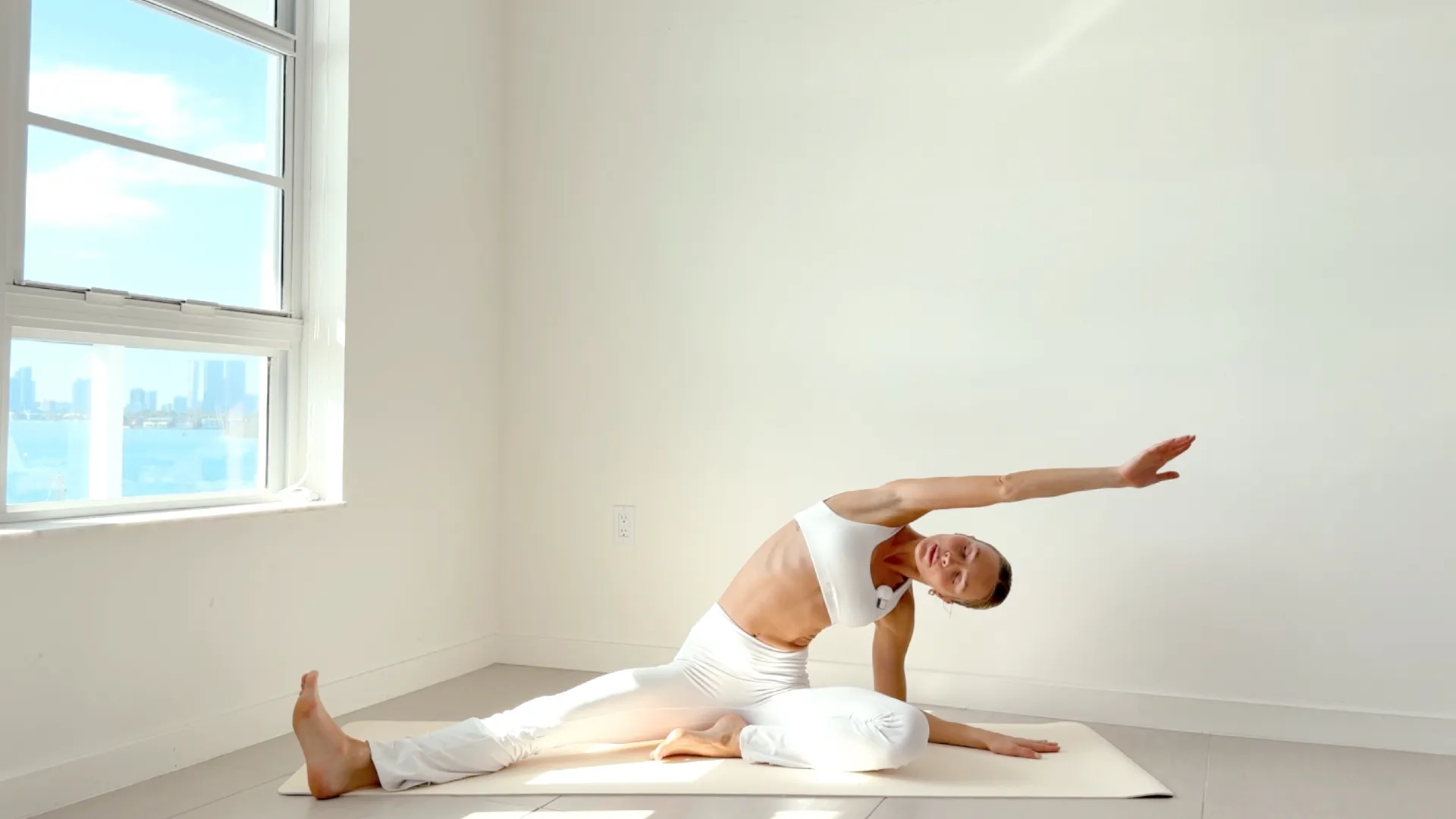
Some days feel packed from sunrise to bedtime, and the idea of rolling out a yoga mat seems almost laughable. I have stared at my to-do list, convinced that I did not have even a spare half hour to breathe, much less move. That is exactly why I built my “No Excuses” 10-Minute Power Flow. It strips yoga down to its most potent elements and fits into the tightest schedule without sacrificing intensity or intention.
This flow is my answer to busy mornings, mid-afternoon slumps, and evenings when my energy is low but my mind is still racing. I designed it to be short, strong, and grounding all at once. In just ten minutes, I can raise my heart rate, fire up my muscles, and clear mental fog. The beauty lies in its simplicity and its refusal to let time be the reason I stay stuck.
I do not treat this as a watered-down version of a “real” practice. It is a real practice. It demands focus, breath control, and deliberate movement. Ten minutes can be transformative if I show up fully and commit to each posture with purpose.
Why Ten Minutes Is Enough
Ten minutes may not sound impressive, but intensity and presence matter more than duration. I have found that when I remove the pressure of a long session, I am more likely to unroll my mat and begin. That first step is often the hardest, and a short commitment feels approachable even on chaotic days.
Short practices also eliminate the mental negotiation that can sabotage consistency. I no longer argue with myself about whether I have time. I know I can carve out ten minutes before a shower, between meetings, or while dinner is in the oven. That certainty builds momentum, and momentum builds discipline.
Physically, the body responds quickly to focused movement. Dynamic sequences can elevate the heart rate within a minute, and isometric holds ignite muscles almost instantly. With intentional breathing, even a compact flow can leave me feeling stronger and more centered than a distracted hour-long class.
Setting the Tone Before You Move
I begin by standing at the top of my mat in Mountain Pose. My feet press firmly into the ground, and I lift through my spine as if a string were drawing me upward. Three slow, steady breaths anchor me in the present moment and mark the start of the practice.
This brief pause matters more than it seems. It creates a boundary between whatever I was doing before and the ten minutes I am about to dedicate to myself. I soften my jaw, relax my shoulders, and set a simple intention such as strength or clarity.
The intention does not need to be poetic. It only needs to feel honest. With that quiet decision in place, I transition smoothly into movement, carrying that focus with me into each pose.
The Core Sequence Breakdown
The “No Excuses” 10-Minute Power Flow moves continuously, linking breath with motion. I structure it in three main blocks: heat-building, strength-building, and grounding. Each block lasts roughly three minutes, with the final minute reserved for integration.
I start with two rounds of Sun Salutation A at a brisk but controlled pace. I inhale as I sweep my arms overhead, exhale into Forward Fold, inhale to a Half Lift, and exhale as I step or jump back to Plank. From there, I lower through Chaturanga, lift into Upward-Facing Dog, and press back to Downward-Facing Dog.
These first few minutes ignite my body. My shoulders engage, my core stabilizes, and my hamstrings lengthen. I keep my breath audible and steady, using it as a metronome to maintain rhythm.
From Downward-Facing Dog, I step my right foot forward into a High Lunge. I reach my arms up and sink into my front knee, feeling my back leg powerfully engaged. After a few breaths, I open into Warrior II, grounding through the outer edge of my back foot and widening my stance.
I move into Reverse Warrior, stretching along my side body, then flow into Extended Side Angle. Each transition is deliberate, and I stay low in my legs to build heat. After completing the sequence on one side, I return to Downward-Facing Dog and repeat on the other side.
By this point, my legs are awake and my breath is deeper. Sweat often begins to form, even though only a few minutes have passed. The flow proves that intensity is not measured by length but by presence and effort.
Igniting the Core and Upper Body
With my lower body activated, I shift focus to my core and arms. I move into Plank Pose and hold for five steady breaths. My shoulders stack over my wrists, and I draw my navel toward my spine to prevent my hips from sagging.
From Plank, I transition to Side Plank on the right. I either stack my feet or stagger them for more stability, lifting my top arm toward the ceiling. The hold challenges my obliques and shoulder strength, demanding concentration to maintain alignment.
I return to Plank and take the other side, keeping my gaze steady and breath controlled. After both sides, I lower onto my forearms for a brief Forearm Plank. The intensity climbs quickly here, and I resist the urge to rush through it.
To add a final spark, I lower onto my back for Boat Pose. Balancing on my sit bones, I lift my legs and extend my arms forward. My core trembles, but I stay with the sensation, breathing deeply instead of bracing or holding my breath.
This section of the flow is where I often confront mental resistance. Muscles shake and doubt creeps in, but I remind myself that discomfort is temporary. Ten minutes means I can endure almost anything for a short stretch.
Grounding and Resetting
The final phase of the flow transitions from intensity to integration. I step back into Downward-Facing Dog for a few calming breaths, then gently walk my feet toward my hands. In a seated position, I move into a simple Seated Forward Fold, allowing my spine to lengthen and my nervous system to settle.
I follow with a gentle seated twist on each side. Twists feel cleansing, as if they wring out the tension accumulated throughout the day. My inhales create space, and my exhales deepen the rotation without forcing it.
For the final minute, I lie down in Savasana. I let my arms rest at my sides and allow my breath to return to a natural rhythm. Even sixty seconds of stillness can feel expansive after concentrated effort.
This closing moment seals the practice. My heartbeat slows, my mind clears, and I sense the shift from scattered to steady. The ten minutes end not with exhaustion, but with renewal.
Making It Truly “No Excuses”
The phrase “no excuses” is not about harsh self-discipline. It is about removing barriers that I tend to hide behind. I do not need special clothes, a perfect playlist, or a spacious studio to complete this flow.
I have practiced it in hotel rooms, small living spaces, and even outdoors on uneven ground. The structure remains the same, even if the environment changes. Adaptability makes it sustainable.
Some days I modify poses to match my energy level. If my wrists feel sensitive, I lower my knees in Plank. If my hamstrings are tight, I bend my knees generously in Forward Fold. Flexibility in approach ensures that I show up consistently rather than waiting for ideal conditions.
The Mental Shift That Happens in Ten Minutes
One of the most surprising effects of this short practice is the mental clarity it brings. I often begin feeling scattered or overwhelmed. After ten focused minutes, my thoughts feel organized and manageable.
Physical movement interrupts the loop of overthinking. Coordinating breath with motion requires enough attention that worries fade into the background. By the time I reach Savasana, my priorities feel clearer.
This shift carries into the rest of my day. Tasks that seemed daunting become doable. Conversations feel calmer and more intentional. The ripple effect of a brief power flow extends far beyond the mat.
Building Consistency Over Perfection
Consistency has shaped my yoga journey more than any advanced pose ever could. A ten-minute daily practice builds strength and flexibility steadily over time. It also reinforces the habit of showing up for myself, even in small ways.
Perfection is not the goal here. Some sessions feel strong and fluid, while others feel clumsy and rushed. I accept both experiences as valid.
By lowering the time barrier, I eliminate one of the most common reasons for skipping practice. Ten minutes feels manageable, which means I return to it again and again. Over weeks and months, those minutes accumulate into meaningful progress.
How to Progress the Flow
Once the basic sequence feels familiar, I occasionally increase the challenge. I might add a jump transition between poses or hold each Warrior variation for an extra breath. Small adjustments can intensify the practice without extending its duration.
I also experiment with tempo. Slowing down each movement increases muscular engagement and balance demands. Speeding up slightly can elevate cardiovascular intensity.
Progression does not mean making the flow longer. It means deepening presence, refining alignment, and exploring new variations within the same framework. That evolution keeps the practice fresh and motivating.
Integrating It Into Daily Life
This flow fits seamlessly into busy routines. I sometimes complete it first thing in the morning to set a strong tone for the day. Other times, I use it as a midday reset between work blocks.
Evening sessions help release tension built up from hours of sitting. The sequence energizes without overstimulating, making it suitable before winding down. Its brevity makes it adaptable to shifting schedules.
Committing to a specific time can reinforce the habit. I often pair the practice with an existing routine, such as right after brushing my teeth or before preparing breakfast. Anchoring it to another habit makes it easier to remember and maintain.
Final Thoughts on the Power of Ten Minutes
Ten minutes may seem insignificant in a twenty-four-hour day, but its impact can be profound. A focused, intentional flow can transform mood, posture, and perspective in less time than it takes to scroll through social media. That realization continues to motivate me.
The “No Excuses” 10-Minute Power Flow proves that meaningful change does not require hours of effort. It requires commitment and presence. By removing the most common barrier, I give myself the gift of movement even on the busiest days.
Rolling out my mat for ten minutes is an act of self-respect. It signals that my well-being deserves space in my schedule. And each time I complete the flow, I am reminded that small, consistent actions hold immense power.



The Long-Term Mindset of Strong Practitioners

Habit Stacking for Daily Yoga

How to Reignite a Stalled Practice

Mastering Patience in Skill-Based Poses

The 1% Better Method on the Mat

The 7-Day Reset Challenge

Yoga for Runners: Injury-Proof Your Stride

The Psychology of Showing Up Daily

Rebuilding Energy Without Overtraining

The Ladder Flow Method for Progressive Strength

Balance Training for Performance Gains
