Performance
The Core Stability Matrix

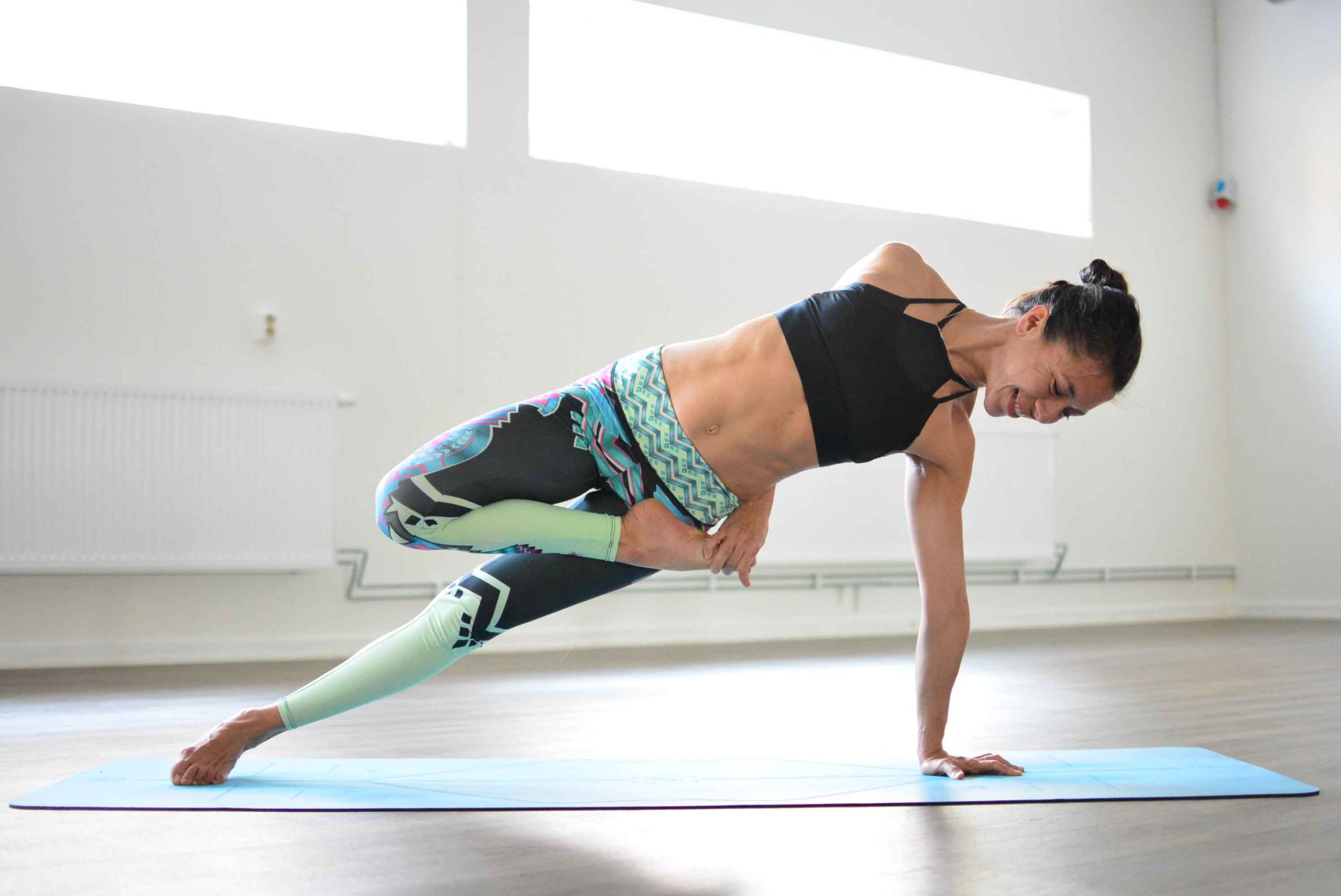
Core strength gets talked about constantly in yoga, yet most conversations flatten it into a single idea: tighten your abs and hold. That reduction never sat right with me. Over the years, through my own practice and through guiding students with wildly different bodies and histories, I began to see the core as a dynamic network rather than a single muscle group. I now think of it as a matrix, an interwoven system of forces, pressures, reflexes, and relationships that either support movement or sabotage it.
The Core Stability Matrix is the framework I use to make sense of that system. It helps me organize what I feel in my body and what I observe in others. Instead of cueing random engagement, I map stability across breath, fascia, joint positioning, and nervous system tone. That map has changed the way I practice and teach, especially in poses that demand both softness and strength.
Defining The Core Stability Matrix
The Core Stability Matrix is not an anatomical structure you can point to on a chart. It is a way of conceptualizing how the diaphragm, pelvic floor, deep abdominals, multifidi, hip stabilizers, and even the shoulder girdle cooperate to create adaptable stability. I call it a matrix because no single part dominates for long. Each element responds to the others, and stability emerges from their coordination rather than brute force.
In my body, I experience this matrix as pressure and direction. When I inhale, my diaphragm descends, my ribs widen, and my pelvic floor responds. When I exhale, the deep abdominals gather in, subtly lifting and organizing my spine. If any part overworks or lags behind, the entire structure compensates, often in ways that look stable but feel strained.
Thinking in terms of a matrix shifts my attention away from gripping. It invites me to sense relationships instead of isolating effort. That shift alone has reduced the chronic tension I used to carry in my hip flexors and lower back during demanding sequences.
The Breath As The Central Axis
Breath sits at the center of this matrix. Without breath, stability becomes rigid, and rigidity is not the goal in yoga. I have held plank with a clenched jaw and shallow breathing before, and while it looked strong from the outside, it felt brittle and unsustainable.
When I allow the breath to initiate stability, everything changes. On the inhale, I feel expansion in all directions, not just into the belly but into the side ribs and back body. On the exhale, I sense a natural coiling inward, as if the torso gently hugs the spine without collapsing it.
This rhythm creates what I think of as buoyant stability. It is supportive yet mobile, capable of adapting to transitions. In poses like Warrior III or Half Moon, that buoyancy keeps me from hardening into the shape and instead allows subtle adjustments with each breath.
Pressure Management And Intra-Abdominal Support
One of the most practical aspects of the Core Stability Matrix is pressure management. Intra-abdominal pressure is not inherently good or bad. It becomes helpful when it is distributed and modulated rather than trapped.
In the past, I would brace my abdomen aggressively in arm balances. That strategy gave me a temporary sense of power, but it also pushed pressure downward into my pelvic floor. Over time, I noticed fatigue and a disconnect from my breath.
Now I think about spreading pressure evenly. I visualize my torso as a cylinder that responds three-dimensionally. As I press into my hands in Crow Pose, I let my exhale draw the lower belly inward and upward while my back body stays broad. The effort feels integrated rather than jammed into one area.
The Deep Layer Versus The Global Muscles
Another layer of the matrix involves the distinction between deep stabilizers and global movers. The transverse abdominis, multifidi, and pelvic floor provide subtle, continuous support. The rectus abdominis, obliques, and larger hip muscles generate more visible movement and torque.
For years, I relied heavily on the global muscles. I would crunch into boat pose and feel the burn in the superficial abdominals. The pose felt intense, yet my lower back often complained afterward.
As I refined my awareness, I started initiating movement from the deeper layer. In Boat Pose, I now think about lengthening the spine first, letting the deep abdominals gently wrap inward before lifting the legs. The shape looks similar, but the internal sensation is entirely different. My lower back feels supported rather than compressed.
Fascia And Force Transmission
The matrix extends beyond muscles into fascia, the connective tissue that links distant regions of the body. When I step into a lunge, the stability of my core affects how force travels through my legs and into the floor. If my midline is disorganized, that force leaks out in the form of wobbling or knee strain.
Fascial lines connect my lats to my glutes, my obliques to my adductors. When I sense these connections, I can stabilize without excessive contraction. In Side Plank, for example, I feel a diagonal line from the bottom hand through the outer hip and into the feet. That line feels elastic rather than rigid.
Working with fascia has made my practice feel more whole. Instead of isolating the core from the limbs, I experience stability as a full-body conversation. Each limb placement either reinforces or disrupts the central matrix.
The Pelvic Floor As Foundation
The pelvic floor is often either ignored or overemphasized. In the context of the Core Stability Matrix, it serves as a responsive base rather than a constantly lifted platform. I used to interpret every cue about pelvic floor engagement as an instruction to tighten.
That approach led to subtle tension that never truly turned off. Over time, I began to explore the difference between gripping and responsive support. On inhalation, I allow the pelvic floor to soften and yield slightly. On exhalation, I sense a gentle rebound upward.
This cyclical responsiveness integrates the pelvic floor into the matrix. It no longer operates in isolation. In standing poses, that responsiveness gives me a grounded yet spacious feeling, as if my stability rises organically from below.
The Spine As A Dynamic Column
The spine plays a central role in how the matrix expresses itself. Stability does not mean locking the spine into a neutral position at all times. It means having the capacity to move through flexion, extension, rotation, and lateral flexion without losing coherence.
In backbends, I used to focus on pushing the chest forward and arching deeply. My lower back bore the brunt of that ambition. Now I distribute extension along the entire spine, using the deep abdominals to prevent collapse.
In twists, I sense the spiral beginning in the lower belly rather than cranking from the shoulders. That internal initiation protects my lumbar spine and makes the twist feel spacious. The matrix supports movement rather than restricting it.
Stability In Motion
True stability reveals itself most clearly in transitions. Moving from Chaturanga to Upward Facing Dog exposes any weaknesses in the matrix. If my core disconnects, my shoulders strain and my lower back sags.
By coordinating breath with movement, I maintain integrity through the shift. As I lower, I exhale and feel the deep abdominals and pelvic floor subtly gather. As I roll over my toes and lift the chest, I inhale into the front body while maintaining support in the back.
These micro-adjustments happen quickly, yet they are the essence of functional stability. The matrix is not static. It adapts in fractions of a second, responding to load and direction.
The Nervous System And Tone Regulation
Core stability is not purely mechanical. The nervous system influences muscle tone and coordination. On days when I feel anxious or rushed, my abdomen tends to harden preemptively.
Through slow, deliberate breathing and mindful pacing, I can recalibrate that tone. As my nervous system settles, the matrix organizes more efficiently. Effort decreases even though stability improves.
This interplay reminds me that strength without regulation can become strain. A calm nervous system allows the core to respond appropriately rather than defensively. That responsiveness is what makes advanced postures feel sustainable rather than aggressive.
Applying The Matrix To Arm Balances
Arm balances once felt like brute strength challenges. I would hurl myself into them, hoping momentum would compensate for instability. The results were inconsistent and occasionally painful.
By applying the Core Stability Matrix, I now break the pose into relationships. Hands press down, shoulder blades wrap, breath regulates pressure, deep abdominals lift, pelvic floor responds. Each element contributes without overpowering the others.
In Crow Pose, I feel the matrix as a dome of support beneath my spine. My gaze stays steady, my breath remains fluid, and the lift comes from coordinated pressure rather than frantic effort. The pose feels lighter, even though the work is still substantial.
Integrating The Matrix In Backbends
Backbends demand both openness and containment. Without containment, the lumbar spine compresses. Without openness, the pose collapses into rigidity.
In Bridge Pose, I press through my feet and let the inhale expand my chest. On the exhale, I subtly draw the lower belly inward to prevent the ribs from flaring excessively. The pelvic floor responds gently, creating a stable base for the lift.
This balanced containment allows the heart to open without sacrificing support. The backbend becomes an expression of integrated strength rather than an act of force.
Everyday Movement And The Matrix
The Core Stability Matrix does not switch off when I roll up my mat. It shows up when I lift groceries, sit at my desk, or climb stairs. Poor coordination in these everyday tasks often mirrors patterns from the mat.
While sitting, I notice whether I collapse into my lower back or subtly engage the deep layer to lengthen upward. While walking, I sense how my arms swing in relation to my ribcage and pelvis. These observations refine my awareness and make my yoga practice more functional.
Stability in daily life reduces fatigue. It distributes load efficiently so that no single structure bears excessive strain. The matrix becomes a lived experience rather than a concept reserved for class.
Training The Matrix Intelligently
Training the Core Stability Matrix requires nuance. Endless crunches or prolonged planks can strengthen certain muscles while neglecting coordination. I favor exercises that integrate breath, alignment, and movement.
Dead bug variations, slow mountain climbers, and controlled roll-downs challenge the matrix without overwhelming it. I pay attention to whether I can maintain steady breathing throughout. If my breath collapses, I know I have exceeded my current capacity.
Progress emerges from consistency and attention. The goal is not maximal contraction but refined control. Over time, this approach builds resilience that translates directly into more complex asanas.
A Living Framework
The Core Stability Matrix continues to evolve in my experience. Each season of practice reveals new layers. Injuries, fatigue, and breakthroughs all teach me something about how my internal system organizes.
I no longer chase a rigid ideal of a strong core. Instead, I cultivate responsiveness, adaptability, and integration. Stability feels less like armor and more like an intelligent web supporting movement.
This framework has transformed my relationship with strength. It invites me to listen closely, to coordinate breath with action, and to respect the subtle interplay of structures beneath the surface. Through the lens of the Core Stability Matrix, yoga becomes not just a sequence of poses but a study in organized vitality.



The Long-Term Mindset of Strong Practitioners

Habit Stacking for Daily Yoga

How to Reignite a Stalled Practice

Mastering Patience in Skill-Based Poses

The 1% Better Method on the Mat

The 7-Day Reset Challenge

Balance Training for Performance Gains

The Psychology of Showing Up Daily

Yoga for Runners: Injury-Proof Your Stride

Ignite Your Energy with This Fast-Paced Sunrise Sequence

The Ladder Flow Method for Progressive Strength
