Mobility
The 5-Day Hip Mobility Reset Plan

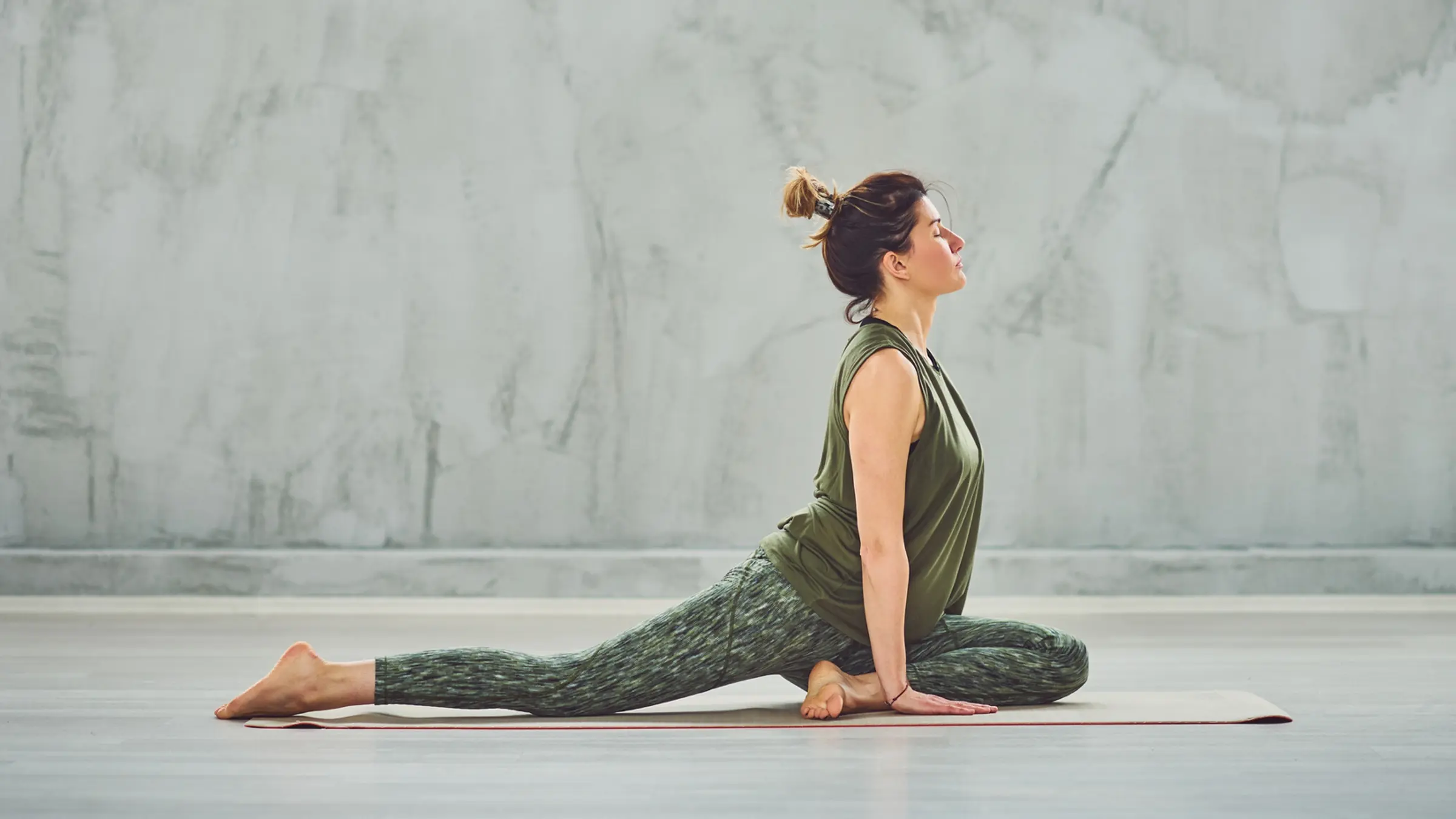
Tight hips have a way of sneaking into daily life. Long hours at a desk, time spent driving, intense workouts without proper recovery, and even stress can quietly restrict the way my hips move. I began noticing stiffness during simple tasks like tying my shoes or sitting cross-legged on the floor. Over time, that stiffness turned into nagging discomfort in my lower back and knees, which made it clear that my hips were asking for attention.
The hips are the central crossroads of the body. They connect the upper and lower halves, transfer force during movement, and stabilize us when we stand, walk, or run. When they lose mobility, the body compensates in ways that rarely feel good. That is why I designed this five-day reset plan to gently restore range of motion, build strength, and create lasting freedom in the hip joints.
This plan is not about pushing into extreme flexibility. It focuses on consistent, mindful work that balances stretching with stability. Each day builds on the previous one, guiding the hips through different ranges and angles so they regain fluidity without strain. All you need is a yoga mat, a little space, and about 20 to 30 minutes each day.
Day 1: Reconnect With Your Hips
The first day centers on awareness and gentle mobility. Before increasing flexibility, I focus on sensing how my hips actually move. Many of us try to stretch without knowing which direction feels restricted, and that often leads to frustration. Reconnection allows the nervous system to relax and permits deeper progress later in the week.
I begin with diaphragmatic breathing while lying on my back. My knees are bent, feet flat on the floor, and hands resting over my lower belly. Each inhale expands the abdomen and each exhale softens the hip creases. This simple practice signals safety to the body, which is essential for releasing tension.
Next, I move into pelvic tilts. As I gently rock my pelvis forward and back, I feel the lower spine articulate and the hip joints subtly respond. This small movement wakes up muscles that often stay dormant after hours of sitting. It also reduces stiffness in the lower back, which is closely linked to hip mobility.
From there, I transition to supine figure-four stretches. Crossing one ankle over the opposite knee and drawing the legs toward my chest allows a gentle external rotation. I avoid forcing the stretch and instead focus on steady breathing. Holding each side for about a minute begins to open the outer hips without overwhelming them.
I finish Day 1 with slow hip circles while seated. Moving in controlled circles improves joint lubrication and increases range gradually. By the end of the session, my hips feel warmer and more responsive. The goal here is not intensity but connection.
Day 2: Release the Hip Flexors
The second day targets the hip flexors, which tend to shorten from prolonged sitting. Tight hip flexors can tilt the pelvis forward and contribute to lower back discomfort. Releasing them can dramatically improve posture and walking mechanics.
I start with a low lunge on one knee. The back knee rests on the mat while the front foot steps forward into a gentle bend. Instead of pushing forward aggressively, I tuck my pelvis slightly and engage my glutes. That subtle adjustment intensifies the stretch safely and protects the lower back.
Adding an overhead reach deepens the release. As I lift the same-side arm as the kneeling leg and gently lean away, I feel the stretch travel along the front of the hip and into the side body. Slow breathing keeps the body relaxed and prevents unnecessary tension.
After holding each side for about 90 seconds, I transition into a half split stretch. Shifting my hips back over the kneeling leg extends the front leg straight. This movement balances the work by stretching the hamstrings, which also influence hip mobility.
To finish Day 2, I practice a gentle bridge pose. Lying on my back, I press through my heels and lift my hips while engaging my glutes. Strengthening the posterior chain supports the newly released hip flexors and maintains joint balance. This combination of stretch and strength begins to create noticeable change.
Day 3: Explore Deep External Rotation
Day 3 shifts attention to deeper external rotation and the often-neglected inner hips. Limited rotation can restrict movements like squatting or sitting comfortably on the floor. Exploring this range builds resilience and fluidity.
I begin in a 90-90 seated position, with one leg bent in front at a right angle and the other bent behind me. Sitting tall, I lean slightly forward over the front shin. The sensation settles into the outer hip, and I allow gravity to assist rather than forcing depth.
After about a minute, I switch sides. Moving slowly between positions also trains control and coordination. These transitions are just as important as the holds because they teach the hips to move with strength.
Next, I incorporate a pigeon variation. With one leg forward and the other extended back, I square my hips as much as possible without discomfort. Resting on my forearms reduces intensity while still encouraging release. I stay attentive to breath, allowing each exhale to soften resistance.
To complement these stretches, I include clamshell exercises. Lying on my side with knees bent, I lift the top knee while keeping the feet together. This strengthens the gluteus medius, a crucial stabilizer of the hip. Mobility without strength can create instability, so this pairing keeps the joint supported.
Day 4: Strength Through Full Range
By Day 4, my hips feel more open, and I begin integrating strength through larger movements. Building strength within newly gained ranges ensures the improvements last. This day emphasizes dynamic control rather than passive stretching.
I start with bodyweight squats. Standing with feet slightly wider than hip-width, I lower slowly and focus on tracking my knees outward. If depth feels limited, I place a folded blanket under my heels for support. Controlled descent and ascent teach the hips to handle load safely.
Next, I move into lateral lunges. Stepping one foot out to the side and bending that knee while keeping the opposite leg straight activates the inner thighs and adductors. These muscles play a key role in stabilizing the pelvis during side-to-side movement.
I also incorporate standing hip CARs, or controlled articular rotations. Holding onto a wall for balance, I lift one knee and draw slow, deliberate circles with the thigh. This challenges both mobility and neuromuscular coordination. The slower the movement, the more effective it becomes.
To close the session, I return to a gentle supine twist. Twisting releases residual tension and allows the nervous system to settle. After this day, I usually notice improved ease in walking and climbing stairs.
Day 5: Integrate and Flow
The final day blends mobility and strength into a short flow sequence. The goal is to integrate all the gains into fluid, natural movement. Rather than isolated drills, I link poses together to create continuity.
I begin with cat-cow stretches to warm the spine and hips simultaneously. From there, I step into a low lunge, transition into half split, and flow back again. This dynamic repetition reinforces range while maintaining control.
Next, I move into a gentle warrior sequence. Holding warrior II engages the outer hips and builds endurance. Transitioning into side angle stretch lengthens the inner thigh and side body. Each pose flows into the next without rushing.
I finish the reset plan with a supported squat hold. Sitting low with heels grounded and elbows pressing lightly into the knees encourages hip opening in a natural position. Staying here for one to two minutes integrates the entire week’s work.
A brief seated meditation completes the process. Sitting comfortably, I scan the hips and notice the difference from Day 1. The sensation is not dramatic or extreme but steady and grounded. That quiet improvement is the real success.
Consistency matters more than intensity. Five focused days can create noticeable change, but repeating this reset monthly maintains progress. The hips respond well to gentle persistence and mindful effort.
This five-day plan restored fluidity in my movement and reduced the dull aches that once lingered after long work sessions. More importantly, it reminded me that mobility is not about forcing flexibility. It is about giving the body space to move the way it was designed to move.
If your hips feel tight or restricted, commit to these five days with patience and attention. Small daily efforts accumulate quickly. Within a week, you may find yourself moving with greater ease, standing taller, and feeling more at home in your body.



The Long-Term Mindset of Strong Practitioners

Habit Stacking for Daily Yoga

How to Reignite a Stalled Practice

Mastering Patience in Skill-Based Poses

The 1% Better Method on the Mat

The 7-Day Reset Challenge

Yoga for Runners: Injury-Proof Your Stride

The Psychology of Showing Up Daily

Rebuilding Energy Without Overtraining

The Ladder Flow Method for Progressive Strength

Balance Training for Performance Gains