Reset
Slow Practice for Fast Lives

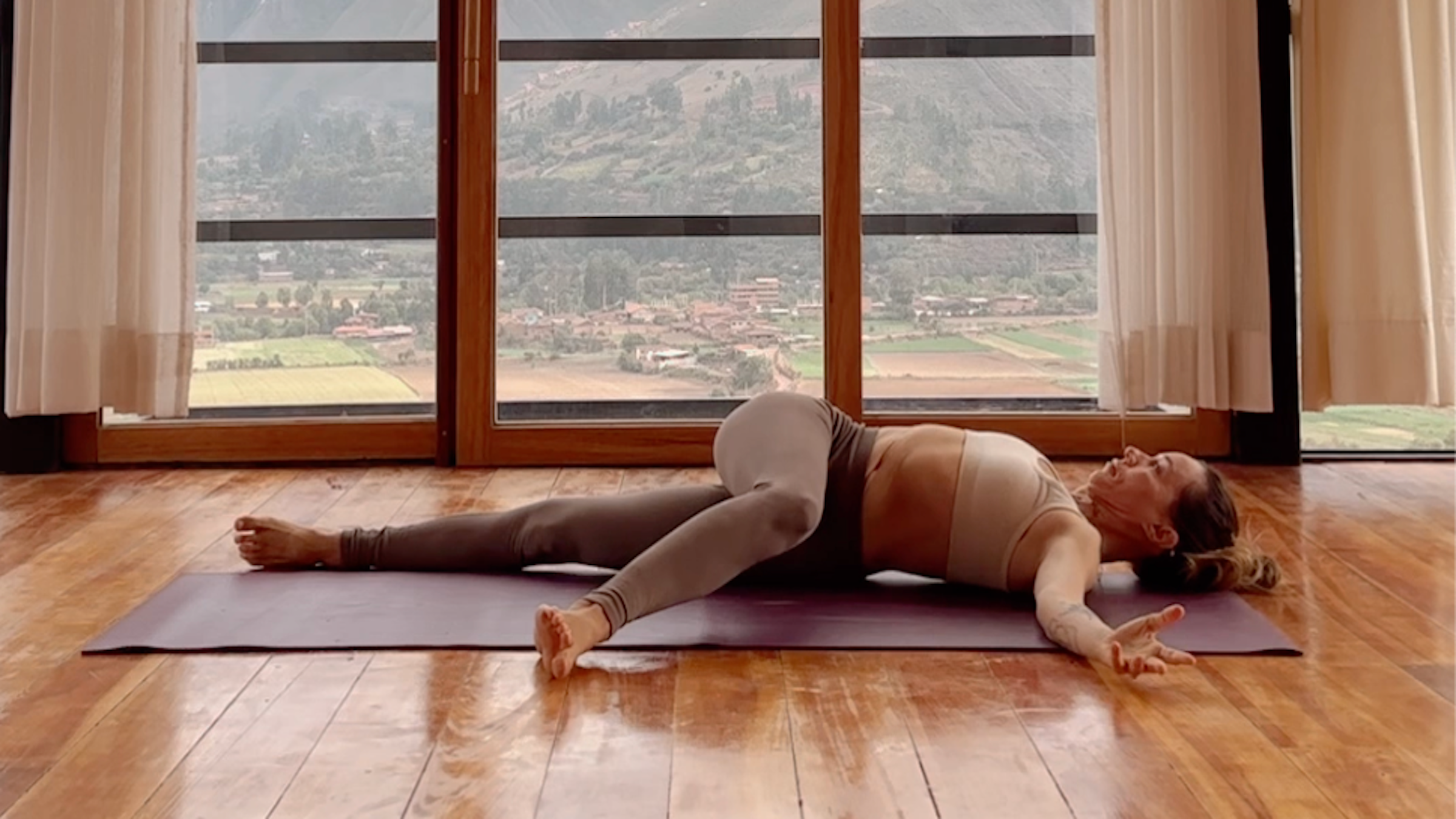
The pace of modern life can feel relentless. Notifications buzz before sunrise, deadlines stack up, and even moments meant for rest are often filled with scrolling and multitasking. In the middle of all that motion, I found myself craving something that did not demand more speed, more output, or more performance. That craving led me back to slow yoga practice, and over time it reshaped the way I move through my days.
Slow practice is not about doing less in a lazy or indifferent way. It is about moving with intention, breathing with awareness, and allowing space between actions. In a culture that celebrates hustle and constant productivity, this kind of practice can feel radical. It asks us to pause in a world that rarely stops.
I began to notice how deeply I had internalized urgency. Even on my yoga mat, I rushed from pose to pose as if there were an invisible clock ticking beside me. My body mirrored my lifestyle: tight shoulders, shallow breath, restless thoughts. Slowing down felt uncomfortable at first, almost like I was doing something wrong.
Over time, that discomfort revealed something important. Beneath the urge to hurry was a fear of falling behind, of not doing enough, of missing out. Slow practice gently invited me to sit with that fear instead of outrunning it. It offered a different rhythm, one that did not measure worth by speed.
The Culture Of Constant Acceleration
We live in an era that equates busyness with value. Long to-do lists are worn like badges of honor, and exhaustion is often normalized as the cost of ambition. The faster we move, the more accomplished we believe we are, even if our nervous systems are fraying in the process.
Technology amplifies this acceleration. Messages arrive instantly, expectations are immediate, and the boundary between work and rest blurs easily. It becomes difficult to distinguish urgency from habit, and soon everything feels urgent. In that environment, stillness can seem unproductive or even indulgent.
On the mat, I realized I had carried that acceleration into my practice. I chased advanced poses, counted breaths impatiently, and compared my flexibility to others. The mat, which was meant to be a place of presence, had turned into another arena for achievement. Slowing down forced me to confront that pattern.
Slow practice does not reject ambition or growth. Instead, it reframes them. Progress becomes less about how quickly a pose is mastered and more about how deeply it is inhabited. This shift can feel subtle, yet it transforms the entire experience of practice.
The Power Of Moving Slowly
Moving slowly in yoga reveals details that speed often hides. The transition into a simple forward fold becomes an exploration of sensation rather than a quick stretch. I notice the texture of my breath, the subtle engagement of my legs, the quiet dialogue between effort and ease.
Slowness demands presence. It is difficult to drift into autopilot when each movement is deliberate and sustained. In a slow flow or restorative sequence, I cannot rely on momentum. I have to meet each posture with attention.
That attention extends beyond the physical body. Thoughts surface more clearly when movement decelerates. Emotions that were muted by busyness have space to rise. Sometimes that can feel uncomfortable, but it is also deeply honest.
In those slower moments, I begin to recognize how much tension I carry unconsciously. My jaw tightens without reason, my shoulders creep toward my ears, and my breath shortens at the slightest challenge. Moving slowly allows me to catch these patterns and gently unwind them.
Breath As The Anchor
The breath becomes central in slow practice. Instead of using it as background support, I treat it as the guide. Each inhale initiates expansion, and each exhale invites release. The rhythm of breathing sets the tempo for movement.
In fast-paced classes, it is easy to let breath lag behind action. In a slower setting, breath and movement are inseparable. If my breath becomes strained, I know I am pushing too hard. If it feels steady and spacious, I am likely in a place of balance.
Outside the studio, this relationship with breath carries over. During stressful conversations or packed schedules, I return to the same steady inhale and exhale. The practice on the mat trains my nervous system to find calm in the midst of activity.
Breath awareness also highlights how often I hold tension in anticipation of the next task. By consciously lengthening my exhale, I signal safety to my body. That small shift can transform a frantic moment into one that feels manageable.
Depth Over Speed
Fast sequences can build heat and strength, and they certainly have their place. However, depth is cultivated differently. Holding a pose for several breaths invites inquiry into alignment, sensation, and subtle engagement.
In a slow warrior pose, I explore the grounding of my back foot and the lift through my spine. I sense where I collapse and where I grip unnecessarily. Those details are often overlooked in quicker transitions.
Depth also extends to mental focus. Staying in a posture requires patience. My mind may want to jump ahead to the next pose, but slow practice encourages me to remain. That act of staying builds resilience.
Over time, I have noticed that slow sessions leave a lasting imprint. The calm lingers, and my body feels integrated rather than depleted. Speed can energize, but slowness nourishes in a different way.
Patience As A Discipline
Patience is not always comfortable. In fact, it can feel like resistance at first. The urge to move on, to check the time, or to push harder often arises during slow practice.
Instead of judging that impatience, I observe it. I notice how it manifests physically as fidgeting or mentally as distraction. Simply witnessing it reduces its grip.
Practicing patience on the mat influences how I respond to delays and setbacks off the mat. A traffic jam or a postponed project no longer feels like a personal attack. I am more inclined to breathe and adapt rather than react impulsively.
Patience becomes a skill rather than a passive trait. It is strengthened through repetition, much like a muscle. Each slow practice session reinforces that capacity.
Restorative Spaces In A Demanding World
Restorative yoga embodies the essence of slow practice. Supported by props and held for extended periods, these poses invite deep relaxation. They are not about stretching to the limit but about surrendering into support.
At first, lying in a supported child’s pose for several minutes felt almost too simple. My mind searched for something to do, some metric to track. Over time, I learned that the simplicity was the point.
In restorative practice, the nervous system shifts toward a state of repair. Muscles release, heart rate slows, and breath deepens naturally. This state is often rare in daily life, yet it is essential for overall well-being.
Carving out time for this kind of rest can feel counterintuitive in a busy schedule. Yet the energy regained often exceeds the time invested. I leave these sessions feeling clearer and more grounded.
Slowness As A Form Of Strength
It is tempting to equate strength with intensity and speed. However, holding a pose steadily requires a different kind of power. It demands focus, endurance, and restraint.
In a slow plank, I feel every muscle engage. There is no momentum to carry me through. I rely on steady breath and deliberate alignment.
That steady effort builds confidence. I learn that I can remain present even when sensation intensifies. This steadiness translates into daily challenges where quick reactions might not serve me well.
Slowness teaches that strength does not have to be loud or forceful. It can be quiet, consistent, and sustainable. That lesson reshapes how I define resilience.
Integrating Slow Practice Into Daily Life
Slow practice does not end when I roll up my mat. It informs how I drink my morning tea, how I listen during conversations, and how I walk through crowded streets. Small moments become opportunities to pause.
I begin to notice the difference between rushing out of habit and moving with purpose. Even tasks that require efficiency can be approached with a steady breath and clear focus. The quality of attention changes the experience.
Scheduling slow sessions each week anchors this integration. They serve as reminders that life does not have to be lived at maximum speed. The mat becomes a rehearsal space for a different way of being.
Gradually, I find myself less reactive and more responsive. That shift may not be visible to others, but internally it feels profound. Slow practice has quietly reshaped my relationship with time.
Letting Go Of Comparison
Comparison thrives in fast environments. Quick progress and visible achievements are easy to measure and display. Slow practice, by contrast, turns attention inward.
Without the pressure to keep up, I focus on my own sensations and growth. I learn to respect my limits and honor my capacity. This fosters a more compassionate inner dialogue.
On days when my energy is low, a gentle sequence feels sufficient rather than inadequate. On days when strength surges, I can explore without aggression. The practice adapts to me rather than forcing me to adapt to it.
Letting go of comparison frees up mental space. Energy once spent on self-criticism is redirected toward awareness. That shift feels liberating.
A Sustainable Path Forward
Burnout often stems from sustained speed without recovery. Slow practice offers a counterbalance. It reminds me that sustainability requires cycles of effort and rest.
This perspective influences how I structure my weeks. Intense work periods are followed by intentional downtime. Rather than viewing rest as a reward, I treat it as a necessity.
Yoga philosophy speaks of balance, and slow practice embodies that principle physically. Effort is paired with ease, action with stillness. This balance feels both practical and profound.
The longer I maintain this rhythm, the more natural it becomes. Fast lives do not have to eliminate slow moments. They can coexist in a dynamic harmony.
Embracing A Different Tempo
Adopting slow practice did not require dramatic lifestyle changes. It began with dedicating a portion of my week to unhurried movement and conscious breath. Gradually, that tempo seeped into other areas of life.
I still meet deadlines and pursue goals. The difference lies in how I move toward them. Urgency no longer dictates every step.
Slow practice has taught me that time can feel expansive even within a busy schedule. A few intentional breaths can create a sense of spaciousness in the middle of chaos. That spaciousness changes everything.
Living in a fast world does not obligate me to match its speed at all times. Through steady, deliberate practice, I cultivate an inner pace that feels sustainable. That pace becomes a quiet refuge, accessible whenever I choose to return to it.
In embracing slowness, I have not fallen behind. Instead, I have found a rhythm that supports both ambition and well-being. Fast lives may continue around me, but within, a steady calm endures.


The Long-Term Mindset of Strong Practitioners

Habit Stacking for Daily Yoga

How to Reignite a Stalled Practice

Mastering Patience in Skill-Based Poses

The 1% Better Method on the Mat

The 7-Day Reset Challenge

Yoga for Runners: Injury-Proof Your Stride

The Psychology of Showing Up Daily

Rebuilding Energy Without Overtraining

The Ladder Flow Method for Progressive Strength

Balance Training for Performance Gains