Reset
Restorative Strength: Yes, It’s a Thing

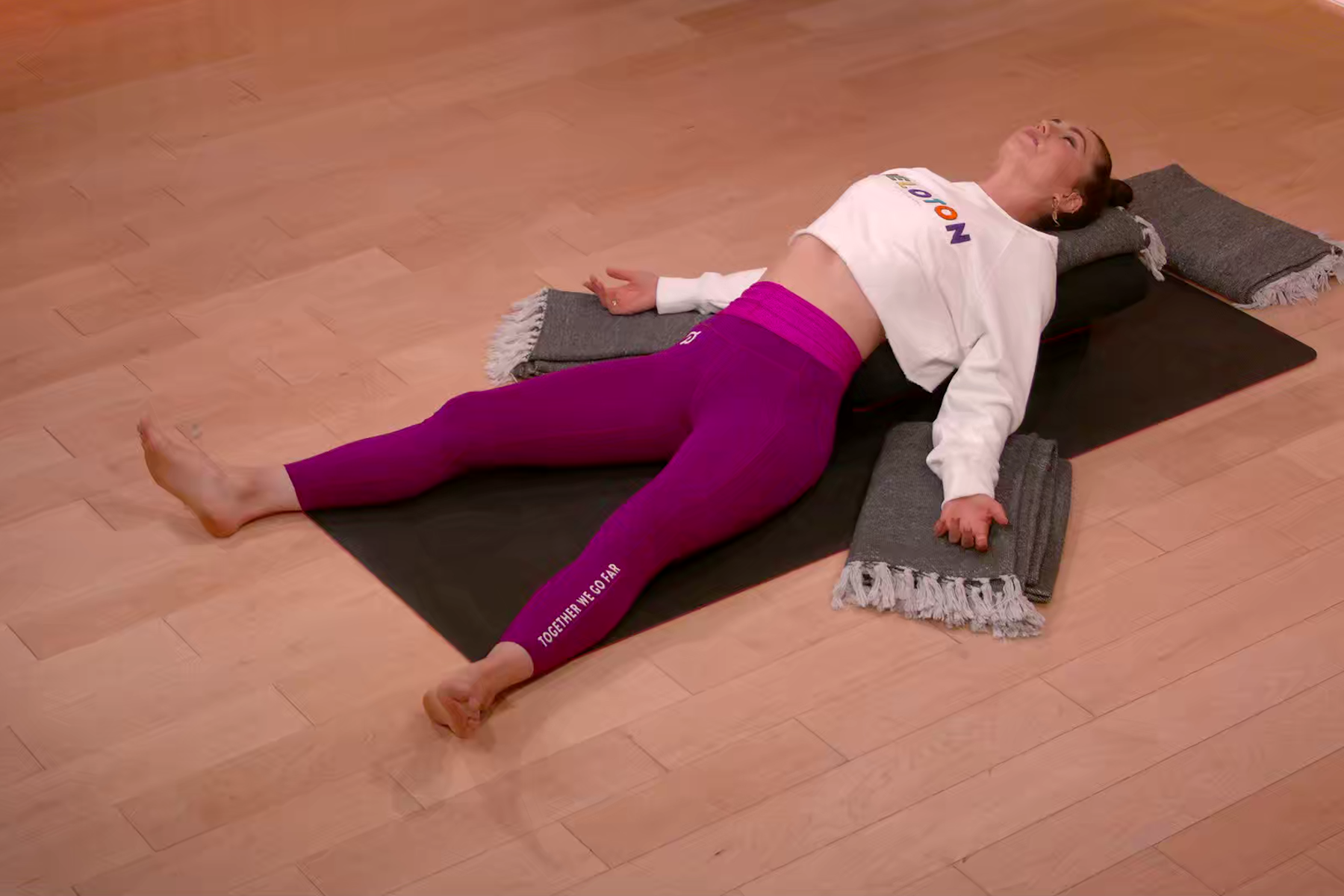
Strength has long been associated with visible effort. Muscles shaking in a plank, sweat rolling down the spine, breath growing louder and faster. For years, I measured my progress by how hard I could push and how long I could endure discomfort. If a class left me exhausted, I felt accomplished. If it felt gentle, I questioned whether it counted.
That mindset began to shift the day I realized I was tired in a way that sleep could not fix. My body was technically strong, but my nervous system felt frayed and overstimulated. I could hold challenging poses, yet I struggled to feel grounded in them. Something was missing, and it was not another power flow.
Restorative strength entered my life quietly. It did not demand attention or applause. It asked for patience, stillness, and a willingness to soften in a culture that celebrates intensity.
The Misconception About Rest
Rest is often mistaken for laziness or regression. In a fitness world driven by performance metrics and visible gains, slowing down can feel like falling behind. I resisted restorative practices at first because I equated rest with losing progress. My ego preferred sweat over silence.
What I eventually discovered is that rest is not the absence of effort. It is a deliberate act of recalibration. In restorative yoga, the body is supported with props so that muscles can release unnecessary tension. The nervous system shifts from survival mode into repair mode, and that shift requires courage.
True rest asks me to stay present without distraction. It asks me to feel sensations without immediately reacting. That kind of stillness is far from passive.
Muscles, Fascia, And The Hidden Work
Restorative strength operates on layers deeper than what we see in a mirror. Muscles are only part of the story. Fascia, the connective tissue that weaves throughout the body, responds profoundly to long, supported holds. Gentle, sustained positioning allows this tissue to hydrate and reorganize.
During a supported backbend, for example, I can feel subtle openings along the front of my hips and chest. The work is not dramatic, but it is steady. My breath becomes smoother, and tension that I did not even realize I was carrying begins to dissolve.
Strength grows from this subtlety. A body that is not chronically bracing can generate force more efficiently. A nervous system that feels safe can coordinate movement with greater precision. The foundation becomes stable without being rigid.
The Nervous System Is The Real Powerhouse
Yoga taught me that strength is not just muscular capacity. It is also the ability to regulate internal states. Restorative practices directly influence the parasympathetic nervous system, often called the rest and digest response. This state supports healing, digestion, and emotional processing.
After a restorative session, I notice clarity in my thoughts and steadiness in my mood. My reactions soften. Challenges that would have felt overwhelming earlier in the day seem more manageable. That resilience is a form of strength that does not show up in a bicep curl.
Living in a constant state of activation drains energy over time. The body cannot distinguish between a difficult workout and a stressful email if both trigger the same stress response. Restorative strength trains the body to return to balance more quickly, and that adaptability is powerful.
Strength Through Surrender
Surrender carries a reputation of weakness. In reality, surrender in yoga means allowing what is already present to be seen without resistance. During a supported forward fold, I am not collapsing. I am consciously releasing effort that is no longer needed.
This process requires trust. Trust that I do not have to grip every muscle to stay safe. Trust that support beneath me will hold my weight. Trust that growth can happen in quiet moments.
Letting go of unnecessary tension builds a different kind of stamina. I become less reactive and more responsive. That shift transforms not only my practice but also how I move through daily life.
The Role Of Props In Building Capacity
Blocks, bolsters, blankets, and straps once felt like training wheels. I thought I should be able to perform poses without assistance. Over time, I realized that props are tools for refinement, not shortcuts.
A bolster under my spine in a supported heart opener creates space for my chest to expand without strain. Blankets beneath my knees in a reclined pose protect my joints and invite deeper relaxation. These supports allow me to stay longer, breathe fully, and integrate the experience.
Endurance is not always about holding tension. Sometimes it is about sustaining awareness in comfort. The longer I remain in a supported pose, the more I notice subtle shifts in sensation and breath. That attentiveness builds internal strength.
Emotional Resilience On The Mat
Restorative sessions often bring emotions to the surface. Without constant movement to distract me, feelings that have been tucked away rise gently. At first, this caught me off guard. I expected relaxation, not tears.
Emotional release is part of restorative strength. The body stores experiences, and supported stillness creates space for them to move. Allowing emotions to surface without judgment strengthens my capacity to sit with discomfort.
Over time, I became less afraid of what might arise. Instead of bracing against vulnerability, I lean into it with curiosity. That willingness carries into relationships and work, where patience and presence are invaluable.
The Myth Of Pushing Harder
Pushing harder is a familiar strategy in many areas of life. If progress stalls, the instinct is often to increase effort. In physical training, that can lead to overuse injuries and burnout. In yoga, it can disconnect practice from purpose.
Restorative strength reminds me that growth is cyclical. Intensity has its place, but so does integration. Muscles need recovery to rebuild. The mind needs pauses to process information.
Balancing effort with ease prevents the pendulum from swinging into exhaustion. It supports longevity in practice rather than short bursts of achievement followed by fatigue.
Restorative Strength And Athletic Performance
Athletes are increasingly recognizing the value of restorative practices. High performance requires not only powerful output but also efficient recovery. A body that cannot downshift from intensity struggles to sustain excellence.
Incorporating restorative yoga into a training routine enhances mobility and joint health. It improves breath control and mental focus. I have noticed that after periods of consistent restorative work, my more dynamic practices feel smoother and more controlled.
The contrast between stillness and movement sharpens awareness. I can sense alignment more clearly. I can detect subtle imbalances before they escalate into pain.
Sleep, Hormones, And Deep Repair
Quality sleep is foundational to health, yet many people struggle with it. Chronic stress disrupts hormonal balance and interferes with deep rest. Restorative yoga supports better sleep by calming the nervous system before bedtime.
Evening sessions with gentle, supported poses signal safety to the body. My breath lengthens naturally, and racing thoughts begin to slow. Over time, this ritual improved not only how quickly I fall asleep but also how rested I feel in the morning.
Hormonal regulation is intricately connected to stress levels. By reducing chronic activation, restorative practices support overall well being. Strength, in this sense, includes internal harmony.
Patience As A Discipline
Patience is rarely celebrated in fast paced environments. Results are expected quickly, and visible transformation is prioritized. Restorative strength develops gradually, often without dramatic milestones.
I had to release the need for constant validation. Progress showed up in subtle ways, such as feeling less reactive during conflict or recovering more quickly from physical strain. These changes were profound, even if they were not flashy.
Patience became a discipline rather than a personality trait. Each time I stayed in a supported pose longer than my mind preferred, I strengthened that discipline. The practice spilled into daily life, influencing how I handle uncertainty.
Integrating Restorative Strength Into Daily Life
Restorative strength does not require a dedicated studio or elaborate setup. A few pillows on the floor and intentional breathing can shift my state significantly. The key is consistency rather than duration.
Short pauses throughout the day recalibrate my energy. Sitting quietly for five minutes with my back supported against a wall can reset my focus. Lying down with legs elevated after long hours at a desk reduces tension in my lower back.
These micro practices accumulate. Over weeks and months, they reshape how my body responds to stress. Strength becomes less about force and more about adaptability.
The Courage To Slow Down
Slowing down can feel uncomfortable at first. Without constant motion, the mind may wander or resist. Sitting in that discomfort is an act of bravery.
Choosing rest in a culture that glorifies busyness requires intention. It means prioritizing long term health over immediate productivity. Each time I commit to restorative practice, I affirm that sustainability matters.
Courage in this context is quiet. It does not demand recognition. It manifests as a steady commitment to balance.
A Redefinition Of Power
Power is often portrayed as dominance or control. Restorative strength offers a different definition. It frames power as the capacity to remain steady, grounded, and responsive.
Through supported stillness, I have learned to access reserves of energy that are not fueled by adrenaline. This energy feels sustainable. It does not spike and crash.
Redefining power changed how I relate to my body. Instead of forcing it into shapes, I collaborate with it. Instead of demanding performance, I cultivate partnership.
Why Restorative Strength Matters Now
Modern life is saturated with stimulation. Notifications, deadlines, and constant connectivity keep the nervous system activated. Without intentional counterbalance, chronic stress becomes normalized.
Restorative strength serves as that counterbalance. It interrupts the cycle of perpetual urgency. It reminds me that productivity without recovery is unsustainable.
Building strength through restoration prepares me to meet challenges with clarity. It enhances creativity and deepens intuition. In a world that moves quickly, the ability to slow down is a competitive advantage.
Living The Practice Beyond The Mat
The impact of restorative strength extends beyond yoga sessions. Conversations become more mindful. Decisions feel less reactive. Even physical posture shifts as chronic tension decreases.
Walking through daily responsibilities with a regulated nervous system changes the experience entirely. I am more present, less rushed, and more attuned to subtle cues. This presence influences how I lead, collaborate, and care for others.
Strength no longer feels like something I prove. It feels like something I embody.
Yes, It Is A Thing
Skepticism about gentle practices is common. Many assume that if it does not burn, it does not build. My experience tells a different story.
Restorative strength builds resilience from the inside out. It fortifies connective tissue, balances hormones, and steadies emotions. It creates a base from which dynamic strength can flourish.
The mat has shown me that intensity without integration is incomplete. Rest without intention is avoidance. Restorative strength sits in the middle, weaving together effort and ease.
I no longer measure success solely by how much I can do. I measure it by how well I can recover, adapt, and remain present. That is strength worth cultivating, and yes, it is very real.



The Long-Term Mindset of Strong Practitioners

Habit Stacking for Daily Yoga

How to Reignite a Stalled Practice

Mastering Patience in Skill-Based Poses

The 1% Better Method on the Mat

The 7-Day Reset Challenge

Yoga for Runners: Injury-Proof Your Stride

The Ladder Flow Method for Progressive Strength

Balance Training for Performance Gains

The Psychology of Showing Up Daily

Rebuilding Energy Without Overtraining