Reset
Resetting After Travel and Long Flights

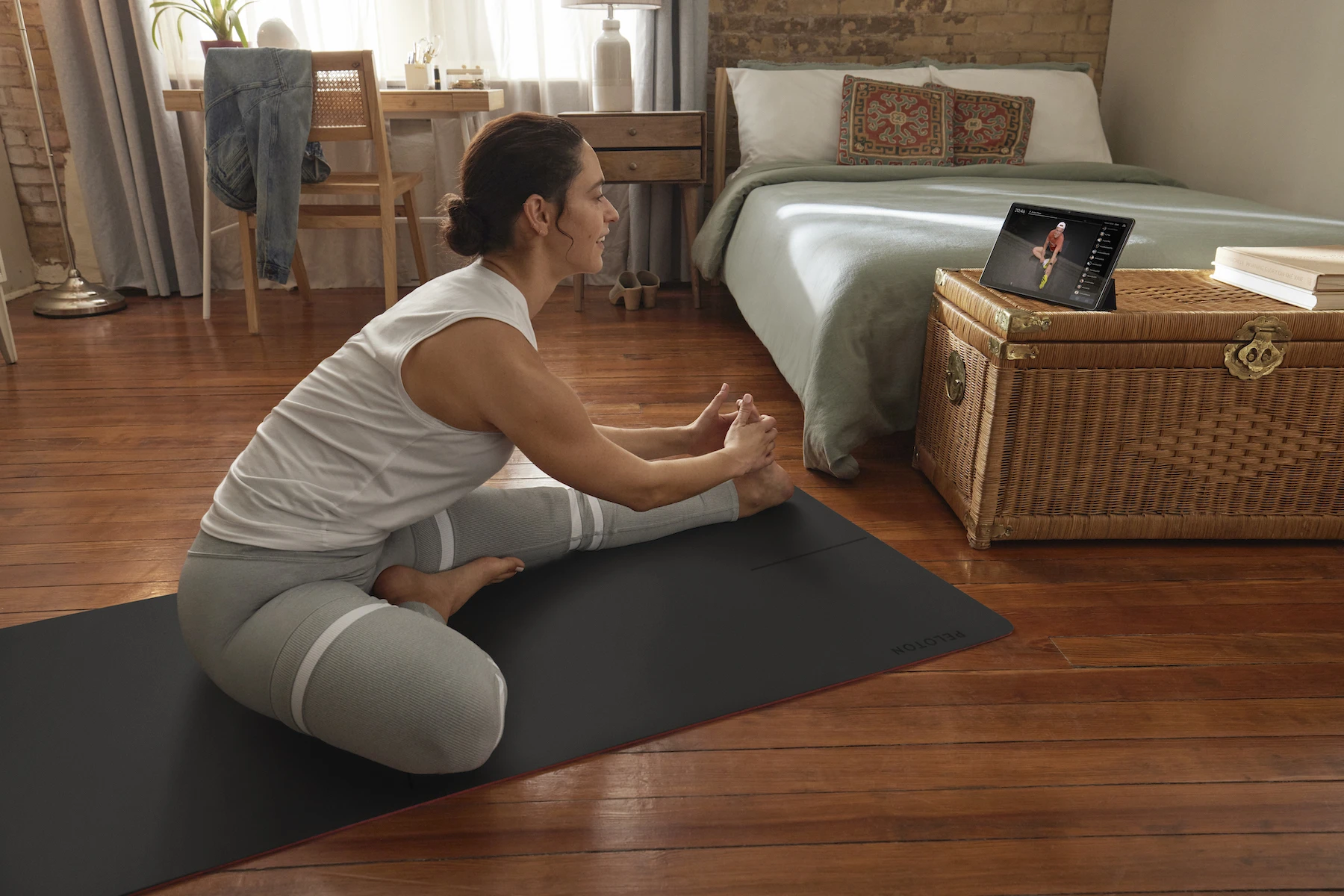
Travel can expand the mind, but it often leaves the body feeling compressed, swollen, and strangely disconnected. After hours in a cramped seat, crossing time zones, and navigating airports under artificial light, I feel like I am walking around in a borrowed body. My hips tighten, my lower back stiffens, and my breath becomes shallow without me even noticing. Over time, I have built a personal reset ritual that helps me return to myself after long flights, and yoga sits at the heart of that process.
Air travel challenges the body in subtle but powerful ways. Prolonged sitting reduces circulation, especially in the legs and feet, which can leave them puffy and heavy. Cabin pressure and dry air contribute to dehydration, which tightens connective tissues and drains energy. Add jet lag into the mix, and the nervous system feels scrambled, swinging between exhaustion and restlessness. Rather than pushing through that discomfort, I have learned to pause and recalibrate.
The reset does not begin with an intense workout or a strict schedule. It starts with attention. I take stock of how I feel, notice where tension has accumulated, and gently guide myself back into alignment. Yoga offers a framework for that return, helping me restore circulation, regulate breath, and reconnect to the present moment.
The Hidden Toll Of Long Flights
Hours spent seated in a fixed position create a chain reaction in the body. Hip flexors shorten, hamstrings tighten, and the thoracic spine rounds forward. The shoulders creep toward the ears, and the neck cranes forward in a subtle imitation of the airplane seat in front. After landing, I often feel stiff in places that I rarely think about in daily life, such as the outer hips and the small muscles between my ribs.
Circulation slows dramatically during long flights, particularly in the lower body. Even short walks to the aisle cannot fully counteract the compression of sitting. That sluggish flow can leave the legs feeling dense and fatigued, as if gravity has intensified. Gentle inversions and rhythmic movement later help me restore that sense of lightness.
Sleep disruption also plays a significant role in post-travel discomfort. Crossing time zones confuses the body’s internal clock, making it difficult to fall asleep at the right hour. I have noticed that my digestion becomes irregular as well, and my appetite shifts in unexpected ways. A thoughtful yoga sequence becomes more than stretching; it becomes a way to stabilize internal rhythms.
Grounding After Arrival
The moment I arrive at my destination, my instinct used to be to unpack quickly and dive into activities. Experience has taught me that a brief grounding ritual saves me from days of lingering stiffness. Even ten to fifteen minutes on the mat can make a profound difference.
I begin in a simple seated position, placing one hand on my chest and the other on my abdomen. Slow nasal breathing reminds my nervous system that the rush is over. The exhale becomes slightly longer than the inhale, which helps ease the jittery edge that often follows travel. That quiet breathing sets the tone for everything that follows.
From there, I move into gentle spinal waves on hands and knees. Alternating between arching and rounding the back reintroduces mobility to the spine after hours of compression. The movement is not dramatic, but it feels like oiling a hinge that has grown rusty. I let my breath guide the pace, allowing the rhythm to steady my thoughts.
Releasing The Hips And Lower Back
Tight hips are my most reliable souvenir from a long flight. To address that, I spend time in low lunges with my back knee down and my pelvis heavy. Rather than forcing the stretch, I soften through the front of the hip and breathe into the sensation. A subtle engagement of the lower abdomen protects my lower back while I lengthen the hip flexor.
I also enjoy a gentle variation of pigeon pose, keeping my torso upright at first before folding forward. This posture helps open the outer hip and glute muscles that grow dormant during prolonged sitting. Staying for several breaths allows the tissue to respond gradually instead of defensively. By the time I rise out of the pose, the entire pelvic region feels more spacious.
Supine twists follow naturally. Lying on my back, I draw one knee across my body and extend the opposite arm. The twist massages the lower back and stimulates digestion, which often needs encouragement after travel. With each exhale, I imagine wringing out the fatigue accumulated during the journey.
Restoring Circulation In The Legs
Swollen ankles and heavy calves signal that my circulation needs attention. Legs-up-the-wall pose has become a staple in my post-flight ritual. Elevating the legs above the heart allows gravity to assist the return of blood and lymphatic fluid. I stay there long enough to feel the subtle pulsing in my feet begin to soften.
Dynamic movements also play a role. Gentle sun salutations, performed slowly and mindfully, reawaken the entire body. I bend my knees generously in forward folds to protect tight hamstrings. Transitioning between poses in a fluid sequence helps pump blood through the legs and arms.
Calf stretches against a wall or in downward-facing dog further support this process. I alternate bending one knee and then the other, creating a rhythmic motion that feels soothing rather than strenuous. That simple action reduces the sense of heaviness in my lower body and restores a feeling of mobility.
Resetting The Nervous System
Long flights can push the nervous system into a subtle state of stress. Airports are filled with noise, bright lights, and constant announcements. Even if the trip is exciting, the body absorbs that stimulation. I often notice that I feel both tired and wired at the same time.
To counteract that pattern, I incorporate restorative postures into my reset. A supported child’s pose with a bolster under my torso allows the spine to lengthen passively. The gentle pressure of the support against my abdomen encourages deeper breathing. Over several minutes, my heartbeat slows and my mind quiets.
Breathwork becomes the anchor in this stage. Alternate nostril breathing helps balance the hemispheres of the brain and smooth out mental turbulence. I sit comfortably and move slowly through each round, without striving for perfection. The effect is subtle but steady, like turning down the volume on internal static.
Addressing Jet Lag With Movement And Light
Time zone shifts can leave me wide awake at midnight and groggy in the middle of the afternoon. Instead of fighting that sensation with caffeine alone, I use yoga to gently steer my body clock. Morning practice, even if brief, exposes me to natural light and encourages alertness.
A few rounds of standing poses, such as warrior variations and gentle backbends, energize without overwhelming me. I focus on expanding my chest and lifting my gaze, inviting wakefulness into my posture. The combination of movement and sunlight begins to anchor me in the new time zone.
In the evening, I pivot toward slower, floor-based sequences. Forward folds and supported bridges calm the nervous system and signal that it is time to wind down. Consistency over the first few days of travel makes a noticeable difference in how quickly I adapt.
Hydration And Gentle Detox
Cabin air is notoriously dry, and dehydration amplifies stiffness. After landing, I prioritize water and nourishing meals. Yoga supports this internal reset by stimulating lymphatic flow and digestion.
Twists, gentle inversions, and diaphragmatic breathing encourage circulation of fluids throughout the body. I pay attention to subtle sensations in my abdomen, especially if travel has disrupted my usual eating patterns. Rather than forcing a detox mindset, I think in terms of restoring balance.
A slow, mindful practice also brings awareness to hunger and fullness cues. Travel often involves irregular meals, and tuning back into those signals feels grounding. The mat becomes a space where I reestablish communication with my body.
Mental Reentry After The Journey
Physical discomfort is only part of the story. Travel can be emotionally stimulating, whether for business or pleasure. Returning home or arriving somewhere new requires mental adjustment.
During savasana at the end of my practice, I allow memories of the journey to surface without clinging to them. The body rests flat on the ground, supported and still. That stillness offers a transition between one chapter and the next. I notice how my breath moves effortlessly when I am not trying to control it.
Journaling after practice has also become part of my reset. A few paragraphs about how I feel help clarify my internal state. The combination of movement, breath, and reflection gives me a sense of continuity even as my external environment changes.
Building A Sustainable Travel Ritual
Consistency matters more than intensity. Even on short trips, I pack a lightweight mat or use a towel on the hotel floor. The familiarity of unrolling that surface signals to my body that it is time to recalibrate.
Over time, the sequence has evolved to fit different destinations and schedules. Some days I have twenty minutes, and other days I stretch the practice into a full hour. What remains constant is the intention to care for my body after the demands of travel.
This ritual has reshaped how I experience flights. Instead of dreading the aftermath, I anticipate the reset. The stiffness becomes a cue to move, breathe, and reconnect rather than a problem to endure.
Embracing The Pause
Travel disrupts routine by design, and that disruption can be invigorating. At the same time, the body thrives on rhythm. Yoga offers a bridge between the excitement of exploration and the steadiness of home.
Each time I step onto the mat after a long journey, I feel the scattered pieces begin to settle. My breath deepens, my spine lengthens, and my feet reconnect with the ground beneath me. The reset does not erase the miles traveled, but it integrates them.
That integration is what keeps me returning to the practice. Flights may compress my body and scramble my schedule, yet the ritual of mindful movement restores equilibrium. With patience and attention, I arrive not only at a destination but back into myself.



The Long-Term Mindset of Strong Practitioners

Habit Stacking for Daily Yoga

How to Reignite a Stalled Practice

Mastering Patience in Skill-Based Poses

The 1% Better Method on the Mat

The 7-Day Reset Challenge

Yoga for Runners: Injury-Proof Your Stride

The Ladder Flow Method for Progressive Strength

Balance Training for Performance Gains

The Psychology of Showing Up Daily

Rebuilding Energy Without Overtraining
