Performance
Performance Yoga for Combat Sports

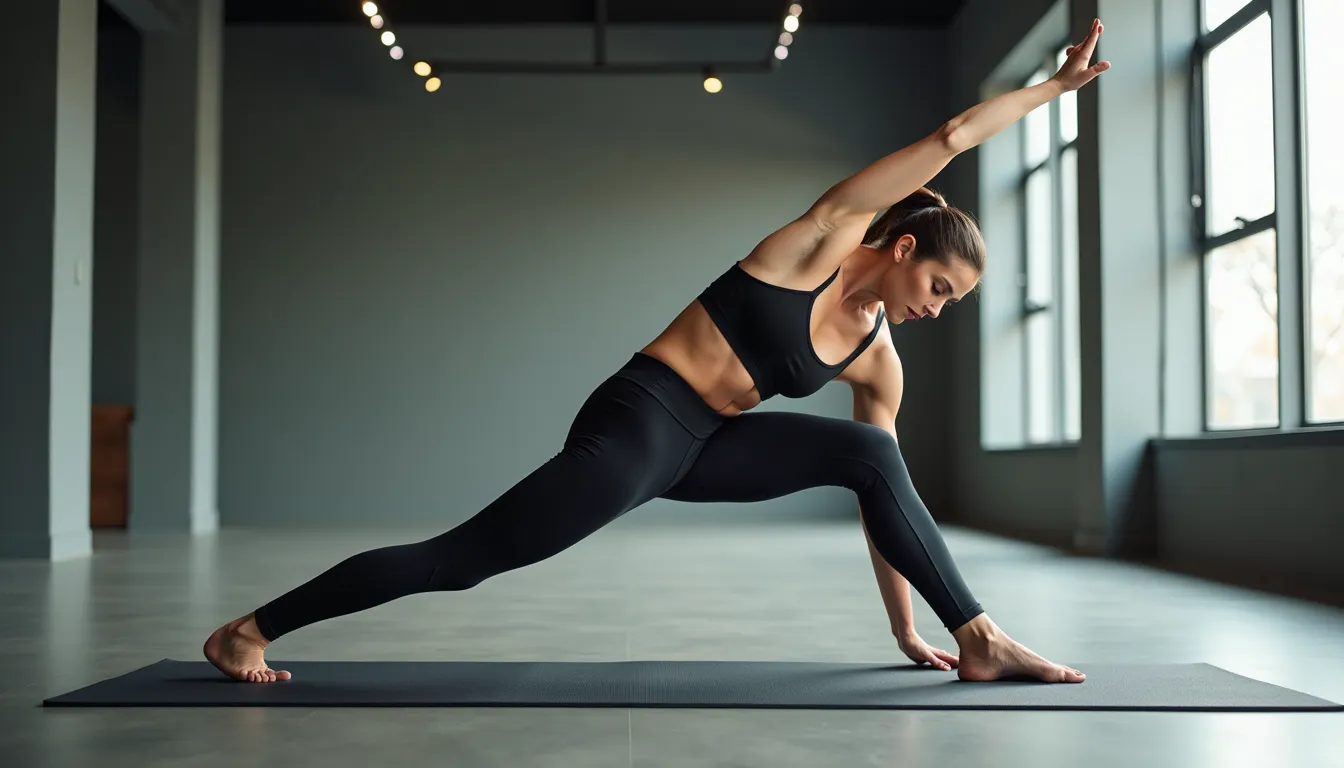
Stepping into a ring or onto a mat demands more than strength and grit. Combat sports expose every weakness in the body, from stiff hips that slow a kick to tight shoulders that blunt a punch. I built my yoga practice around these realities, not around aesthetics or long, passive stretches. Performance yoga for combat sports is about building a body that moves with precision, absorbs force without breaking, and recovers fast enough to train again tomorrow.
I have trained alongside fighters who can deadlift enormous weight yet struggle to rotate through their thoracic spine. I have seen grapplers with endless endurance tap out because their lower backs lock up under pressure. Yoga, applied with intention, fills the gaps that traditional strength and conditioning sometimes miss. It sharpens body awareness, expands usable range of motion, and reinforces stability under chaotic conditions.
This article lays out how I structure performance yoga for fighters, why it works, and how it integrates with striking, grappling, and mixed martial arts. It is not about turning fighters into contortionists. It is about giving them resilient joints, adaptable nervous systems, and breath control that holds steady in the middle of a storm.
The Demands Of Combat Sports On The Body
Combat sports create a unique blend of explosive output and sustained tension. Strikers generate rapid rotational power through the hips and spine, while grapplers maintain isometric strength in compromised positions. Mixed martial artists combine both, often under fatigue and psychological stress.
Every exchange taxes the shoulders, hips, knees, and neck. The hips must extend, rotate, and flex without restriction. The spine must transmit force while remaining stable under impact. The ankles and feet must adapt to constant directional changes. If any link in that chain is limited, the rest of the body compensates.
Yoga becomes a tool for mapping those compensations. Through controlled movement and deliberate breath, I can identify where a fighter collapses, overgrips, or holds tension unnecessarily. That awareness alone often translates into smoother transitions on the mat and cleaner strikes in sparring.
Mobility That Transfers To Striking
A powerful punch or kick begins at the ground and spirals upward. Restricted hips or a stiff thoracic spine reduce that spiral into a linear shove. Performance yoga emphasizes active mobility rather than passive flexibility, meaning the fighter earns control in the new range.
I incorporate low lunges with rotational patterns to simulate the mechanics of a cross or hook. The back hip extends while the ribcage rotates, and the breath reinforces the twist. Over time, that rotation becomes more fluid, and fighters report less strain in their lower backs during heavy bag work.
High kicks demand hip flexion, abduction, and external rotation. Instead of forcing the leg higher, I focus on controlled leg lifts, deep squat variations, and dynamic transitions between warrior stances. The goal is not to rest at end range but to move through it with strength. That distinction makes the difference between flashy flexibility and functional kicking power.
Stability Under Pressure For Grappling
Grappling exposes instability immediately. A weak core or disengaged scapula becomes obvious the moment an opponent applies pressure. Yoga postures such as plank variations, side planks, and controlled transitions build the kind of integrated stability that grapplers need.
I often slow down transitions between poses to mimic the grind of positional battles. Moving from a low lunge into a single leg balance, for example, trains the foot, ankle, and hip to stabilize together. Holding a controlled boat pose with steady breathing challenges deep core engagement in a way that mirrors maintaining guard.
The key is tension with intention. Grapplers already live in high tension environments, so yoga sessions teach them how to dial tension up and down. That skill alone reduces unnecessary energy expenditure during long rounds.
Breath Control In The Middle Of Chaos
Adrenaline narrows perception and shortens breath. In a fight, shallow breathing accelerates fatigue and clouds decision making. Breathwork woven into movement trains the nervous system to remain steady under load.
I emphasize nasal breathing during flows and longer exhales during challenging holds. Extending the exhale stimulates a parasympathetic response, which helps fighters stay composed. Over time, they begin to notice that even during intense sparring, their breath does not spike as dramatically.
Breath control also enhances durability. When the diaphragm functions efficiently, it supports core stability. That support protects the spine during takedowns, sprawls, and body shots. Breath becomes both shield and fuel.
Hip Health As A Foundation
Hips take a beating in combat sports. Repeated kicks, sprawls, guard work, and directional changes create tight flexors and overworked adductors. Ignoring hip maintenance invites chronic pain.
My sessions devote significant time to controlled hip circles, deep squat holds, and lunges with lateral shifts. These patterns restore joint space and encourage balanced muscle activation. I avoid collapsing into passive stretches; instead, I cue active engagement of surrounding musculature.
Fighters often report that their knees feel better once hip mobility improves. That connection highlights how yoga addresses the entire kinetic chain. Healthy hips reduce strain downstream and unlock more powerful movement upstream.
Shoulder Integrity And Rotational Strength
Punching volume and grappling grips strain the shoulders relentlessly. Rounded posture from heavy bag sessions or wrestling scrambles compounds the issue. Yoga offers a way to restore alignment and build resilient shoulders.
I integrate downward facing dog variations with controlled scapular movement to reinforce upward rotation and stability. Poses like dolphin and side plank variations strengthen the rotator cuff and serratus anterior. These muscles stabilize the shoulder during strikes and clinch work.
Thoracic extension work counters the forward flexion common in fighters. By opening the chest while maintaining core engagement, I help athletes reclaim space in the upper spine. That space translates into smoother rotation and less shoulder impingement over time.
Neck And Spine Resilience
Neck strength and mobility are critical for absorbing impact and resisting submissions. Rather than aggressive stretching, I use gentle, controlled movements combined with isometric engagement. Slow nods, rotations, and resisted holds build awareness and strength without overstressing delicate structures.
Spinal segmentation plays a major role as well. Rolling through the spine in controlled cat and cow patterns enhances articulation. That articulation allows fighters to distribute force more evenly rather than concentrating it in one vulnerable segment.
The result is not exaggerated flexibility but adaptable resilience. The spine learns to move where it should and stabilize where it must.
Programming Yoga Around Fight Camp
Timing matters. During intense fight camps, sessions focus on recovery and nervous system regulation rather than maximal mobility gains. Flows become shorter, holds less taxing, and breathwork more prominent.
In off season phases, I increase the intensity of mobility drills and stability challenges. Fighters can explore deeper ranges and longer isometrics without compromising sparring quality. This periodization ensures yoga supports, rather than competes with, technical training.
I also adjust sessions based on the athlete’s discipline. A Muay Thai fighter may need more hip flexor and shoulder extension work, while a wrestler might require thoracic rotation and ankle mobility. Tailoring sessions keeps them relevant and effective.
Mental Edge Through Body Awareness
Combat sports demand rapid decision making under pressure. Yoga sharpens proprioception, the body’s sense of position and movement. That heightened awareness translates into cleaner technique and faster adjustments.
During slow transitions between poses, fighters learn to notice subtle shifts in weight and tension. That awareness carries over into scrambles and striking exchanges. They feel openings sooner and react with more precision.
Mental resilience also grows. Holding a challenging posture with steady breath builds tolerance for discomfort. In a fight, that tolerance becomes composure when the round feels overwhelming.
Recovery And Longevity
The grind of combat sports can shorten careers if recovery is neglected. Yoga supports circulation, joint health, and nervous system balance. After hard sparring, gentle flows flush metabolic waste and restore mobility.
Sleep quality often improves when breathwork and down regulation practices become consistent. Better sleep accelerates tissue repair and cognitive recovery. Over months and years, these small improvements accumulate into significant longevity.
I have watched fighters extend their competitive years simply by committing to regular yoga sessions. They move better, ache less, and train with more consistency. That consistency ultimately separates durable athletes from those sidelined by preventable injuries.
Sample Weekly Structure
A practical approach might include two focused mobility sessions and one restorative session each week. Mobility days can run forty five to sixty minutes and emphasize active range, rotational strength, and integrated stability. Restorative days might include slower flows, longer exhales, and gentle hip and spine work.
On heavy sparring days, shorter twenty minute flows centered on breath and light mobility can suffice. The intention is not to exhaust the athlete but to recalibrate the body. Consistency outweighs intensity in this context.
Athletes who adopt this structure often notice improved warm ups and smoother first rounds. Their bodies feel primed rather than stiff. That readiness becomes a competitive advantage.
Integrating Yoga With Strength And Conditioning
Yoga does not replace lifting or sport specific drills. It enhances them by expanding the quality of movement available during those sessions. Greater hip rotation improves barbell mechanics and rotational medicine ball throws.
Core stability developed through controlled holds reinforces bracing during heavy lifts. Breath awareness helps athletes maintain intra abdominal pressure without excessive strain. The systems complement one another when programmed thoughtfully.
Communication between coaches is essential. I coordinate with strength coaches to ensure yoga sessions support, rather than duplicate, existing workloads. That collaboration keeps overall stress balanced and productive.
Common Mistakes Fighters Make
One frequent error is chasing extreme flexibility without control. Dropping into deep splits or backbends may look impressive but can destabilize joints if not supported by strength. Performance yoga prioritizes control at every range.
Another mistake is treating yoga purely as passive recovery. While relaxation has value, fighters benefit more from active engagement and deliberate breath. Simply lying in long stretches rarely addresses the dynamic demands of combat.
Finally, inconsistency undermines progress. Sporadic sessions provide temporary relief but little structural change. Regular, integrated practice builds durable adaptation.
Closing Thoughts
Performance yoga for combat sports reshapes how fighters experience their bodies. It builds mobility that translates into sharper strikes and smoother grappling. It reinforces stability that holds under pressure and breath that steadies the mind.
The mat becomes a laboratory where weaknesses are revealed and refined. Over time, movements that once felt restricted begin to flow with greater ease. That fluidity is not softness; it is controlled power.
Combat sports will always test the limits of the body. Yoga ensures those limits expand safely and intelligently. Through consistent practice, fighters develop not only stronger muscles but smarter movement, resilient joints, and a calm center that persists even when the fight intensifies.



The Long-Term Mindset of Strong Practitioners

Habit Stacking for Daily Yoga

How to Reignite a Stalled Practice

Mastering Patience in Skill-Based Poses

The 1% Better Method on the Mat

The 7-Day Reset Challenge

Yoga for Runners: Injury-Proof Your Stride

The Psychology of Showing Up Daily

Rebuilding Energy Without Overtraining

The Ladder Flow Method for Progressive Strength

Balance Training for Performance Gains