Reset
Nervous System Reset: A 20-Minute Downshift Flow

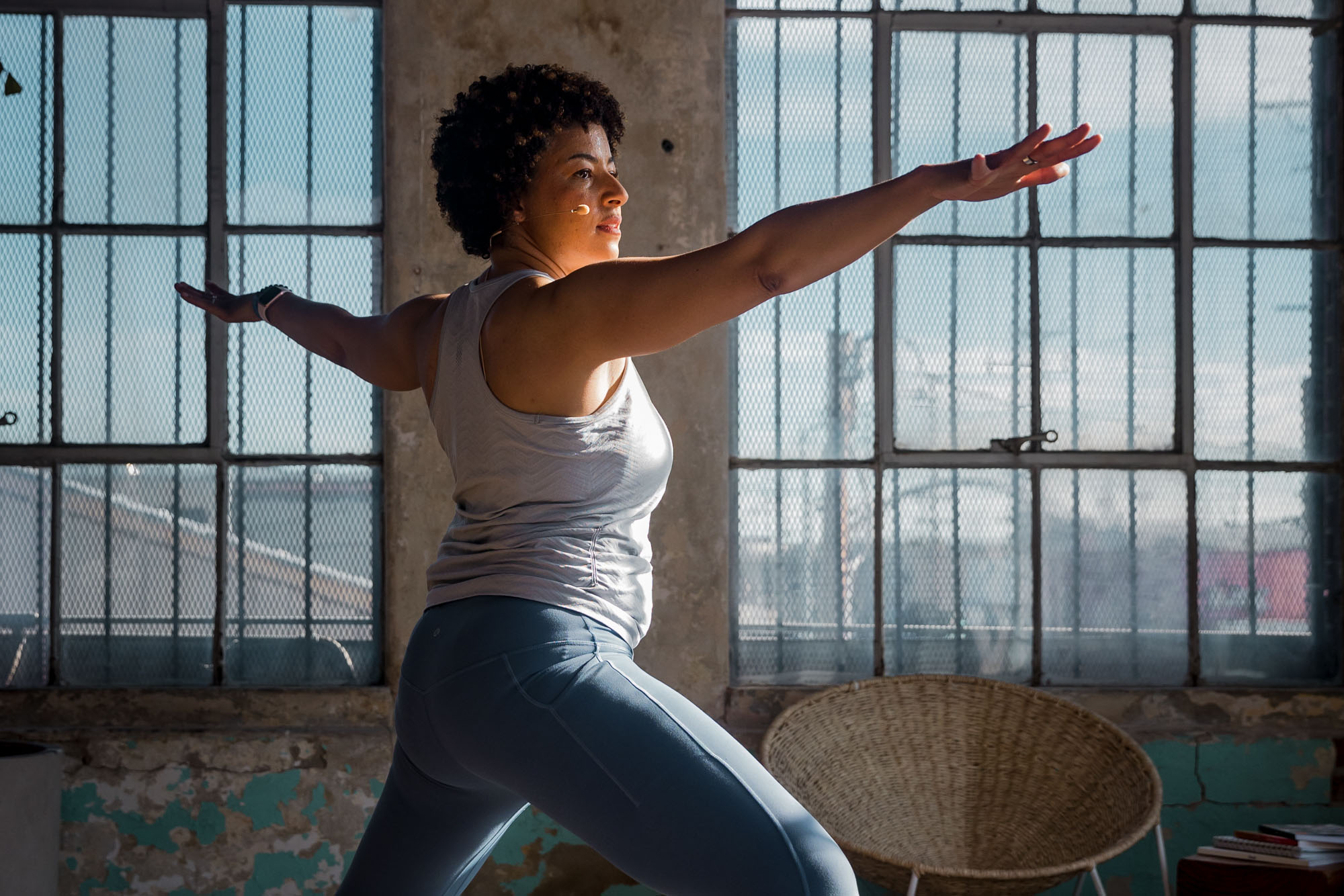
The pace of modern life pulls my nervous system in a hundred directions before noon. Notifications buzz, deadlines stack up, and even the simple act of sitting at a desk can feel like bracing for impact. Over time, I began to notice how often my body lived in a low-grade state of alert, shoulders lifted, jaw tight, breath shallow. That constant hum of activation is subtle, but it shapes how I think, move, and relate to others. A nervous system reset is not a luxury for me anymore; it is a daily recalibration.
This 20-minute downshift flow is my way of stepping off the gas pedal. It is not about pushing into deep stretches or chasing intensity. It is about signaling safety to my body so it can soften its guard. Through intentional movement, steady breathing, and simple postures, I guide myself from sympathetic overdrive into parasympathetic rest. The shift is gentle, but the impact lingers long after I roll up my mat.
Why A Downshift Matters
Stress does not always announce itself with dramatic symptoms. Sometimes it shows up as impatience, scattered focus, or a sense that I cannot quite exhale fully. The nervous system is designed to protect me, yet it does not always know the difference between a real threat and a crowded inbox. Without regular pauses, my body can stay in fight-or-flight mode far longer than it was ever meant to.
A downshift flow invites the opposite response. Instead of stimulating more adrenaline, it encourages vagal tone, steady breath, and grounded awareness. Slow, rhythmic movement paired with extended exhalations tells my system that it is safe to relax. Over time, these cues become familiar pathways back to equilibrium. I begin to trust that I can regulate my state rather than be ruled by it.
Setting The Tone Before You Begin
The first few minutes of this practice begin before I even move. I dim the lights if possible and silence distractions. A folded blanket, a bolster, or even a pillow becomes part of the ritual. The environment does not need to be perfect, but it should feel supportive rather than stimulating.
I sit comfortably, either cross-legged or on a chair with both feet grounded. My hands rest on my thighs, and I close my eyes. I take five slow breaths, inhaling through my nose and exhaling through slightly parted lips. The exhale is longer than the inhale, which naturally encourages a calming response. Even this small shift in breathing begins to soften the edges of my day.
Minute 1–5: Grounded Arrival
I start on hands and knees in a simple tabletop position. My palms spread wide, and my knees align under my hips. As I inhale, I let my belly soften toward the mat and gently lift my gaze. On the exhale, I round my spine, drawing my navel inward and tucking my chin. Cat and cow become less about flexibility and more about rhythm.
Each movement follows the pace of my breath. I move slowly, sometimes taking a full five seconds to inhale and five to exhale. The repetition feels almost hypnotic. With every round, tension drains from my back and neck. I notice how the floor supports me, and that sense of physical support begins to translate internally.
After a few cycles, I add subtle side-to-side movements. I circle my hips gently, exploring what feels sticky or restricted. There is no rush to fix anything. This is a conversation with my body, not a performance.
Minute 5–8: Child’s Pose With Breath Awareness
From tabletop, I sink my hips back toward my heels and fold into child’s pose. My forehead rests on the mat or on a block if the floor feels too far away. The contact of my forehead against something solid creates a grounding effect. It feels like a quiet anchor.
Here, I place one hand on my lower ribs and the other on my belly. I breathe deeply into both hands, noticing where the breath moves easily and where it feels shallow. I extend my exhale by a count of two, letting the air leave slowly. The longer exhale becomes the bridge into deeper calm.
Staying here for several minutes might seem simple, but it is profound. My heart rate slows. My thoughts lose their urgency. The posture encourages inward focus, and the gentle compression of my torso supports diaphragmatic breathing.
Minute 8–12: Low Lunge With Soft Focus
I step my right foot forward between my hands and rise into a low lunge. My back knee stays down, and I keep my hands on my hips rather than lifting them overhead. This is not about stretching deeply into the hip flexors. It is about maintaining steadiness and breath.
I sway slightly forward and back, matching movement to breath. Inhale as I glide forward, exhale as I ease back. The motion is subtle and controlled. I keep my gaze soft, sometimes closing my eyes to reduce sensory input.
After several breaths, I switch sides. The second side often feels different, which reminds me that my body is not symmetrical. Instead of judging that difference, I observe it with curiosity. This mindful observation further quiets the stress response because it replaces urgency with awareness.
Minute 12–15: Seated Forward Fold And Gentle Twist
I transition to a seated position with both legs extended. Sitting on a folded blanket helps my pelvis tilt forward comfortably. As I inhale, I lengthen my spine. As I exhale, I hinge at my hips and fold forward just enough to feel a mild stretch.
My knees can stay bent. My hands might rest on my shins or thighs. The shape does not matter as much as the breath. Each exhale invites my upper body to release a little more weight toward my legs. Forward folds naturally encourage introspection and calm.
After several breaths, I sit upright and take a gentle seated twist to the right. I place my left hand on my right knee and my right fingertips behind me. The twist is subtle, guided by breath rather than force. Twists help wring out residual tension and bring fresh awareness to the spine. I repeat on the other side, moving slowly and intentionally.
Minute 15–18: Supported Bridge And Heart Softening
I lie on my back with my knees bent and feet hip-width apart. Pressing into my feet, I lift my hips just enough to slide a block or bolster under my sacrum. Once supported, I allow my weight to settle completely onto the prop. My arms rest by my sides, palms facing up.
This supported bridge pose opens the front of my body without strain. It gently stimulates areas around the heart and lungs while still feeling restful. I take slow breaths here, imagining my chest expanding like a soft balloon. The support under my hips creates a sense of safety, which is essential for true relaxation.
After a minute or two, I carefully remove the prop and lower my spine back to the mat. I hug my knees into my chest and rock side to side. The movement massages my lower back and adds a playful element before final rest.
Minute 18–20: Final Rest With Guided Downshift
I extend my legs long and settle into savasana. If my lower back feels tender, I place a bolster under my knees. My palms turn upward, and my eyes close. The stillness at this stage feels different from the beginning of practice. It is deeper and more embodied.
I bring awareness to my breath once more. I count four on the inhale and six on the exhale. With each extended exhale, I imagine my body sinking heavier into the mat. I mentally scan from head to toe, inviting any remaining tension to soften.
These final minutes seal the practice. My nervous system has received consistent cues of safety, rhythm, and support. Instead of bracing, my body feels receptive. The shift is subtle yet undeniable.
How This Practice Changes My Day
After completing this 20-minute flow, I notice how differently I respond to stressors. Emails still arrive, responsibilities remain, and life does not magically simplify. Yet my reactions soften. I pause before responding. I breathe before speaking.
This reset practice builds resilience over time. Rather than waiting for burnout to force me into rest, I create small, consistent intervals of regulation. The nervous system thrives on repetition. Each time I guide myself into calm, I reinforce the pathway back to balance.
I also sleep more deeply on days when I include this flow. My mind does not race as intensely at night. The cumulative effect of even short practices can be profound. Twenty minutes becomes an investment that pays dividends in clarity, patience, and physical ease.
Tips For Making It Sustainable
Consistency matters more than intensity. I remind myself that missing a day is not failure. The goal is to return again and again. Even practicing three or four times a week can create noticeable change.
Timing can influence the impact. Late afternoon or early evening often works best for me because it helps me transition out of work mode. However, this flow can also serve as a midday reset. The key is to treat it as a non-negotiable appointment with my well-being.
Props are not a sign of weakness. They are tools that enhance safety and comfort. The more supported I feel physically, the more easily my nervous system relaxes. A folded blanket under my head or knees can make all the difference.
A Gentle Reminder To Slow Down
The body does not need constant pushing to thrive. It needs rhythm, rest, and reassurance. This 20-minute downshift flow has become one of the most reliable ways I care for my nervous system. It is simple, accessible, and deeply restorative.
Returning to the breath, moving slowly, and honoring my limits has reshaped how I experience stress. Calm is no longer something I wait for. It is something I cultivate intentionally. In a world that often glorifies busyness, choosing to downshift feels quietly radical.
Each time I step onto my mat for this practice, I reaffirm that my nervous system deserves compassion. The reset is not dramatic or flashy. It is steady, grounding, and real. That steadiness carries me forward long after the 20 minutes end.



The Long-Term Mindset of Strong Practitioners

Habit Stacking for Daily Yoga

How to Reignite a Stalled Practice

Mastering Patience in Skill-Based Poses

The 1% Better Method on the Mat

The 7-Day Reset Challenge

Yoga for Runners: Injury-Proof Your Stride

The Ladder Flow Method for Progressive Strength

Balance Training for Performance Gains

The Psychology of Showing Up Daily

Rebuilding Energy Without Overtraining