Discipline
Minimal Equipment, Maximum Commitment

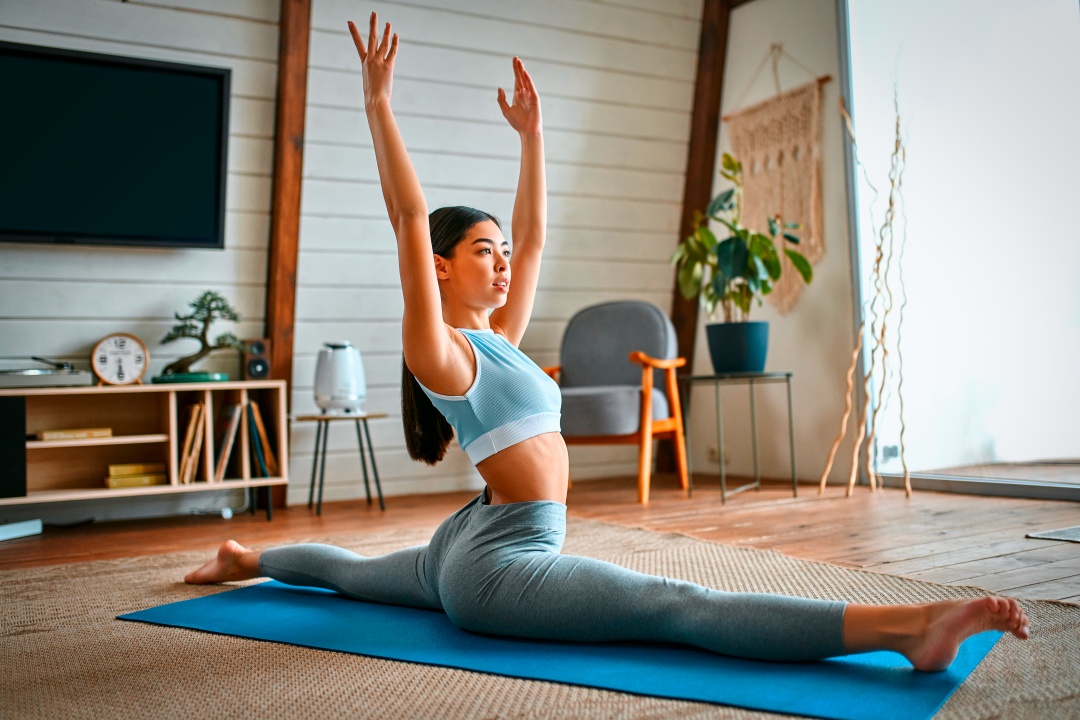
My mat has traveled more miles than most of my shoes. It has unrolled on hotel carpets, patchy grass in public parks, and the cold tile floor of my living room at four in the morning. Over time, I realized that the real anchor of my yoga practice was not the mat, the blocks, or the straps. It was my willingness to show up, especially on days when excuses felt louder than motivation.
Minimal equipment strips yoga down to its raw essence. Without the distraction of accumulating gear, I am left alone with my breath, my body, and my thoughts. That simplicity can feel confronting, but it is also liberating. It reminds me that the depth of a practice does not depend on what surrounds me but on how fully I commit to the moment in front of me.
Commitment is not glamorous. It does not look like a perfectly staged studio with color-coordinated props. It looks like rolling out a mat in a cramped apartment and deciding that, despite fatigue or doubt, I will move, breathe, and stay present. That decision, repeated over months and years, has shaped my practice more than any accessory ever could.
Why Less Equipment Deepens The Practice
Having fewer tools forces me to rely on internal cues instead of external support. Without a wall to lean on in balance poses, I learn to feel the subtle shifts in my feet and ankles. Without multiple blocks stacked under my hands, I discover creative ways to lengthen my spine and adjust my stance. The body becomes both teacher and student in the absence of elaborate setup.
This simplicity also sharpens awareness. When I am not adjusting straps or rearranging props, I have more space to observe my breath. I notice how it changes in Warrior II, how it tightens in deep hip openers, and how it steadies in seated meditation. That awareness carries beyond the mat and into daily life, where patience and steadiness are equally valuable.
Minimal equipment does not mean minimal challenge. In fact, it often demands greater focus. Holding Plank without relying on wrist supports requires me to distribute weight consciously and engage my core with intention. Staying in Chair Pose without a mirror pushes me to sense alignment rather than rely on visual confirmation. These small shifts cultivate resilience that extends far beyond the physical postures.
Building A Strong Foundation With Just A Mat
A single mat can support an entire world of movement. Sun Salutations flow seamlessly from one posture to the next without requiring anything but space to stretch out fully. Standing sequences build strength and stability, while seated poses invite introspection and release. The mat becomes a defined boundary where daily concerns pause and practice begins.
Within that boundary, I focus on fundamentals. I refine my Mountain Pose until it feels alive with energy rather than static. I explore Downward Facing Dog as more than a transitional posture, paying attention to how my heels reach toward the floor and my hands root down evenly. These foundational shapes grow richer each time I revisit them with care.
Progress does not always mean advancing to more complex poses. Sometimes it means holding a simple posture longer or breathing more steadily through discomfort. The mat becomes a laboratory where I test patience, humility, and perseverance. Those qualities develop quietly but steadily, forming a strong base for everything else.
Commitment Over Comfort
Comfort is tempting, especially on days when my body feels tight or my mind feels scattered. It would be easy to skip practice or shorten it to the bare minimum. Yet the most meaningful sessions often arise from discomfort. On those days, showing up feels like an act of integrity rather than enthusiasm.
Minimal equipment removes excuses. Without needing to set up elaborate gear, I can begin within minutes. A short sequence of Sun Salutations, a few standing poses, and a seated forward fold can transform my energy. The barrier to entry is low, which makes consistency more achievable.
Commitment also involves staying present during the practice itself. It is easy to move mechanically through familiar sequences. Instead, I remind myself to engage fully, to feel the stretch along my hamstrings, to notice the tremble in my legs, and to soften my jaw when effort intensifies. That level of attention turns routine into ritual.
Traveling Light And Practicing Anywhere
One of the greatest gifts of minimal equipment is portability. A mat can be rolled up and tucked into a car or suitcase. In its absence, even a towel or a patch of grass can suffice. This flexibility has allowed me to maintain my practice while traveling, visiting family, or navigating unpredictable schedules.
Practicing in new environments adds texture to the experience. The sound of waves in the distance or the hum of city traffic becomes part of the background. Instead of resisting these elements, I let them weave into my awareness. Yoga adapts to the setting, proving that the essence of the practice is not confined to a specific room.
This adaptability strengthens commitment. By removing the dependency on a perfect space, I eliminate a common excuse. If I can practice in a small corner of a hotel room or under a tree in a park, I can practice almost anywhere. That realization builds confidence and reinforces the idea that dedication matters more than ideal conditions.
Discipline As A Daily Ritual
Consistency is not built in dramatic bursts of motivation. It grows from small, repeated actions that gradually shape identity. Rolling out my mat each morning has become less of a decision and more of a habit. The simplicity of the setup makes this habit easier to sustain.
Discipline in yoga is not rigid or harsh. It is a quiet promise I make to myself. Even on busy days, ten minutes of mindful movement can anchor me. Those ten minutes often expand into twenty or thirty once I begin, but the initial commitment is modest and manageable.
Over time, this ritual creates momentum. Missing a day feels noticeable, not because of guilt but because something essential feels absent. The practice becomes woven into the fabric of daily life. Minimal equipment supports this integration by removing friction and making it easier to honor the commitment consistently.
Strength And Flexibility Without Fancy Tools
The body is remarkably capable of generating resistance and support on its own. In Chaturanga, gravity provides enough challenge to build upper body strength. In standing balances, subtle shifts in weight activate deep stabilizing muscles. These natural forms of resistance are always available, requiring no additional devices.
Flexibility develops gradually through steady repetition. Forward folds, lunges, and gentle backbends open tight areas over time. I have learned to be patient with this process, allowing tissues to adapt at their own pace. The absence of props encourages me to respect limits rather than force progress.
Minimal equipment also enhances body awareness. Without external cues, I rely on sensation to guide adjustments. I notice when my hips are uneven in Warrior III or when my shoulders creep toward my ears in Upward Facing Dog. This sensitivity refines alignment and reduces the risk of strain.
Mental Clarity Through Simplicity
A cluttered space can mirror a cluttered mind. Practicing with only a mat simplifies the environment and, by extension, my focus. Fewer objects compete for attention. The room feels calmer, and my thoughts gradually follow suit.
Breath becomes the central thread. I track inhales and exhales as they synchronize with movement. This rhythm creates a steady cadence that quiets mental chatter. Over time, I have come to value this clarity as much as the physical benefits of yoga.
Simplicity also encourages reflection. After a sequence, I often sit in stillness, noticing how my body feels and how my mood has shifted. These moments of introspection are easier to access when the practice itself is uncomplicated. Minimal equipment leaves room for deeper connection with inner experience.
Overcoming Plateaus With Determination
Plateaus are inevitable in any long-term practice. Progress may feel slow, and motivation can waver. During these phases, adding more equipment might seem like a solution. Yet I have found that returning to basics often yields better results.
Revisiting foundational poses with renewed attention can reveal hidden nuances. A slight adjustment in foot placement or a deeper engagement of the core can transform a familiar posture. These subtle refinements accumulate, gradually breaking through stagnation.
Determination plays a crucial role here. Rather than chasing novelty, I commit to consistency. The repetition of simple sequences builds strength and confidence. Eventually, the plateau softens, and growth resumes, not because of new tools but because of sustained effort.
Community Without Comparison
Practicing with minimal equipment does not isolate me from others. In group classes or community gatherings, the shared experience of movement and breath fosters connection. At the same time, simplicity reduces the temptation to compare gear or appearance.
Without focusing on who has the latest mat or accessories, attention shifts to the collective energy in the room. The synchronized flow of Sun Salutations, the shared silence in Savasana, and the subtle sounds of breathing create a sense of unity. Commitment becomes contagious in such settings.
Community also reinforces accountability. Knowing that others are dedicated to their practice encourages me to maintain my own. Even when practicing alone, I feel connected to a broader network of individuals who value discipline and presence over material additions.
Sustainability And Mindful Consumption
Minimal equipment aligns with a broader philosophy of mindful living. Accumulating fewer items reduces environmental impact and encourages thoughtful consumption. A durable mat that lasts for years feels more meaningful than frequently replacing trendy accessories.
This approach extends beyond yoga. Simplifying my practice has influenced other areas of life, from decluttering my home to reconsidering impulsive purchases. The principle of doing more with less fosters gratitude and resourcefulness.
Sustainability also nurtures appreciation. Each time I unroll my mat, I recognize its role in supporting countless hours of movement and reflection. That appreciation deepens commitment and reinforces the value of simplicity.
Returning To The Essence Of Yoga
At its core, yoga is a practice of union between body, breath, and awareness. Elaborate setups can enhance comfort or accessibility, but they are not prerequisites for depth. Stripping the practice down to essentials highlights what truly matters.
In stillness after a sequence, I often reflect on how little is required to feel grounded. A small patch of space, steady breathing, and focused attention are enough. This realization brings a sense of empowerment. It reminds me that the capacity for growth resides within, not in external tools.
Minimal equipment, maximum commitment is more than a catchy phrase. It is a lived experience that shapes how I move through both practice and life. Each time I choose to show up with simplicity and dedication, I reaffirm that progress is built on consistency, not accumulation. The mat may be thin, the room may be small, and the session may be brief, but the commitment behind it carries immense weight.


The Long-Term Mindset of Strong Practitioners

Habit Stacking for Daily Yoga

How to Reignite a Stalled Practice

Mastering Patience in Skill-Based Poses

The 1% Better Method on the Mat

The 7-Day Reset Challenge

Yoga for Runners: Injury-Proof Your Stride

The Psychology of Showing Up Daily

Rebuilding Energy Without Overtraining

Ignite Your Energy with This Fast-Paced Sunrise Sequence

The Ladder Flow Method for Progressive Strength
