Reset
Mental Fatigue vs Physical Fatigue: What You Need

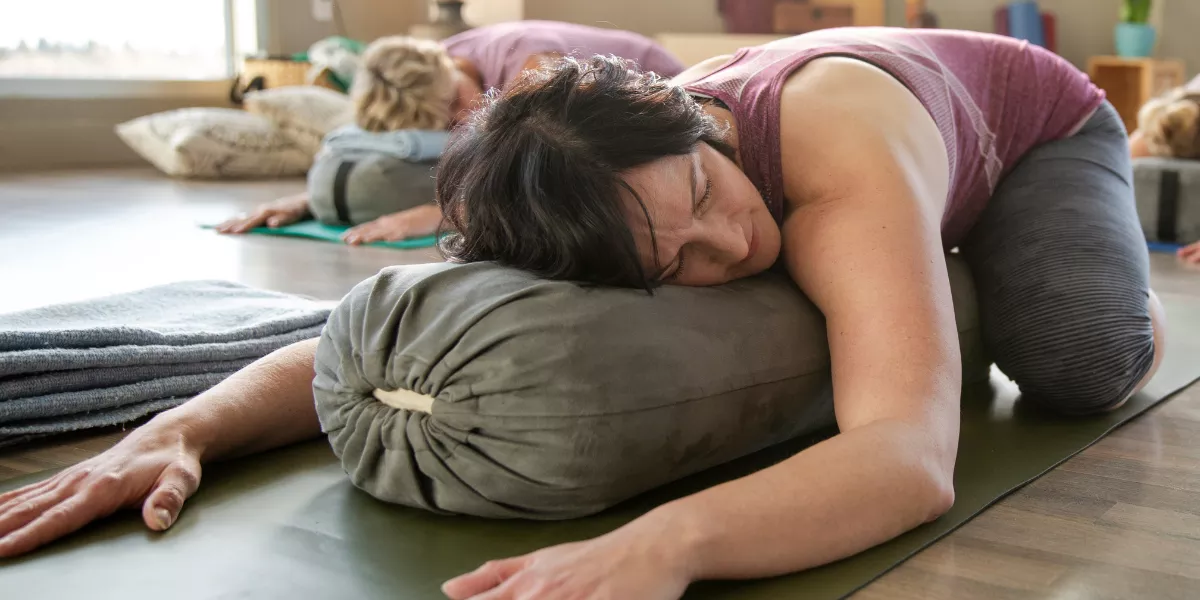
Some days my body feels heavy, as if gravity has decided to increase its pull just for me. Other days my muscles feel fine, but my mind drifts, struggles to focus, and resists even the simplest task. Over time, yoga helped me notice that not all exhaustion is the same. Mental fatigue and physical fatigue can look similar on the surface, yet they demand very different responses.
I learned this distinction the hard way by pushing through both types of fatigue with the same strategy. If I felt tired, I assumed I just needed more discipline, more effort, or a longer savasana at the end of class. That mindset left me drained and frustrated because I wasn’t addressing the real source of my exhaustion. Once I started paying attention to how my body and mind communicated, everything shifted.
Yoga has a unique way of revealing subtle differences in energy. The mat becomes a mirror, reflecting whether my muscles are overworked or my nervous system is overloaded. Through breath, movement, and stillness, I began to recognize which kind of fatigue I was carrying and what I truly needed in that moment.
What Physical Fatigue Feels Like In My Body
Physical fatigue announces itself clearly. My hamstrings tremble in Warrior II, my shoulders burn in Plank, and my legs feel like lead during a long hold in Chair Pose. It is tangible and often localized, making it easier to identify which muscle groups are asking for rest.
On physically demanding days, my body feels slow but grounded. The tiredness sits in my limbs rather than in my thoughts. I might yawn or crave sleep, yet my mind remains relatively steady and capable of focus.
After an intense flow or strength-based practice, physical fatigue comes with a certain satisfaction. My muscles feel used, my breath deepens naturally, and rest feels earned. This kind of exhaustion usually improves with proper sleep, hydration, nourishing food, and gentle stretching.
What Mental Fatigue Feels Like In My Mind And Nervous System
Mental fatigue is more elusive. My body might feel capable of movement, but my mind resists engagement. Simple decisions feel overwhelming, and I struggle to concentrate on cues during practice.
On days of mental exhaustion, my thoughts race or become foggy. I find it hard to stay present in poses I normally enjoy. Even a gentle flow can feel irritating because my nervous system is already overstimulated.
This type of fatigue often shows up after long hours of problem-solving, emotional stress, or constant digital stimulation. It doesn’t always improve with physical rest alone. In fact, pushing my body harder during mental fatigue sometimes makes the disconnect worse.
How Yoga Revealed The Difference
Yoga slowed me down enough to notice patterns. In physically tired states, I could still connect to my breath. The inhale and exhale felt steady, and my awareness remained anchored in my body.
During mental fatigue, my breath became shallow or uneven. I would catch myself holding it unconsciously, especially in challenging poses. My attention drifted away from the present moment, and frustration crept in more easily.
By observing these cues, I realized that the breath is often the clearest indicator. If my breath flows smoothly despite tired muscles, I am likely dealing with physical fatigue. If my breath feels strained or scattered even in simple movements, mental fatigue is probably at play.
The Role Of The Nervous System
Physical fatigue primarily involves the musculoskeletal system. Muscles break down slightly during exertion and need time to repair. That process is straightforward and supported by rest, nutrition, and recovery practices.
Mental fatigue, on the other hand, deeply involves the nervous system. Prolonged stress activates the sympathetic response, keeping the body in a state of alertness. Over time, this constant activation drains mental energy and makes it difficult to relax fully.
Yoga, particularly slower practices, supports the parasympathetic response. Gentle breathing exercises, longer exhalations, and restorative poses help signal safety to the body. I have found that addressing mental fatigue requires calming the nervous system more than challenging the muscles.
Signs I Am Dealing With Physical Fatigue
My body feels sore or stiff, especially after strength training or vigorous vinyasa sessions. I crave stretching, warmth, and sometimes a good night of uninterrupted sleep. Movement feels heavy but not emotionally overwhelming.
Another sign is predictable recovery. If I take a rest day or practice gentle yoga, my energy gradually returns. I feel physically stronger after recovery rather than more depleted.
My mood remains relatively stable during physical fatigue. I might feel tired, but I am not necessarily irritable or mentally scattered. That emotional steadiness helps me distinguish it from mental exhaustion.
Signs I Am Dealing With Mental Fatigue
I notice increased irritability and impatience. Small inconveniences feel disproportionately frustrating. My motivation drops even if my body has not been physically taxed.
Sleep may not feel restorative during mental fatigue. I can spend hours in bed and still wake up feeling drained. My thoughts continue looping, making true rest difficult.
Another clear sign is difficulty making decisions. Even choosing what to eat or what sequence to practice can feel overwhelming. That cognitive heaviness is different from the straightforward soreness of physical fatigue.
How I Modify My Yoga Practice For Physical Fatigue
When my body is physically tired, I lean into gentle movement. Slow flows, yin yoga, and longer warm-ups help increase circulation without overloading my muscles. I focus on stretching areas that feel tight while avoiding deep strain.
I also extend my savasana. Giving my body extra time to integrate the practice supports recovery. Sometimes I include light breathwork but keep it simple and natural.
Hydration and nutrition become priorities on these days. After practice, I make sure to refuel properly rather than jumping straight into the next task. That intentional care shortens recovery time and prevents lingering soreness.
How I Modify My Yoga Practice For Mental Fatigue
Mental fatigue calls for a different strategy. Instead of pushing through a dynamic sequence, I turn to restorative poses. Supported Child’s Pose, Legs Up the Wall, and gentle supine twists help quiet my mind.
Breathing practices become central. I often use lengthened exhalations or simple counted breaths to stabilize my focus. These techniques anchor my attention and reduce the scattered feeling in my head.
I also reduce external stimulation. Soft lighting, minimal music, and fewer complex transitions allow my nervous system to settle. After such sessions, I feel mentally clearer even if my body did very little work.
The Trap Of Mislabeling Fatigue
For a long time, I misinterpreted mental fatigue as laziness. I thought if my body felt fine, I should be able to power through a demanding practice. That mindset ignored the reality of nervous system overload.
Conversely, I sometimes assumed physical fatigue was a sign of weakness. Instead of resting, I added more intensity, believing that discipline would solve everything. That approach led to minor injuries and longer recovery periods.
Distinguishing between these two forms of exhaustion helped me respond with compassion rather than criticism. Yoga became less about proving something and more about listening carefully.
The Impact Of Daily Life
Modern life places significant strain on mental energy. Constant notifications, multitasking, and emotional demands can drain the mind long before the body feels tired. I notice that on days filled with screen time and meetings, my mental fatigue skyrockets.
Physical fatigue, in contrast, often arises from intentional activity. A long hike, a strength workout, or a vigorous class brings predictable tiredness. That type of fatigue feels purposeful and often satisfying.
Recognizing how daily habits contribute to each form of exhaustion allows me to plan better. If I anticipate a mentally demanding day, I schedule a calming practice rather than an intense one.
Breath As A Diagnostic Tool
The breath never lies. During physical fatigue, my breath may deepen naturally as my body seeks oxygen and recovery. It feels like a supportive ally.
During mental fatigue, my breath can become erratic or restricted. I might notice tightness in my chest or difficulty sustaining a slow rhythm. Paying attention to this subtle shift helps me adjust quickly.
Sometimes I begin practice unsure of what I need. A few minutes of conscious breathing usually clarifies the situation. If my breath settles easily, I can proceed with gentle movement. If it resists calmness, I know to slow down further.
Long-Term Effects Of Ignoring The Signs
Ignoring physical fatigue increases the risk of strain and injury. Muscles that are not given time to repair become weaker over time. I have felt this in my own body after pushing through soreness without adequate rest.
Ignoring mental fatigue carries different consequences. Chronic stress accumulates, affecting sleep, mood, and even immune function. My patience shortens, and creativity declines when I neglect this kind of exhaustion.
Yoga encourages sustainable practice. It teaches me that progress does not come from constant intensity. It emerges from balancing effort with recovery, both physically and mentally.
Integrating Both Types Of Rest
Some days I experience both mental and physical fatigue simultaneously. On those days, the practice becomes incredibly simple. Gentle stretches, extended savasana, and quiet breathing are enough.
Rest does not always mean doing nothing. It can mean shifting the quality of attention. Even a short, mindful session can restore balance more effectively than forcing a high-energy workout.
By honoring both forms of fatigue, I maintain consistency in my practice. Instead of oscillating between overexertion and burnout, I move in a steadier rhythm. That steadiness supports long-term growth.
Practical Tips I Follow
I check in with myself before stepping onto the mat. A brief pause to scan my body and mind provides valuable information. This habit prevents reactive decisions based on guilt or habit.
I vary my weekly routine. Intense sessions are balanced with restorative classes. Mental breaks are scheduled just as intentionally as physical workouts.
I also track patterns. If I notice repeated mental exhaustion after certain commitments, I reassess my boundaries. If my body feels constantly sore, I reconsider my training load.
A More Compassionate Perspective
Recognizing the difference between mental and physical fatigue has deepened my self-awareness. Instead of labeling myself as unmotivated or weak, I respond with curiosity. That shift alone reduces internal tension.
Yoga invites honesty. It asks me to feel what is actually happening rather than what I think should be happening. In that honesty, I find clarity about what I need on any given day.
Both types of fatigue are natural. They signal that energy has been spent and restoration is required. Listening to those signals transforms exhaustion from an enemy into a guide.
Mental fatigue and physical fatigue may feel similar at first glance, but they speak different languages. One whispers through aching muscles, while the other murmurs through a restless or foggy mind. By tuning into breath, mood, and bodily sensations, I have learned to hear those languages more clearly.
Responding appropriately does not mean doing less. It means doing what aligns with the current state of my body and mind. Through yoga, I have found a practical and compassionate way to navigate both forms of fatigue, allowing me to sustain my practice and my well-being for the long term.



The Long-Term Mindset of Strong Practitioners

Habit Stacking for Daily Yoga

How to Reignite a Stalled Practice

Mastering Patience in Skill-Based Poses

The 1% Better Method on the Mat

The 7-Day Reset Challenge

Yoga for Runners: Injury-Proof Your Stride

The Psychology of Showing Up Daily

Rebuilding Energy Without Overtraining

Ignite Your Energy with This Fast-Paced Sunrise Sequence

The Ladder Flow Method for Progressive Strength
