Performance
How Yoga Enhances Reaction Time

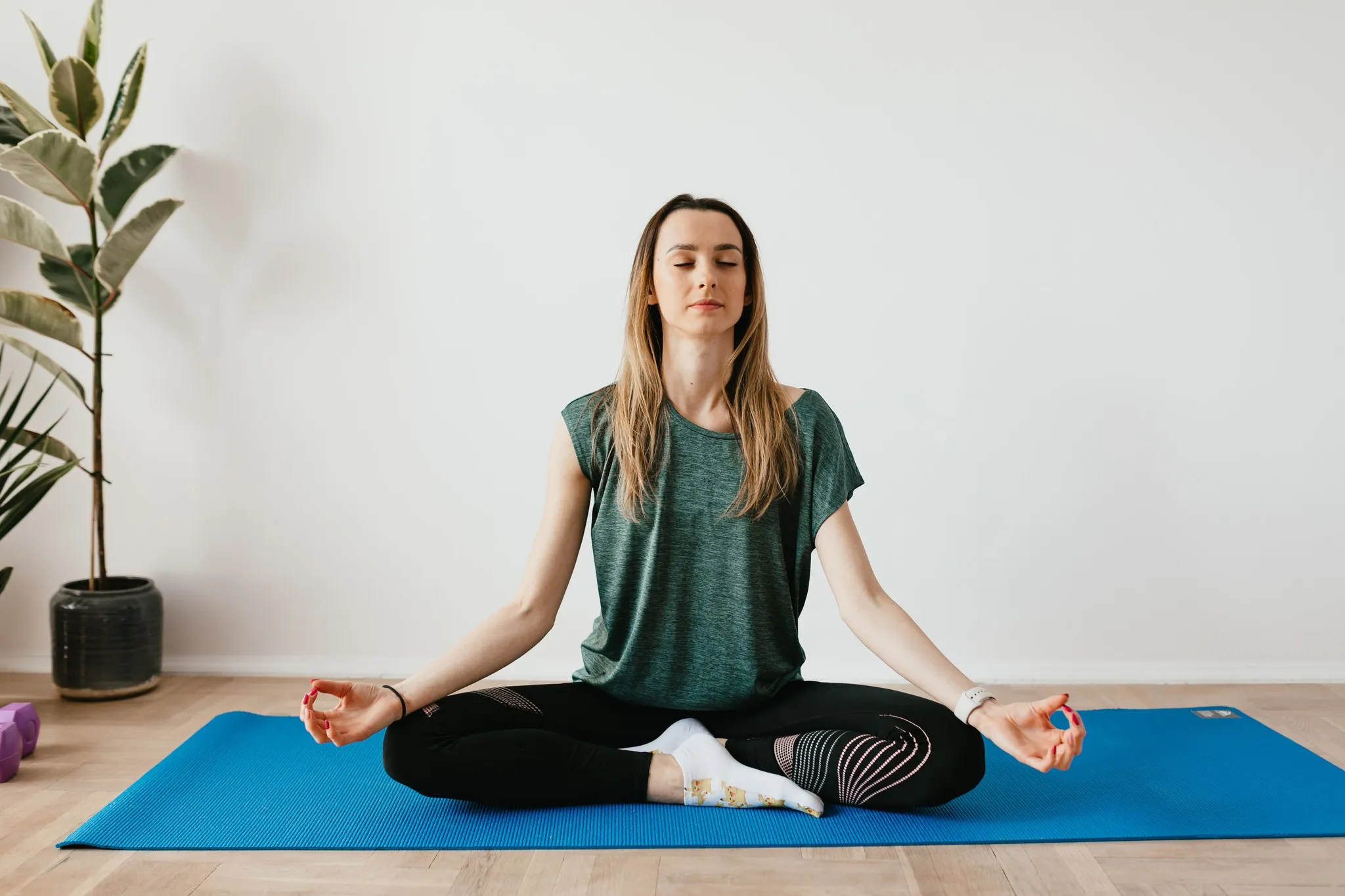
Reaction time shapes how we move through the world, whether we are catching a falling glass, braking in traffic, or responding to a sudden change during a workout. I began to notice how vital it was during moments that demanded quick decisions, and I was surprised by how often I reacted either too late or too tensely. Yoga gradually shifted that pattern for me, refining the space between stimulus and response in a way that felt both subtle and powerful.
Speed is often associated with explosive training, fast drills, and high-adrenaline activities. Yoga, on the other hand, looks calm and unhurried from the outside. Yet beneath its steady pace lies a deep recalibration of the nervous system, the muscles, and the mind. Through consistent practice, I experienced how deliberate movement and conscious breathing can sharpen reflexes rather than dull them.
The Link Between Breath and Neurological Speed
Breath is the first doorway yoga opened for me. I did not realize how shallow and erratic my breathing had been until I began practicing slow, rhythmic inhalations and controlled exhalations. Over time, that steady pattern influenced how quickly my brain processed external cues.
Reaction time is not just about muscle speed; it depends heavily on how efficiently the brain receives and interprets information. Breathwork, or pranayama, calms the sympathetic nervous system and reduces unnecessary tension. With less internal noise, signals travel more clearly, and responses become more precise. I found that when my breath was stable, I reacted faster because I was not fighting against stress.
A calm nervous system responds more efficiently than a frantic one. During moments of surprise, my body used to stiffen, which delayed my actions. After months of yoga breathing, I noticed I could stay relaxed even when something unexpected happened. That relaxed alertness shortened the gap between perception and action.
Balance Poses and Split-Second Adjustments
Standing on one leg in Tree Pose might not look like reaction training, but it challenges micro-adjustments constantly. The ankle shifts, the toes grip, and the hips realign to prevent tipping over. I could feel dozens of tiny corrections happening beneath the surface.
Balance postures train proprioception, the body’s awareness of its position in space. This internal feedback loop plays a major role in reaction time because it allows the body to adjust quickly without overthinking. When I improved my balance, I also improved how quickly I could respond to uneven ground or sudden directional changes.
Falling out of a pose became part of the process. Each wobble required a quick correction, and those corrections became faster with repetition. Instead of reacting with frustration, I learned to respond with fluidity. That shift carried into daily life, where I found myself catching missteps and adjusting posture more swiftly.
Flow Sequences and Cognitive Agility
Vinyasa sequences demand coordinated transitions from one pose to the next. Moving from Downward Dog to Warrior I requires timing, spatial awareness, and steady breath. I often had to process verbal cues from the instructor while aligning my body correctly.
This combination of listening, interpreting, and moving enhances cognitive agility. Reaction time improves when the brain practices translating instructions into physical movement quickly. I noticed that my ability to follow fast-paced instructions outside the studio also sharpened.
The rhythm of a flow class feels like a dance between anticipation and action. Predicting the next posture while staying grounded in the present builds mental flexibility. Instead of freezing when faced with a new sequence, I learned to adapt in real time. That adaptability shortened my hesitation in other physical activities.
Muscle Memory and Efficient Pathways
Repetition in yoga builds muscle memory, which reduces the time needed to execute a movement. The more often I practiced Sun Salutations, the less I had to consciously think about each step. My body seemed to know where to go before my mind finished forming the instruction.
Efficient neural pathways form through consistent practice. When movements become ingrained, the reaction becomes automatic rather than delayed by analysis. I felt this shift clearly during sports, where I could pivot or reach more instinctively.
Muscle memory also reduces the risk of overcorrection. Before yoga, I sometimes reacted too dramatically to small disturbances, which slowed me down. With greater body awareness, my responses became streamlined and economical. That efficiency translated directly into faster, smoother reactions.
Flexibility and Reduced Physical Resistance
Tight muscles create resistance, and resistance slows reaction time. If the body cannot move freely, even the fastest neural signal will meet physical limitation. Yoga gradually loosened areas of stiffness I did not even know I carried.
Improved flexibility allows for quicker range of motion. I realized that my hamstrings and hips had been restricting how fast I could change direction. After consistent stretching, I felt lighter and more responsive.
Mobility also influences confidence. When I trust that my joints can move safely, I react without hesitation. That lack of hesitation trims crucial milliseconds off my response time. The body and mind move as a cohesive unit rather than negotiating with tightness.
Mental Focus and Reduced Distraction
Reaction time depends on attention. If the mind wanders, the body lags behind. Yoga trained me to notice distractions without being pulled away by them.
During meditation and still poses, I practiced returning my attention to breath and sensation. This repetitive act strengthened my ability to concentrate under pressure. I found that in busy environments, I could filter out irrelevant noise more effectively.
Focused awareness creates readiness. Instead of being scattered, I felt centered and alert. That state of calm vigilance allowed me to detect changes in my environment faster and respond with clarity.
Stress Regulation and Faster Decision-Making
Chronic stress clouds judgment and slows cognitive processing. Yoga’s impact on stress levels was one of the most noticeable changes in my life. My baseline tension decreased, and with it, my mental fog.
When stress hormones surge, reaction time can become erratic. The body may overreact or freeze entirely. Through steady practice, I learned how to regulate that stress response.
With a balanced nervous system, decisions feel cleaner and more immediate. I experienced fewer moments of panic and more moments of composed action. This composure is a hidden accelerator of reaction time because it removes the drag of fear and doubt.
Coordination Between Mind and Body
Yoga weaves mental intention with physical execution. In poses like Warrior III, concentration and muscle engagement must align perfectly. If either falters, the pose collapses.
That integration strengthens the communication between brain and body. Reaction time improves when signals travel smoothly without interference. I began to feel a stronger connection between what I intended and what my body did.
The gap between thought and movement shortened. I no longer felt like I was issuing commands to a distant body. Instead, action followed intention almost seamlessly, which is essential for quick responses.
The Role of Peripheral Awareness
Peripheral awareness is often overlooked in discussions about reaction time. Yoga encourages a soft gaze, especially during standing and balancing poses. I learned to expand my awareness beyond a single focal point.
This expanded perception helped me detect movement at the edges of my vision more quickly. Reaction time improved because I was not hyper-focused on one detail while missing the broader picture. My awareness became panoramic rather than narrow.
In daily life, this translated to better spatial awareness in crowded areas. I could sense approaching movement and adjust before collision became likely. That subtle vigilance is one of yoga’s quiet gifts.
Body Alignment and Efficient Movement Patterns
Poor alignment wastes energy and delays movement. Through yoga, I became aware of habitual patterns that slowed me down, such as collapsed shoulders or uneven weight distribution. Correcting these patterns streamlined how I moved.
Aligned joints allow muscles to fire more efficiently. I felt this most during transitions from seated to standing positions. Movements that once felt clumsy became smooth and immediate.
Efficiency reduces lag. When the body is stacked correctly, it can respond without compensating. That structural integrity enhances reaction time by removing unnecessary steps in the movement process.
Mindfulness and Anticipation
Mindfulness is often associated with stillness, but it also sharpens anticipation. By being fully present, I became more attuned to subtle cues that precede larger events. A slight shift in someone’s posture or a faint sound often signaled what was coming next.
Anticipation is closely linked to reaction speed. The earlier the brain detects a pattern, the faster the body can respond. Yoga cultivated a habit of paying attention to nuance.
Instead of reacting purely after an event occurred, I began responding at the earliest sign of change. That proactive awareness gave me a noticeable edge in physical activities and daily interactions.
Recovery Time and Sustained Performance
Reaction time is not just about the first response but also about how quickly the body resets for the next one. Yoga improved my recovery between movements. My breath stabilized faster, and my muscles relaxed more quickly after exertion.
Faster recovery supports consistent responsiveness. During longer activities, I maintained sharper reactions because I was not accumulating as much fatigue. The steady rhythm of yoga trained my system to bounce back efficiently.
Endurance and reaction time are deeply connected. A fatigued body reacts slowly, while a well-conditioned one maintains speed. I found that yoga enhanced both aspects simultaneously.
Emotional Regulation and Clear Responses
Emotions influence reaction time more than many people realize. Anger, anxiety, or frustration can either accelerate or distort responses. Yoga gave me tools to observe emotional surges without being overwhelmed.
By cultivating emotional balance, I reduced impulsive reactions. Clear responses replaced knee-jerk reactions. That clarity often resulted in faster yet more accurate actions.
Emotional regulation creates stability. Stable internal conditions support reliable reaction times. Instead of fluctuating between extremes, my responses became steady and dependable.
Bringing It All Together
Yoga enhances reaction time through a network of interconnected changes rather than a single mechanism. Breath steadies the nervous system, balance sharpens proprioception, flexibility removes resistance, and mindfulness refines attention. Each layer reinforces the others.
I did not notice dramatic changes overnight. Progress revealed itself gradually through small moments, such as catching a slipping object with surprising ease or adjusting quickly during a fast-paced workout. Those moments accumulated into a deeper trust in my responsiveness.
The practice reshaped how I inhabit my body. Reaction time no longer feels like a frantic scramble but a fluid extension of awareness. Yoga taught me that speed does not have to be aggressive or tense. True quickness arises from calm clarity, coordinated movement, and a mind that is both relaxed and alert.
That blend of serenity and readiness continues to shape how I move through life. Whether navigating busy streets, engaging in sports, or simply responding to daily surprises, I feel equipped with a responsive system that works with me rather than against me. Yoga has become more than a flexibility routine; it is a training ground for sharper reflexes and deeper presence.



The Long-Term Mindset of Strong Practitioners

Habit Stacking for Daily Yoga

How to Reignite a Stalled Practice

Mastering Patience in Skill-Based Poses

The 1% Better Method on the Mat

The 7-Day Reset Challenge

Yoga for Runners: Injury-Proof Your Stride

The Psychology of Showing Up Daily

Rebuilding Energy Without Overtraining

The Ladder Flow Method for Progressive Strength

Balance Training for Performance Gains