Discipline
How to Stay Committed When Results Slow Down

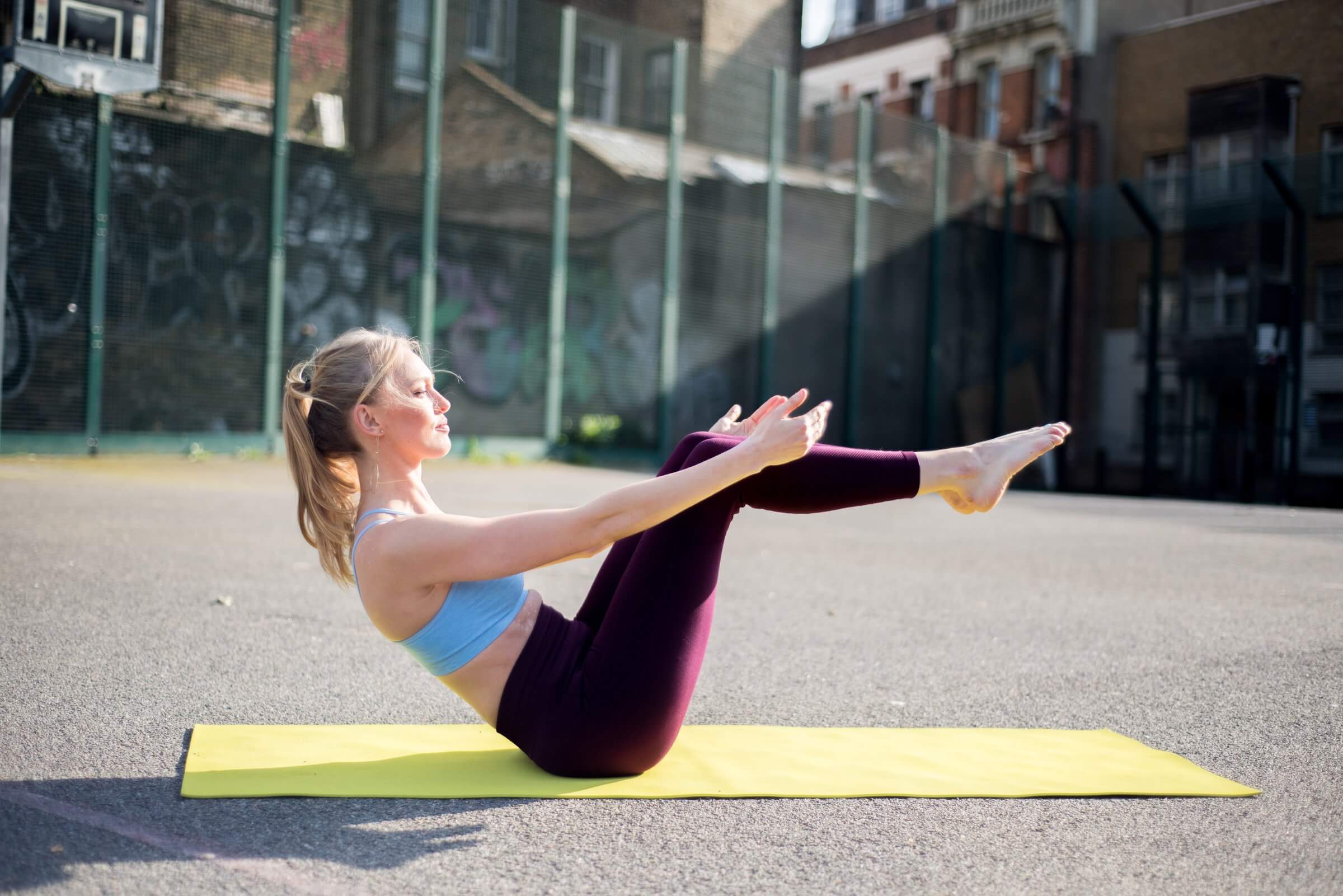
Progress in yoga rarely moves in a straight line. Some weeks I feel open, strong, and balanced, and other weeks my body feels stubborn and heavy. The poses that once felt expansive can suddenly feel tight again, and the motivation that carried me forward seems to fade into the background. Staying committed during those slower seasons has become one of the most important lessons in my practice.
Fast results are exciting. They make it easy to show up on the mat because each session feels like a step forward. Slower progress demands something deeper. It asks for patience, self-honesty, and a willingness to continue even when the mirror, the scale, or the depth of a pose does not offer applause.
The Illusion Of Constant Progress
Yoga culture sometimes paints a picture of steady transformation. Photos of perfect arm balances and deep backbends flood social media, and it can seem like progress is always visible and dramatic. In reality, most of my growth has happened in quiet, nearly invisible ways.
There have been months when my flexibility barely changed. My hamstrings felt the same, my shoulders resisted deeper stretches, and I wondered if I had hit a ceiling. Yet during that time, my breath became steadier, my reactions off the mat softened, and my awareness sharpened. Those subtle shifts did not photograph well, but they shaped my practice in profound ways.
Recognizing that progress is not always physical has helped me stay committed. The illusion of constant upward movement dissolves once I accept that growth often hides beneath the surface. Slow seasons are not failures; they are part of a larger rhythm.
Redefining What Results Mean
Results once meant touching my toes with straight legs or holding Crow Pose without wobbling. Over time, I realized that tying my commitment to visible milestones made my motivation fragile. If the milestone moved further away or stopped advancing, so did my enthusiasm.
Now I define results more broadly. Results can be showing up even when I feel tired. Results can be staying with my breath during a challenging sequence instead of rushing through it. Results can be noticing judgment arise and gently letting it go.
This shift in perspective changed everything. When results include internal shifts, the practice always offers something. Even on days when my body feels stiff, I can walk away knowing I strengthened my discipline or deepened my awareness.
Building A Practice Rooted In Identity
Motivation fluctuates, but identity runs deeper. I no longer rely solely on feeling inspired to step onto my mat. Instead, I remind myself that I am someone who practices yoga, regardless of how impressive or unimpressive my poses look that day.
This identity-based approach carries me through plateaus. If I am a person who practices, then practice is simply what I do. It becomes less about chasing outcomes and more about living in alignment with who I believe I am.
On days when results feel stagnant, I lean into that identity. I roll out my mat not because I expect breakthroughs but because consistency defines my relationship with yoga. Over time, this steady repetition builds resilience that outlasts temporary dips in progress.
Accepting The Natural Rhythm Of Growth
Bodies adapt in cycles. Muscles strengthen, then consolidate. Flexibility increases, then stabilizes. Energy rises and falls based on sleep, stress, and countless other factors. Expecting linear improvement ignores how human systems actually function.
Accepting this rhythm has softened my frustration. Instead of interpreting slow results as personal shortcomings, I see them as phases. A plateau is often a period of integration, where previous gains settle into my nervous system and tissues.
During these slower phases, I remind myself that stillness can be productive. Just because growth is not obvious does not mean it has stopped. Trusting the process requires faith, but that faith grows stronger each time I witness a breakthrough after a quiet stretch.
Returning To The Breath
Whenever I feel discouraged, I return to the simplest anchor in my practice: my breath. Breath does not demand flexibility or strength. It only asks for attention.
Inhaling deeply and exhaling fully reconnects me to the present moment. The future result I am chasing loses its grip, and the current experience becomes enough. That shift from outcome to experience helps dissolve the tension I place on myself.
Breath also reminds me that yoga extends beyond poses. The steadiness I cultivate through pranayama influences how I handle stress, conflict, and uncertainty. Even if my handstand does not improve, a calmer nervous system is a powerful result in itself.
Setting Process-Based Goals
Outcome-based goals can feel heavy when progress slows. If my only aim is to master a specific pose by a certain date, any delay feels like failure. Process-based goals offer a more sustainable framework.
Instead of focusing solely on achieving a deeper backbend, I set intentions around consistency and quality. I might commit to practicing four times a week or to holding each pose for five steady breaths. These goals are within my control.
When I measure success by effort rather than outcome, I regain a sense of agency. I cannot force my hamstrings to lengthen overnight, but I can commit to regular practice. That commitment becomes the true marker of progress.
Embracing Discomfort Without Drama
Slow results often bring discomfort, not just physically but emotionally. Frustration creeps in, comparison intensifies, and self-doubt whispers that perhaps I have reached my limit. Rather than pushing those feelings away, I have learned to sit with them.
On the mat, discomfort is familiar territory. Holding a challenging pose teaches me how to stay steady even as my muscles tremble. The same principle applies to emotional discomfort about progress.
Instead of dramatizing a plateau, I observe it. I notice the stories my mind creates and gently question them. This practice of non-reactivity strengthens my mental resilience, which ultimately supports long-term commitment.
Avoiding The Comparison Trap
Comparison can drain motivation faster than any physical plateau. Watching others advance quickly can make my own steady pace feel inadequate. I have fallen into this trap more times than I would like to admit.
Social media magnifies this tendency. Carefully curated images showcase peak moments, not the months of slow, quiet work behind them. Reminding myself of this reality helps me step back from unrealistic comparisons.
My body, history, and circumstances are unique. Progress unfolds according to those factors, not someone else’s timeline. Staying committed means honoring my path rather than measuring it against another person’s highlight reel.
Revisiting My Original Intention
Whenever results slow down, I ask myself why I began practicing yoga in the first place. My original intention was not to perfect advanced poses. It was to feel more grounded, less reactive, and more connected to myself.
Revisiting that intention reorients my focus. If I still feel more centered after practice, then yoga is fulfilling its purpose. Physical milestones become secondary to the deeper benefits that drew me in.
Intentions act as a compass during discouraging periods. They remind me that the heart of my practice lies in presence and growth, not external validation. Staying connected to that truth keeps me returning to my mat.
Creating Gentle Accountability
Commitment strengthens when supported by structure. For me, that structure sometimes comes from a class schedule, a teacher I respect, or a small community of fellow practitioners. Gentle accountability helps me show up even when enthusiasm dips.
Sharing goals with a trusted friend adds another layer of support. We check in about our practices, celebrate consistency, and acknowledge challenges without judgment. This shared journey makes slower seasons feel less isolating.
Accountability does not need to be rigid or harsh. It can be compassionate and flexible. The goal is not perfection but continuity, and having others reflect that back to me reinforces my dedication.
Celebrating Small Wins
During slow periods, I make a deliberate effort to notice small improvements. Perhaps my balance wavers less in Tree Pose, or my transitions feel smoother. These subtle gains can be easy to overlook.
By consciously acknowledging them, I train my mind to see progress rather than absence. This shift in focus fuels motivation in a sustainable way. It prevents me from dismissing meaningful changes simply because they are not dramatic.
Celebrating small wins also builds confidence. Each minor improvement becomes evidence that effort matters. Over time, these tiny steps accumulate into substantial growth.
Allowing Rest Without Quitting
Sometimes slow results signal genuine fatigue. Pushing harder is not always the answer. There have been periods when my body needed rest more than intensity, and recognizing that difference has been essential.
Rest does not mean abandonment. It means adjusting the volume of my practice to align with my current capacity. A restorative session or a shorter flow can maintain consistency without overwhelming my system.
Distinguishing between temporary discouragement and true burnout takes honesty. By listening carefully to my body and mind, I can rest strategically without drifting away from my commitment altogether.
Trusting The Long View
Yoga is a lifelong practice. A few weeks or even months of slow progress mean little in the grand scheme. Taking the long view helps me contextualize temporary plateaus.
I think about where I was a year ago, not just last week. The cumulative effect of consistent practice becomes clear when I zoom out. Flexibility has improved, strength has increased, and my relationship with myself has deepened.
Trust grows with perspective. Slow seasons feel less threatening when I remember how many times progress resumed after a lull. Patience becomes easier when I see the bigger picture.
Letting The Practice Shape Me
Over time, commitment has become less about achieving results and more about who I become through the process. Yoga has taught me discipline, humility, and compassion. Those qualities extend far beyond the mat.
When results slow down, I remind myself that character development continues. Each time I choose to show up despite frustration, I strengthen my resilience. Each time I respond to stagnation with patience, I cultivate maturity.
The practice shapes me in ways that transcend physical milestones. That realization transforms slow periods from obstacles into opportunities. They become training grounds for perseverance and trust.
Staying committed when results slow down is not about forcing breakthroughs. It is about honoring the rhythm of growth, redefining success, and anchoring motivation in something deeper than visible change. By returning to my breath, revisiting my intention, and celebrating quiet progress, I maintain a steady relationship with my practice.
Yoga continues to teach me that progress is not always loud. Sometimes it whispers through subtle shifts in awareness and resilience. Remaining committed during those whispers has become one of the most rewarding aspects of my journey, and it reminds me that true transformation unfolds in its own time.



The Long-Term Mindset of Strong Practitioners

Habit Stacking for Daily Yoga

How to Reignite a Stalled Practice

Mastering Patience in Skill-Based Poses

The 1% Better Method on the Mat

The 7-Day Reset Challenge

Yoga for Runners: Injury-Proof Your Stride

The Psychology of Showing Up Daily

Rebuilding Energy Without Overtraining

Ignite Your Energy with This Fast-Paced Sunrise Sequence

The Ladder Flow Method for Progressive Strength
