Mobility
How to Improve Thoracic Rotation Safely

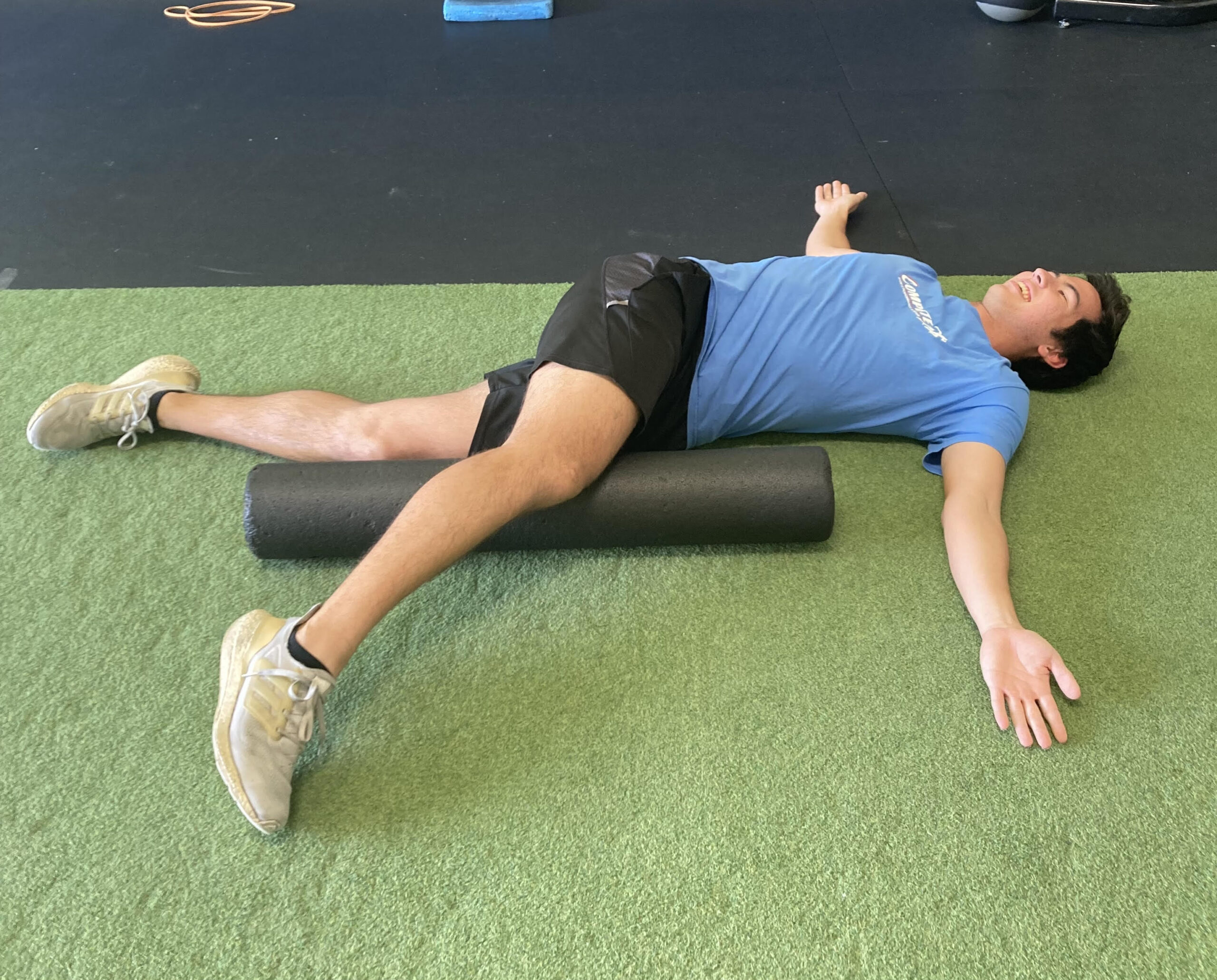
Thoracic rotation has changed the way I move on and off the mat. It affects how I twist in yoga, how I reach for objects, how I sit at my desk, and even how I breathe. The mid-back is designed to rotate, yet many of us try to squeeze that movement out of the lower back or shoulders instead. Over time, that compensation leads to stiffness, discomfort, and inefficient movement patterns.
I began paying closer attention to my thoracic spine after noticing that my twists felt forced. My lower back would grip, my neck would strain, and my breath would shorten. Once I shifted my focus to mobilizing the mid-back safely, everything started to feel more spacious. My twists deepened naturally, and my spine felt supported rather than compressed.
Improving thoracic rotation safely is not about pushing harder into twists. It is about creating space, building awareness, and strengthening the muscles that control rotation. In this article, I will share how I work on thoracic mobility in a way that supports long-term spinal health.
Why Thoracic Rotation Matters
The thoracic spine sits between the cervical spine in the neck and the lumbar spine in the lower back. It is attached to the rib cage, which gives it both stability and the capacity for rotation. This region is built for turning, yet modern habits like prolonged sitting reduce its natural mobility.
When thoracic rotation is limited, the body looks for movement elsewhere. The lower back often becomes the victim, twisting more than it should. The shoulders and neck also compensate, leading to tension and discomfort. I have seen this pattern in myself and in students who complain about tightness in the upper back but feel pain in the lumbar region.
Healthy thoracic rotation improves posture, breathing, and overall movement efficiency. Twists in yoga feel smoother and less forced. Everyday actions such as driving, walking, or reaching across the body become more fluid. Working on this area pays off in ways that extend far beyond the mat.
How I Assess My Thoracic Mobility
Before I try to increase rotation, I check in with where I am. One of my favorite assessments is a simple seated twist. I sit tall on the floor or on a block, cross my arms over my chest, and gently rotate to one side. I notice whether the movement feels evenly distributed or if I sense strain in the lower back.
Another helpful check is a quadruped rotation. On hands and knees, I place one hand behind my head and rotate the elbow toward the ceiling. I pay attention to whether my hips shift or my lower back arches to create the motion. If I see those compensations, I know my thoracic spine needs more targeted work.
These small assessments guide my practice. They help me focus on quality rather than range. Instead of chasing a deeper twist, I prioritize clean, controlled movement.
Creating Stability Before Mobility
Mobility without stability can lead to strain. I learned this lesson after pushing into deep twists without strengthening the muscles that support the spine. My mid-back felt loose for a while, but my lower back began to ache. That experience taught me to build strength alongside flexibility.
I start with exercises that activate the deep core and the muscles around the shoulder blades. Plank variations, side planks, and controlled bird dogs help me connect to my center. These movements create a stable base so that rotation happens where it is supposed to.
Strengthening the mid-back is equally important. I include rows with resistance bands, prone Y and T raises, and gentle back body engagement work. When the muscles that support the thoracic spine are active, rotation feels more controlled and less risky.
Breath as a Tool for Rotation
The rib cage is directly connected to the thoracic spine. Breath becomes one of the most powerful tools for improving rotation safely. Shallow breathing keeps the ribs stiff, while full diaphragmatic breathing encourages expansion.
I practice lateral breathing to increase mobility in the ribs. Lying on my side with a hand on my upper ribs, I inhale into that space and feel the ribs widen. On the exhale, I soften without collapsing. This simple exercise helps unlock areas that feel stuck.
In twists, I coordinate movement with breath. I lengthen the spine on the inhale and rotate gently on the exhale. This rhythm prevents me from forcing the twist. The breath guides the depth, making the practice feel sustainable.
Gentle Mobility Drills That Work
I rely on a few consistent drills to improve thoracic rotation. Open book stretches are one of my favorites. Lying on my side with knees bent, I extend one arm forward and then arc it open toward the floor behind me. I keep my knees stacked to avoid twisting through the lower back.
Thread the needle in tabletop is another staple. From hands and knees, I slide one arm under my chest and rotate through the upper back. I move slowly and focus on the sensation between the shoulder blades. The goal is not to drop the shoulder heavily but to create smooth, controlled rotation.
Seated rotations with a block between the thighs also help. The block keeps the hips stable, so the movement stays in the thoracic spine. I sit tall, lengthen upward, and rotate with awareness. These drills may look simple, but they build a strong foundation.
Integrating Rotation Into Yoga Poses
Once I warm up with drills, I bring that awareness into yoga poses. In revolved lunges, I focus on lifting the chest before twisting. That small adjustment keeps the rotation in the mid-back rather than collapsing into the lower spine.
In seated twists like Ardha Matsyendrasana, I press evenly through both sitting bones. I imagine the twist spiraling upward from the base of the rib cage. If I feel my lower back gripping, I ease out slightly and reconnect with my breath.
Even in standing poses such as Warrior II and Triangle, I explore gentle rotation. Subtle movements in the rib cage help distribute the effort. The more I practice mindful rotation in various postures, the more natural it becomes.
Common Mistakes I Avoid
One of the biggest mistakes I used to make was forcing the end range of a twist. I thought deeper always meant better. That mindset led to tightness and occasional discomfort in my lower back.
Another common issue is neglecting hip stability. If the hips are unstable, the pelvis rotates excessively, and the lumbar spine takes on too much motion. I keep my hips steady and allow the thoracic spine to do its job.
Rushing through mobility drills is also counterproductive. Slow, controlled repetitions are far more effective than quick, careless movements. I treat each rotation as an opportunity to refine awareness.
Using Props for Safer Progress
Props have become valuable allies in my practice. Blocks under the hand in twisted lunges create space and reduce strain. Bolsters and blankets support restorative twists that gently encourage rotation without force.
A foam roller placed along the spine helps improve extension, which supports better rotation. I lie back with the roller lengthwise and open my arms to the sides. This position encourages the chest to expand and frees up the mid-back.
Resistance bands add strength to rotation work. Standing band rotations teach the body to control movement under load. These tools make the process safer and more effective.
Progressing Gradually
Improving thoracic rotation is not a race. I measure progress in how my body feels rather than how far I can twist. Some days the movement feels open and fluid, while other days it feels restricted. I respect those fluctuations instead of pushing through them.
Consistency has been more important than intensity. Short, regular sessions of mobility and strength work produce better results than occasional aggressive stretching. Over time, the changes become noticeable in both practice and daily life.
Tracking subtle improvements keeps me motivated. I notice smoother transitions between poses and less tension in my neck and shoulders. These small wins remind me that patience pays off.
How Thoracic Rotation Supports Overall Health
The benefits of improved thoracic rotation extend beyond flexibility. Better mobility in the mid-back supports efficient breathing. With the ribs moving freely, each breath feels deeper and more expansive.
Posture also improves. I sit taller without effort, and my shoulders rest more naturally. Reduced strain in the lower back and neck makes everyday tasks more comfortable.
Even athletic performance can improve. Rotational power in activities like running, swimming, or lifting depends on a mobile thoracic spine. Safe, steady work in this area builds resilience for many types of movement.
Final Thoughts on Moving With Care
Thoracic rotation has become a central focus in my yoga journey because it influences so many aspects of movement. Instead of chasing extreme twists, I prioritize alignment, breath, and stability. That shift has made my practice feel sustainable and nourishing.
Working on this area requires patience and attention. Gentle drills, strength work, and mindful integration into poses create lasting change. The spine responds well to thoughtful, consistent care.
A safer approach to thoracic rotation has given me more freedom on the mat and in daily life. My twists feel spacious rather than forced, and my back feels supported instead of strained. By respecting the body’s design and moving with awareness, I continue to build mobility that lasts.



The Long-Term Mindset of Strong Practitioners

Habit Stacking for Daily Yoga

How to Reignite a Stalled Practice

Mastering Patience in Skill-Based Poses

The 1% Better Method on the Mat

The 7-Day Reset Challenge

Yoga for Runners: Injury-Proof Your Stride

The Psychology of Showing Up Daily

Rebuilding Energy Without Overtraining

The Ladder Flow Method for Progressive Strength

Balance Training for Performance Gains