Flow
How to Add Athletic Drills Into Your Yoga Flow

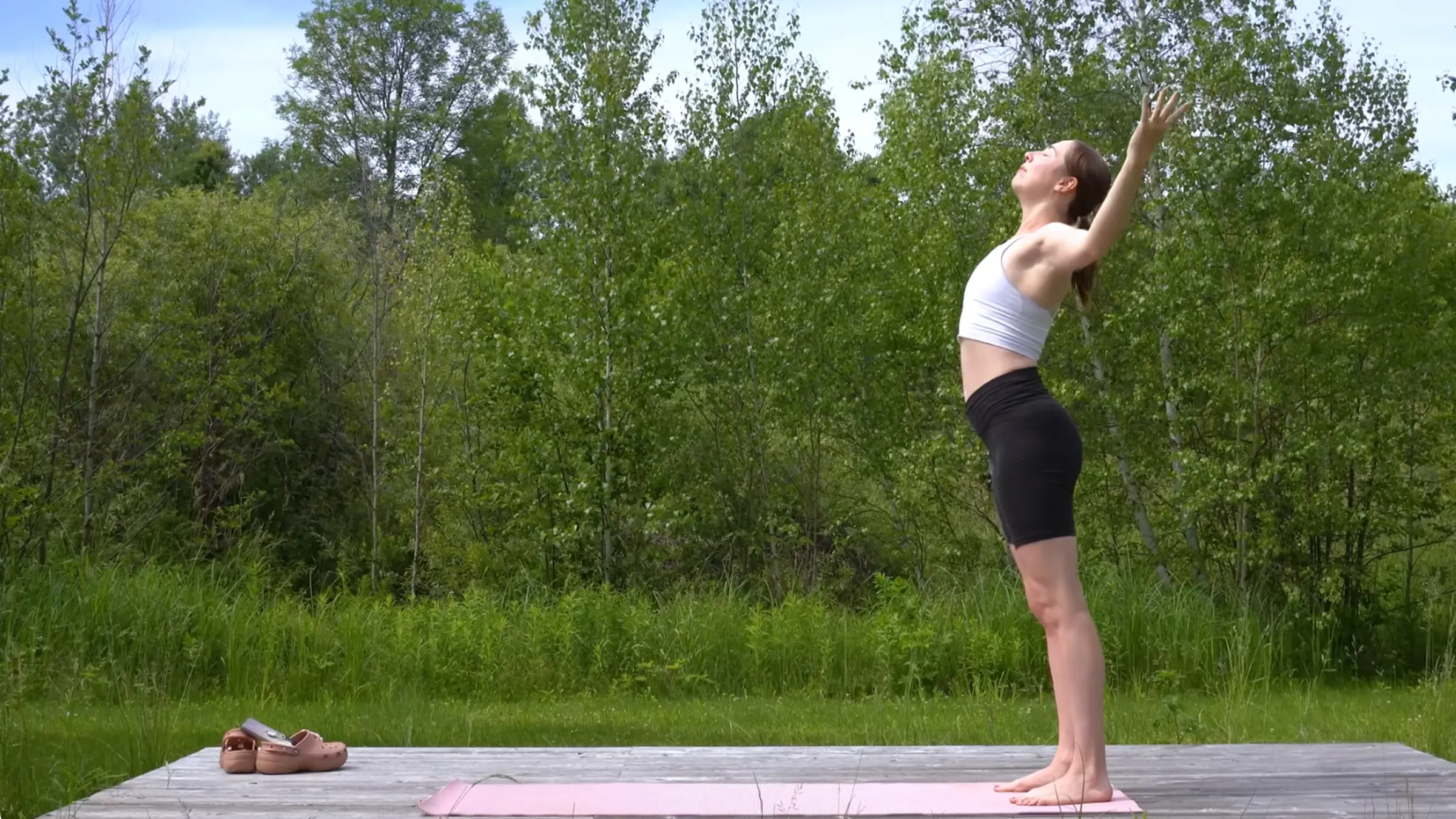
Yoga has always been my anchor, but over the years I started craving a little more fire in my practice. I loved the grounding breathwork and long holds, yet I also wanted the kind of intensity that leaves my legs shaking and my heart pounding. That curiosity led me to blend athletic drills into my yoga flow, and the result transformed the way I move on and off the mat. The combination builds strength, power, coordination, and endurance without sacrificing the mindfulness that drew me to yoga in the first place.
Blending athletic drills with yoga is not about turning a flow into boot camp. It is about weaving short bursts of dynamic movement into a sequence that already emphasizes control and breath. I have found that this approach keeps my practice exciting while sharpening my focus. The athletic elements amplify the benefits of yoga rather than competing with them.
Over time, I noticed my balance improved, my transitions became lighter, and my stamina increased. Athletic drills forced me to move with intention while maintaining alignment. They challenged my stability in ways static holds never could. Instead of rushing through poses, I began to explore how power and precision can exist in the same breath.
Why Athletic Drills Belong In A Yoga Flow
Yoga builds mobility and stability, but athletic drills add explosiveness and resilience. When I integrate movements like squat jumps or lateral hops, I train my muscles to respond quickly and efficiently. That responsiveness translates into stronger chaturangas, steadier arm balances, and more confident inversions. The drills help bridge the gap between flexibility and functional strength.
Another reason I love this blend is the cardiovascular boost. Traditional vinyasa can elevate the heart rate, but adding structured bursts of high-intensity movement pushes endurance to a new level. I feel my lungs expand more fully and my breath deepen faster. That challenge makes savasana feel profoundly earned.
Injury prevention has also improved in my own body. Athletic drills strengthen connective tissues and build joint stability, especially around the knees, hips, and shoulders. Instead of relying solely on passive range of motion, I actively train my body to support itself through dynamic patterns. That stability carries into daily life, whether I am climbing stairs or carrying groceries.
Starting With A Strong Foundation
Before adding any athletic component, I make sure my foundational poses feel solid. My squats must track properly, my planks must feel stable, and my lunges must be aligned. Athletic drills amplify whatever patterns already exist, so clean mechanics matter. If my knees collapse inward during a simple chair pose, adding jump squats would only reinforce that imbalance.
I begin each session with a thorough warm-up that blends mobility and activation. Sun salutations serve as a natural bridge between stillness and motion. I move slowly at first, focusing on engaging my core and stabilizing my shoulders. Only after I feel heat building do I introduce more explosive movements.
Breath remains my guide. Even during high-intensity drills, I coordinate inhales and exhales with effort. The breath keeps the practice grounded and prevents the athletic segments from feeling chaotic. Instead of separating yoga and conditioning, I let them inform each other.
Lower Body Power In The Flow
Lower body drills integrate beautifully into standing sequences. One of my favorite combinations starts in chair pose. I sink deep, engage my glutes, and then transition into controlled squat jumps for eight to ten repetitions. After that burst, I return to chair pose and hold, noticing how much more alive my legs feel.
High lunge is another powerful entry point. From a stable lunge, I add split lunges or jumping lunges, keeping my torso upright and core engaged. The key is landing softly, absorbing impact through the hips rather than the knees. Once the repetitions are complete, I flow back into warrior poses and feel the strength radiate through my stance.
Lateral drills also enhance balance. I sometimes weave skater hops between warrior two and extended side angle. The side-to-side movement strengthens the outer hips and challenges coordination. When I return to a static pose, I sense greater control and awareness in my lower body.
Core Integration Beyond Static Planks
Yoga already offers powerful core work, but athletic drills take it further. Instead of holding plank for a full minute, I might add plank shoulder taps or mountain climbers in short intervals. These movements force the core to stabilize against shifting weight. The result is a deeper connection to the midline.
Boat pose becomes even more dynamic with flutter kicks or alternating toe taps. I keep my spine long and chest lifted while adding small, controlled movements. The intensity builds quickly, yet the focus remains steady. After a set, holding boat pose feels stronger and more stable.
Rotational drills also deserve attention. I incorporate standing torso rotations with a light medicine ball or even just clasped hands. Twisting with power trains the obliques and improves coordination. That strength shows up in revolved poses where balance and control are essential.
Upper Body Strength And Stability
Chaturanga is often the benchmark for upper body strength in yoga, and athletic drills can elevate it. I like to add push-up variations, such as tempo push-ups or plyometric push-ups, between vinyasas. These drills build pressing power and shoulder resilience. Returning to chaturanga afterward feels noticeably more controlled.
Bear crawls and crab walks also integrate seamlessly into transitions. Moving forward and backward across the mat challenges coordination and shoulder stability. The core fires constantly to keep the hips from sagging. After crawling, even a simple downward dog feels more spacious and supported.
For those working toward arm balances, short bursts of crow hops can build confidence. I practice gently lifting one foot at a time, then both, in controlled repetitions. The repetition develops familiarity with weight shifting. Over time, the fear decreases and the hold becomes steadier.
Structuring A Balanced Sequence
Balance is crucial so the practice does not become overwhelming. I typically alternate between strength bursts and slower, grounding poses. For example, after a round of jump lunges, I flow into triangle pose to stretch and recalibrate. This rhythm prevents fatigue from compromising alignment.
I also limit high-intensity intervals to 20 to 40 seconds at a time. Short bursts maintain power without draining the nervous system. Rest periods take the form of mindful holds rather than complete stillness. The transition keeps the heart rate elevated while allowing recovery.
Cooling down remains essential. After athletic segments, I spend time in deep hip openers, forward folds, and gentle twists. This helps release tension and bring the breath back to a steady rhythm. Skipping this phase would leave the body overstimulated and tight.
Safety And Smart Progressions
Athletic drills demand respect. I always prioritize form over speed and intensity. If fatigue begins to compromise alignment, I reduce the repetitions or switch to a lower-impact variation. Protecting the joints matters more than chasing exhaustion.
Progression happens gradually. I might begin with step-back lunges before attempting jumping lunges. I start with knee push-ups before moving to full plyometric versions. Building capacity over time prevents setbacks and keeps motivation high.
Listening to my body guides everything. Some days call for explosive movement, while others require a gentler pace. Integrating athletic drills does not mean abandoning intuition. The practice remains adaptable and responsive.
Mental Focus And Athletic Intensity
The mental component surprised me the most. Athletic drills require sharp concentration to coordinate timing, breath, and balance. During a set of squat jumps, my mind cannot wander. That intensity sharpens awareness in a different way than slow stretching.
I have noticed that pushing through controlled discomfort builds resilience. Holding warrior two after a series of jumps feels like a test of mental stamina. Instead of escaping the burn, I breathe through it. That mindset carries into daily challenges beyond the mat.
Mindfulness anchors the entire experience. Even at higher heart rates, I stay connected to sensation and breath. This prevents the practice from becoming purely performance-driven. The athletic elements enhance focus rather than distract from it.
Sample Mini Flow With Athletic Drills
One sequence I enjoy begins with three slow sun salutations to build heat. I then move into chair pose followed by ten squat jumps. After returning to chair for five breaths, I step back into plank and perform twenty seconds of mountain climbers.
From there, I flow through chaturanga and upward dog into downward dog. I step into high lunge and add eight jumping lunges on each side. Warrior two and extended side angle follow, giving the legs a chance to stabilize.
I close the sequence with forearm plank shoulder taps and a strong boat pose hold. The practice winds down with pigeon pose and seated forward fold. This structure balances intensity with restoration.
Bringing Playfulness Into Practice
Adding athletic drills has reintroduced a sense of play into my yoga. The dynamic movements break monotony and invite experimentation. I feel less confined by rigid expectations and more open to exploring new patterns.
Sometimes I challenge myself with timed intervals, while other days I focus on precision and slower power. This flexibility keeps the practice fresh. Instead of repeating the same flow daily, I adapt based on energy levels and goals.
The blend of yoga and athletic training feels empowering. I move with confidence, knowing my body can handle both fluid transitions and explosive bursts. That versatility reflects how I want to show up in life.
Long Term Benefits I Have Experienced
Consistency with this hybrid approach has improved my overall fitness. My resting heart rate decreased, and my muscular endurance increased. Everyday tasks feel easier because my body is conditioned for dynamic movement.
My yoga poses also evolved. Handstands feel lighter, balances steadier, and transitions smoother. The drills trained my fast-twitch muscle fibers while yoga maintained flexibility. Together, they created a more well-rounded practice.
Perhaps the greatest benefit is renewed motivation. The excitement of trying new drills keeps me engaged. Each session feels purposeful and energizing rather than routine.
Integrating athletic drills into yoga flow reshaped how I view movement. The mat became a space for both strength and stillness, power and presence. Blending these elements deepened my respect for what the body can do when challenged thoughtfully. The result is a practice that feels alive, dynamic, and endlessly adaptable.



The Long-Term Mindset of Strong Practitioners

Habit Stacking for Daily Yoga

How to Reignite a Stalled Practice

Mastering Patience in Skill-Based Poses

The 1% Better Method on the Mat

The 7-Day Reset Challenge

Yoga for Runners: Injury-Proof Your Stride

The Psychology of Showing Up Daily

Rebuilding Energy Without Overtraining

The Ladder Flow Method for Progressive Strength

Balance Training for Performance Gains
