Reset
Gentle Strength for Exhausted Bodies

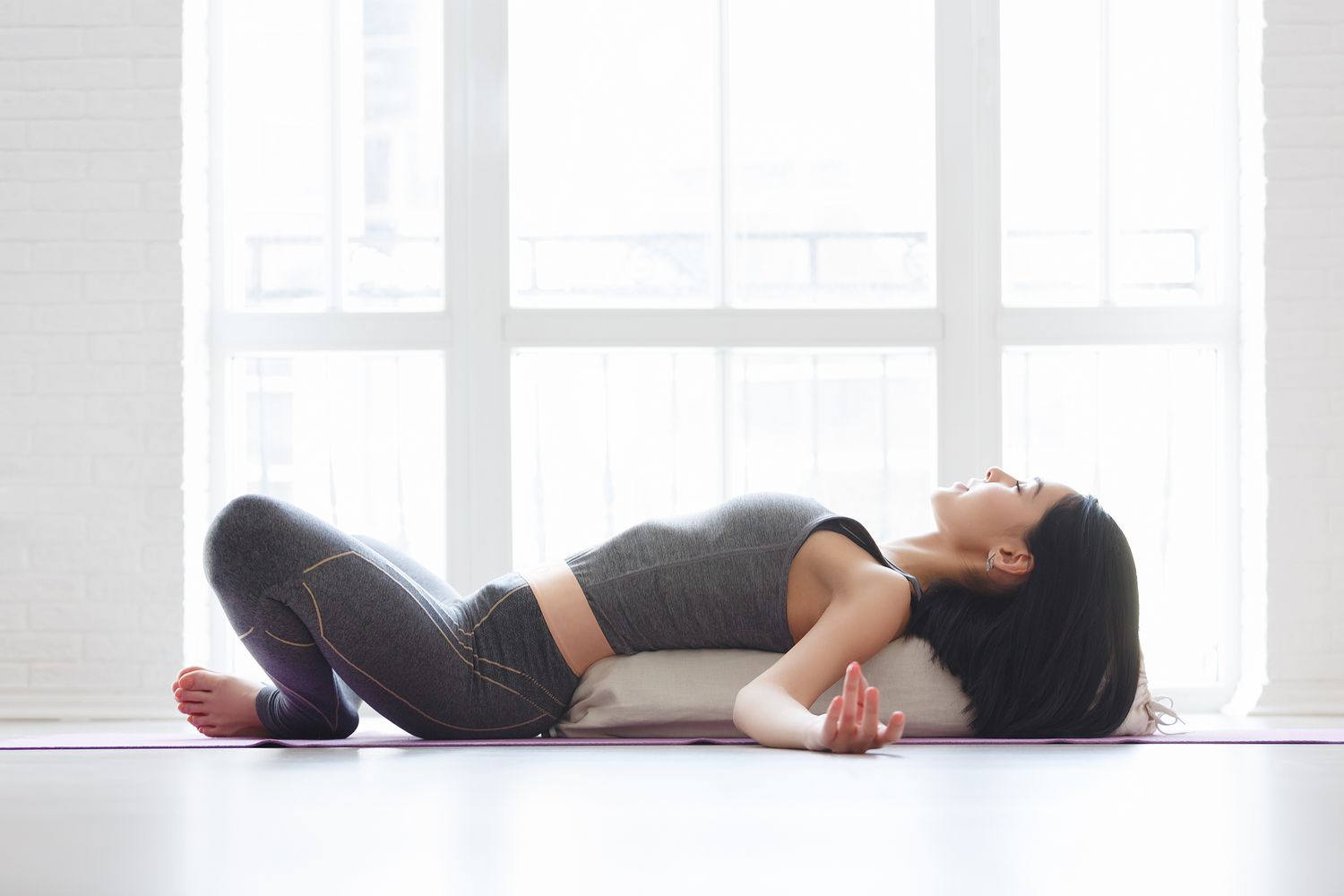
Exhaustion has a way of settling deep into the bones. It is not just physical tiredness, but the kind that lingers in the joints, clouds the mind, and makes even simple movements feel like uphill climbs. In those seasons, intense workouts and ambitious goals lose their appeal. What calls to me instead is a quieter, steadier form of strength that does not demand more than I can give.
Gentle strength is not a contradiction. It is the practice of building resilience without aggression, of waking up dormant muscles without overwhelming an already taxed nervous system. Through yoga, I have found a way to feel strong without pushing myself past the edge. It has reshaped my relationship with effort, rest, and the meaning of progress.
Recognizing The Weight Of Fatigue
Fatigue does not always announce itself dramatically. Sometimes it shows up as stiffness in the hips, tension across the shoulders, and a heaviness behind the eyes. Other times it feels like emotional fragility, where small inconveniences spark outsized reactions. My body sends signals long before I am ready to admit how tired I truly am.
In the past, I ignored these cues and tried to power through. I believed that strength meant intensity and sweat, and that slowing down was a sign of weakness. That mindset only deepened the exhaustion. It took repeated cycles of burnout to realize that my body was not asking for more force, but for wiser care.
Yoga became the place where I started listening. On the mat, I could not hide from the trembling in my legs or the shallow rhythm of my breath. Gentle sequences revealed how depleted I felt, but they also showed me that strength could be rebuilt slowly, with patience rather than pressure.
Redefining Strength In Yoga
Strength used to look like long holds in plank, advanced arm balances, and deep backbends. While those postures have their place, they are not the only expressions of power. Holding a supported bridge pose with steady breath can require just as much focus as an inversion. Staying present in a low lunge without collapsing demands both physical engagement and mental steadiness.
Gentle strength shifts the emphasis from performance to integrity. Instead of asking how far I can go, I ask how stable I can remain. Instead of chasing intensity, I refine alignment and breath. This subtle recalibration changes everything.
In this way of practicing, smaller movements become profound. A slow transition from tabletop to child’s pose feels like a conversation with the spine. A mindful rise from the floor to standing can awaken dormant muscles without jolting the nervous system. The result is a quiet confidence that builds from the inside out.
Building Stability Through Slow Movement
Slow movement exposes weaknesses that fast flows often hide. When I lower halfway down in a controlled chaturanga variation with my knees on the mat, I feel every muscle fiber engage. My arms shake not because the pose is flashy, but because I am moving with deliberation. That tremble is honest and constructive.
Moving slowly also invites breath to guide the pace. I inhale to lengthen the spine in a gentle cobra, then exhale to soften back down. Each cycle of breath becomes a metronome that steadies my effort. Instead of rushing toward the next shape, I inhabit the current one fully.
This deliberate rhythm prevents the spike-and-crash pattern that leaves me drained. My heart rate stays moderate, and my mind remains clear. By the end of the practice, I feel warm and awake rather than depleted. That is the hallmark of gentle strength: energy cultivated, not consumed.
Supporting The Nervous System
Exhausted bodies often belong to overwhelmed nervous systems. Long workdays, constant notifications, and emotional stress keep the body in a low hum of alertness. Even during rest, the mind continues racing. Gentle yoga interrupts this cycle by pairing mild muscular engagement with steady breathing.
When I hold a supported warrior pose with a chair under my front thigh, I feel grounded rather than strained. My legs work, but they are not fighting gravity alone. This sense of support sends a signal of safety to my nervous system. With safety comes softness, and with softness comes sustainable strength.
Longer exhalations deepen this effect. I consciously extend the breath out, letting it empty completely before the next inhale begins. Over time, this pattern teaches my body that effort does not require panic. Strength and calm can coexist.
The Power Of Foundational Poses
Foundational poses are often overlooked in favor of more advanced shapes. Yet mountain pose, low lunge, bridge, and side-lying leg lifts can form a complete strength practice when approached with care. These postures target major muscle groups without demanding extreme flexibility or balance.
In mountain pose, I root through my feet and gently engage my thighs. I lift the kneecaps, lengthen through the crown of my head, and draw my shoulders down. Standing still in this way for several breaths ignites subtle muscles along the spine and legs. It is a reminder that strength begins with how I stand in my own body.
Bridge pose offers a similar lesson. With feet hip-width apart and arms pressing lightly into the mat, I lift my hips only as high as feels stable. Instead of pushing for maximum height, I focus on even weight through both feet. My glutes and hamstrings awaken gradually, and my chest opens without strain.
Side-lying leg work builds hip stability that supports everyday movement. Lifting and lowering the top leg with control strengthens the outer hips, which protect the knees and lower back. These small, repetitive actions may not look dramatic, but they fortify the structure that carries me through daily life.
Integrating Rest Without Losing Momentum
Rest is not the opposite of strength. In a gentle practice, rest is woven between efforts so that the body can integrate what it has done. After a series of lunges, I pause in child’s pose and feel the echo of engagement in my legs. The pause does not erase the work; it allows it to settle.
This rhythm prevents the all-or-nothing mindset that often sabotages consistency. On days when my energy is low, I shorten the sequence but maintain its essence. Ten mindful minutes of slow, intentional movement can be more beneficial than skipping practice entirely out of guilt or fatigue.
Savasana becomes a vital component rather than an afterthought. Lying flat with a blanket over my body, I sense the quiet pulse of circulation and breath. Muscles that worked gently now release fully. In that release, the body absorbs the benefits of the practice.
Listening To Subtle Signals
Gentle strength demands attentive listening. If my wrists ache in plank, I lower my knees or shift to forearms. If my lower back compresses in a backbend, I reduce the height and engage my core more deliberately. Adjustments are not signs of inadequacy; they are expressions of intelligence.
I have learned to differentiate between productive effort and draining strain. Productive effort feels warm and steady. Draining strain feels sharp, breathless, and frantic. By honoring the difference, I protect my energy reserves.
This kind of listening extends beyond the mat. I notice how I sit at my desk, how I carry groceries, and how I respond to stress. The strength cultivated in gentle yoga translates into daily resilience. My body becomes an ally rather than an adversary.
Crafting A Gentle Strength Sequence
A simple sequence for exhausted bodies might begin on the floor. I start with diaphragmatic breathing, one hand on the belly and one on the chest. After several slow breaths, I move into pelvic tilts to awaken the lower spine. The movement is small but effective.
From there, I transition to tabletop for cat and cow, letting the spine articulate fully. I add a few slow bird-dog variations, extending opposite arm and leg while keeping my hips level. The focus is on stability rather than height. Each extension lasts for a full breath cycle before switching sides.
Low lunges follow, with hands resting on blocks for support. I gently pulse forward and back to mobilize the hips, then hold still for several breaths. Standing poses come next, perhaps a supported warrior and a wide-legged forward fold with bent knees. I close with bridge pose and a long, unhurried savasana.
This sequence does not leave me breathless, but it leaves me steadier. My muscles feel engaged, my joints lubricated, and my mind clearer. It is strength tailored to my current capacity.
Releasing The Pressure To Perform
Social media and studio culture can create subtle pressure to achieve impressive shapes. Photos of advanced postures are inspiring, yet they can distort expectations. During periods of exhaustion, comparing my practice to others only adds unnecessary weight.
Gentle strength frees me from that comparison. My measure of success becomes how present I remain, not how deep I fold or how long I hold. I celebrate consistency and attentiveness over spectacle.
This shift nurtures self-trust. I no longer feel compelled to prove my dedication through intensity. Instead, I honor the fluctuating nature of energy and adapt accordingly. That adaptability is its own form of mastery.
Nourishing Long-Term Resilience
Bodies move in cycles of vitality and depletion. By embracing gentle strength during low-energy phases, I avoid the sharp crashes that come from overexertion. Muscles maintain tone, joints retain mobility, and the nervous system stays regulated. Over time, this steady approach builds a durable foundation.
Resilience is not built in dramatic bursts. It grows through repeated, manageable efforts that respect limits. Each gentle session lays another brick in that foundation. Weeks later, I notice that climbing stairs feels easier and carrying groceries requires less effort.
The beauty of gentle strength lies in its sustainability. It invites me back to the mat even when I feel worn out. It assures me that I do not need to be at full capacity to practice. I only need willingness and a few square feet of space.
Exhaustion no longer signals the end of movement. It becomes an invitation to move differently. Through patient, mindful yoga, I cultivate strength that supports rather than depletes. In honoring my tired body, I discover a quieter power that endures far beyond the mat.



The Long-Term Mindset of Strong Practitioners

Habit Stacking for Daily Yoga

How to Reignite a Stalled Practice

Mastering Patience in Skill-Based Poses

The 1% Better Method on the Mat

The 7-Day Reset Challenge

Yoga for Runners: Injury-Proof Your Stride

The Psychology of Showing Up Daily

Rebuilding Energy Without Overtraining

The Ladder Flow Method for Progressive Strength

Balance Training for Performance Gains
