Reset
From Overstimulated to Grounded in One Session

My nervous system used to feel like a browser with fifty tabs open, each one flashing for attention. Notifications, deadlines, errands, conversations, and background worries layered themselves on top of one another until I felt scattered and short-tempered. By the end of many days, my thoughts raced long after my body was exhausted. Sleep became shallow, and even simple decisions felt heavier than they should have.
Overstimulation crept into my life quietly. It arrived through constant screen time, multitasking, caffeine, and the subtle pressure to always be available. I told myself I was productive, but inside I felt frayed. My breath stayed high in my chest, and my shoulders lived somewhere near my ears.
One evening, after snapping at someone I care about over something trivial, I realized my nervous system was not just tired; it was overloaded. That night I rolled out my mat, not with a plan to perform a perfect sequence, but with a quiet intention to feel my feet again. I needed to move from overstimulated to grounded in one session. I did not expect magic, but I hoped for relief.
What unfolded on that mat reshaped how I think about yoga. It was not about stretching tight hamstrings or chasing advanced poses. It became a conversation between my breath, my body, and the buzzing energy inside me. By the end of that practice, I felt steadier, softer, and more present than I had in weeks.
What Overstimulation Feels Like In The Body
Overstimulation does not always announce itself dramatically. Sometimes it feels like irritability that flares too quickly or a mind that refuses to slow down. My jaw clenched without my permission, and my stomach tightened as if bracing for impact. Even in quiet rooms, I carried a hum of urgency.
Physically, I noticed shallow breathing and restless movements. I shifted positions constantly, unable to settle. My phone became both a distraction and a source of more stimulation, and I would scroll long after realizing it was not helping. The more input I absorbed, the less grounded I felt.
Emotionally, overstimulation created a short fuse. Small inconveniences felt disproportionately large. My thoughts looped through to-do lists and imagined scenarios that never actually happened. It was as if my nervous system had forgotten how to downshift.
Recognizing these signs in my own body was the first honest step. The moment I admitted that I was dysregulated rather than simply busy, I could begin to respond differently. Instead of pushing through, I turned toward my mat as a place to reset.
Setting The Tone Before Movement
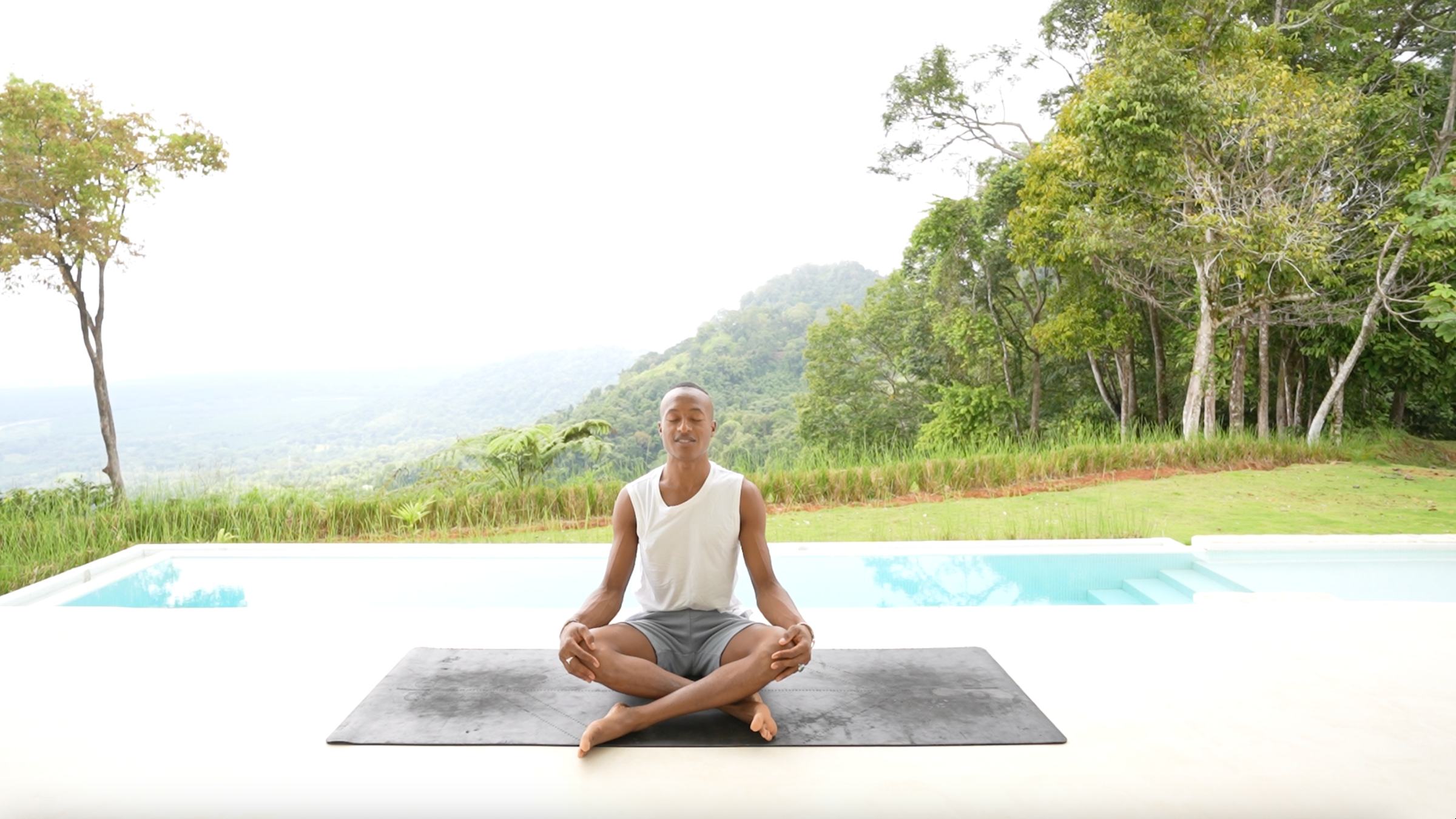
Before I moved a single muscle, I sat cross-legged on my mat and closed my eyes. I did not light candles or play music that day. Silence felt more supportive than any playlist. I placed one hand on my chest and the other on my belly, noticing how uneven my breath felt.
At first, my inhale was short and my exhale even shorter. I resisted the urge to force anything. Instead, I counted slowly in my head, extending the exhale by just one beat. That small adjustment began to send a subtle signal of safety to my body.
After a few minutes, the rhythm of my breath deepened naturally. My shoulders softened, and my jaw released slightly. Nothing dramatic happened, but the internal noise began to quiet. That stillness at the beginning shaped the rest of the session.
Slow, Intentional Movements
Rather than launching into a fast-paced flow, I chose to move deliberately. Cat and Cow became my starting point, but I slowed them down until each transition matched a full inhale or exhale. The movement felt less like exercise and more like a gentle massage for my spine.
In Child’s Pose, I lingered longer than usual. My forehead pressed into the mat, and that simple contact grounded me more than I expected. I focused on feeling the weight of my hips and the stretch across my back. With each exhale, I imagined releasing the excess energy that had built up during the day.
Standing poses followed, but I kept them steady and strong rather than dynamic. In Warrior II, I rooted my feet firmly into the mat and let my gaze settle over my front fingertips. Instead of rushing to the next posture, I stayed long enough to feel the trembling in my legs transform into stability. That shift from shaky to steady mirrored what was happening inside.
Moving slowly forced me to stay present. Quick transitions often allow my mind to wander, but deliberate pacing demanded attention. The simplicity of matching breath to movement became a steady anchor.
The Power Of Grounding Postures
Grounding postures changed the tone of my practice entirely. Forward folds invited me inward, encouraging introspection rather than outward focus. With each fold, I felt the back of my body lengthen and my head drop below my heart, creating a sense of quiet surrender.
Seated poses deepened that feeling. In a simple cross-legged forward fold, I noticed how my breath expanded into my back ribs. That subtle expansion felt like space opening where tension had lived. My thoughts slowed, and the urge to check my phone disappeared completely.
Balancing poses surprised me the most. In Tree Pose, wobbling slightly, I realized how distracted my mind still was. Each time I lost focus, my foot shifted. When I steadied my gaze and softened my breath, balance returned. It became clear that grounding is less about perfection and more about attention.
Holding these poses for several breaths built resilience. I felt my muscles engage and my mind sharpen in a calm way. Instead of racing thoughts, I experienced a focused clarity. That clarity felt grounding rather than stimulating.
Breath As The Bridge
Breathwork played the most transformative role in that session. After moving through several grounding poses, I sat again and practiced a slow, extended exhale. Inhaling for four counts and exhaling for six shifted something profound inside me. The longer exhale gently activated my parasympathetic nervous system.
Within minutes, my heart rate felt slower. The buzzing sensation under my skin began to fade. I was not sedated or sleepy; I was settled. The breath became a bridge between the chaotic pace of my day and the calm state I wanted to inhabit.
I experimented with placing my tongue softly on the roof of my mouth and breathing through my nose only. This simple adjustment deepened the effect. The air felt cooler, more deliberate, and each exhale carried a sense of release.
Breathwork reminded me that grounding is accessible at any moment. A full hour on the mat is beautiful, but even a few conscious breaths can begin to shift my state. That realization made the practice feel empowering rather than time-consuming.
The Emotional Release
As my body softened, emotions surfaced quietly. I did not burst into tears or experience dramatic revelations. Instead, I noticed a gentle wave of sadness for how long I had ignored my own overwhelm. Giving myself space to slow down felt both relieving and humbling.
Tension that had lived in my hips and shoulders began to dissolve. In Supine Twist, I felt a physical unwinding that mirrored an emotional one. My breath deepened further, and my thoughts lost their sharp edges. The intensity that had colored my day softened into something manageable.
By the time I reached Savasana, my body felt heavy in the best way. My limbs rested fully against the mat, and my mind hovered in a quiet, spacious place. The hum of overstimulation was replaced with a grounded awareness of the room around me.
Lying there, I realized that grounding is not about eliminating stimulation completely. It is about building the capacity to return to center. That session reminded me that my nervous system can recalibrate if I give it the right conditions.
Carrying The Grounded State Off The Mat
After sitting up from Savasana, I resisted the urge to grab my phone. Instead, I stayed on my mat for a few extra breaths. I noticed how my senses felt sharper yet calmer. Sounds in the room were clear but not intrusive.
The rest of my evening unfolded differently. Conversations felt slower and more intentional. I listened more than I spoke, and I did not feel the usual urgency to multitask. Even my movements around the house felt deliberate rather than rushed.
Grounding in one session did not mean I would never feel overstimulated again. Life continues to move quickly, and responsibilities do not disappear. What changed was my confidence in my ability to regulate myself.
Each time I return to that kind of practice, the transition becomes easier. My body recognizes the cues more quickly. The shift from scattered to centered feels less like a struggle and more like a familiar path.
Building A Personal Reset Ritual
Over time, I began to treat these grounding sessions as a reset ritual rather than an emergency measure. I set aside at least one evening a week to move slowly and breathe deeply. Even on busy days, I commit to five minutes of intentional breathwork.
The key for me has been simplicity. I do not need elaborate sequences or advanced poses. A few steady postures, longer exhales, and quiet stillness are enough to guide me back to myself.
Consistency has strengthened the effect. The more often I practice grounding, the more quickly my nervous system responds. What once required a full hour can now begin to shift in ten mindful minutes.
This ritual has also changed how I navigate daily stress. I catch the early signs of overstimulation sooner. Instead of pushing through until I snap, I pause, breathe, and reset.
A Gentle Reminder To Slow Down
The world rewards speed and constant output. Slowing down can feel countercultural, even uncomfortable. Yet that single session showed me how powerful it is to step out of the noise and into stillness.
Grounding is not dramatic or flashy. It does not demand perfection or athleticism. It asks for presence, patience, and a willingness to feel what is happening beneath the surface.
Moving from overstimulated to grounded in one session is possible because the body is designed to regulate when given the chance. Breath, mindful movement, and stillness are simple tools, yet they carry profound impact. Each time I step onto my mat with the intention to settle, I remember that calm is not something I have to chase. It is something I can cultivate, one steady breath at a time.



The Long-Term Mindset of Strong Practitioners

Habit Stacking for Daily Yoga

How to Reignite a Stalled Practice

Mastering Patience in Skill-Based Poses

The 1% Better Method on the Mat

The 7-Day Reset Challenge

Balance Training for Performance Gains

The Ladder Flow Method for Progressive Strength

The Psychology of Showing Up Daily

Yoga for Runners: Injury-Proof Your Stride

Ignite Your Energy with This Fast-Paced Sunrise Sequence