Flow
Endurance Flow: Holding Longer Than You Want To

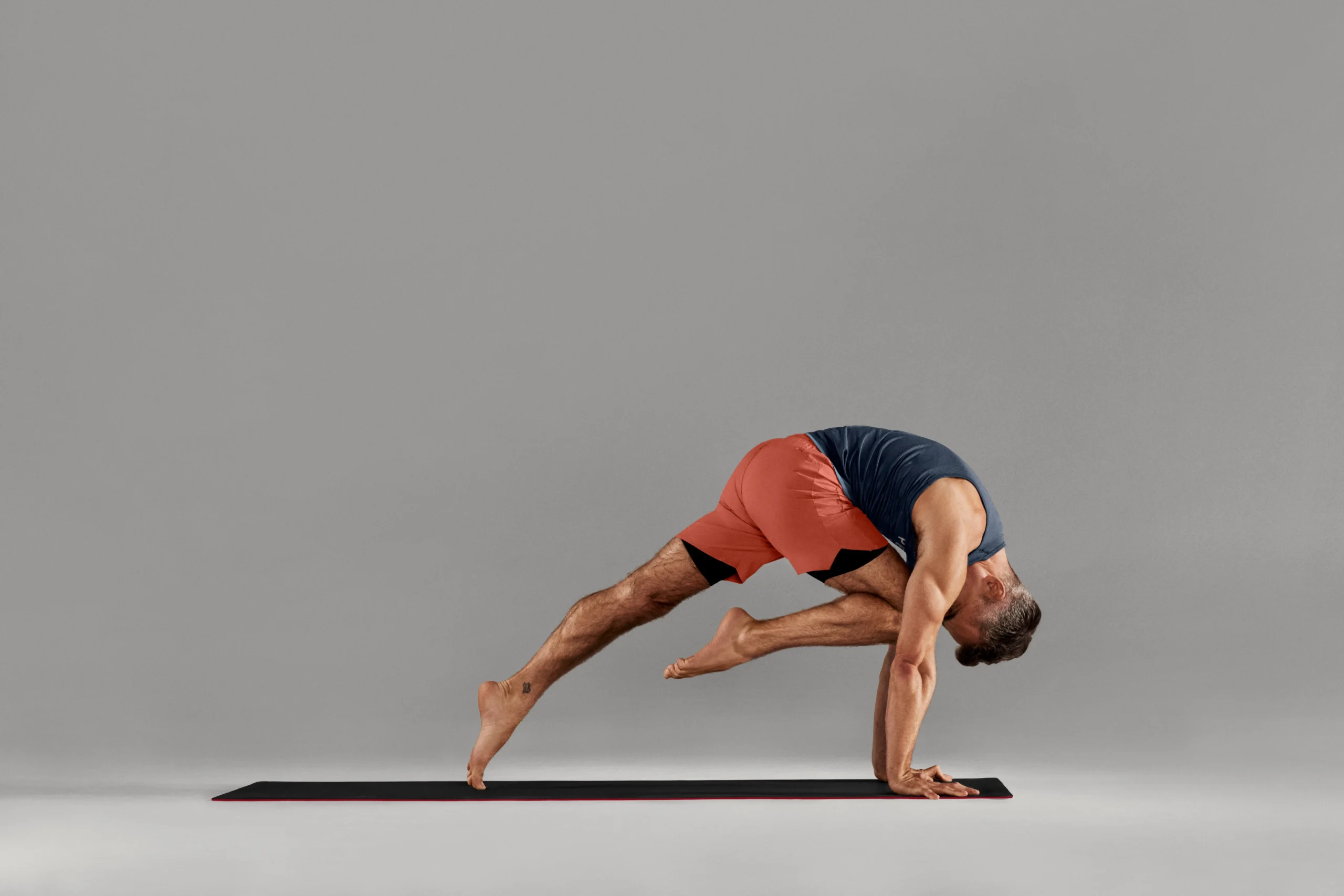
I don’t remember exactly when I realized that the hardest part of yoga was not flexibility, strength, or balance. It was staying. Staying in the pose after my legs started shaking. Staying in the breath when my lungs wanted to rush. Staying in the discomfort long enough for something deeper than muscle to reveal itself. Endurance flow became my quiet confrontation with the urge to escape.
Endurance flow is not flashy. It does not rely on acrobatic transitions or dramatic backbends that earn applause. It is steady, deliberate, and sometimes painfully slow. It asks me to hold a posture longer than I think I can, and then longer than I want to. That subtle difference between “can’t” and “don’t want to” is where the real work begins.
What Endurance Flow Really Demands
Endurance flow demands presence in a way that fast-paced sequences never quite do. In quicker flows, I can ride momentum and let movement distract me from discomfort. In endurance flow, there is nowhere to hide. My body trembles, my thoughts get loud, and the seconds stretch out like hours.
Holding a pose for an extended period strips away illusion. In Warrior II, my front thigh burns and my arms grow heavy. My mind starts bargaining, offering excuses to come out early. I notice how quickly I look for relief and how creative I can be in justifying it. Endurance flow exposes those patterns with startling clarity.
What makes it powerful is not the physical intensity alone. It is the invitation to witness my reactions without immediately obeying them. I feel the urge to straighten my front leg, to drop my arms, to shake it out. Instead, I breathe and stay, observing the internal drama as if it were a passing storm.
The Moment I Want To Quit
The most honest part of endurance flow is the moment I want to quit. That moment always arrives, and it rarely comes gently. It arrives with tightness in my jaw, shallow breath, and a surge of irritation that feels bigger than the pose itself.
In a long-held Chair Pose, my thighs begin to vibrate and my lower back complains. My inner dialogue shifts from calm focus to sharp resistance. I hear thoughts like, “This is pointless,” or “You’ve done enough.” The intensity of that reaction fascinates me because the pose has not changed. Only my tolerance for discomfort has.
Staying past that threshold changes the experience entirely. The shaking often stabilizes. The breath deepens again. What felt unbearable softens into something steady and manageable. The edge was not a wall; it was a doorway. Endurance flow teaches me that many limits are thresholds disguised as barriers.
Breath As The Anchor
Breath becomes my anchor in long holds. Without it, endurance flow turns into a battle of willpower, and willpower alone runs out quickly. Slow, steady inhales and controlled exhales create rhythm inside the stillness.
In Extended Side Angle, I imagine my breath traveling down into my front thigh, as if oxygen itself could soothe the burn. The sensation does not disappear, but it becomes less threatening. Each exhale feels like a small act of surrender, not to the pose, but to the reality of the present moment.
Breathing deeply during discomfort has changed how I handle stress off the mat as well. In difficult conversations or long workdays, I notice the same impulse to rush or retreat. Returning to my breath grounds me in the same way it does in a prolonged plank. The body remembers what the mind often forgets.
Muscles, Mind, And The Art Of Staying
Endurance flow builds muscular stamina, but the more profound transformation happens in the mind. Holding a pose challenges my identity as much as my quadriceps. It asks who I am when things get hard and no one is watching.
In a long plank, my shoulders tremble and my core strains. The physical effort is undeniable, yet the louder battle happens internally. My thoughts attempt to predict failure before it occurs. They tell me I will collapse, that I cannot sustain this effort. Sometimes those predictions are wrong.
Each time I outlast the voice of doubt, even by a few breaths, my relationship with difficulty shifts. I start to see discomfort as a sensation rather than a verdict. It does not define my capacity; it simply tests my willingness to stay engaged. That subtle shift builds a quiet resilience that seeps into every corner of my life.
The Discipline Of Stillness
Movement can be exhilarating, but stillness is revealing. In endurance flow, stillness becomes a discipline. Holding Half Moon Pose for an extended time forces me to refine alignment and focus intensely on balance.
Small adjustments make enormous differences. A slight engagement of the standing leg, a subtle lift of the chest, or a more intentional gaze can stabilize what felt chaotic moments before. These refinements demand attention to detail and patience with the process.
Stillness also amplifies sensation. Without the distraction of transition, I feel every micro-shift in muscle and joint. I become more intimate with my body’s signals, distinguishing between healthy effort and harmful strain. That awareness keeps the practice safe while still deeply challenging.
Discomfort As A Teacher
Discomfort in endurance flow is not an enemy. It is information. It tells me where I am holding tension, where I lack strength, and where my mind panics prematurely.
In a prolonged low lunge, my hip flexors stretch intensely. The sensation borders on overwhelming at times, yet I notice how it evolves if I stay. Sharpness softens into warmth. Resistance transforms into openness. The body adapts when given time and breath.
That experience has altered how I perceive discomfort outside of yoga. Emotional challenges feel less catastrophic when I remember how a burning thigh eventually steadied. Growth often requires staying present with sensations I would rather avoid. Endurance flow trains me to trust that process.
Building Stamina Gradually
Endurance flow is not about forcing myself into heroic holds on day one. Stamina builds gradually, breath by breath. Extending a pose by just a few extra seconds can feel monumental in the beginning.
I started by adding five breaths to familiar postures. Five breaths felt manageable, yet even that small extension revealed impatience. Over time, five breaths became eight, then ten. The increase was subtle, but the cumulative effect was profound.
Progress in endurance flow does not always look dramatic. There are no obvious milestones like touching my toes for the first time. Instead, progress shows up in steadier breath, calmer thoughts, and the ability to remain composed under pressure. These shifts are less visible, but they are deeply transformative.
The Emotional Edge
Holding longer than I want to often brings emotions to the surface. Frustration, anger, and even sadness can emerge unexpectedly. A long-held Pigeon Pose has brought tears to my eyes more than once.
Those emotional waves catch me off guard because I enter the practice expecting a physical challenge. Instead, endurance flow becomes an emotional clearing. The stillness and sustained effort create space for feelings that I usually outrun in daily life.
Allowing those emotions to surface without rushing away from them has been one of the most healing aspects of this practice. The mat becomes a container where I can experience intensity safely. By staying present, I learn that emotions, like muscle fatigue, rise and fall if I give them room.
Trusting My Body’s Signals
Endurance flow requires discernment. Staying in a pose longer does not mean ignoring pain or overriding injury signals. I have learned to differentiate between productive discomfort and warning signs.
Productive discomfort feels muscular and steady. It challenges me without sharpness or instability. Harmful pain feels sudden, sharp, or structurally unsafe. Recognizing that difference has made my practice more intelligent and sustainable.
Trust in my body has grown through this process. Instead of pushing blindly, I listen closely. That listening fosters respect for my limits while still encouraging expansion. Endurance flow becomes a dialogue rather than a dictatorship.
The Power Of Collective Endurance
Practicing endurance flow in a group setting adds another layer of intensity. Holding a pose alongside others creates a shared field of effort. I feel the collective breath, the synchronized stillness, and even the subtle vibrations of shaking muscles around me.
In those moments, community becomes a source of strength. Knowing that others are enduring the same challenge encourages me to stay a little longer. The room feels charged with determination, and that energy carries me through difficult holds.
At the same time, the experience remains deeply personal. No one else can feel the exact sensations in my body. Endurance flow reminds me that we can struggle together while still honoring individual journeys.
Carrying Endurance Off The Mat
The lessons from endurance flow do not stay confined to my practice. They show up in long projects, difficult conversations, and moments of uncertainty. Holding a pose longer than I want to mirrors staying present in life when I would rather escape.
In professional challenges, I notice the urge to abandon tasks that feel overwhelming. Endurance flow has trained me to pause, breathe, and continue steadily. The discomfort of complexity no longer feels like a sign to quit. It feels like a sign to engage more deeply.
In relationships, patience has grown. I am less reactive when tension arises. Just as I stay in a challenging posture, I stay in conversations long enough to listen fully. The discipline of endurance creates space for thoughtful responses instead of impulsive reactions.
Redefining Strength
Strength in endurance flow is not explosive or dramatic. It is quiet and sustained. It is the ability to remain steady under prolonged pressure.
Holding High Lunge for an extended time reveals this kind of strength. My legs tremble, yet I remain upright. My arms extend with intention even as fatigue sets in. The pose becomes a portrait of resilience rather than force.
This redefinition of strength has reshaped how I view myself. I no longer measure capability by peak performance alone. I measure it by consistency, patience, and the willingness to remain present through challenge.
The Gift Of Patience
Patience is not passive in endurance flow. It is active and deliberate. Each breath is a decision to stay engaged instead of collapsing or escaping.
Developing patience on the mat has softened my approach to progress in general. I no longer expect instant transformation. I understand that meaningful change requires sustained effort and time.
Endurance flow teaches me that growth often happens quietly. It happens in the unseen moments when I choose to take one more breath. Those breaths accumulate into strength, clarity, and confidence that cannot be rushed.
Holding Longer Than I Want To
Holding longer than I want to has become a metaphor I carry into daily life. It reminds me that discomfort is often temporary and that my perceived limits are flexible. It challenges the reflex to withdraw at the first sign of strain.
Each practice session offers a new opportunity to test that boundary. Some days I surprise myself with unexpected endurance. Other days I step out early and honor fatigue. Both experiences teach me something valuable.
Endurance flow is not about proving toughness. It is about cultivating resilience with awareness. By staying in poses a little longer than comfort allows, I strengthen more than muscles. I strengthen trust in my capacity to endure, adapt, and grow.
The mat has become a laboratory for resilience. Every trembling hold, every steady breath, and every moment of doubt shapes a deeper sense of inner steadiness. Endurance flow continues to show me that the space just beyond “I want to stop” is often where transformation begins.


The Long-Term Mindset of Strong Practitioners

Habit Stacking for Daily Yoga

How to Reignite a Stalled Practice

Mastering Patience in Skill-Based Poses

The 1% Better Method on the Mat

The 7-Day Reset Challenge

Yoga for Runners: Injury-Proof Your Stride

The Psychology of Showing Up Daily

Rebuilding Energy Without Overtraining

Ignite Your Energy with This Fast-Paced Sunrise Sequence

The Ladder Flow Method for Progressive Strength
