Mobility
Dynamic Stretching vs Static Holds in Yoga

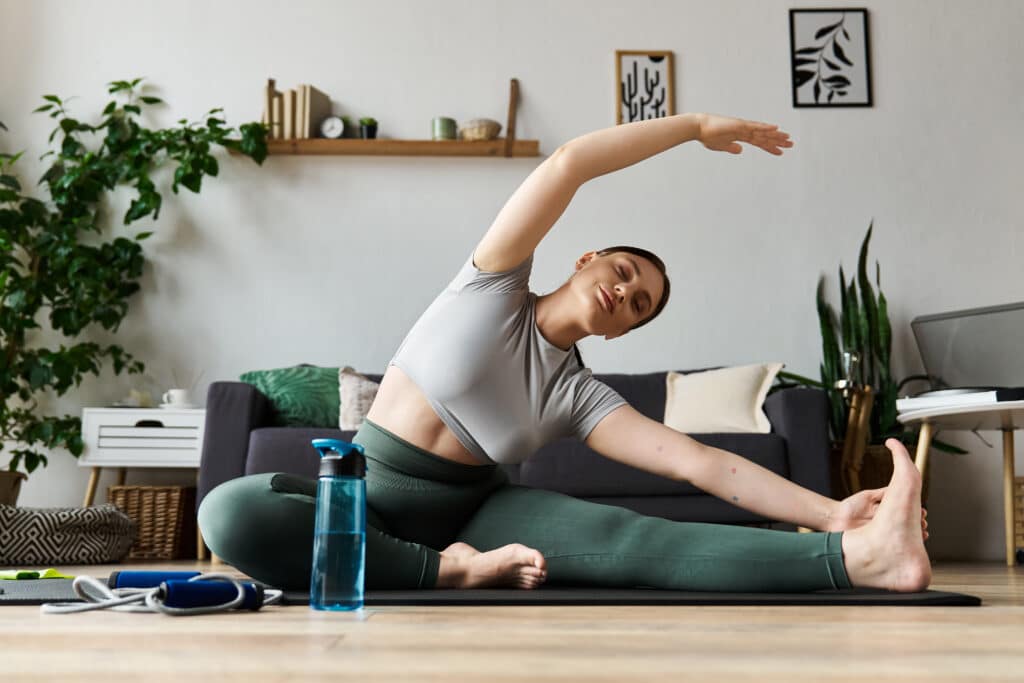
Yoga has never felt like a fixed destination to me. It has always been a conversation between breath and body, effort and ease, motion and stillness. Over the years, I have explored both dynamic stretching and static holds in my practice, and I have come to see them as two sides of the same coin rather than opposing forces. Each offers a distinct experience, a different pathway into awareness, and a unique impact on strength, flexibility, and mental clarity.
The debate between dynamic movement and long, sustained postures often surfaces in yoga circles. Some practitioners crave the fluid rhythm of continuous transitions, while others seek the depth and steadiness of holding a pose. I have found that both approaches shape my body and mind in powerful ways, and the real transformation happens in how they work together.
What Dynamic Stretching Feels Like On The Mat
Dynamic stretching in yoga shows up through flowing sequences, gentle pulses, and controlled movements that guide the body through a range of motion. Think of a steady Sun Salutation, where each inhale and exhale carries you into the next shape. The muscles lengthen and contract in a rhythmic dance, and the joints are invited to move with intention rather than force.
In my own practice, dynamic stretching wakes up the body in a way that feels energizing. The heat builds gradually, and I notice my stiffness dissolving as the sequence continues. Instead of forcing flexibility, I allow movement to create space naturally. The breath acts as a metronome, keeping everything steady and fluid.
Dynamic work also sharpens my focus. Because I am transitioning from one pose to another, I cannot drift off mentally. Each movement demands awareness of alignment, balance, and breath timing. This constant engagement feels almost meditative, like a moving prayer that keeps me fully present.
The Power Of Static Holds In Deepening Flexibility
Static holds invite a completely different experience. Once I settle into a posture and remain there for several breaths, the external movement quiets down. The intensity shifts from visible motion to subtle internal sensations. Muscles begin to soften gradually, and the stretch moves beyond the surface layers.
Holding a pose challenges my patience in ways dynamic movement does not. My mind often wants to escape before my body truly needs to. Staying put forces me to observe the discomfort without reacting to it. Over time, I have learned to distinguish between healthy sensation and strain, which has made my practice safer and more intuitive.
The stillness of static holds also creates an opportunity for emotional release. In long hip openers or forward folds, I sometimes notice unexpected feelings rising to the surface. Remaining in the posture allows those emotions to pass through instead of being suppressed. This process has deepened my relationship with yoga beyond the physical level.
How Dynamic Stretching Supports Strength And Stability
Dynamic stretching does more than increase flexibility. It builds strength in a functional way because muscles are working through their full range of motion. During flowing sequences, I feel my core engage to stabilize transitions, and my legs activate to support balance.
The repetitive movement patterns reinforce coordination. For example, stepping back into a lunge repeatedly strengthens the muscles around the hips and knees while teaching them to move efficiently. This type of strength translates well into daily life because it mirrors natural movement rather than isolated muscle engagement.
I have noticed that dynamic stretching also reduces the risk of injury when I move into more challenging poses. By warming up the tissues and increasing circulation, my body feels more prepared for deeper stretches. Jumping straight into long static holds without this preparation can sometimes feel abrupt and jarring.
The Mental Shift That Happens During Static Poses
Holding a pose for an extended period changes my internal dialogue. At first, the mind may resist, pointing out every sensation of tightness or fatigue. After a few breaths, something softens. The resistance transforms into acceptance, and I begin to settle.
This shift teaches resilience. Instead of escaping discomfort, I learn to breathe through it. That skill carries off the mat into moments of stress or uncertainty. The practice of staying present in a challenging posture becomes a rehearsal for staying grounded in life.
Static holds also cultivate concentration. With fewer external changes, attention turns inward. I become aware of subtle muscular engagement, micro-adjustments in alignment, and the rhythm of my heartbeat. That level of detail might be missed in a fast-paced sequence.
The Role Of Breath In Both Approaches
Breath acts as the bridge between dynamic stretching and static holds. In flowing sequences, each inhale expands the body and each exhale guides the transition. The synchronization of breath and movement creates a sense of grace and momentum.
During static holds, breath becomes an anchor. Slow, steady inhalations and exhalations soften the intensity of the stretch. I often imagine sending my breath directly into the area that feels tight, encouraging it to release without force.
Without conscious breathing, both dynamic and static practices lose their depth. Movement can become rushed, and stillness can turn into strain. The breath ensures that each style remains rooted in awareness rather than ambition.
When Dynamic Stretching Serves Me Best
Morning practices often lean toward dynamic stretching. My body tends to wake up stiff, and gentle flows help loosen tight muscles. The warmth generated from continuous movement prepares me for the rest of the day.
Dynamic sequences also work well before strength training or other physical activities. They prime the muscles and joints, increasing mobility and reducing stiffness. I feel more agile and responsive after a short flow than after long, passive stretches.
On days when my energy feels low or stagnant, dynamic movement lifts my mood. The steady rhythm of transitions and breath creates a sense of vitality. It feels like clearing cobwebs from both my muscles and my thoughts.
When Static Holds Feel Most Effective
Evening sessions often call for static holds. After a busy day, slowing down feels nourishing. Holding poses for longer periods encourages my nervous system to shift into a calmer state.
Deep hip openers, seated forward folds, and gentle backbends allow me to release tension that accumulates from sitting or stress. Staying in those shapes for several breaths gives the body time to truly let go. Rushing through them would not offer the same depth.
Static holds are also invaluable during restorative or yin-style practices. The extended time in each posture targets connective tissues and supports long-term flexibility. These sessions leave me feeling grounded and spacious.
Common Misconceptions About Dynamic And Static Practices
Some people assume dynamic stretching is only for athletic or high-energy yoga styles. In reality, even gentle flows can be dynamic. The emphasis is not on speed but on continuous movement guided by breath.
Others believe static holds are passive or easy. Spending a full minute in a deep lunge or a prolonged forward fold can be intensely challenging. The absence of movement does not mean the absence of effort.
Another misconception is that one method is superior. My experience has shown that both serve distinct purposes. Neglecting either would limit the richness of my practice.
Blending Both For A Balanced Practice
The most satisfying sessions often include both dynamic stretching and static holds. Beginning with fluid sequences warms up the body and builds momentum. Transitioning into longer holds later allows me to explore depth safely.
This blend feels harmonious. The body first experiences expansion through movement, then settles into stillness. It mirrors the natural rhythm of activity and rest that exists in daily life.
On some days, the ratio shifts. I might spend more time flowing if I crave energy, or linger longer in static poses if I need grounding. Listening to my body guides these decisions more than any rigid rule.
Injury Prevention And Long-Term Progress
Both approaches play a role in injury prevention. Dynamic stretching increases circulation and prepares muscles for exertion. Static holds gradually improve flexibility, reducing the likelihood of strain from tight tissues.
Progress in yoga rarely happens overnight. I have learned that forcing deeper stretches through aggressive static holds can backfire. Gentle, repeated dynamic movement often creates safer and more sustainable gains.
Patience becomes essential. Consistent practice that honors both movement and stillness leads to steady improvement. The body responds best to respect rather than pressure.
The Emotional Landscape Of Movement And Stillness
Dynamic stretching sometimes feels like celebration. The flowing transitions create a sense of freedom and expression. I feel connected to the rhythm of my breath and the strength of my body.
Static holds, on the other hand, often feel introspective. The quiet invites reflection. Thoughts surface more clearly, and I gain insight into patterns of tension and reaction.
Both experiences enrich my emotional awareness. One encourages outward expression, while the other fosters inward listening. Together, they create a more complete relationship with myself.
Finding What Works For You
Personal preference plays a significant role in shaping a yoga practice. Some bodies respond quickly to movement, while others open more easily with time and stillness. Paying attention to how your muscles and mind react to each style can guide your approach.
Experimenting with different sequences helps clarify what feels supportive. Trying a week of primarily dynamic sessions followed by a week focused on static holds can reveal subtle differences. The goal is not to commit to one camp but to observe what your body communicates.
Flexibility in mindset matters as much as flexibility in muscles. Allowing your practice to evolve prevents stagnation. Both dynamic stretching and static holds have something valuable to offer.
A Practice That Reflects Life
Movement and stillness are not opposites; they complement each other. Yoga simply magnifies this truth. Dynamic stretching reminds me that growth often requires action and engagement. Static holds teach me that depth comes from patience and presence.
Life follows a similar rhythm. Busy periods demand energy and adaptability, while quieter moments invite reflection. Embracing both states creates balance.
On the mat, I continue to explore the dance between flow and pause. Some days are filled with steady transitions, while others revolve around lingering in stillness. Both leave me feeling stronger, more flexible, and more connected.
Dynamic stretching and static holds are not competing philosophies. They are partners in a practice that evolves with each breath. Through movement, I find vitality. Through stillness, I find clarity. Together, they shape a yoga journey that feels grounded, expansive, and deeply personal.



The Long-Term Mindset of Strong Practitioners

Habit Stacking for Daily Yoga

How to Reignite a Stalled Practice

Mastering Patience in Skill-Based Poses

The 1% Better Method on the Mat

The 7-Day Reset Challenge

Balance Training for Performance Gains

The Psychology of Showing Up Daily

Yoga for Runners: Injury-Proof Your Stride

Ignite Your Energy with This Fast-Paced Sunrise Sequence

The Ladder Flow Method for Progressive Strength
