Reset
Calming Breath Patterns That Actually Work

My breath has always been the fastest way back to myself. In the middle of a crowded day, during tense conversations, or in those quiet hours when my mind refuses to slow down, I return to the rhythm of inhaling and exhaling. Over time, I have experimented with many techniques, some that felt complicated and others that were surprisingly simple. The patterns I share here are the ones I rely on because they consistently soften my body and steady my thoughts.
Breathing is both automatic and intentional, which makes it powerful. I can let it run in the background, or I can shape it with care and watch my nervous system respond almost immediately. Through yoga and daily practice, I discovered that certain rhythms send a clear message of safety to the body. These are the calming breath patterns that truly work, not because they are trendy, but because they are grounded in how our physiology responds to pace, depth, and focus.
The Gentle Power of Slow Nasal Breathing
One of the most transformative shifts I made was breathing exclusively through my nose during calm practices. Nasal breathing naturally slows the airflow and encourages the diaphragm to engage more fully. As I inhale through my nose, I feel my ribs widen and my belly expand instead of my chest lifting sharply. That subtle expansion signals my body to relax rather than brace.
I often sit upright with my spine tall and rest my hands on my thighs. Then I breathe in for a count of four and out for a count of four, without forcing the rhythm. After a few rounds, my shoulders begin to drop and my jaw unclenches without me consciously trying to relax. The steadiness of nasal breathing acts like a metronome, guiding my mind away from scattered thoughts.
What makes this pattern effective is its simplicity. I can use it while waiting in line, walking outside, or lying in bed at night. Because it does not require dramatic pauses or complex counts, it feels sustainable. Over weeks of practice, I noticed that my baseline stress level lowered, and I reacted more calmly to situations that previously overwhelmed me.
Extended Exhale Breathing for Instant Relief
If I need quicker relief, I lengthen my exhale. This pattern is incredibly soothing because the exhale is closely linked to the parasympathetic nervous system, the branch responsible for rest and recovery. By stretching the breath out, I gently tell my body that it is safe to let go.
I begin by inhaling for a count of four and exhaling for a count of six or eight. The exhale is smooth and controlled, like a slow sigh through the nose. I imagine tension draining downward with each breath out, almost as if stress is melting into the floor beneath me. Within a few cycles, my heartbeat feels steadier and my thoughts lose their sharp edge.
This technique has helped me during difficult conversations and moments of anxiety. Instead of trying to think my way out of stress, I breathe my way through it. The longer exhale creates space between stimulus and response, allowing me to answer from a grounded place rather than reacting impulsively.
Box Breathing for Mental Clarity
Box breathing introduced me to the power of symmetry. The structure of equal counts for inhale, hold, exhale, and hold provides a steady framework that anchors attention. I find it especially helpful when my mind feels scattered or overstimulated.
To practice, I inhale for four counts, hold for four, exhale for four, and hold again for four. I visualize tracing the sides of a square with each segment of the breath. The holds are gentle and never strained, just enough to create a pause. That pause becomes a pocket of stillness where my mind can reset.
After several rounds, my focus sharpens and my breathing feels balanced. This pattern works well before writing, teaching, or making decisions that require concentration. The predictability of the rhythm creates stability, and that stability translates into clearer thinking.
Diaphragmatic Breathing to Release Tension
Shallow chest breathing used to be my default during stress. I rarely noticed it until I began practicing yoga more consistently. Once I learned to breathe into my diaphragm, I realized how much tension I had been carrying without awareness.
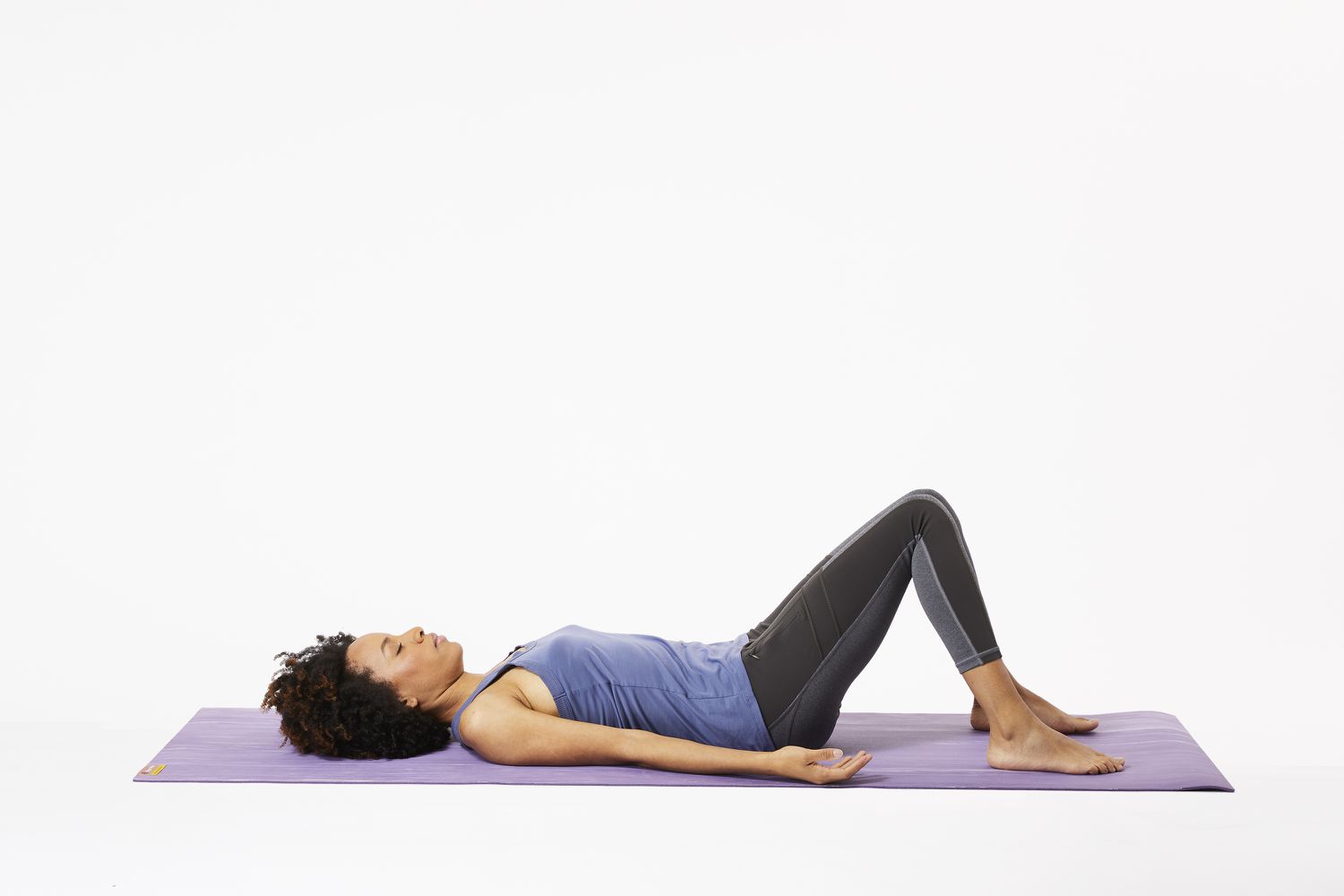
I often lie on my back and place one hand on my chest and one on my belly. As I inhale, I guide the breath downward so the hand on my belly rises while the hand on my chest remains relatively still. The exhale is unhurried, allowing the belly to fall naturally. This simple redirection shifts the breath from survival mode into a calmer state.
With consistent practice, my body started to adopt diaphragmatic breathing even outside formal sessions. Neck and shoulder tension decreased, and I felt less fatigued at the end of the day. Deep belly breathing reminds me that relaxation does not require dramatic effort, only mindful attention.
4-7-8 Breathing for Nighttime Calm
Sleep used to elude me on stressful days. My body would lie still while my thoughts raced in loops. The 4-7-8 breathing pattern became a trusted companion during those restless nights.
I inhale quietly through my nose for four counts, hold the breath for seven, and exhale slowly through my mouth for eight. The exhale is steady and complete, like gently fogging a mirror. After four to eight rounds, a heaviness settles over my limbs and my mind softens.
The extended exhale and longer hold create a profound sense of release. I feel my nervous system shifting gears, moving away from alertness and toward rest. While it may not knock me out instantly, it consistently lowers the intensity of mental chatter, making sleep far more accessible.
Alternate Nostril Breathing for Balance
Alternate nostril breathing brings a unique sense of harmony. It involves gently closing one nostril while inhaling through the other, then switching sides for the exhale. The coordinated hand movement and breath pattern require enough attention to quiet mental noise.
I sit comfortably and use my right thumb to close my right nostril, inhaling through the left. Then I close the left nostril with my ring finger and exhale through the right. The pattern continues, alternating sides with each inhale and exhale. The rhythm feels almost meditative, like weaving a thread of calm through my body.
After a few minutes, I experience a noticeable shift in mood. The breath feels smoother, and my thoughts become less reactive. This practice is especially helpful when I feel emotionally unbalanced or mentally overstimulated, as it seems to even out internal fluctuations.
Coherent Breathing for Steady Calm
Coherent breathing revolves around maintaining a consistent pace, typically five to six breaths per minute. This translates to inhaling for five counts and exhaling for five counts. The steadiness of this rhythm supports heart rate variability, which plays a key role in resilience.
I set a gentle timer and settle into the five-five rhythm. At first, it can feel slightly slow, but my body quickly adapts. The breath becomes smooth and continuous, with no abrupt pauses. Over time, this steady cadence feels natural and deeply grounding.
This pattern works well for longer sessions, such as ten or twenty minutes of seated meditation. By the end, my mind feels clear without being dull. Coherent breathing has become one of my go-to techniques for maintaining calm during high-pressure weeks.
Integrating Breath Into Daily Life
Formal practice is powerful, but the real transformation happened when I began weaving breath awareness into ordinary moments. I breathe slowly while washing dishes, walking to the store, or waiting at a red light. These small pockets of mindfulness add up over time.
Instead of waiting for stress to peak, I use breath patterns proactively. A few rounds of extended exhales before opening my email can shift the tone of my entire morning. Slow nasal breathing during a commute keeps tension from accumulating unnoticed.
The more consistently I practice, the more intuitive it becomes. My body now signals when it needs a slower rhythm, and I respond almost automatically. Breathwork stops feeling like a technique and starts feeling like a companion.
Common Mistakes That Reduce Effectiveness
Early on, I tried to force results. I would exaggerate the inhale or strain during breath holds, hoping to accelerate the calming effect. That approach only created more tension and sometimes dizziness.
Gentleness is essential. The breath should feel smooth, not dramatic or rushed. If I ever feel lightheaded, I return to natural breathing and allow my body to settle before continuing.
Consistency matters more than intensity. Five minutes of steady practice each day has a greater impact than one long, sporadic session. Over time, the nervous system learns to trust the rhythm, and the calming response becomes easier to access.
The Subtle Shift From Reaction to Response
Breath patterns changed how I navigate daily challenges. Instead of being swept away by emotion, I have a tool that helps me pause. That pause is often enough to shift the outcome of a conversation or decision.
Calming breath does not eliminate stress entirely, but it transforms my relationship with it. I no longer feel at the mercy of racing thoughts or physical tension. With a few steady breaths, I reconnect to a sense of stability that was always available.
Each technique offers something slightly different, whether it is immediate relief, mental clarity, or deeper rest. What unites them is their accessibility. My breath is always with me, waiting for attention.
Returning to these patterns again and again has reshaped my inner landscape. I feel more patient, more centered, and more capable of meeting life as it unfolds. The simplicity of breathing hides its profound impact, but once experienced consistently, its power becomes undeniable.
Calming breath patterns truly work because they align with how the body is designed to regulate itself. Through steady practice, I have found a reliable pathway back to calm, no matter how chaotic the moment appears.



The Long-Term Mindset of Strong Practitioners

Habit Stacking for Daily Yoga

How to Reignite a Stalled Practice

Mastering Patience in Skill-Based Poses

The 1% Better Method on the Mat

The 7-Day Reset Challenge

Yoga for Runners: Injury-Proof Your Stride

The Psychology of Showing Up Daily

Rebuilding Energy Without Overtraining

The Ladder Flow Method for Progressive Strength

Balance Training for Performance Gains