Performance
Building Stability for Better Lifts

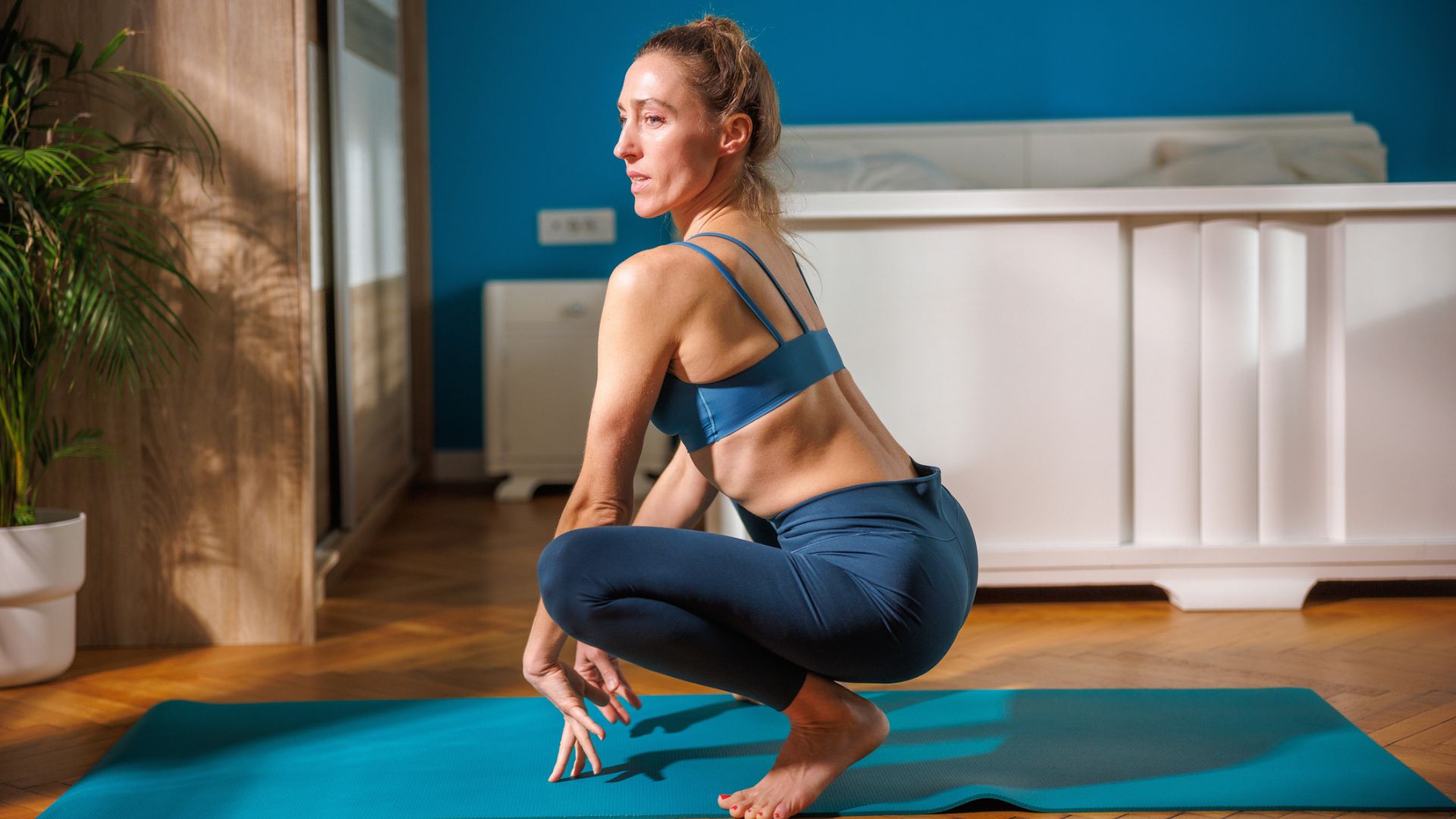
Stability changed the way I experience both yoga and strength training. The more I focused on it, the more my lifts improved, not just in weight but in control, confidence, and longevity. I stopped chasing numbers and started refining my foundation, and that shift made all the difference. Strength began to feel grounded instead of forced, and my body responded with smoother progress and fewer setbacks.
In yoga, stability is not about rigidity. It is about cultivating steadiness through awareness, breath, and alignment. That steadiness carries directly into squats, deadlifts, presses, and pulls. A stable body transfers force efficiently, protects joints, and allows power to move in a coordinated way from the ground up.
Many people think lifting heavier automatically builds stability. My experience has shown the opposite. Stability builds better lifts, and better lifts make strength sustainable.
The Foundation Begins With The Feet
My relationship with stability began at the ground. I realized I had been ignoring my feet, treating them as passive contact points rather than active participants. Once I started paying attention to how I distributed weight through the tripod of the foot—heel, base of the big toe, and base of the little toe—everything shifted.
In yoga poses like Mountain Pose and Warrior II, I practice rooting evenly into the floor. I feel the arches gently lift while the toes stay relaxed and spread. That subtle activation wakes up muscles that influence knee alignment and hip stability. When I carry that same awareness into a squat, my knees track more naturally and my hips feel anchored rather than wobbly.
Deadlifts improved dramatically once I focused on pressing the floor away instead of yanking the bar upward. The cue may sound simple, but it changes how force travels through the body. Stability begins where the body meets the earth, and every lift is built from that contact.
Core Stability Is More Than Strong Abs
Core stability goes far beyond visible abdominal muscles. It involves the diaphragm, pelvic floor, deep spinal stabilizers, and even the muscles surrounding the hips. Yoga helped me feel these layers instead of merely tightening my stomach before a lift.
Breath plays a central role in this process. I use slow nasal inhales to expand my ribcage in all directions, followed by controlled exhales that gently engage the deep core. This creates a natural brace without excessive tension. In plank variations and boat pose, I practice maintaining that connection while moving limbs, which translates directly into more controlled presses and rows.
During heavy lifts, bracing becomes intentional but not aggressive. I imagine my torso as a stable cylinder, strong yet responsive. That image prevents overextension in my lower back and keeps my spine aligned under load. The result is strength that feels integrated instead of fragmented.
Hip Stability Shapes Power
The hips act as the engine for most major lifts. Squats, lunges, and deadlifts depend on balanced hip mobility and stability. Yoga poses like Crescent Lunge, Chair Pose, and Half Moon exposed weaknesses I did not realize I had.
Balancing on one leg revealed subtle shifts in my pelvis. I noticed one hip would hike or rotate, throwing off alignment. By slowing down and holding these poses with steady breath, I built strength in the gluteus medius and other stabilizers that support clean movement patterns.
Once those muscles engaged properly, my lifts felt more symmetrical. My knees stopped collapsing inward, and my lower back no longer compensated for unstable hips. Stability in the hips allows power to travel upward without leaks, which makes each repetition more efficient.
Shoulder Stability Protects Pressing Strength
Upper body lifts rely heavily on shoulder integrity. Before prioritizing stability, I often felt discomfort during overhead presses and bench work. Yoga shifted my focus toward scapular control and joint awareness.
Poses like Downward Facing Dog and Dolphin Pose encourage active engagement of the shoulder girdle. I practice pressing the floor away while keeping my neck long and chest broad. This trains the serratus anterior and lower trapezius, muscles essential for healthy overhead movement.
Carrying that awareness into pressing exercises changed everything. Instead of shrugging my shoulders upward under load, I learned to anchor them down and back. Stability around the shoulder joint allows force to be expressed without unnecessary strain. Pressing heavier became safer and more controlled.
Balance Work Enhances Strength
Balance poses often look graceful, but they are deceptively challenging. Tree Pose, Warrior III, and Eagle Pose demand constant micro-adjustments. These adjustments refine neuromuscular coordination in ways that traditional lifting sometimes overlooks.
Holding Warrior III, I feel the standing leg working intensely to maintain alignment. My ankle stabilizes, my hip engages, and my core stays steady. That integrated effort mirrors the demands of single-leg deadlifts and split squats.
Balance training also improves focus. Staying present in a shaky pose builds mental steadiness that carries into heavy sets. Instead of rushing through reps, I remain attentive to how my body organizes itself under load. Stability becomes both physical and mental.
Slow Tempo Builds Structural Integrity
Speed has its place in training, but slow, deliberate movement exposes weaknesses. In yoga, transitions between poses are as important as the poses themselves. Moving with control requires consistent stability.
I began applying slower tempos to my lifts. Lowering into a squat over three to four seconds revealed areas where I lost alignment. Pausing at the bottom forced my stabilizers to engage rather than relying on momentum.
This method strengthened connective tissues and improved joint awareness. Over time, I noticed that returning to normal tempo felt easier and more powerful. Stability gained through slow movement supports explosive strength without sacrificing control.
Breath As The Anchor
Breath remains the anchor for everything I do. Without it, stability turns into tension. With it, stability becomes fluid and sustainable.
During challenging yoga holds, I focus on maintaining even inhales and exhales. The moment my breath becomes erratic, I know my body is compensating. That awareness helps me adjust before strain sets in.
In heavy lifts, controlled breathing maintains intra-abdominal pressure while preventing panic. Each rep begins with a deliberate inhale, followed by a steady exhale through the effort. Breath organizes the body from the inside out, reinforcing structural stability.
Mobility Supports Stability
Stability and mobility often get treated as opposites, but they complement each other. Tight hips or shoulders can prevent proper alignment, forcing the body to seek stability elsewhere. Yoga provides the mobility needed to support stable positions.
Deep lunges, hamstring stretches, and thoracic rotations create space in the joints. That space allows me to access full range of motion during lifts without collapsing or compensating. Stability built on restricted movement feels fragile, but stability built on accessible mobility feels strong.
This balance prevents injury and encourages longevity. I no longer chase extreme flexibility, but I maintain enough mobility to support clean mechanics. Stability thrives in a body that can move freely.
Mental Stability Under Load
Heavy lifting tests more than muscle strength. It challenges composure and confidence. Yoga trains the nervous system to remain calm under stress.
Holding a demanding pose teaches patience. The body trembles, yet the mind stays steady. I carry that calmness into challenging sets, especially when the bar feels intimidating.
Mental stability influences physical performance. Doubt often manifests as hesitation or poor form. Confidence grounded in consistent practice allows me to approach each lift with clarity. Stability in the mind supports stability in the body.
Programming Stability Into Training
Integrating stability work does not require abandoning traditional lifting. I weave yoga-inspired drills into warm-ups and cooldowns. A few minutes of balance work, controlled planks, or hip activation primes my body for heavier loads.
I also dedicate specific sessions to slower, stability-focused training. These days emphasize alignment, tempo, and breath. They may not feel as dramatic as max-effort sessions, but they build the foundation that supports long-term progress.
Consistency matters more than intensity in this context. Small daily practices accumulate into significant changes. Stability becomes a habit rather than an afterthought.
Common Mistakes That Undermine Stability
Rushing through warm-ups often sabotages lifts before they begin. Skipping foundational activation exercises leaves stabilizing muscles asleep. I have learned that a few extra minutes of preparation can prevent months of frustration.
Another common mistake is over-bracing. Excessive tension restricts movement and disrupts breathing. True stability allows for subtle adjustments and responsiveness.
Ignoring asymmetries also creates problems. Everyone has imbalances, but refusing to address them compounds stress on the body. Single-leg and single-arm exercises reveal these discrepancies and offer opportunities for correction.
Long-Term Benefits Of Prioritizing Stability
Focusing on stability transformed not just my lifts but my relationship with training. I recover more efficiently because my joints are not absorbing unnecessary stress. My posture improved, and everyday movements feel smoother.
Strength built on stability lasts. Instead of cycling through injuries or plateaus, I experience steady progression. The body adapts more willingly when it feels supported.
This approach fosters patience. Progress may appear slower at first, but it proves more sustainable. Stability creates a reliable platform for growth.
Bringing Yoga And Strength Together
Yoga and lifting complement each other beautifully. One refines awareness and control, while the other builds measurable power. Stability serves as the bridge between them.
On the mat, I cultivate alignment, breath, and balance. In the gym, I apply those qualities to barbells and dumbbells. The integration feels seamless because the principles are the same.
Both practices reward presence. Each repetition and each pose becomes an opportunity to reinforce stability. Over time, strength becomes not just about how much I can lift, but how well I can move.
Building stability for better lifts is an ongoing process. It demands attention to detail and respect for the body’s architecture. The rewards extend beyond the gym, influencing posture, confidence, and resilience in daily life.
Strength that rises from a stable foundation feels different. It feels grounded, controlled, and enduring. That is the kind of strength I continue to cultivate, one steady breath and one solid rep at a time.



The Long-Term Mindset of Strong Practitioners

Habit Stacking for Daily Yoga

How to Reignite a Stalled Practice

Mastering Patience in Skill-Based Poses

The 1% Better Method on the Mat

The 7-Day Reset Challenge

Yoga for Runners: Injury-Proof Your Stride

The Psychology of Showing Up Daily

Rebuilding Energy Without Overtraining

The Ladder Flow Method for Progressive Strength

Balance Training for Performance Gains