Discipline
The Long-Term Mindset of Strong Practitioners

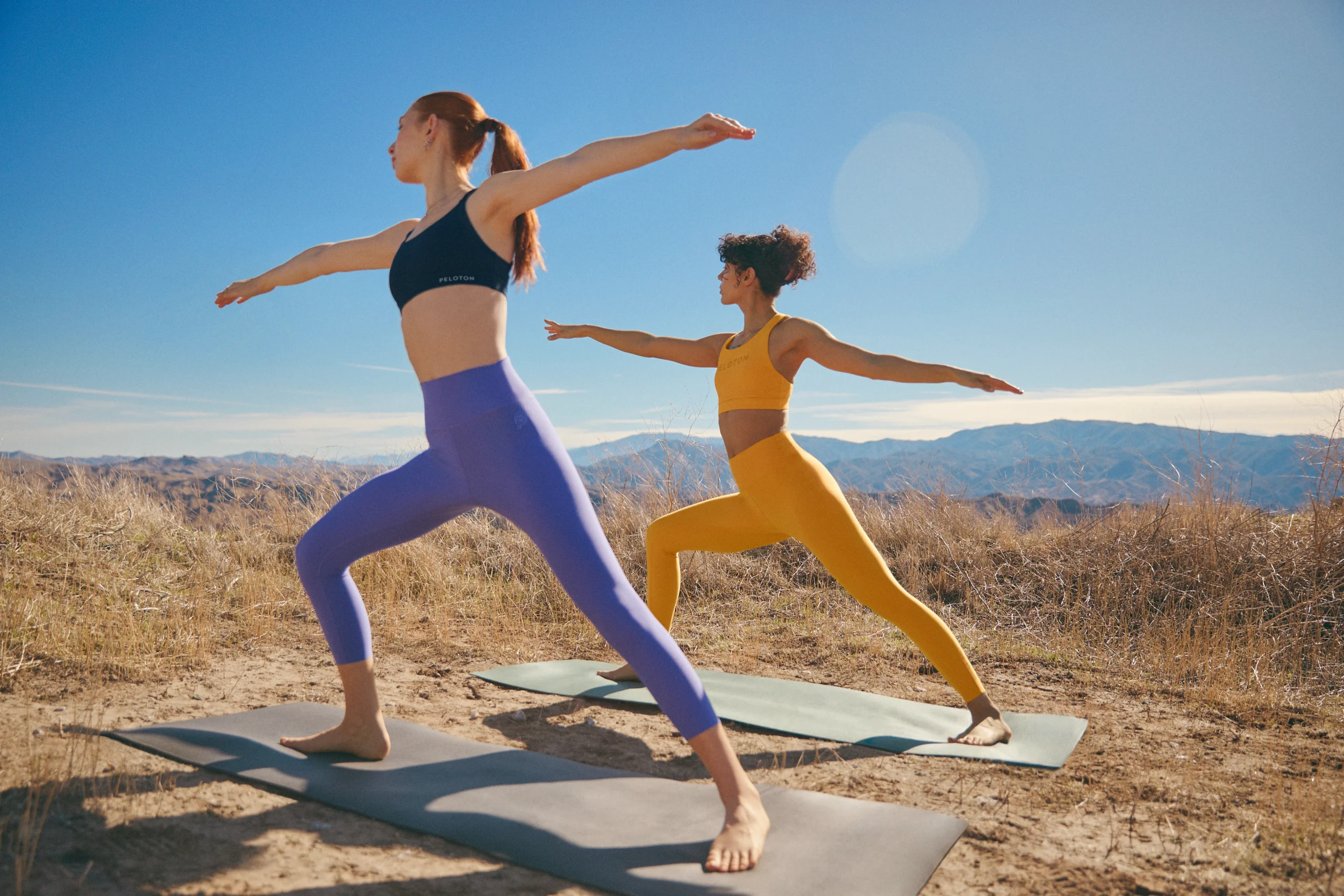
Strength in yoga is rarely about how long I can hold a plank or how deep I can fold forward. It is about the way I relate to the practice over years, not weeks. The mat has become less of a stage where I perform and more of a place where I build a relationship with patience, discipline, and humility. Strong practitioners are not defined by dramatic poses but by the quiet resilience they cultivate day after day.
I have watched people chase peak poses with urgency, only to burn out or walk away frustrated. I have also seen steady practitioners move slowly, miss days, return again, and somehow grow stronger in ways that are not immediately visible. The difference between the two is rarely talent or flexibility. It is mindset, and that mindset is rooted in time.
Playing The Long Game
A long-term mindset reshapes the way I see progress. Instead of asking what I can achieve this month, I ask who I am becoming this year. This shift softens the urgency that often creeps into physical practice and replaces it with steady commitment.
When I play the long game, I am less attached to quick results. I stop measuring success by visible milestones alone and begin to value consistency. Missing one practice no longer feels like failure because I know I am committed to returning the next day.
This perspective also changes how I respond to plateaus. Rather than seeing them as obstacles, I recognize them as seasons of integration. Growth does not always look dramatic, and the long game reminds me that quiet seasons are often the ones that build the deepest roots.
Discipline Over Motivation
Motivation is unpredictable. Some mornings I wake up energized and eager to move, while other days the mat feels miles away. If I relied only on motivation, my practice would be scattered and inconsistent.
Discipline carries me when inspiration fades. It is the quiet decision to show up even when I do not feel particularly inspired. Over time, this steady rhythm becomes more reliable than any burst of excitement.
Strong practitioners build rituals that make showing up easier. I roll out my mat at the same time most days, even if the session is short. The habit becomes less negotiable, and the practice becomes part of the structure of my life rather than a hobby I visit occasionally.
Respecting The Body’s Timeline
Bodies adapt at their own pace. Tendons strengthen more slowly than muscles, and flexibility unfolds gradually when given consistent attention. Pushing aggressively for rapid results often leads to setbacks that could have been avoided.
Respecting my body’s timeline has required humility. I have had to scale back intensity when I felt capable of doing more, trusting that restraint today supports longevity tomorrow. Strength built over years feels different from strength forced in months.
Injuries have taught me more about patience than any advanced pose ever could. Recovering from strain forced me to rebuild from foundational movements. That rebuilding phase revealed how powerful slow, intentional progress can be when I stop rushing ahead.
Process Over Outcome
It is tempting to fixate on achieving certain poses. Handstands, arm balances, and deep backbends can easily become symbols of success. However, focusing solely on the outcome narrows the richness of the practice.
The long-term mindset redirects attention to the process. I begin to notice how I breathe in transitions, how I respond to discomfort, and how I maintain focus when fatigue sets in. These subtle details shape the quality of my practice far more than any single pose.
When the process becomes the priority, outcomes tend to unfold naturally. Strength builds gradually because I am engaged with the work itself rather than obsessing over the end result. The practice becomes sustainable because it is driven by curiosity and presence instead of pressure.
Embracing Cycles Of Growth And Rest
Progress in yoga is rarely linear. Some weeks I feel open and powerful, while other weeks I feel tight and distracted. Accepting these cycles prevents unnecessary frustration.
Rest is not a sign of weakness but part of long-term strength. Incorporating lighter days or restorative sessions allows my nervous system to reset. Recovery supports the next phase of growth, even if it does not look impressive on the surface.
Strong practitioners trust that stepping back can be as valuable as pushing forward. By honoring natural fluctuations in energy, I maintain a practice that can endure through different seasons of life. Consistency does not mean intensity every day; it means staying connected through changing rhythms.
Mental Resilience On The Mat
Physical strength is visible, but mental resilience is what sustains it. Long holds in challenging poses reveal more about my inner dialogue than about my muscles. I notice whether I panic, criticize myself, or breathe steadily through discomfort.
Cultivating resilience means staying present when the pose becomes demanding. I practice softening my reaction instead of escaping the moment. Over time, this skill transfers beyond the mat into daily challenges.
A long-term mindset nurtures patience with mental fluctuations as well. Some sessions feel scattered, and my focus drifts repeatedly. Instead of judging those days harshly, I treat them as opportunities to practice returning to the breath again and again.
Humility As A Strength
Ego can easily slip into physical practice. It shows up when I compare myself to others or when I feel the need to prove something through advanced shapes. This mindset often leads to overexertion and disappointment.
Humility grounds me in reality. I accept that progress is personal and that each body has unique strengths and limitations. Letting go of comparison frees energy that I can invest back into my own development.
Strong practitioners recognize that mastery is never complete. Even seasoned yogis return to foundational poses and refine alignment details. Approaching practice with curiosity rather than pride keeps growth alive over decades.
Consistency Through Life Transitions
Life rarely stays stable for long. Work demands increase, family responsibilities shift, and unexpected events disrupt routines. A long-term mindset adapts rather than collapses under these changes.
During busy seasons, I shorten my sessions instead of abandoning them. Ten focused minutes can maintain connection when an hour feels impossible. This flexibility preserves continuity and prevents all-or-nothing thinking.
Major life transitions can also reshape the way I practice. Aging, pregnancy, career shifts, or relocation may require modifications. Strong practitioners adapt their approach without abandoning their commitment to growth.
Measuring Progress Differently
Traditional measures of progress focus on external achievements. Deeper backbends, longer holds, or more complex sequences often become benchmarks. While these milestones can be motivating, they do not capture the full scope of development.
I have learned to measure progress by internal shifts. Am I calmer under pressure? Do I recover from frustration more quickly? Can I stay present during discomfort without reacting impulsively?
These subtle transformations reveal the true impact of long-term practice. Physical capacity may fluctuate, but inner steadiness tends to expand with consistent effort. That steadiness becomes the foundation for sustainable strength.
Patience With Plateaus
Plateaus can feel discouraging. Weeks may pass without noticeable improvement in flexibility or endurance. The temptation to push harder or switch methods can become strong during these periods.
Patience reframes plateaus as integration phases. My body and nervous system consolidate previous gains before advancing again. Forcing rapid change often disrupts this natural rhythm.
Strong practitioners remain steady during these quieter phases. They refine technique, deepen breath awareness, and trust the cumulative effect of consistent work. Eventually, progress resumes, often more solidly than before.
The Role Of Community
While yoga can be deeply personal, community strengthens long-term commitment. Practicing alongside others fosters accountability and inspiration. Shared experiences create a sense of belonging that supports resilience.
I have found that observing others navigate their own challenges reminds me that struggle is universal. Conversations after class often reveal that even advanced practitioners face doubts and setbacks. This perspective softens my self-criticism.
Community also encourages humility. Witnessing diverse bodies and journeys reinforces that strength manifests in many forms. The long-term mindset thrives in environments where growth is celebrated without comparison.
Integrating Philosophy Into Practice
Physical postures are only one dimension of yoga. Ethical principles, breath control, and meditation deepen the practice beyond muscular strength. Integrating these elements expands the meaning of long-term commitment.
Reflecting on values such as non-harm and truthfulness influences how I treat myself during challenging sequences. I become less harsh in my inner dialogue and more attentive to subtle signals from my body. This alignment between philosophy and movement supports longevity.
Meditation reinforces the patience cultivated on the mat. Sitting quietly with my thoughts mirrors the discipline of holding a pose. Both practices require steady attention and acceptance of imperfection.
Sustainable Ambition
Ambition is not inherently negative. It can motivate growth and inspire exploration of new possibilities. However, sustainable ambition balances drive with compassion.
I set goals that challenge me without compromising my well-being. Instead of forcing rapid progression, I break aspirations into manageable steps. This approach preserves enthusiasm while protecting against burnout.
Strong practitioners maintain curiosity over many years. They explore variations, refine alignment, and experiment with new sequences without abandoning foundational work. Sustainable ambition fuels steady evolution rather than dramatic spikes of effort.
Aging With Strength
Time changes the body. Flexibility may shift, recovery may take longer, and certain poses may feel different than they once did. A long-term mindset embraces these changes rather than resisting them.
Strength evolves with age. It may become less about extreme ranges of motion and more about stability, balance, and joint integrity. Adapting goals to align with current capacity keeps the practice relevant.
I have grown to appreciate how maturity deepens awareness. Subtle alignment cues become more meaningful, and breath awareness sharpens. Aging within the practice reveals that strength is not confined to youth but enriched by experience.
Commitment Beyond Perfection
Perfectionism can sabotage long-term growth. Expecting flawless sessions sets unrealistic standards that are difficult to maintain. When practice does not meet these standards, discouragement often follows.
Commitment, however, survives imperfection. I allow sessions to be messy, distracted, or shorter than planned. Showing up imperfectly still reinforces identity as a practitioner.
Strong practitioners return repeatedly, regardless of how the previous session unfolded. They understand that consistency outweighs perfection. Over years, this attitude builds resilience that cannot be achieved through sporadic bursts of excellence.
Trusting The Cumulative Effect
The most powerful shifts often happen gradually. Months of steady practice quietly strengthen muscles, stabilize joints, and regulate the nervous system. These cumulative effects may not be obvious day to day, but they transform capacity over time.
Trusting this process reduces anxiety about immediate results. I remind myself that each session contributes to a larger arc of development. Even brief practices add value when repeated consistently.
Looking back over years, I can see how far I have come not because of dramatic breakthroughs but because of small, repeated efforts. The long-term mindset reveals that strength is built through accumulation rather than intensity alone.
Carrying The Mindset Off The Mat
The habits formed in yoga spill into other areas of life. Patience cultivated during long holds influences how I navigate difficult conversations. Discipline developed through daily practice supports professional and personal goals.
Resilience learned on the mat becomes resilience in uncertainty. I recognize that setbacks are part of growth rather than signs of failure. This perspective shapes decisions and responses beyond physical practice.
The long-term mindset ultimately transforms identity. I no longer see yoga as an activity I perform but as a way I relate to effort, challenge, and time. Strong practitioners embody this orientation, carrying steadiness into every aspect of life.
Strength built over years is quiet and enduring. It is rooted in discipline, humility, and patience rather than spectacle. The mat becomes a training ground not only for muscles but for perspective.
This mindset does not promise rapid transformation. It offers something deeper: sustainable growth that withstands changing seasons. In committing to the long arc of practice, I discover that strength is less about what I can do today and more about who I am becoming over a lifetime.



The Long-Term Mindset of Strong Practitioners

Habit Stacking for Daily Yoga

How to Reignite a Stalled Practice

Mastering Patience in Skill-Based Poses

The 1% Better Method on the Mat

The 7-Day Reset Challenge
How to Reignite a Stalled Practice

The 25-Minute Sweat Flow That Feels Like a Reset Button

The Silent Strength Flow (Minimal Transitions, Maximum Burn)

The Ladder Flow Method for Progressive Strength
The 7-Day Reset Challenge