Reset
The 7-Day Reset Challenge

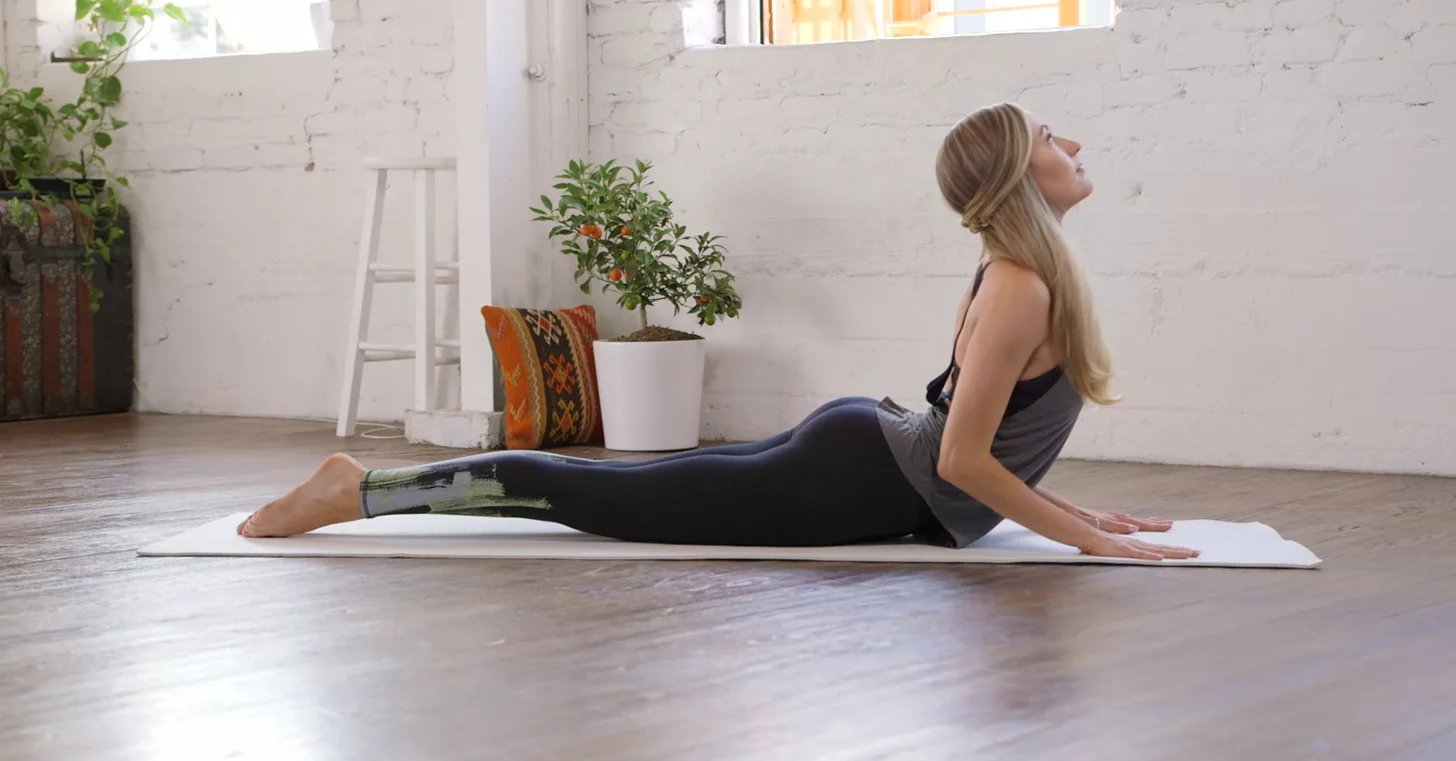
My body always tells the truth before my mind is ready to admit it. Tight shoulders, shallow breathing, restless sleep, and that heavy mental fog are signals that I have drifted too far from my center. The 7-Day Reset Challenge grew out of those moments when I realized I needed a structured return to balance. Instead of waiting for burnout to force me into rest, I began carving out seven intentional days to realign my body, breath, and habits.
This challenge is not about extreme detoxes or punishing workouts. It is about gentle discipline and conscious awareness. For seven days, I commit to simple, repeatable practices that restore clarity and energy without overwhelming my schedule. By the end of the week, I feel lighter, steadier, and more connected to myself.
Below is the exact framework I follow and share with my students. Each day builds on the previous one, layering physical movement, breathwork, mindfulness, and small lifestyle shifts. The rhythm is realistic and sustainable, which is why it works.
Day 1: Clear The Physical And Mental Clutter
The reset begins with space. On the first day, I focus on clearing both my physical environment and my mental noise. I tidy my yoga corner, wash my mat, open windows, and let fresh air move through my home. A clean space makes it easier to move with intention and breathe deeply.
On the mat, I keep the practice simple. I flow through Cat-Cow, gentle spinal twists, Child’s Pose, and a slow forward fold. Each movement is paired with steady nasal breathing. The goal is not intensity but awareness, as I scan my body and notice where tension has settled.
Mentally, I journal for at least ten minutes. I write down everything that feels heavy or unresolved without editing myself. Seeing my thoughts on paper prevents them from circling endlessly in my head. By the end of Day 1, I already feel a subtle shift toward calm.
Day 2: Reconnect With Breath
Breath is the fastest way to reset my nervous system. On the second day, I prioritize pranayama before any physical practice. I sit comfortably, close my eyes, and begin with five minutes of deep diaphragmatic breathing. My inhales expand my ribcage fully, and my exhales are slow and complete.
After that, I practice alternate nostril breathing. This technique balances the left and right hemispheres of the brain and creates a sense of inner steadiness. Even five to seven minutes makes a noticeable difference in my mental clarity.
The asana practice on Day 2 is slow and grounding. I hold poses such as Low Lunge, Warrior II, and Seated Forward Fold for longer than usual. The breath guides the duration, and I leave the mat feeling anchored rather than depleted.
Day 3: Nourish From Within
Food and hydration play a quiet yet powerful role in how I feel. On the third day, I become more mindful of what I consume. I drink warm water with lemon in the morning and increase my intake of whole foods, vegetables, and simple meals.
Yoga on this day focuses on digestion and gentle detoxification. Twists take center stage, including Supine Twist and Revolved Chair Pose. Twisting stimulates internal organs and encourages circulation, which supports the body’s natural cleansing processes.
I also reduce digital consumption. Social media and constant notifications can overwhelm the mind as much as processed food overwhelms the body. Limiting screen time creates more mental spaciousness and improves sleep quality that night.
Day 4: Build Gentle Strength
By the fourth day, I feel lighter and more aware. This is when I introduce strength-building flows that energize without exhausting me. Sun Salutations become slightly more dynamic, and I add Plank variations and Chair Pose to activate my core and legs.
Strength in yoga is not just about muscles. It is about resilience and stability. Holding a challenging pose teaches me how to breathe through discomfort rather than resist it. That lesson carries into daily life when stress arises.
After the more active sequence, I cool down with a long Savasana. Rest is just as important as effort, and I allow my body to integrate the work I have done. This balance between activation and relaxation is essential for sustainable progress.
Day 5: Release Emotional Tension
Stress often settles in the hips, jaw, and shoulders. On Day 5, I intentionally focus on releasing those areas. Hip-opening poses such as Pigeon and Butterfly can bring unexpected emotions to the surface, so I approach them with patience.
During longer holds, I practice steady breathing and observe any sensations without judgment. If frustration or sadness arises, I allow it to move through me rather than suppress it. Emotional release is a natural part of deep physical work.
Off the mat, I schedule quiet time. This might mean taking a slow walk without headphones or sitting with a cup of tea in silence. Giving myself space to feel without distraction strengthens my emotional awareness.
Day 6: Cultivate Mindful Presence
The sixth day centers on meditation and intentional living. I begin with a slow, mindful flow that emphasizes transitions as much as poses. Moving deliberately from one posture to another trains my attention to stay present.
After the physical practice, I sit for meditation. I focus on a simple mantra or on the sensation of breath entering and leaving my nostrils. Thoughts inevitably appear, but I let them pass without chasing them.
Throughout the day, I practice mindful actions. I eat without scrolling, listen fully in conversations, and notice the sensation of my feet on the ground. These small acts of presence accumulate and create a sense of calm clarity.
Day 7: Reflect And Integrate
The final day is not about intensity but integration. I return to a gentle, full-body flow that combines elements from the previous days. Twists, strength poses, hip openers, and restorative stretches come together in a balanced sequence.
After practice, I journal again. I compare how I feel now with how I felt on Day 1. The difference is usually profound, even if subtle. My sleep improves, my thoughts are clearer, and my body feels more open.
Reflection helps me identify which habits I want to carry forward. The reset is not meant to be a temporary fix but a reminder of what works. Even after the challenge ends, I continue at least one or two practices daily.
How To Prepare For The Challenge
Preparation makes the week smoother. Before starting, I review my schedule and block out at least twenty to thirty minutes each day for practice. Treating this time as a non-negotiable appointment increases the likelihood of consistency.
I also set realistic expectations. The reset is about progress, not perfection. If a day feels busy, I shorten the practice instead of skipping it entirely. Five mindful minutes are better than none.
Gathering simple tools can enhance the experience. A comfortable mat, a journal, a water bottle, and perhaps a bolster or cushion for meditation are enough. The focus remains on internal shifts rather than external equipment.
Common Challenges And How I Navigate Them
Motivation can fluctuate during any seven-day commitment. On days when I feel resistant, I remind myself why I started. The memory of past resets and how much better I felt afterward pushes me to unroll my mat.
Physical soreness may appear, especially after strength-focused sessions. Gentle stretching and hydration usually ease discomfort. Listening to my body prevents overexertion and keeps the challenge supportive rather than draining.
Mental distractions are another hurdle. When my thoughts wander during practice, I return to my breath. Each return strengthens my focus and gradually reduces internal noise.
The Long-Term Impact
Completing the 7-Day Reset Challenge often feels like pressing a refresh button on my entire system. My posture improves, my digestion feels lighter, and my emotional responses become steadier. The consistency of daily attention builds momentum that extends beyond the week.
The challenge also strengthens my relationship with discipline. Showing up for seven consecutive days reinforces trust in myself. That trust spills into other areas of life, from work commitments to personal goals.
Most importantly, I rediscover how little it takes to feel aligned. Small, intentional actions performed consistently can create profound change. The reset becomes less about transformation and more about remembering who I am beneath the noise.
Making It Your Own
Personalizing the challenge keeps it sustainable. Some weeks I extend each session to forty-five minutes, while other times I focus on shorter practices paired with longer meditations. The structure remains the same, but the intensity adapts to my current season of life.
Listening to your body is essential. If a pose feels wrong, modify it or replace it. Yoga is not about forcing shapes but cultivating awareness and compassion.
Inviting a friend to join can add accountability and connection. Sharing reflections at the end of each day deepens the experience and provides mutual encouragement.
The 7-Day Reset Challenge is not a quick fix or a trend. It is a gentle yet powerful commitment to pause, breathe, and realign. Each time I complete it, I am reminded that balance is not something I find once and keep forever. It is something I return to, again and again, with intention and care.



The Long-Term Mindset of Strong Practitioners

Habit Stacking for Daily Yoga

How to Reignite a Stalled Practice

Mastering Patience in Skill-Based Poses

The 1% Better Method on the Mat

The 7-Day Reset Challenge
The 1% Better Method on the Mat

The 25-Minute Sweat Flow That Feels Like a Reset Button

The Silent Strength Flow (Minimal Transitions, Maximum Burn)
The 7-Day Reset Challenge

Resetting After Travel and Long Flights
