Reset
Micro-Sessions for Busy Schedules

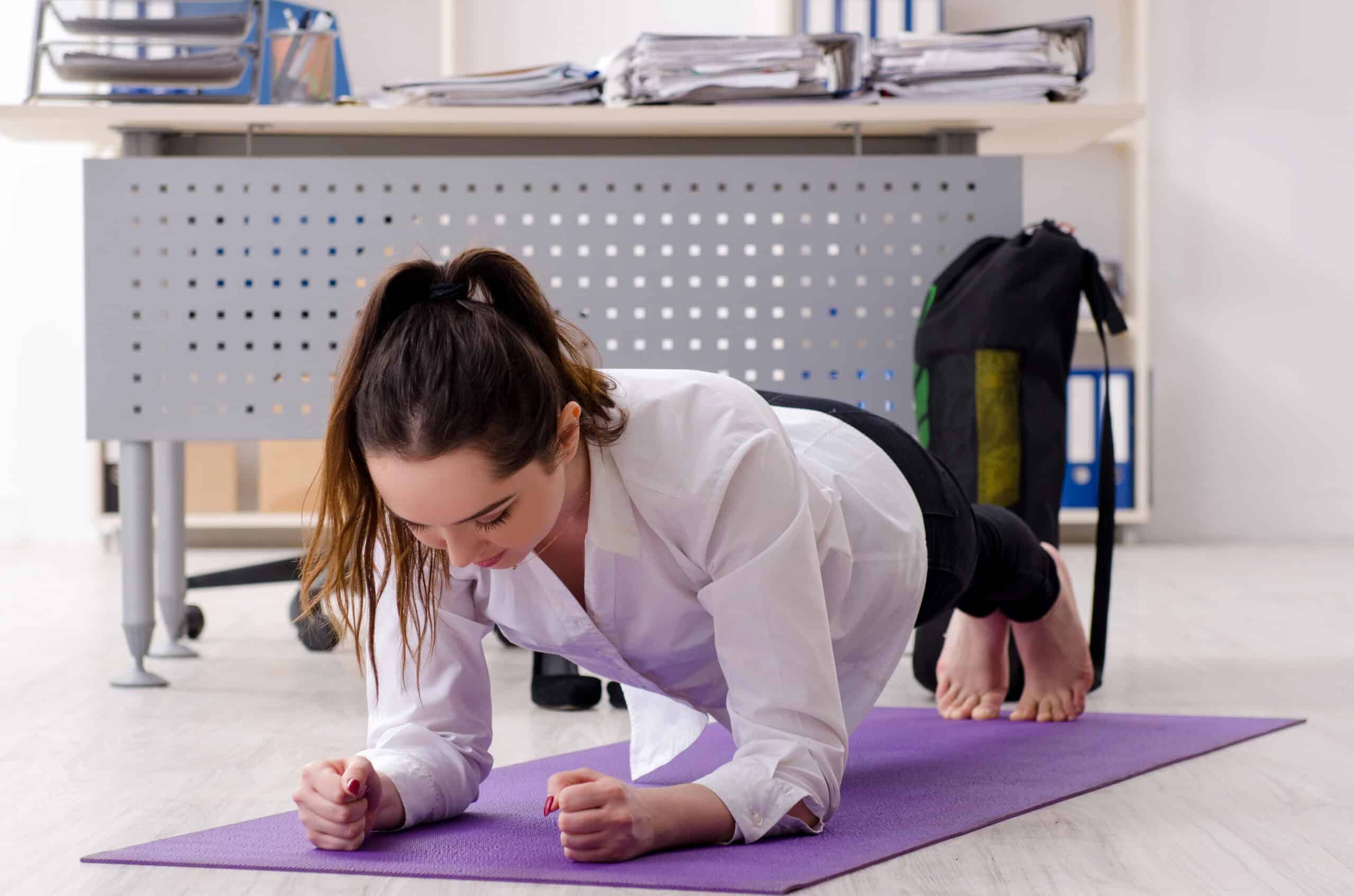
Time has a way of slipping through my fingers on the days when I need it most. My calendar fills up with meetings, errands, deadlines, and family responsibilities, and somehow my own well-being ends up at the bottom of the list. For a long stretch, I believed yoga required a full uninterrupted hour, a quiet room, and a perfectly clear mind. That belief quietly kept me from practicing at all. Once I let go of the idea that yoga had to be long to be meaningful, everything shifted.
Micro-sessions changed the rhythm of my days. Instead of waiting for the ideal window of time, I began weaving short practices into the cracks of my schedule. Five minutes before a call. Eight minutes before bed. Three minutes between tasks. These small pockets of movement and breath have become anchors that steady me, especially when life speeds up.
A micro-session is not a watered-down version of yoga. It is a focused, intentional pause that meets me exactly where I am. The length may be short, but the impact can be profound. Over time, these brief practices have built consistency, resilience, and a deeper relationship with my body than sporadic long sessions ever did.
Why Short Practices Work
Long sessions certainly have their place, yet consistency matters more than duration. I noticed that when I committed to even five minutes daily, my body responded more positively than when I practiced for ninety minutes once a week. The repetition created familiarity, and familiarity made it easier to return to the mat without resistance.
Short practices lower the barrier to entry. On a busy morning, telling myself I only need to move for six minutes feels manageable. That small promise removes the mental negotiation that often derails longer plans. Once I begin, I frequently discover that those six minutes feel spacious rather than rushed.
Physiologically, micro-sessions still stimulate circulation, mobilize joints, and calm the nervous system. A few slow breaths can shift my body from a stress response into a more regulated state. Gentle stretches relieve tension in areas that accumulate stress, like the neck, shoulders, and hips. Even brief engagement of muscles helps maintain strength and posture throughout the day.
Mentally, these pauses interrupt the constant forward momentum of productivity. Instead of moving from task to task without awareness, I step back and reset. That reset sharpens my focus and often improves the quality of my work. In that sense, micro-sessions are not a distraction from my responsibilities but a support for them.
Morning Reset in Ten Minutes
Mornings set the tone for everything that follows. If I wake up and immediately reach for my phone, I can feel my nervous system tighten before I even leave bed. A ten-minute morning micro-session helps me claim the day before it claims me.
I begin seated at the edge of my bed or on a mat. A few rounds of slow nasal breathing create space in my chest and belly. I let my exhales lengthen slightly longer than my inhales, which gently encourages calm and clarity. Even two minutes of intentional breathing shifts the quality of my thoughts.
From there, I move into simple spinal motions. Cat and cow stretches awaken my back and bring warmth into stiff muscles. I add gentle neck rolls and shoulder shrugs to release tension that often builds overnight. These movements are not elaborate, but they help me feel connected to my body instead of lost in my to-do list.
I usually finish with a brief standing flow. A few half sun salutations, forward folds, and low lunges create circulation and energy. By the time I step into the shower, I feel awake in a grounded way rather than jolted by caffeine or urgency. Ten minutes has already transformed the texture of my morning.
Midday Desk Break in Five Minutes
Midday fatigue creeps in quietly. My shoulders round toward the screen, my jaw tightens, and my breath becomes shallow. Instead of pushing through that slump, I step away for five intentional minutes.
Standing beside my desk, I interlace my fingers and stretch my arms overhead. I lean gently from side to side, opening the ribcage and inviting deeper breaths. A few slow shoulder rolls and chest-opening stretches counteract the hours spent hunched forward. These movements feel small, yet they create immediate relief.
I often add a standing forward fold, bending my knees generously to protect my lower back. Letting my head hang releases tension from my neck and invites blood flow toward my brain. After several breaths, I roll up slowly and take a moment to notice the difference in my posture.
Those five minutes prevent the stiffness that used to accumulate by late afternoon. They also serve as a mental reset, separating one block of work from the next. Instead of dragging my fatigue into the rest of the day, I return to my tasks with renewed attention.
Evening Unwind in Eight Minutes
Evenings carry their own kind of exhaustion. After fulfilling responsibilities all day, my body often feels wired and tired at the same time. An eight-minute unwind practice helps me transition from activity into rest.
I dim the lights and settle onto the floor. Gentle hip openers like seated forward folds and figure-four stretches release the tension that builds from sitting and standing. I move slowly, letting gravity do most of the work. My breath guides the depth of each stretch.
A short supine twist wrings out the spine and massages the organs. I stay for several breaths on each side, allowing my shoulders to soften toward the ground. The stillness begins to quiet the mental chatter that lingers from the day.
I always end in a brief savasana or supported rest. Even two or three minutes lying still with my eyes closed can feel deeply restorative. By the time I rise, my nervous system has shifted toward calm, and sleep arrives more easily.
Building Consistency Without Overwhelm
Consistency used to intimidate me. I associated it with rigid schedules and high expectations, which felt incompatible with an unpredictable life. Micro-sessions taught me that consistency can be flexible.
I anchor short practices to existing habits. After brushing my teeth, I stretch for three minutes. Before opening my laptop, I take five slow breaths. Linking yoga to routines already in place reduces the effort required to remember.
I also give myself permission to adapt. Some days my micro-session is dynamic and energizing. Other days it consists of lying on the floor with one hand on my belly, simply breathing. Both count. This mindset prevents the all-or-nothing thinking that once derailed my practice.
Tracking progress in subtle ways keeps me motivated. Instead of measuring success by the number of poses mastered, I notice how I feel. My back pain has decreased, my patience has increased, and my sleep feels deeper. These small shifts reinforce the value of showing up regularly, even briefly.
Micro-Sessions for Travel and Commutes
Travel often disrupts routines, yet it also creates pockets of waiting. Airports, train stations, and hotel rooms offer unexpected opportunities for movement. I have learned to view these in-between moments as invitations rather than inconveniences.
In a hotel room, I roll out a towel if I do not have a mat. A few lunges, forward folds, and gentle backbends counteract hours of sitting. The practice does not need to be elaborate to be effective. Ten mindful minutes can offset the stiffness of a long flight.
During commutes, especially if I am a passenger, breathwork becomes my focus. Slow diaphragmatic breathing reduces the stress that traffic can trigger. Subtle seated stretches keep my spine mobile without drawing attention.
These travel micro-sessions maintain a sense of continuity. Instead of abandoning yoga until I return home, I carry it with me in adaptable forms. That portability reinforces the idea that yoga is not confined to a studio or a specific duration.
Strength in Small Doses
Strength training often seems incompatible with short sessions, yet I have found the opposite to be true. Focused, bodyweight sequences can build and maintain muscle in surprisingly little time. The key lies in intentional effort.
I sometimes dedicate seven minutes to a simple circuit. Plank holds, low lunges, chair pose, and slow push-ups engage major muscle groups. By moving with control and steady breath, I create intensity without rushing.
These mini strength sessions fit between meetings or before dinner. They prevent the deconditioning that can occur when exercise is postponed repeatedly. Over weeks and months, the cumulative effect becomes visible and tangible.
Strength cultivated in short bursts also translates into daily tasks. Carrying groceries feels easier, posture improves, and fatigue decreases. The body responds to consistent stimulation, even if that stimulation arrives in small packages.
Rest as a Micro-Practice
Rest itself can be a micro-session. On days when energy runs low, restorative poses provide nourishment without demand. A few minutes with legs up the wall or supported by a chair can relieve swelling and fatigue.
I place a folded blanket under my hips and extend my legs upward. The inversion encourages circulation and offers a fresh perspective. As I breathe slowly, tension drains from my lower back and feet.
Guided relaxation or body scans fit beautifully into short windows. Sitting quietly in my car before entering the house, I scan from head to toe and consciously release tight areas. These moments of rest replenish me in ways that scrolling through my phone never does.
Restful micro-sessions remind me that productivity does not define worth. Slowing down for a few minutes strengthens my capacity to engage fully later. That rhythm of effort and ease feels more sustainable than constant striving.
Shifting the Narrative Around Time
Time often feels like an adversary, yet my relationship with it has softened. Instead of lamenting what I cannot fit into my day, I focus on what I can. Five minutes is enough to breathe. Eight minutes is enough to stretch. Ten minutes is enough to reset.
This shift in perspective extends beyond yoga. I find myself approaching other goals with the same mindset. Small, consistent steps replace grand but unrealistic plans. Progress becomes less dramatic but more dependable.
Micro-sessions have also deepened my appreciation for presence. In a short practice, distractions become obvious quickly. I do not have the luxury of drifting for half an hour. That brevity sharpens my attention and intensifies the experience.
Rather than waiting for spacious weekends or ideal conditions, I engage with what is available. This approach has dissolved the excuse that I am too busy. Busy no longer means disconnected from my body.
Designing Your Own Micro-Sessions
Crafting a personal micro-session begins with honesty. I ask myself what I need in this moment. Energy, calm, strength, or release each call for different movements and breath patterns.
If I feel scattered, I prioritize grounding poses and slow breathing. If I feel sluggish, I incorporate dynamic sequences and stronger engagement. The practice becomes responsive rather than prescriptive.
Variety keeps these sessions fresh. Some days I focus on hips, other days on shoulders or balance. Rotating emphasis prevents boredom and addresses different physical demands.
Simplicity remains essential. Three to five poses practiced with attention can be more impactful than a rushed sequence of twenty. I resist the urge to overcomplicate, reminding myself that clarity often yields better results than complexity.
The Long-Term Impact of Small Moments
Over months of integrating micro-sessions, subtle transformations have accumulated. My body feels more mobile, and injuries that once flared frequently have diminished. Stress still arises, but my response to it has softened.
Relationships have benefited as well. Taking short pauses prevents me from carrying tension into conversations. I listen more fully and react less impulsively. That ripple effect extends far beyond the mat.
Most importantly, these small practices have reshaped my identity. I no longer see myself as someone who struggles to find time for yoga. I see myself as someone who prioritizes well-being in realistic, adaptable ways.
Micro-sessions prove that depth does not depend on duration. Presence, intention, and consistency create meaningful change. Even on the busiest days, a few mindful minutes remind me that I inhabit a body worthy of care.
Life will likely continue to move quickly. Deadlines will emerge, responsibilities will multiply, and quiet hours may remain rare. Within that movement, I carry the quiet power of short, deliberate pauses. Those pauses sustain me, one breath and one stretch at a time.



The Long-Term Mindset of Strong Practitioners

Habit Stacking for Daily Yoga

How to Reignite a Stalled Practice

Mastering Patience in Skill-Based Poses

The 1% Better Method on the Mat

The 7-Day Reset Challenge
The 1% Better Method on the Mat

The 25-Minute Sweat Flow That Feels Like a Reset Button

The Silent Strength Flow (Minimal Transitions, Maximum Burn)
The 7-Day Reset Challenge

Resetting After Travel and Long Flights
