Mobility
Building Range Without Forcing Flexibility

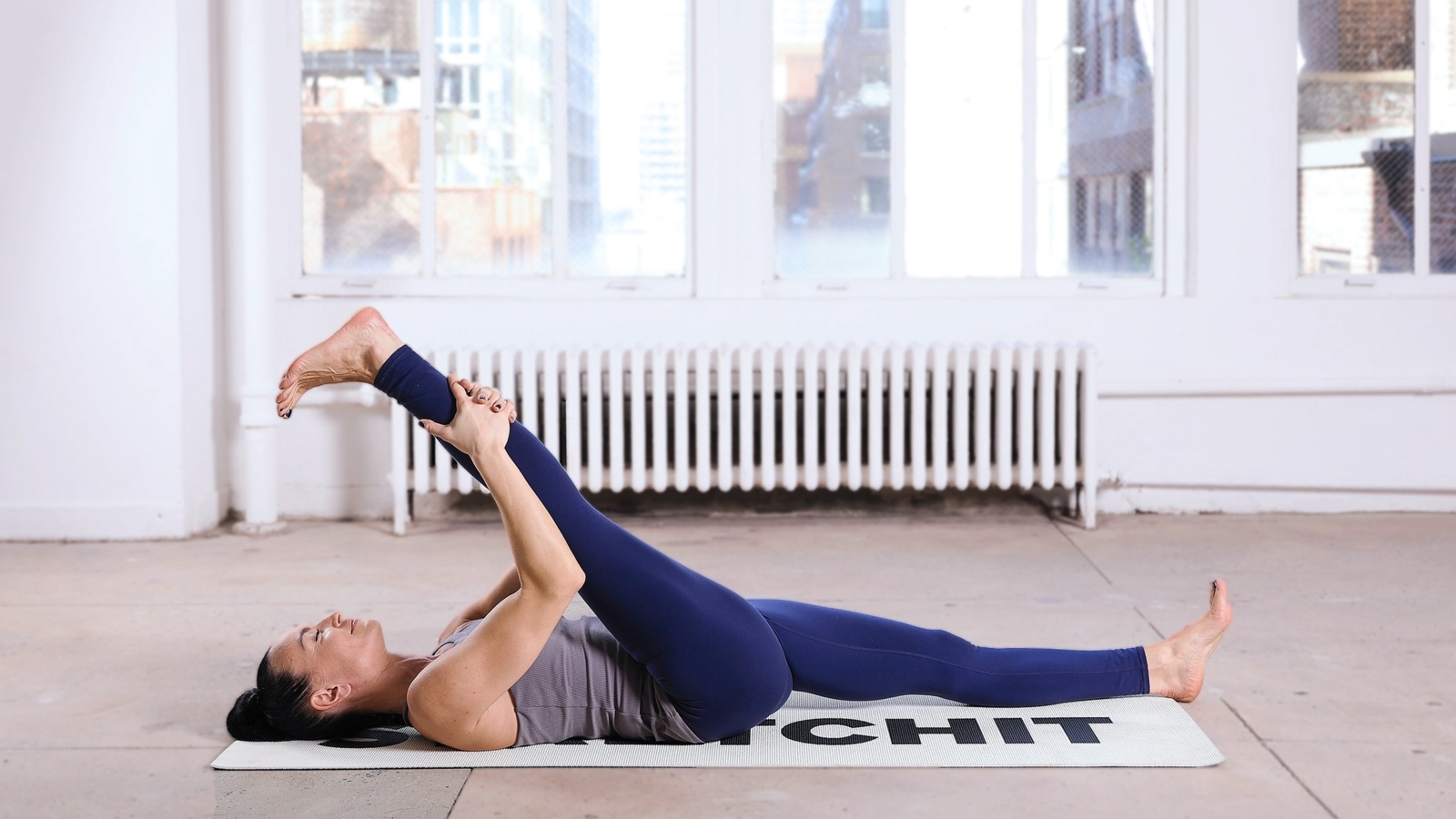
Flexibility has always been marketed as a badge of honor in yoga spaces. Photos of dramatic backbends and oversplits flood our feeds, quietly suggesting that depth equals success. For a long time, I measured my progress by how far I could go into a pose, not by how it felt in my body. Eventually, that mindset caught up with me in the form of tight hamstrings, irritated hips, and a lingering sense that I was fighting myself more than flowing.
Building range without forcing flexibility became a turning point in my practice. It shifted my focus from chasing shapes to cultivating capacity. I began to notice that sustainable mobility feels different from temporary stretch. It feels steady, integrated, and surprisingly calm.
This article is about how I built that kind of range. It is about respecting limits without shrinking from growth. It is about strength, patience, breath, and the subtle art of allowing the body to open on its own terms.
Flexibility Versus Range of Motion
Flexibility is often described as the ability of a muscle to lengthen. Range of motion, on the other hand, includes not just muscle length but joint capacity, nervous system tolerance, and strength through movement. I did not fully appreciate this difference until I realized I could drop into a deep forward fold but struggled to control my leg in a slow lift.
That discrepancy revealed something important. Passive flexibility without strength is like having access to a room without knowing how to move safely inside it. It may look impressive, but it lacks stability. True range of motion means I can actively move into and out of positions with control.
Once I grasped this distinction, my training shifted. I stopped chasing extreme depth and began cultivating usable mobility. The difference was subtle at first, but over time it changed everything about how I moved.
The Nervous System Sets the Pace
Stretching is not only about muscles. The nervous system plays a major role in how far we can safely move. If the brain senses threat or instability, it will signal the body to tighten, no matter how determined we are to relax.
I learned this lesson during long holds in hip openers. The more I forced myself down, the more my body resisted. My breath shortened, my jaw clenched, and the stretch became a battle. Once I began softening my breath and easing into the edge rather than pushing past it, the sensation shifted from strain to expansion.
Building range became less about force and more about communication. Slow breathing, steady eye focus, and relaxed facial muscles signaled safety. In that state, my body allowed greater depth naturally.
Strength as the Foundation of Mobility
For years, I believed stretching alone would increase flexibility. I spent hours in passive poses hoping time would do the work. What finally made a difference was incorporating strength at my end ranges.
In poses like low lunges, I began gently engaging the back leg instead of collapsing into it. In forward folds, I activated my quadriceps to support my hamstrings. This engagement did not reduce the stretch; it made it more stable.
Strength tells the nervous system that I can control the position. When my muscles are strong in a lengthened state, my brain feels safer allowing more range. Over time, my flexibility became less fragile and more reliable.
Moving Slowly Into the Edge
Speed can mask tension. I noticed that when I rushed into a pose, I bypassed subtle signals from my body. Slowing down changed that dynamic completely.
Transitioning gradually into stretches allowed me to sense where resistance began. Instead of pushing through it, I hovered just before it intensified. That space, right before discomfort turns sharp, became my working zone.
Staying there with steady breath allowed the tissues to adapt. Sometimes the range increased within a minute. Other times it stayed the same, but the quality of the stretch improved. Either way, I left the pose feeling nourished rather than depleted.
Active Range Training
One of the most transformative additions to my practice was active range training. Rather than passively hanging out in stretches, I began lifting limbs, rotating joints, and pulsing gently at the edge of my mobility.
In seated straddle, for example, I would hinge forward slightly and then lift my torso using my own muscular effort. In splits preparation, I practiced lifting my front heel slightly off the floor. These small actions strengthened my body in extended positions.
The results were gradual but noticeable. My hamstrings felt less strained, and my hips felt more stable. Active work required patience, but it created changes that lasted.
Respecting Individual Anatomy
Not all limits are meant to be overcome. Bone structure, joint orientation, and connective tissue differences mean that no two bodies will move exactly alike. Accepting this reality relieved a quiet pressure I had been carrying.
In deep hip openers, I realized my anatomy simply did not favor extreme external rotation. Forcing it led to discomfort in my knees. Once I respected that boundary and focused on my own optimal range, my practice became safer and more satisfying.
Yoga is not a competition against someone else’s skeleton. It is an exploration of my own. Honoring anatomical truth allowed me to build range where it was available instead of fighting where it was not.
Breath as a Guide
Breath reveals whether I am forcing. Shallow, strained breathing is a clear sign that I have moved too far. Smooth, steady breathing indicates that my nervous system feels safe.
In longer holds, I began counting slow inhales and exhales. Each exhale invited subtle release. Each inhale created gentle expansion without aggression.
The breath became my measuring tool. If I could not maintain calm breathing, I adjusted the pose. That simple guideline prevented countless instances of overdoing it.
Consistency Over Intensity
Intense stretching sessions once felt productive. I would leave feeling loose and accomplished. By the next day, however, tightness returned, sometimes worse than before.
Short, consistent mobility sessions proved far more effective. Ten to fifteen minutes of focused, mindful work several times a week built more lasting change than occasional extremes. The tissues adapted because the stimulus was regular and manageable.
This approach required humility. It asked me to value steady progress over dramatic breakthroughs. Over time, the accumulation of small efforts produced significant gains.
Rest and Recovery Matter
Pushing range every day can backfire. Muscles and connective tissues need time to integrate change. Ignoring recovery led me to subtle inflammation and persistent soreness.
Incorporating rest days and gentle movement allowed my body to absorb the work. Light flows, walking, and even simple breath practices supported mobility without strain. Recovery became part of progress rather than an interruption.
Honoring rest also deepened my awareness. On quieter days, I noticed improvements that intense sessions had masked. My body felt more cooperative when it was not constantly being challenged.
Releasing the Comparison Trap
Social media can distort our perception of normal mobility. Images of extreme poses can make moderate range feel inadequate. I found myself striving for shapes that did not reflect my own needs or structure.
Letting go of comparison transformed my relationship with flexibility. My practice became less about proving something and more about exploring sensation. Progress felt personal rather than performative.
Range built from self-respect carries a different quality. It feels integrated and authentic. It also tends to last longer because it is rooted in reality rather than ego.
Pain Is Not the Goal
Discomfort and pain are not the same. Mild stretch sensation can be productive, but sharp or lingering pain is a warning. Ignoring that distinction delayed my progress more than once.
In hamstring stretches, I learned to differentiate between muscular tension and nerve irritation. Backing off slightly often allowed me to work more effectively. The goal shifted from intensity to sustainability.
Respecting pain signals did not limit my growth. It protected it. Building range without forcing flexibility depends on honoring those signals rather than overriding them.
Integrating Mobility Into Daily Life
Mobility gains fade if they exist only on the mat. Bringing awareness into daily movements reinforced what I practiced in yoga. Simple actions like squatting to pick something up or reaching overhead with control became opportunities for mindful range.
Sitting less and moving more throughout the day supported my hips and spine. Small adjustments, such as standing up every hour, prevented stiffness from accumulating. The body thrives on variety and gentle challenge.
Integrating mobility into daily life made flexibility feel functional rather than decorative. The range I built became useful, not just visible.
Patience as a Practice
Flexibility changes slowly, especially in adulthood. Expecting rapid transformation creates frustration. Accepting gradual progress fosters resilience.
Some weeks, I noticed clear improvements. Other times, my range plateaued. Viewing plateaus as part of the process helped me stay steady.
Patience softened my practice. Instead of demanding more from my body, I partnered with it. That partnership made growth sustainable.
A Sustainable Path Forward
Building range without forcing flexibility has reshaped how I experience yoga. My practice feels grounded and steady. I move with more confidence because my strength supports my mobility.
The dramatic shapes no longer define success for me. Instead, I measure progress by how stable and pain-free I feel in daily life. My joints feel supported, and my breath remains calm even in deeper positions.
This approach requires awareness, restraint, and consistency. It asks me to listen closely and respond wisely. The reward is a body that opens gradually and stays open, not because it was pushed, but because it was invited.
Range built this way carries a quiet power. It reflects respect for the body’s intelligence. It honors growth without aggression, and it allows flexibility to emerge as a byproduct of strength, patience, and mindful attention.



The Long-Term Mindset of Strong Practitioners

Habit Stacking for Daily Yoga

How to Reignite a Stalled Practice

Mastering Patience in Skill-Based Poses

The 1% Better Method on the Mat

The 7-Day Reset Challenge
The 1% Better Method on the Mat

The 25-Minute Sweat Flow That Feels Like a Reset Button

The Silent Strength Flow (Minimal Transitions, Maximum Burn)
The 7-Day Reset Challenge

Ignite Your Energy with This Fast-Paced Sunrise Sequence
