Mobility
Desk Job Recovery Flow for Stiff Bodies

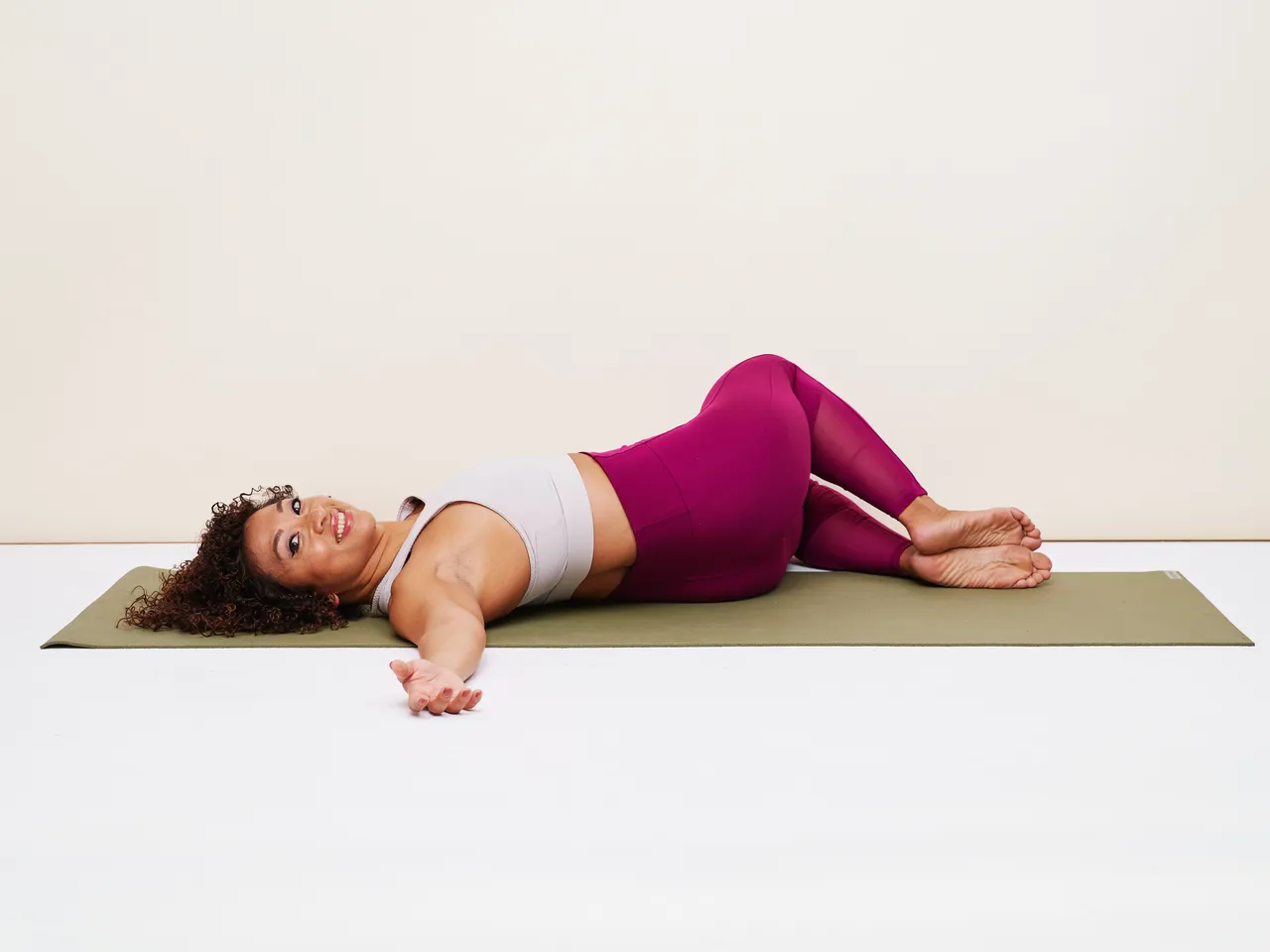
Hours at a desk can quietly reshape the body. The shoulders round forward, the hips lock into flexion, and the neck cranes toward a glowing screen. By the end of the day, I can feel it in my lower back, in the tight grip across my chest, and in the dull ache behind my eyes. Over time, those small daily compressions add up, and movement starts to feel like effort instead of freedom.
I built a desk job recovery flow because I needed something practical, repeatable, and realistic. Long, elaborate sequences were not going to happen after a full workday. I wanted a flow I could practice in 20 to 30 minutes that would undo the most common desk-bound patterns and help my body feel balanced again. What emerged is a sequence I return to again and again, especially on days when stiffness feels louder than motivation.
This flow is designed for stiff bodies, tired minds, and people who spend more time sitting than they would like. It focuses on opening the hips, extending the spine, mobilizing the shoulders, and restoring breath capacity. The goal is not to chase extreme flexibility. The goal is to feel at home in your body again.
Why Desk Work Creates Stiffness
A typical desk posture pulls the body into hip flexion, spinal flexion, and internal rotation of the shoulders. That means the hip flexors shorten, the glutes become less active, and the chest tightens. Meanwhile, the upper back rounds and the neck juts forward, placing extra strain on the cervical spine. Even with good ergonomics, long static holds limit circulation and joint lubrication.
I notice that after several hours of typing, my hamstrings feel taut when I stand. My lower back can feel compressed, and my shoulders resist moving overhead. None of this is dramatic in a single day, but repeated over months and years, it shapes how I move. The body adapts to what we do most, and for many of us, that means sitting.
The antidote is not punishment or forcing deep stretches. It is intelligent, progressive movement that reintroduces extension, rotation, and strength into patterns that have gone quiet. This recovery flow does exactly that, step by step.
How I Structure The Flow
The sequence follows a simple arc: breathe, mobilize, activate, lengthen, and integrate. I start on the floor to reduce load and give the nervous system a sense of safety. From there, I move into low lunges and gentle backbends to open the hips and chest. I finish with standing shapes that integrate the changes into more functional positions.
Each section builds on the previous one. Instead of jumping straight into intense stretches, I prepare the joints and tissues first. That preparation makes the deeper shapes feel supportive rather than aggressive. The entire flow can be shortened or extended depending on time, but the order remains consistent.
I move slowly and breathe deliberately. Rushing through mobility work defeats the purpose. The nervous system needs steady, calm input to release tension that has been accumulating all day.
Step One: Supine Reset And Breath Expansion
I begin lying on my back with my knees bent and feet on the floor. One hand rests on my chest and the other on my belly. I take slow breaths through my nose, aiming to expand the ribcage in all directions instead of lifting the shoulders. After a day of shallow chest breathing, this simple practice feels surprisingly challenging.
On each inhale, I imagine widening across the collarbones and into the side ribs. On each exhale, I gently draw the ribs down and feel my lower back soften into the mat. This breath pattern helps decompress the spine and re-engage the diaphragm. Five to ten slow breaths can shift my entire state from wired to grounded.
From here, I add gentle pelvic tilts. I rock my pelvis forward and back, alternating between a small arch in the lower back and a gentle flattening. The movement is subtle but powerful, bringing awareness to the lumbar spine and restoring motion that sitting tends to dull.
Step Two: Cat-Cow With Lateral Movement
I roll onto all fours for Cat-Cow. On the inhale, I drop my belly, lift my chest, and extend through the spine. On the exhale, I round deeply, pressing the floor away and spreading my shoulder blades. After several rounds, I begin to explore side bending, shifting my ribs toward one hip and then the other.
This multidirectional movement feels like oiling stiff hinges. The thoracic spine, which often gets locked in flexion at a desk, starts to regain its ability to extend and rotate. I pay special attention to my upper back, inviting space between each vertebra.
Sometimes I pause in a rounded position and breathe into the back ribs. At other times, I hold the extended shape and focus on lifting my sternum forward. The intention is not speed but sensation. I want to feel where movement is limited and gently invite more range.
Step Three: Low Lunge With Hip Flexor Release
From all fours, I step one foot forward into a low lunge. My back knee stays down, cushioned if needed. I shift my hips forward just enough to feel a stretch along the front of the back hip. After hours of sitting, this area can feel dense and resistant.
I add an arm reach overhead, bending slightly away from the back leg to intensify the stretch along the hip flexor and side body. The key is to keep the glute of the back leg lightly engaged. That activation protects the lower back and directs the stretch into the hip rather than the lumbar spine.
Breathing deeply here changes the experience. Instead of bracing against the sensation, I allow the exhale to soften the tissue. After several breaths, I often feel a subtle release, as if the front of the hip has more room. I repeat on the other side, noticing any differences.
Step Four: Half Split For Hamstring Length
From the low lunge, I shift my hips back into a half split. The front leg straightens while the hips draw backward. I keep a slight bend in the knee if needed and hinge from the hips rather than collapsing the spine.
Desk work can make the hamstrings feel both tight and weak. In this shape, I focus on length without strain. I flex and point the front foot a few times to add gentle nerve gliding. This dynamic element often reduces the sharp pulling sensation behind the knee.
I avoid forcing my forehead toward my shin. The goal is to create space along the back of the leg and into the calf. After several breaths, I transition smoothly back into the lunge and then switch sides.
Step Five: Prone Chest Opener
Lying on my belly, I extend one arm out to the side at shoulder height. I gently roll onto that arm, opening the chest and front of the shoulder. This shape counters the internal rotation that comes from typing and scrolling.
I keep the sensation moderate. If the stretch feels sharp in the shoulder joint, I reduce the angle. The intention is to open the pectoral muscles and the front of the deltoid without stressing the joint capsule.
After a handful of breaths, I switch sides. I often notice that one shoulder is significantly tighter, usually the one I use more with the mouse. Simply acknowledging that asymmetry helps me adjust my work habits later.
Step Six: Sphinx Or Low Cobra
From prone, I press into my forearms for Sphinx. My elbows stack under my shoulders, and I gently lift my chest. The lower body stays grounded. This mild backbend restores extension to a spine that has spent the day flexed forward.
I focus on length rather than height. Instead of cranking into the lower back, I imagine pulling my chest forward and up. The front of the body opens, and the abdomen receives a gentle stretch.
If Sphinx feels easy, I press into Low Cobra, lifting my chest slightly higher with minimal weight in the hands. I keep my gaze forward or slightly down to avoid compressing the neck. Five to eight steady breaths here can feel like a reset button for the entire front line of the body.
Step Seven: Downward Facing Dog With Pedaling
From hands and knees, I lift into Downward Facing Dog. I bend one knee at a time, pedaling through the legs. This dynamic action warms the calves and hamstrings while lengthening the spine.
I prioritize a long spine over straight legs. If my hamstrings are tight, I keep both knees slightly bent and focus on pressing my hips back. The shoulders also get a stretch here, especially if I rotate the upper arms externally.
After several breaths, I hold still for a few cycles, feeling the traction through my back. The inversion encourages circulation and can clear the mental fog that often follows long hours of screen time.
Step Eight: Supported Bridge For Glute Activation
I lower onto my back and set up for Bridge Pose. Pressing into my feet, I lift my hips and engage my glutes. This is not just a stretch; it is a strengthening moment. Sitting tends to switch off the glutes, and reactivating them is essential for spinal support.
I imagine squeezing a block between my thighs to keep my knees aligned. The front of the hips opens while the back body works. After several breaths, I lower slowly, feeling each vertebra meet the mat.
Sometimes I place a block under my sacrum for a supported version. In that variation, I can relax more fully while still receiving gentle hip extension. Both options serve a purpose depending on how fatigued I feel.
Step Nine: Seated Twist For Spinal Rotation
Sitting upright, I cross one leg over the other and twist toward the bent knee. The twist originates from the mid-back rather than the neck. I use each inhale to lengthen my spine and each exhale to rotate slightly deeper.
Rotation is often neglected in daily life. Most desk movements are linear and forward-facing. Adding controlled twists restores balance to the spinal segments.
I keep my jaw relaxed and my shoulders down. After several breaths, I unwind and switch sides. The difference between sides often reveals how I habitually sit or carry tension.
Step Ten: Standing Integration Flow
To finish, I stand and move through a gentle flow of Forward Fold, Half Lift, and a soft standing backbend. In the Forward Fold, I bend my knees generously and let my head hang. In the Half Lift, I lengthen my spine and broaden my chest.
The standing backbend is subtle. I place my hands on my hips and lift my sternum upward without collapsing into the lower back. This final extension reinforces the posture I want to carry into the next day.
I repeat this mini flow several times, linking it with my breath. By the end, I feel taller and more connected to the ground. The stiffness that greeted me at the start has softened into manageable sensation.
Making It Sustainable
Consistency matters more than intensity. I would rather practice this recovery flow four times a week at moderate effort than push too hard once and skip the rest of the month. The body responds well to regular reminders of healthy movement.
On especially busy days, I shorten the sequence to just breathwork, low lunges, and Bridge Pose. Even ten minutes can interrupt the cycle of stiffness. The key is to remove the barrier of perfection and focus on progress.
Over time, I have noticed tangible changes. My hips feel less locked when I stand from my chair. My shoulders move more freely overhead. The nagging lower back tension that once felt inevitable has become occasional rather than constant.
Listening To The Body’s Feedback
Some days my body wants more mobility work. Other days it craves strength and stability. Paying attention to that feedback helps me adjust the flow without abandoning it.
Pain is different from stretch sensation. If I feel sharp or joint-based discomfort, I ease out and modify. Respecting those signals builds trust between me and my body.
Desk work may not disappear from my life, but its impact does not have to dominate how I feel. This recovery flow is my way of negotiating with modern demands while honoring physical health.
Carrying The Benefits Into The Workday
The effects of this practice extend beyond the mat. I sit more upright without forcing it. I take short standing breaks more naturally because my body remembers how good movement feels.
Sometimes I perform a few pelvic tilts or shoulder rolls between meetings. Those micro-movements reinforce what the longer flow teaches. Gradually, the line between practice and daily life becomes thinner.
Stiffness from a desk job is common, but it is not permanent. With deliberate movement, breath awareness, and steady repetition, the body regains resilience. This desk job recovery flow continues to support me, one evening at a time, as I trade tension for ease and compression for space.



The Long-Term Mindset of Strong Practitioners

Habit Stacking for Daily Yoga

How to Reignite a Stalled Practice

Mastering Patience in Skill-Based Poses

The 1% Better Method on the Mat

The 7-Day Reset Challenge
How to Reignite a Stalled Practice

The 25-Minute Sweat Flow That Feels Like a Reset Button

The Silent Strength Flow (Minimal Transitions, Maximum Burn)
The 1% Better Method on the Mat
The 7-Day Reset Challenge
