Mobility
The Mobility Pyramid for Sustainable Progress

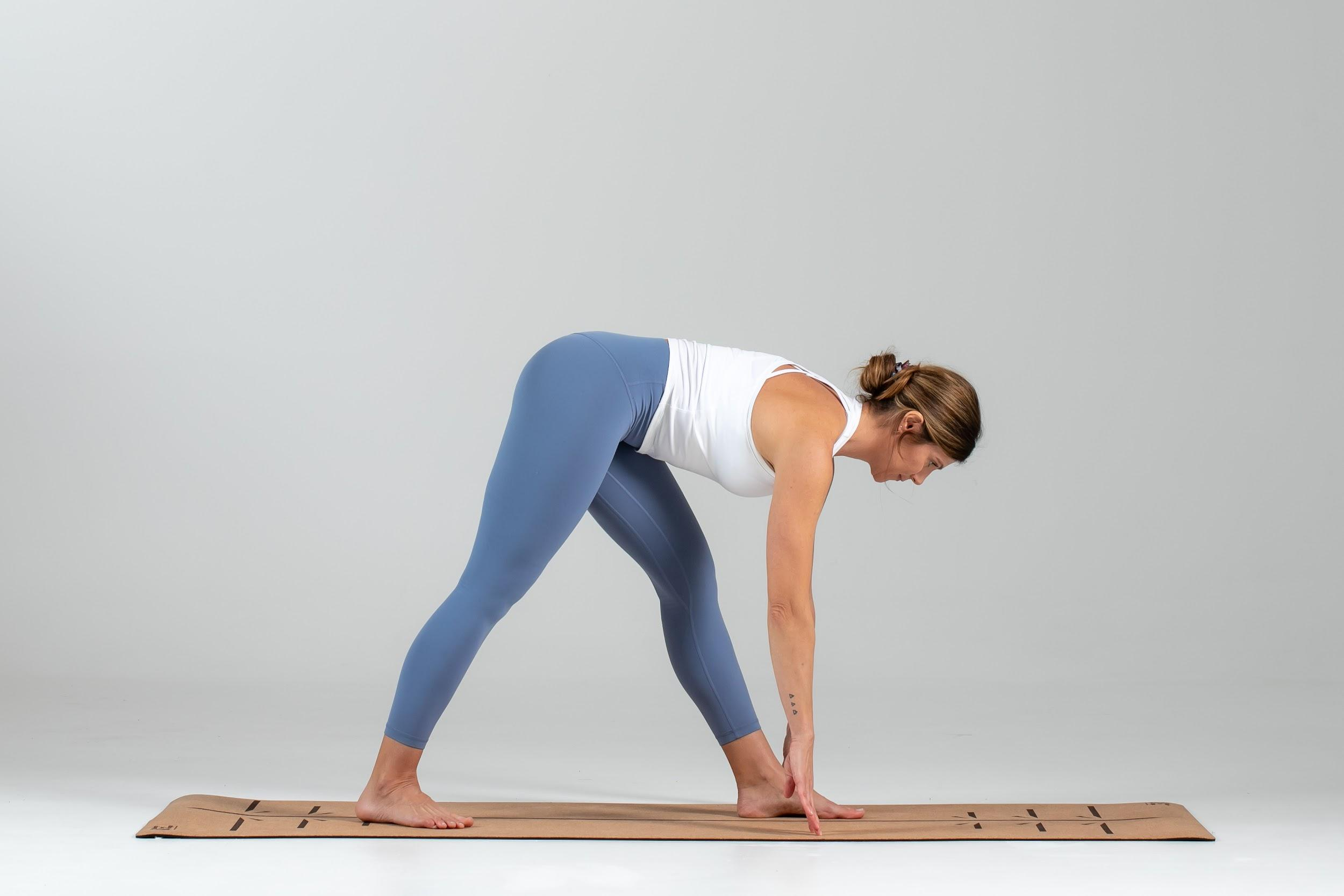
Mobility work changed the way I practice yoga long before it changed the way I move. I used to think flexibility alone was the marker of progress, that deeper poses meant a stronger body and a more disciplined practice. Over time, patterns of stiffness, minor aches, and plateaus forced me to reconsider that belief. That shift led me to build what I now call the Mobility Pyramid, a layered framework that organizes how I train for sustainable, long-term progress rather than short bursts of performance.
The Mobility Pyramid is not a rigid system. It is a hierarchy of priorities that ensures each level supports the next, much like a physical pyramid relies on its base to carry everything above it. Without a stable foundation, intensity and complexity eventually collapse under strain. This model has reshaped how I structure classes, personal sessions, and even recovery days, because it gives clarity about what truly deserves attention first.
The Foundation: Joint Health And Control
At the base of my Mobility Pyramid lies joint health and control. This level focuses on the small, often ignored movements that nourish the body rather than impress an audience. Controlled articular rotations, slow circular motions of the shoulders, hips, spine, wrists, and ankles, form the groundwork of everything else I do.
I dedicate time to moving each joint through its available range with deliberate muscular engagement. That engagement is what transforms passive flexibility into usable mobility. Without it, range of motion remains fragile and unreliable under load. Joints thrive on circulation, and slow rotational movement stimulates the synovial fluid that keeps them resilient and adaptable.
This foundation has reduced the background stiffness I once accepted as normal. My hips feel more integrated, my shoulders more responsive, and my spine more articulate. Instead of forcing depth in poses, I cultivate control at the edges. That shift has made my practice feel less like a contest and more like a conversation with my body.
The Second Layer: Active Range Of Motion
Once joint health is supported, I move into active range of motion. This layer emphasizes lifting, holding, and controlling limbs at the outer limits of flexibility. It bridges the gap between simple joint rotations and more demanding strength-based postures.
For example, I might lift my straight leg as high as possible without using my hands and hold it for several breaths. That effort teaches the nervous system that the range is safe and usable. Passive stretching alone never gave me that sense of stability.
Active range work builds strength in positions that once felt vulnerable. Instead of collapsing into deep hip openers, I engage the surrounding musculature to own the position. The difference becomes evident in balancing poses, transitions, and even daily tasks like climbing stairs or reaching overhead.
This layer demands patience because progress is often subtle. Muscles tremble, coordination falters, and fatigue arrives quickly. Still, the consistency of controlled effort compounds over weeks and months, reinforcing the base rather than skipping ahead.
The Third Layer: Strength Through Range
Strength through range sits at the center of the pyramid. This is where mobility meets load, and flexibility becomes functional. It involves applying resistance across expanded ranges, ensuring that newfound motion does not disappear under pressure.
I incorporate slow eccentric movements, such as lowering into a deep lunge while resisting gravity, or pressing out of a squat with deliberate control. These patterns build connective tissue tolerance and muscular endurance. Without them, deeper mobility can feel unstable and fleeting.
This layer transforms yoga postures from static shapes into dynamic training tools. A low lunge becomes an opportunity to strengthen the hip flexors in lengthened positions. A deep backbend becomes a test of spinal control rather than passive compression.
My knees and shoulders once protested intense sessions because they lacked support in extended positions. After prioritizing strength through range, those complaints diminished. Load, applied thoughtfully, reinforces rather than erodes structural integrity.
The Fourth Layer: Integrated Movement Patterns
Integrated movement patterns occupy the next tier. At this stage, isolated joint control and strength coalesce into coordinated sequences. The body must communicate across multiple joints and muscle groups simultaneously.
Sun salutations, dynamic flows, and controlled transitions between poses serve as practical laboratories for integration. I pay attention to how my hips coordinate with my spine, how my shoulders stabilize during weight-bearing, and how my breath guides timing. Each sequence becomes less about speed and more about quality of execution.
Integration reveals imbalances that isolated drills may conceal. A stable hip in a rotation exercise may falter during a lunge twist. Recognizing those discrepancies allows me to revisit lower layers of the pyramid rather than pushing forward blindly.
This stage also enhances proprioception. My awareness of joint positioning improves, making transitions smoother and less taxing. Movements that once felt disjointed begin to flow with intention, reducing unnecessary strain.
The Apex: Skill And Expression
At the top of the Mobility Pyramid rests skill and expression. This is where advanced poses, creative sequencing, and personal style emerge. The apex is not about performance for its own sake but about expressing a well-supported body.
Arm balances, deep backbends, and complex transitions feel different when supported by strong foundations. They become explorations rather than risky leaps. I no longer chase depth without context because I know what supports it underneath.
Skill at the apex is sustainable only if the base remains strong. Whenever I neglect joint care or active range work, I notice tightness creeping back into my practice. The pyramid reminds me that maintenance is not optional but essential.
Expression becomes authentic when it grows from integrity. I move not to impress but to explore capacity with respect. That mindset shift has deepened my connection to yoga beyond aesthetics.
How The Pyramid Prevents Burnout And Injury
Burnout often arises from overemphasizing the top layers while neglecting the base. I have experienced periods where I prioritized advanced postures without reinforcing joint health. The result was predictable: stiffness, minor injuries, and frustration.
By revisiting the foundation regularly, I create a buffer against overload. Even on days when energy is low, joint rotations and active range drills keep the system engaged without excessive strain. That consistency fosters resilience rather than exhaustion.
The pyramid also encourages gradual progression. Instead of jumping from basic stretches to heavy loaded movements, I evaluate whether each layer feels stable. This stepwise approach reduces impulsive training decisions and keeps progress sustainable.
Applying The Mobility Pyramid To A Weekly Practice
In practical terms, I structure my week to touch each layer intentionally. Early sessions might emphasize joint health and active range work, especially after rest days. Midweek practices often focus on strength through range and integrated flows.
Toward the end of the week, I may experiment with skill-based movements, but only if the lower layers feel solid. If fatigue accumulates, I scale back to foundational work rather than forcing complexity. That flexibility within structure keeps momentum steady.
Even short sessions can honor the pyramid. Ten minutes of controlled joint rotations and active lifts maintain the base during busy periods. Over time, these small investments yield noticeable improvements in comfort and control.
The Role Of Breath In The Pyramid
Breath weaves through every layer of the pyramid. Slow inhalations and steady exhalations regulate the nervous system, allowing deeper access to range without triggering protective tension. Without breath awareness, mobility work can become aggressive and counterproductive.
During active range drills, I synchronize effort with exhalation to reduce unnecessary gripping. In strength-through-range exercises, breath maintains rhythm and prevents bracing patterns that restrict movement. Integrated flows rely on breath for timing and cohesion.
The apex also depends on breath for composure. Challenging postures feel less intimidating when respiration remains steady. Breath transforms effort into meditation, anchoring intensity in calm awareness.
Psychological Benefits Of A Layered Approach
The Mobility Pyramid has also reshaped my mindset. It removes the pressure to constantly perform at peak levels because progress becomes multidimensional. Even if I am not advancing in complex skills, strengthening the foundation still counts as meaningful work.
This layered model fosters patience. Rather than feeling stalled, I recognize that refining lower tiers supports future breakthroughs. The process becomes cyclical instead of linear, with revisits to foundational elements seen as maintenance rather than regression.
Confidence grows from reliability. Knowing that my joints are prepared and my ranges are supported reduces fear during exploration. That psychological safety enhances enjoyment and long-term consistency.
Adapting The Pyramid Over Time
Bodies evolve, and so must the pyramid. Periods of stress, travel, or illness may require extended focus on foundational layers. During intense training cycles, I may allocate more time to strength and integration while still preserving joint care.
Age also influences priorities. As recovery demands increase, foundational practices become even more critical. The pyramid is not static; it shifts emphasis while maintaining hierarchy.
Feedback guides adaptation. Tightness, soreness, or fatigue signal that lower layers need reinforcement. Rather than viewing these signals as setbacks, I treat them as information directing my next session.
Sustainable Progress As A Long-Term Commitment
Sustainable progress is less dramatic than rapid transformation, yet far more satisfying. Small, consistent investments in joint control and active range accumulate into tangible improvements. Over years, these habits shape a body that moves with confidence and ease.
The Mobility Pyramid anchors that commitment. It offers clarity when trends or social media tempt me to skip foundational work. By honoring each layer, I protect the longevity of my practice.
This framework continues to evolve alongside my experience, but its core remains constant. A strong base supports expressive movement, and patient progression outlasts fleeting intensity. The pyramid stands not as a rigid rulebook but as a reminder that depth built on stability will always endure.



The Long-Term Mindset of Strong Practitioners

Habit Stacking for Daily Yoga

How to Reignite a Stalled Practice

Mastering Patience in Skill-Based Poses

The 1% Better Method on the Mat

The 7-Day Reset Challenge
How to Reignite a Stalled Practice

The 25-Minute Sweat Flow That Feels Like a Reset Button

The Silent Strength Flow (Minimal Transitions, Maximum Burn)

The Ladder Flow Method for Progressive Strength
The 7-Day Reset Challenge