Flow
Tempo Yoga: Why Speed Changes Everything

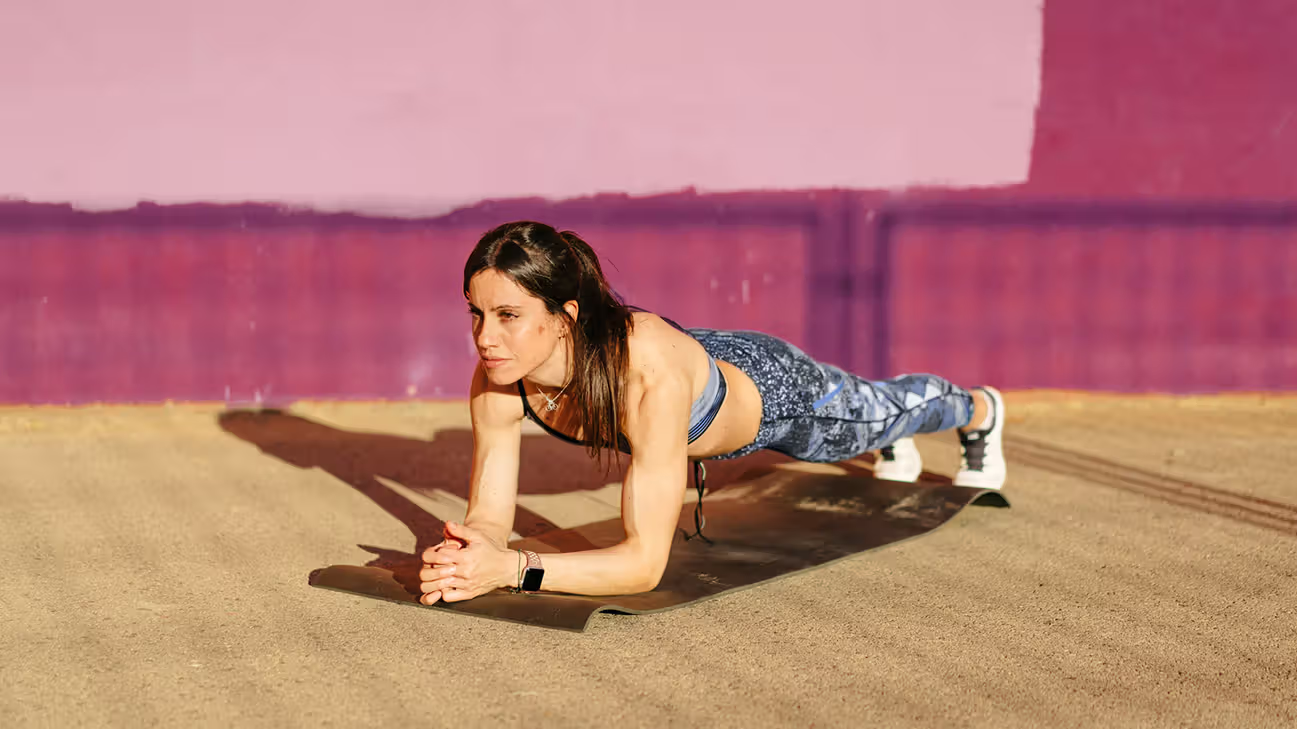
Yoga looks calm from the outside. Slow breaths, steady poses, quiet rooms. Yet tempo has a way of reshaping everything I thought I knew about practice. The speed at which I move through a sequence can turn a familiar flow into a strength session, a moving meditation, or an emotional release that catches me off guard.
Tempo yoga is not a trendy spin on tradition. It is a deliberate shift in pacing that changes how muscles fire, how breath deepens, and how attention settles. By adjusting speed, I have felt the same pose transform from restful to relentless. That contrast is what makes tempo such a powerful teacher.
The pace of movement influences the nervous system in subtle but profound ways. Slow transitions tend to draw me inward, stretching the spaces between thoughts. Faster sequences demand focus and coordination, pulling me fully into the present moment. Speed becomes a tool, not a distraction.
Yoga is often marketed as slow and soothing, but tempo reveals another side. It shows that rhythm is a spectrum. Somewhere between stillness and intensity lies a practice that can be shaped to match what my body and mind need on any given day.
The Power of Pace in Practice
Speed alters how a pose feels long before it changes how it looks. Moving slowly into Warrior II makes my thighs tremble as time under tension increases. Holding the pose for extended counts deepens the burn and exposes subtle misalignments that quick transitions might hide. That steady pace forces honesty in a way that surprises me.
In contrast, flowing through Sun Salutations at a brisk tempo builds heat quickly. My heart rate climbs, sweat beads on my skin, and breath becomes the anchor that keeps everything from spiraling. The rhythm becomes almost musical, and I feel carried by momentum rather than stalled by effort.
Pace also affects balance. Slow entries into Tree Pose require deliberate control, engaging stabilizing muscles in the feet and hips. Quick entries demand reflex and agility, testing coordination. Both approaches build strength, but in different ways.
This shift in tempo can even change emotional tone. A slow sequence often feels introspective, encouraging patience and awareness. A faster flow feels invigorating, shaking off mental fog and inviting confidence. The same mat, the same poses, yet a completely different experience.
Slow Tempo and Deep Muscle Engagement
Slowing down exposes weakness without judgment. Lowering into Chaturanga over a five-count descent challenges my triceps more than dropping quickly ever did. The extended time under tension builds strength and control that carries into other areas of practice. It also teaches me to stay with discomfort instead of rushing past it.
Long holds in poses such as Crescent Lunge create a steady, almost meditative strain. Muscles begin to quiver, but the breath steadies them. In those moments, I feel how physical endurance and mental resilience intertwine. Speed is no longer about moving fast; it is about resisting the urge to escape.
This deliberate pacing improves form. Without the rush to transition, I can adjust my hips, align my shoulders, and root evenly through my feet. Small corrections make a significant difference in joint safety and muscular balance. Slower tempo becomes a laboratory for refinement.
I have noticed that recovery also changes with pace. After a slow, strength-focused session, muscles feel worked in a grounded way. The fatigue is deep but satisfying. It feels less like depletion and more like constructive effort.
Fast Tempo and Cardiovascular Fire
Accelerating the flow turns yoga into a dynamic cardiovascular practice. Linking breath with rapid transitions keeps my mind sharp and my body agile. Sun Salutations become less about perfect alignment and more about rhythm and endurance. The mat starts to feel like a training ground.
Heat builds quickly in faster sequences. Sweat drips, and the room feels warmer even if the temperature has not changed. That internal fire often leaves me energized long after practice ends. It clears mental cobwebs in a way that slow flows sometimes cannot.
Quick tempo also sharpens coordination. Moving from Plank to Downward Dog to Forward Fold in one fluid cycle demands precision. Each inhale and exhale becomes a cue for action. If my breath falls out of sync, the entire sequence feels off.
There is a playful quality to faster yoga. The transitions feel like choreography, and I sense a spark of spontaneity. Speed invites experimentation, pushing boundaries while maintaining awareness. It proves that yoga can be both disciplined and dynamic.
Breath as the Metronome
Breath governs tempo more than any external instruction. A slow inhale naturally lengthens movement, stretching transitions into deliberate arcs. Quick, steady breaths accelerate sequences and maintain flow. The lungs become the metronome that sets the pace.
Matching breath to movement is not always easy. In slow practice, extending exhalations requires control and patience. In faster sessions, maintaining deep breaths despite rising heart rate demands stamina. Both situations challenge me differently.
Conscious breathing shapes the nervous system. Longer, slower breaths encourage parasympathetic activation, calming stress responses. Rapid but steady breathing during intense flow can build resilience without tipping into panic. The balance lies in maintaining control.
The connection between breath and speed deepens mindfulness. Each inhale signals expansion, each exhale invites release. Tempo ceases to be random and becomes intentional. That awareness changes the entire tone of practice.
Mental Focus Through Shifting Speed
Altering tempo sharpens mental engagement. Slow practice invites introspection and subtle observation. I notice micro-adjustments in posture and fleeting thoughts passing through awareness. Time feels stretched, almost elastic.
Faster sequences require immediate attention. There is little space for distraction because the body must respond quickly. The mind locks into the present moment to keep up. This form of focus feels active and alert rather than quiet and reflective.
Switching between speeds during one session keeps the mind adaptable. A slow hold followed by a rapid flow creates contrast that heightens awareness. The nervous system learns flexibility instead of settling into monotony.
Mental resilience grows through these variations. Holding stillness despite muscle fatigue builds patience. Maintaining composure during quick transitions builds clarity under pressure. Tempo becomes a training ground for everyday challenges.
Tempo and Emotional Release
Emotions often surface unexpectedly during yoga. Slow, steady pacing can bring buried feelings to the surface. The extended stillness leaves room for reflection that might otherwise be avoided. In those moments, the mat feels like a safe container.
Faster flows can act as a release valve. Moving vigorously shakes loose tension that words cannot touch. I have stepped off the mat after an intense session feeling lighter, as if a weight had shifted internally.
Speed influences emotional processing in subtle ways. Slowness invites contemplation. Swiftness encourages expression through movement. Both are valid pathways to release.
The contrast between the two creates balance. One session might feel like quiet introspection, another like a burst of catharsis. Tempo shapes the emotional landscape without a single word spoken.
Building a Balanced Practice With Tempo
Integrating varied pacing keeps practice from becoming stagnant. Repeating the same speed day after day can dull progress. By shifting tempo intentionally, I challenge muscles, lungs, and focus in new ways.
Planning sessions around goals helps determine pace. On days when strength is the aim, slower transitions and longer holds dominate. When energy feels low or restless, quicker flows reignite motivation. The mat adapts to circumstance.
Listening to the body remains essential. Fatigue, stress, and mood all influence how speed feels. A balanced approach respects those signals rather than forcing intensity.
Tempo yoga teaches adaptability. Life rarely moves at one consistent speed. Practicing with varied pacing builds resilience that extends far beyond the studio.
Practical Ways to Experiment With Speed
Experimentation begins with small adjustments. Extending the descent into a squat by a few counts can reveal new muscular engagement. Accelerating familiar flows slightly can challenge endurance without overwhelming the body.
Using a timer or counting breaths can guide pace. Holding poses for specific breath cycles creates structure. Gradually reducing transition time between poses adds intensity. These tools make tempo tangible.
Switching speeds mid-session offers powerful contrast. A slow, grounding warm-up followed by a brisk flow keeps energy dynamic. Ending with prolonged restorative holds balances effort with ease.
Reflection afterward completes the process. Noticing how each tempo felt provides insight for future sessions. Speed becomes a variable to refine rather than a fixed rule.
Why Speed Truly Changes Everything
Tempo reshapes perception. A pose held slowly feels expansive and demanding at once. The same pose entered quickly feels efficient and energized. The shift in pacing alters physical sensation and mental tone.
Speed influences progress. Slow tempo builds foundational strength and alignment. Fast tempo enhances stamina and coordination. Together, they create a comprehensive practice.
The mat becomes more than a place for repetition. It turns into a space for exploration. By adjusting speed, I discover layers of capability and awareness that static routines might miss.
Yoga thrives on intention. Tempo transforms intention into action. Whether I move slowly or swiftly, the deliberate choice of pace shapes the entire experience. Speed changes everything because it changes how I show up, breathe, and engage with each moment on the mat.



The Long-Term Mindset of Strong Practitioners

Habit Stacking for Daily Yoga

How to Reignite a Stalled Practice

Mastering Patience in Skill-Based Poses

The 1% Better Method on the Mat

The 7-Day Reset Challenge
The 1% Better Method on the Mat

The 25-Minute Sweat Flow That Feels Like a Reset Button

The Silent Strength Flow (Minimal Transitions, Maximum Burn)
The 7-Day Reset Challenge

Ignite Your Energy with This Fast-Paced Sunrise Sequence
