Reset
The Parasympathetic Activation Guide

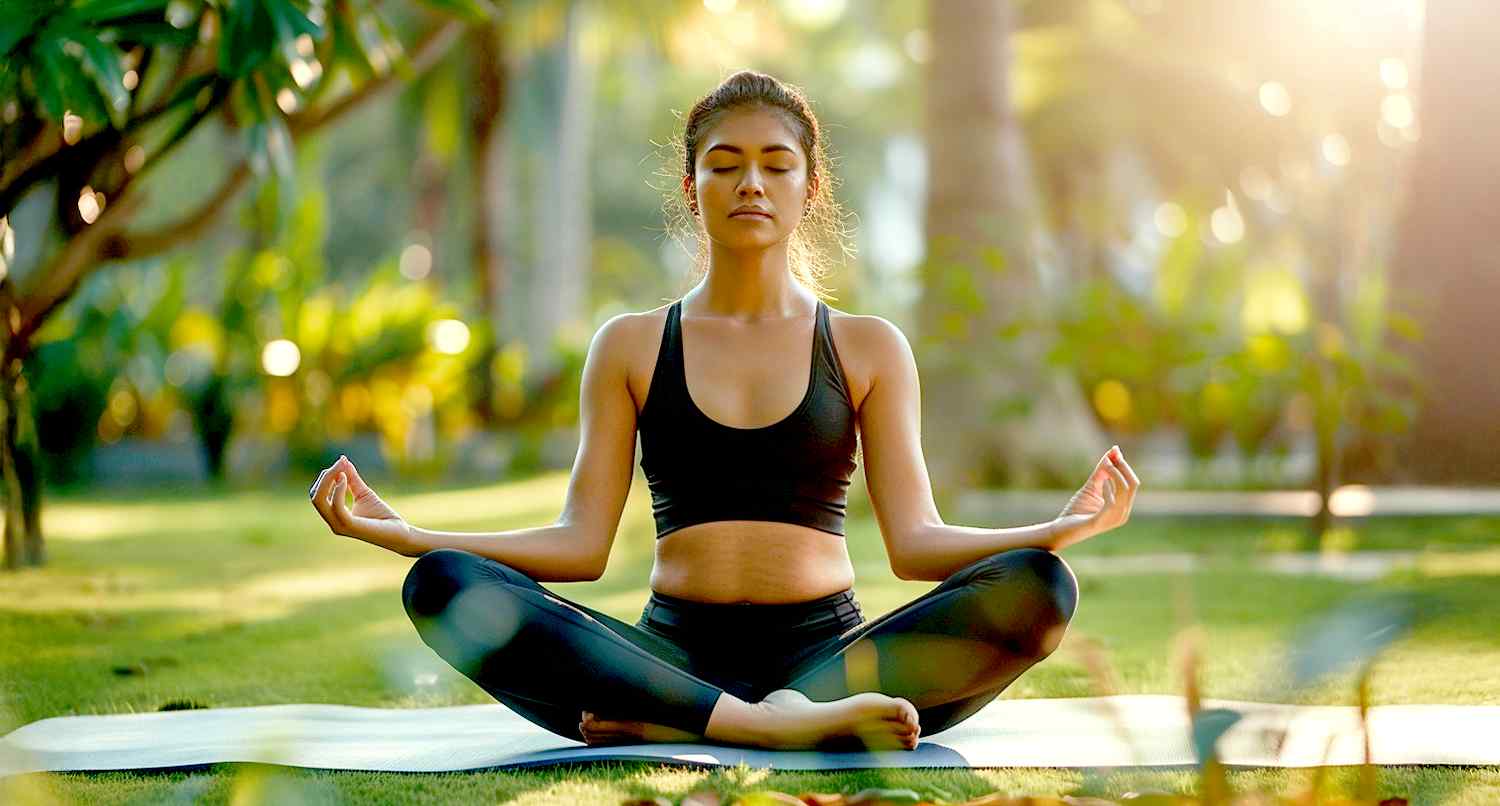
Modern life has a way of pulling the nervous system into overdrive. Notifications buzz, deadlines stack up, and even moments meant for rest are filled with background noise. Over time, I began to notice how tightly wound my body felt, even during quiet hours. My jaw stayed clenched, my breath hovered high in my chest, and sleep felt shallow rather than nourishing. That was the point I realized my system needed more than a quick stretch or a weekend off. It needed consistent parasympathetic activation.
The parasympathetic nervous system is often described as the “rest and digest” branch of the autonomic nervous system. It counterbalances the sympathetic “fight or flight” response that dominates during stress. Activating it shifts the body toward repair, digestion, hormonal balance, and emotional steadiness. In yoga, breathwork, and mindful movement, I found practical tools to access this state without complicated rituals or expensive equipment. This guide is the collection of practices that have grounded me again and again.
What Parasympathetic Activation Really Means
Parasympathetic activation is not laziness or zoning out. It is a physiological shift in which the heart rate slows, breathing deepens, digestion improves, and muscles release unnecessary tension. Blood flow moves away from survival-based responses and toward restoration. In that state, the body can heal small injuries, regulate inflammation, and process emotions more clearly.
Many people assume relaxation happens automatically once stress passes. In reality, chronic stimulation can trap the nervous system in a hyper-alert pattern. I have met students who say they feel exhausted yet wired at the same time. That paradox often signals a system stuck in sympathetic dominance. Parasympathetic activation requires deliberate signals of safety sent through breath, posture, and awareness.
In my own practice, I began noticing how small shifts could signal safety to my body. A longer exhale. A softer gaze. A supported forward fold. These signals accumulate, and over time the body trusts that it can settle.
Why Stress Patterns Become So Persistent
The nervous system is adaptive, but it does not differentiate between a real threat and a constant stream of emails. The same physiological response that helps us avoid danger is triggered by social tension, financial pressure, and digital overload. The body becomes conditioned to brace.
I started to observe my daily habits more closely. I would check messages before taking a full breath in the morning. I would eat quickly, barely tasting food. Even in yoga classes, I sometimes rushed through poses as if chasing productivity instead of presence. These habits trained my system to expect urgency.
Stress patterns persist because they are reinforced. Each shallow breath and each multitasked meal signals that something urgent is happening. Parasympathetic activation interrupts that pattern by slowing the rhythm of daily life. It is less about dramatic change and more about consistent recalibration.
The Role of the Vagus Nerve
The vagus nerve is central to parasympathetic function. It connects the brain to the heart, lungs, and digestive organs, acting as a communication highway between mind and body. When stimulated gently, it supports calmness, steady heart rhythms, and balanced digestion.
Breath is one of the simplest ways to influence vagal tone. Slow, diaphragmatic breathing increases vagal activity and shifts the body into a more relaxed state. Humming, chanting, and extended exhalations also stimulate the vagus nerve because of their impact on the throat and vocal cords.
In my classes, I often guide students through soft humming at the end of practice. The vibration feels subtle but profound. Faces soften, shoulders drop, and the room grows quieter. It is a tangible reminder that calm can be cultivated rather than waited for.
Breathwork for Deep Regulation
Breath is the bridge between voluntary and involuntary processes. I can decide to change my breathing pattern, and in doing so, I influence heart rate and nervous system tone. That accessibility makes breathwork one of the most powerful tools for parasympathetic activation.
One of the first techniques that transformed my state was lengthening the exhale. A simple pattern of inhaling for four counts and exhaling for six or eight counts creates an immediate shift. The longer exhale signals that the body is safe enough to release. I often practice this while sitting in traffic or before opening my laptop.
Another effective practice is diaphragmatic breathing. Placing one hand on the chest and one on the belly, I guide the breath toward the lower hand. This engages the diaphragm and reduces accessory muscle tension in the neck and shoulders. After several minutes, the mind tends to quiet naturally without force.
Alternate nostril breathing also supports balance. By regulating airflow through each nostril in a steady rhythm, I notice a calming clarity that feels grounded rather than sedated. This technique is particularly helpful before sleep or meditation.
Gentle Movement as a Safety Signal
Stillness can be intimidating for a system accustomed to constant stimulation. Gentle, rhythmic movement often provides a more accessible entry point into parasympathetic states. Slow yoga flows, rocking motions, and supported stretches invite the body to unwind gradually.
Forward folds have become one of my favorite poses for calming the nervous system. The subtle compression of the abdomen combined with a lowered head posture feels deeply soothing. When supported with props, the body does not strain, allowing muscles to release rather than resist.
Restorative yoga takes this further by fully supporting the body with bolsters and blankets. In these poses, effort is minimal and time is extended. At first, my mind would wander or resist the stillness. Over weeks of practice, however, my body began to anticipate the relief, settling more quickly each time.
Slow walking can also activate parasympathetic pathways. Matching breath to steps, I feel the rhythm of my body reconnect with its natural pace. This is especially grounding after long periods at a desk.
The Power of Touch and Self-Soothing
Human touch has a profound impact on the nervous system. Gentle pressure and warmth stimulate receptors in the skin that communicate safety. Even self-touch can create measurable shifts in calmness.
One practice I rely on is placing a hand over the heart and another over the belly while breathing slowly. This posture feels simple yet reassuring. It creates a sense of containment and support that quiets internal turbulence.
Warm baths, soft blankets, and mindful self-massage also contribute to parasympathetic activation. These experiences remind the body of comfort. In a world that often values productivity over rest, intentionally engaging in soothing rituals feels like reclaiming balance.
Nutrition and Digestive Rest
The parasympathetic system governs digestion, which is why stress can disrupt appetite and gut health. Eating while distracted or rushed keeps the body in a mild state of alertness. Slowing down during meals becomes a powerful intervention.
I began to treat meals as short mindfulness practices. Sitting down without screens, chewing thoroughly, and taking a few breaths before eating made a noticeable difference. My digestion improved, and I felt more satisfied with less food.
Spacing meals appropriately and avoiding constant snacking also supports digestive rest. The body benefits from clear cycles of eating and fasting, allowing the gut to complete its processes. Simple awareness around food timing and environment can restore digestive rhythm.
Sleep as a Nervous System Reset
Quality sleep depends on parasympathetic dominance. Yet stress often sabotages sleep by maintaining high cortisol levels into the evening. Preparing the body for rest requires intentional wind-down rituals.
An evening routine with dim lighting and slow breathing sets the stage for deeper rest. I avoid intense conversations or stimulating media before bed, opting instead for gentle stretching or reading. Consistency helps the body associate these cues with safety and restoration.
If I wake during the night, I return to extended exhalations rather than checking my phone. This keeps the nervous system from spiking again. Over time, sleep becomes less fragmented and more restorative.
Emotional Processing and Calm States
Parasympathetic activation is not about suppressing emotion. In fact, calm states make it safer to feel fully. When the body is regulated, difficult emotions can move through without overwhelming the system.
Journaling after breathwork often reveals insights that were hidden beneath stress. The mind becomes clearer, and reactive patterns soften. I have noticed that conflicts resolve more easily when I approach them from a regulated state rather than from tension.
Therapeutic conversations and mindful reflection both benefit from parasympathetic grounding. It becomes possible to respond rather than react. This shift has improved not only my health but also my relationships.
Building a Daily Regulation Ritual
Consistency matters more than intensity. A five-minute breath practice done daily is more effective than an hour once a month. I anchor my regulation ritual to existing habits so it becomes automatic.
Morning breathing before looking at screens sets the tone for the day. A short restorative pose in the afternoon counters work stress. Evening wind-down practices prepare the body for sleep. These rituals create predictable safety cues.
On particularly stressful days, I increase the frequency rather than the duration. Multiple short pauses keep the nervous system from escalating. Over months, this repetition builds resilience.
Signs That Activation Is Working
Subtle shifts often signal progress. My resting heart rate lowered slightly, and digestion became more consistent. Emotional reactions softened, and patience increased. Even my posture changed, with less habitual bracing in the shoulders.
Sleep deepened, and mornings felt less rushed internally. Instead of waking already tense, I began the day with steadier energy. These changes unfolded gradually, reinforcing my commitment to the practices.
The most profound sign has been a sense of internal spaciousness. Decisions feel less urgent, and pauses feel natural rather than forced. Parasympathetic activation does not eliminate stress, but it creates room to navigate it wisely.
Integrating These Practices Into Modern Life
Life will not slow down on its own. Responsibilities and ambitions remain, and stressors continue to appear. The key lies in weaving regulation into daily rhythms rather than waiting for perfect conditions.
Short breathing pauses between meetings, mindful meals, and gentle evening stretches are realistic for most schedules. Even two minutes of extended exhale breathing can shift physiology. These small investments compound over time.
Travel, deadlines, and unexpected challenges test my consistency. During those periods, I return to basics: breath, gentle movement, and intentional rest. The nervous system responds reliably when given clear signals of safety.
A Sustainable Path to Calm
Parasympathetic activation is not a quick fix or a trendy wellness concept. It is a foundational aspect of health that influences digestion, immunity, sleep, and emotional balance. Through yoga, breathwork, and mindful living, I have cultivated a relationship with my nervous system that feels collaborative rather than adversarial.
Calm is not the absence of activity. It is the presence of regulation. Each breath, each supported pose, and each moment of awareness reinforces the body’s capacity to restore itself. Over time, this practice becomes less about technique and more about trust.
The journey continues daily. Some days are steadier than others, but the tools remain accessible. Parasympathetic activation offers a reliable pathway back to balance, reminding me that rest is not a luxury but a biological necessity.



The Long-Term Mindset of Strong Practitioners

Habit Stacking for Daily Yoga

How to Reignite a Stalled Practice

Mastering Patience in Skill-Based Poses

The 1% Better Method on the Mat

The 7-Day Reset Challenge
How to Reignite a Stalled Practice

The 25-Minute Sweat Flow That Feels Like a Reset Button

The Silent Strength Flow (Minimal Transitions, Maximum Burn)
The 1% Better Method on the Mat
The 7-Day Reset Challenge
