Reset
Resetting Your Sleep Cycle with Evening Yoga

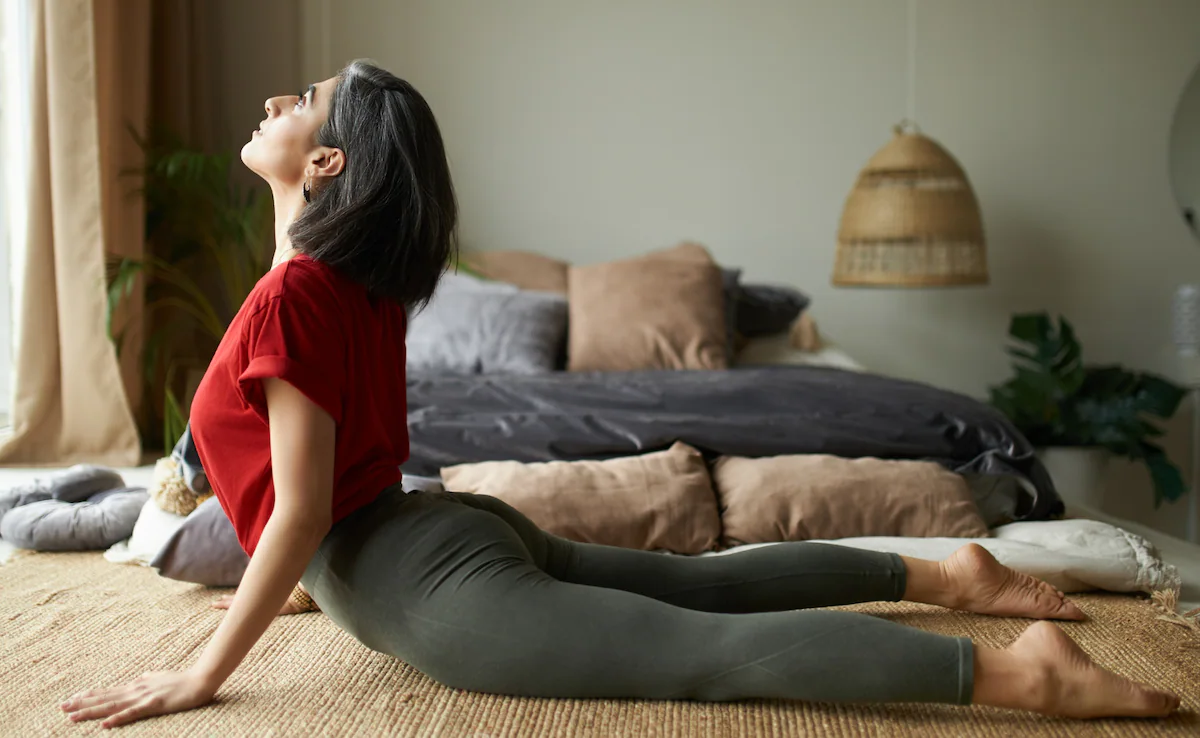
Sleep slipped out of rhythm for me in a slow, almost unnoticeable way. Late nights turned into restless mornings, and eventually my body felt like it was living in a different time zone than the rest of the world. I would lie in bed exhausted yet wired, staring at the ceiling and wondering why my mind refused to power down. It wasn’t just about feeling tired. My mood shifted, my focus thinned, and even simple tasks felt heavier than they should.
Evening yoga became the quiet reset button I didn’t know I needed. Not the intense, sweat-dripping kind that leaves muscles shaking, but a softer, grounding practice that tells the nervous system it’s safe to rest. Over time, those gentle sessions reshaped the way my body recognized nighttime. My sleep cycle began to stabilize, not through force, but through consistency and patience.
This journey taught me that sleep is less about chasing unconsciousness and more about guiding the body back into its natural rhythm. Evening yoga became the bridge between my busy days and peaceful nights. It transformed bedtime from a battleground into a ritual I genuinely look forward to.
Why Sleep Cycles Drift Out Of Sync
Modern life doesn’t respect circadian rhythms. Artificial light stretches our days long past sunset, and screens beam blue light directly into our eyes, telling the brain it’s still daytime. I noticed how often I would scroll through my phone late at night, convincing myself I was unwinding while my brain was actually staying alert.
Stress also plays a major role in disrupting sleep patterns. The body cannot distinguish between a real physical threat and the mental stress of deadlines or unresolved conversations. Cortisol lingers in the bloodstream, and instead of preparing for rest, the body stays prepared for action.
In my case, inconsistent schedules made everything worse. Some nights I worked late, other nights I tried to sleep early, and weekends threw everything off balance. My internal clock didn’t stand a chance. Evening yoga introduced a predictable signal, a cue that night had officially begun.
How Evening Yoga Signals The Body To Wind Down
The body responds strongly to repetition. When I started practicing yoga at roughly the same time each evening, something subtle began to shift. My muscles softened more quickly, and my breathing naturally slowed as soon as I stepped onto the mat.
Gentle movement in the evening activates the parasympathetic nervous system, often called the rest and digest response. This system counteracts the stress-driven fight or flight state. Slow stretches and steady breathing create a sense of safety, telling the body it can release tension instead of holding onto it.
I found that the simple act of dimming the lights before my practice amplified the effect. My environment began working with my body instead of against it. Over weeks of repetition, my brain started associating those quiet stretches with sleep itself.
The Role Of Breath In Resetting Sleep Patterns
Breathwork became the anchor of my evening routine. I didn’t realize how shallow my breathing had been until I consciously slowed it down. Deep, diaphragmatic breathing sends signals through the vagus nerve, calming the heart rate and lowering blood pressure.
One technique that made a noticeable difference was extending the exhale longer than the inhale. Inhaling for four counts and exhaling for six gradually reduced the racing quality of my thoughts. It felt like smoothing out wrinkles in a tangled sheet.
Breath also helps release accumulated tension from the day. By focusing on the rhythm of air moving in and out, I shifted attention away from mental chatter. That shift alone made falling asleep easier because my mind no longer felt crowded with unfinished conversations or to-do lists.
Gentle Poses That Prepare The Body For Rest
Evening yoga doesn’t demand complex sequences. The poses that helped me most were simple and supported. Child’s Pose allowed my spine to round and my shoulders to soften, creating a sense of protection and grounding.
Seated Forward Fold encouraged stillness. I would rest my torso over my legs and let gravity do the work instead of pulling or straining. That surrender mirrored what I wanted my body to do in bed: let go.
Legs Up the Wall became my favorite posture for sleep support. Elevating the legs improved circulation and eased swelling after long days of sitting. More importantly, it brought a surprising sense of calm that lingered long after I lay down.
Supine twists also played a steady role in my routine. Gentle spinal rotation released tightness around my mid-back and rib cage, areas that often held hidden stress. Twisting slowly, paired with steady breathing, felt like wringing out the tension of the day.
Consistency Over Intensity
Early on, I made the mistake of practicing too vigorously in the evening. Fast flows and strong holds left me energized instead of relaxed. It became clear that intensity matters less than regularity when the goal is better sleep.
A fifteen to twenty minute sequence done nightly proved far more effective than an occasional hour-long session. My body learned to anticipate the pattern. That predictability created comfort, and comfort made sleep come more naturally.
Even on nights when motivation dipped, I committed to at least a few minutes of stretching and breathwork. The ritual itself became non-negotiable, like brushing my teeth. Over time, it felt strange to skip it because my body craved the familiar wind-down.
Releasing Mental Clutter Before Bed
Physical tension is only half the story. The mind often clings to the day’s events long after the body is tired. Evening yoga gave me a structured way to process thoughts without becoming entangled in them.
During longer holds, I would notice worries arise. Instead of pushing them away, I acknowledged them and returned attention to my breath. This simple practice reduced the emotional charge attached to those thoughts.
By the time I finished my sequence, my mind felt clearer. Not empty, but quieter. That quieter state made it easier to slip into sleep without replaying conversations or planning tomorrow’s tasks.
Creating A Supportive Nighttime Atmosphere
Yoga works best when paired with an environment that supports rest. I began dimming lights an hour before bed and avoiding harsh overhead lighting. Soft lamps created a gentle transition from day to night.
I also kept my mat in the same corner of my room. That visual cue reinforced the habit. Over time, just seeing the mat signaled that bedtime was approaching.
Temperature mattered more than I expected. Practicing in a slightly cooler room helped my body align with the natural drop in temperature that accompanies sleep onset. These small environmental shifts amplified the effects of yoga.
Addressing Late Night Restlessness
On certain nights, restlessness still surfaced. Instead of fighting it, I returned to my mat for a few minutes. A short forward fold or simple breathing exercise often dissolved the edge of wakefulness.
Resisting sleeplessness usually made it worse. Gentle movement redirected nervous energy without overstimulating me. Afterward, returning to bed felt easier and less frustrating.
This flexibility removed pressure from my sleep routine. I no longer saw occasional wakefulness as failure. Evening yoga gave me tools to respond rather than react.
The Emotional Benefits Of A Steady Sleep Cycle
As my sleep improved, emotional stability followed. Small inconveniences stopped feeling overwhelming. My patience expanded, and my focus sharpened during the day.
Evening yoga became more than a sleep aid. It evolved into a daily checkpoint, a moment to reconnect with myself before drifting into unconsciousness. That sense of closure each night created emotional balance.
Better sleep also improved my relationship with mornings. Waking up felt less like a battle and more like a natural continuation of rest. My body trusted that nighttime would provide restoration.
Building A Sustainable Evening Practice
Simplicity made my routine sustainable. A short sequence of five or six poses, paired with breathwork, formed the backbone of my practice. I avoided overcomplicating it with elaborate flows.
Listening to my body guided small adjustments. Some nights required longer stretches in restorative poses. Other nights called for extra focus on breathing.
Flexibility kept the routine alive. Rather than following rigid rules, I allowed the practice to meet me where I was. That adaptability ensured that evening yoga remained supportive instead of stressful.
Common Mistakes That Disrupt Nighttime Yoga
Timing can make or break the effectiveness of evening yoga. Practicing too close to bedtime sometimes left me feeling alert, especially if the sequence included active poses. Finishing at least thirty minutes before sleep worked best.
Another mistake involved checking my phone immediately after practice. The bright light quickly erased the calm I had built. Keeping devices out of reach preserved the relaxed state.
Skipping warm clothing also backfired at times. As the body cools down, feeling chilled can create discomfort. A light blanket during seated stretches maintained warmth and relaxation.
Patience And Trust In The Process
Resetting a sleep cycle doesn’t happen overnight. My body needed weeks of consistent cues before change became noticeable. Frustration surfaced at times, especially during early setbacks.
Gradual improvement taught me patience. Instead of chasing instant results, I focused on showing up nightly. That steady presence built trust between my mind and body.
Eventually, sleep began arriving without effort. The tossing and turning decreased. Falling asleep felt like slipping into a familiar, welcoming space rather than battling exhaustion.
A Gentle Invitation To Rest
Evening yoga reshaped my relationship with nighttime. It transformed sleep from a source of stress into a natural extension of mindful movement. Each stretch, each slow breath, became part of a conversation with my body.
The reset wasn’t dramatic or sudden. It unfolded quietly, one practice at a time. That quiet shift made all the difference.
Now, when I step onto my mat in the evening, I know I am preparing more than muscles for rest. I am signaling to my entire system that the day is complete. In that signal, sleep finds its way back with ease.



The Long-Term Mindset of Strong Practitioners

Habit Stacking for Daily Yoga

How to Reignite a Stalled Practice

Mastering Patience in Skill-Based Poses

The 1% Better Method on the Mat

The 7-Day Reset Challenge

The 25-Minute Sweat Flow That Feels Like a Reset Button

The Silent Strength Flow (Minimal Transitions, Maximum Burn)
How to Reignite a Stalled Practice
The 7-Day Reset Challenge

Resetting After Travel and Long Flights