Performance
Yoga for Runners: Injury-Proof Your Stride

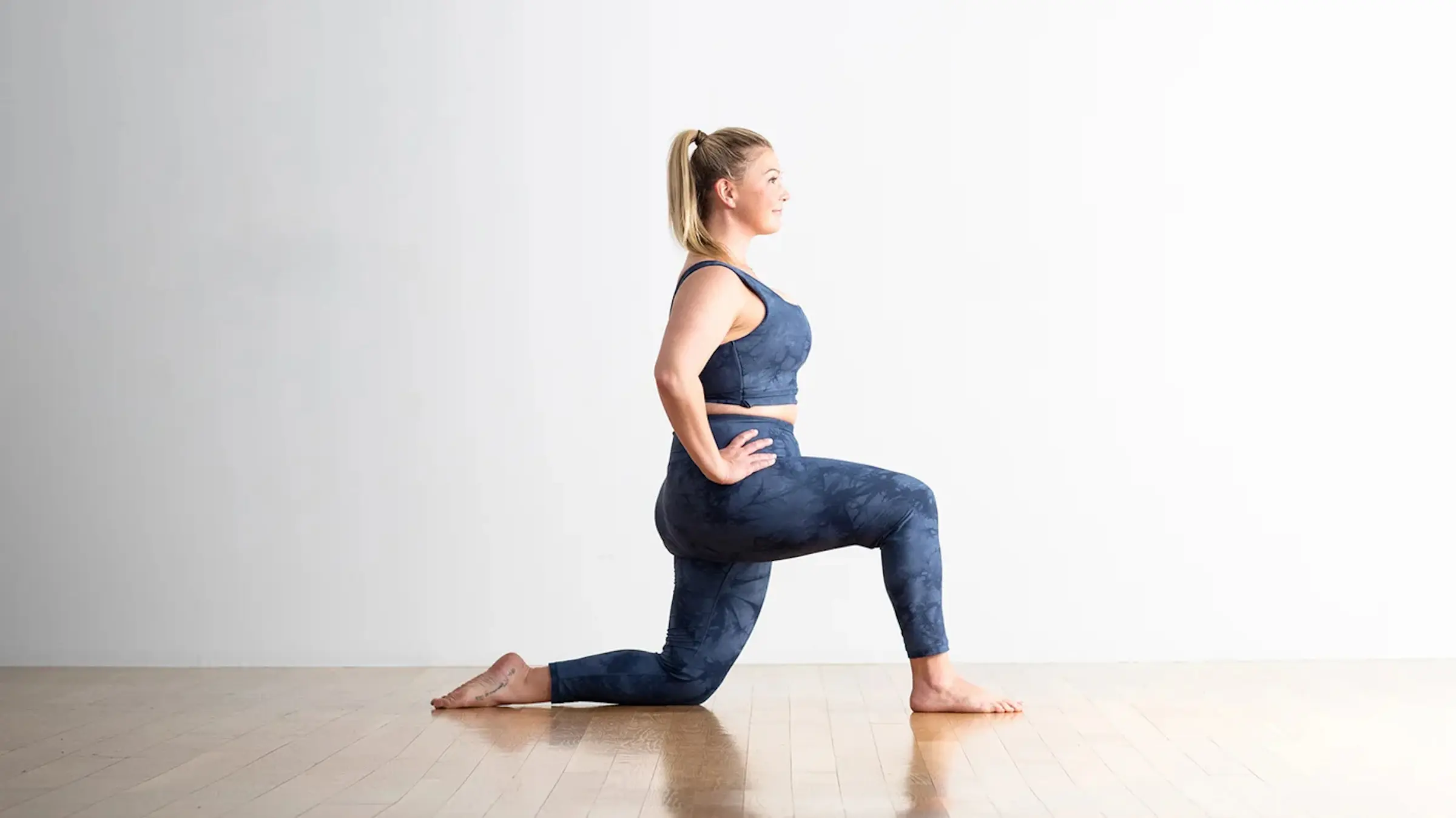
Running has always been my way of clearing my head and testing my limits, but it has also humbled me more times than I can count. Tight hamstrings, nagging knee pain, and sore hips once felt like unavoidable side effects of logging miles. Over time, I realized that piling on distance without balancing my body was a recipe for breakdown. Yoga became the missing link that transformed not only how I recover, but how I run.
Runners tend to move in one plane of motion, driving forward step after step. That repetition builds endurance, yet it also reinforces muscular imbalances. My quads would dominate, my hip flexors would shorten, and my glutes would quietly disengage. By weaving yoga into my training week, I began to restore strength and mobility in places that running alone could not reach.
This practice is not about turning runners into contortionists. It is about creating resilient joints, responsive muscles, and a nervous system that can handle both speed work and long runs. Yoga taught me to listen closely to subtle signals before they turned into full-blown injuries. It reshaped my stride from the inside out.
Why Runners Break Down
Most running injuries are not dramatic accidents but slow accumulations of stress. Each foot strike sends force through the ankles, knees, hips, and spine. If one link in that kinetic chain lacks mobility or strength, another area compensates. I have felt this firsthand when tight calves led to plantar fasciitis symptoms and weak hips triggered IT band irritation.
Overtraining without adequate recovery compounds the problem. Many runners pride themselves on grit, pushing through discomfort in pursuit of a faster pace. I once believed soreness was proof of progress, yet chronic tightness was actually limiting my stride length and efficiency. Yoga offered a structured way to release tension while reinforcing stability.
Another hidden factor is poor body awareness. Running on autopilot disconnects me from how my feet land or how my pelvis tilts. Through yoga, I learned to notice asymmetries between my left and right sides. That awareness now carries into my runs, allowing me to adjust before discomfort escalates.
Building Hip Stability And Power
Strong, stable hips are the foundation of an injury-resistant stride. Before integrating yoga, I relied heavily on my quads to power uphill efforts. My glutes were underactive, which placed extra strain on my knees and lower back. Targeted poses such as Warrior III and Half Moon challenged my balance while activating the deep hip stabilizers.
Holding these poses forces me to engage muscles that often stay dormant during steady-state runs. My standing leg learns to control rotation, while my lifted leg strengthens the gluteus maximus and medius. Over time, this translates into a smoother push-off phase and better alignment from hip to ankle. I feel more spring in my stride and less wobble when fatigue sets in.
Bridge variations and Locust pose also play a crucial role in posterior chain strength. These shapes counteract the forward-leaning posture that distance running can exaggerate. By strengthening my glutes and hamstrings in a controlled setting, I reduce reliance on my lower back for propulsion. That shift has made long runs feel more sustainable.
Releasing Tight Hip Flexors And Hamstrings
High mileage often shortens the front of the hips. Tight hip flexors restrict extension, limiting how far the leg can travel behind the body. I used to compensate by arching my lower back, which only created more tension. Deep lunges such as Low Lunge and Pigeon pose gradually restored mobility without forcing the joint.
In Low Lunge, I focus on lifting my torso tall while gently pressing the hips forward. This action opens the psoas and rectus femoris, muscles that tend to tighten from repetitive strides. Breathing steadily in the pose teaches my body to relax into the stretch instead of guarding against it. Over weeks of consistent practice, my stride began to feel longer and more fluid.
Hamstrings require equal attention. Forward folds and Pyramid pose lengthen these muscles while encouraging proper hip hinging. Rather than rounding my spine to reach my toes, I hinge from the hips and maintain a neutral back. This alignment protects my lumbar spine and improves flexibility where it truly matters.
Strengthening Ankles And Calves
Ankles absorb significant impact with each step. Weakness or stiffness in this area can lead to shin splints and Achilles issues. I incorporate balancing poses like Tree and Eagle to build proprioception and small stabilizing muscles around the ankle joint. Standing barefoot during these sequences enhances sensory feedback from the ground.
Calf raises within yoga flows add dynamic strength. Transitioning slowly from Downward Dog to a high plank challenges my calves and intrinsic foot muscles. These controlled movements train the lower leg to handle load without collapsing inward. As a result, my foot strike feels more stable, especially on uneven terrain.
Deep calf stretches in Downward Dog and Garland pose complement the strengthening work. Rather than bouncing into the stretch, I breathe and allow the heels to melt toward the mat. This combination of strength and flexibility reduces strain on the Achilles tendon. My lower legs recover faster after speed sessions.
Protecting The Knees Through Alignment
Knee pain can derail even the most dedicated training plan. In my experience, the knee often suffers because of issues above or below it. Yoga emphasizes stacking joints properly, which teaches me to track my knee over my second toe in lunges and squats. That awareness carries into my running mechanics.
Chair pose is deceptively powerful for knee health. Holding the position with weight evenly distributed across my feet strengthens the quadriceps while reinforcing hip engagement. I pay attention to whether my knees cave inward, correcting the movement in real time. This conscious alignment reduces stress on the patellar tendon.
Side plank variations also contribute to knee resilience. By strengthening the outer hips and core, I create a stable base that prevents excessive inward collapse during foot strike. My knees feel supported rather than overworked. Over time, small refinements in alignment make a noticeable difference in comfort.
Enhancing Core Control And Posture
Distance running demands sustained postural endurance. As fatigue builds, my shoulders used to round and my lower back would arch excessively. Yoga strengthened my deep core muscles, including the transverse abdominis, which acts like a natural corset. Plank and Boat pose became staples in my routine.
Maintaining steady breath while holding these poses trains my core to engage without bracing rigidly. That balance between strength and suppleness translates into efficient arm swing and stable pelvis positioning on runs. I no longer feel like my torso is collapsing at mile ten.
Backbends such as Cobra and Camel also counteract the forward slump common among runners. These poses open the chest and stretch the abdominals, promoting a more upright stance. Improved posture allows my lungs to expand fully, supporting better oxygen intake during tempo efforts.
Using Breath To Support Endurance
Breath control links yoga and running in a powerful way. During challenging poses, I practice slow, rhythmic breathing that steadies my heart rate. This skill becomes invaluable during hill repeats or the final stretch of a race. Instead of panicking, I focus on lengthening my exhales.
Diaphragmatic breathing enhances oxygen exchange and reduces unnecessary tension in the shoulders. I place one hand on my abdomen during seated practice to ensure the breath expands downward rather than staying shallow in the chest. Over time, this pattern becomes automatic during runs.
Synchronizing breath with movement also improves cadence awareness. In flowing sequences, I coordinate each transition with an inhale or exhale. That rhythm carries onto the road, where consistent breathing helps maintain a steady pace. My endurance has improved not only physically but mentally.
Designing A Weekly Yoga Routine For Runners
Integrating yoga does not require hours of extra training. I dedicate two to three focused sessions per week, ranging from twenty to forty minutes. After intense workouts, I prioritize gentle stretches and restorative poses to encourage recovery. On lighter days, I include strength-based flows that challenge balance and stability.
Timing matters as well. I avoid deep static stretching immediately before speed work, opting instead for dynamic movements that warm the muscles. Longer holds are saved for evenings or rest days. This approach ensures yoga supports my runs rather than leaving me fatigued.
Consistency outweighs intensity. Even brief sessions build cumulative benefits when practiced regularly. I treat yoga as an essential component of my training plan rather than an optional add-on. That mindset shift has been instrumental in staying injury-free.
Mental Resilience On And Off The Road
Injury prevention is not solely physical. The mental discipline cultivated through yoga influences how I respond to discomfort and setbacks. Holding a challenging pose teaches patience and focus. I observe sensations without reacting impulsively, a skill that proves invaluable during tough miles.
Meditative elements of yoga also reduce stress, which can otherwise impair recovery. High stress levels elevate cortisol, potentially slowing tissue repair. By carving out time to breathe and reset, I create a calmer internal environment. My body feels more receptive to adaptation.
This mental clarity enhances race strategy. I am less likely to surge recklessly or ignore warning signs from my body. Instead, I pace myself with awareness and confidence. The result is not just fewer injuries, but more satisfying performances.
Long-Term Benefits Beyond Injury Prevention
Over months and years, yoga reshapes how I relate to running. My stride feels lighter because unnecessary tension has melted away. Flexibility gains allow for more efficient mechanics, while strength improvements support sustained speed. The cumulative effect is a body that can handle higher mileage without protest.
Recovery times have shortened as well. Gentle flows on rest days flush out stiffness and improve circulation. Rather than dreading the soreness after a long run, I look forward to rolling out my mat. The ritual itself reinforces commitment to balanced training.
Most importantly, yoga reconnects me with the joy of movement. Running is no longer just about chasing splits or distances. It is a conversation between effort and ease, strength and surrender. By nurturing both aspects, I have built a stride that feels durable and free.
Injury-proofing my stride did not happen overnight. It evolved through steady practice, honest self-assessment, and willingness to slow down when necessary. Yoga continues to refine my awareness and resilience with each session. As I lace up for my next run, I carry that stability and breath with me, confident that my body is prepared for the miles ahead.



The Long-Term Mindset of Strong Practitioners

Habit Stacking for Daily Yoga

How to Reignite a Stalled Practice

Mastering Patience in Skill-Based Poses

The 1% Better Method on the Mat

The 7-Day Reset Challenge
How to Reignite a Stalled Practice

The 25-Minute Sweat Flow That Feels Like a Reset Button

The Silent Strength Flow (Minimal Transitions, Maximum Burn)

The Ladder Flow Method for Progressive Strength
The 7-Day Reset Challenge