Performance
Breath-Control Techniques for High-Intensity Workouts

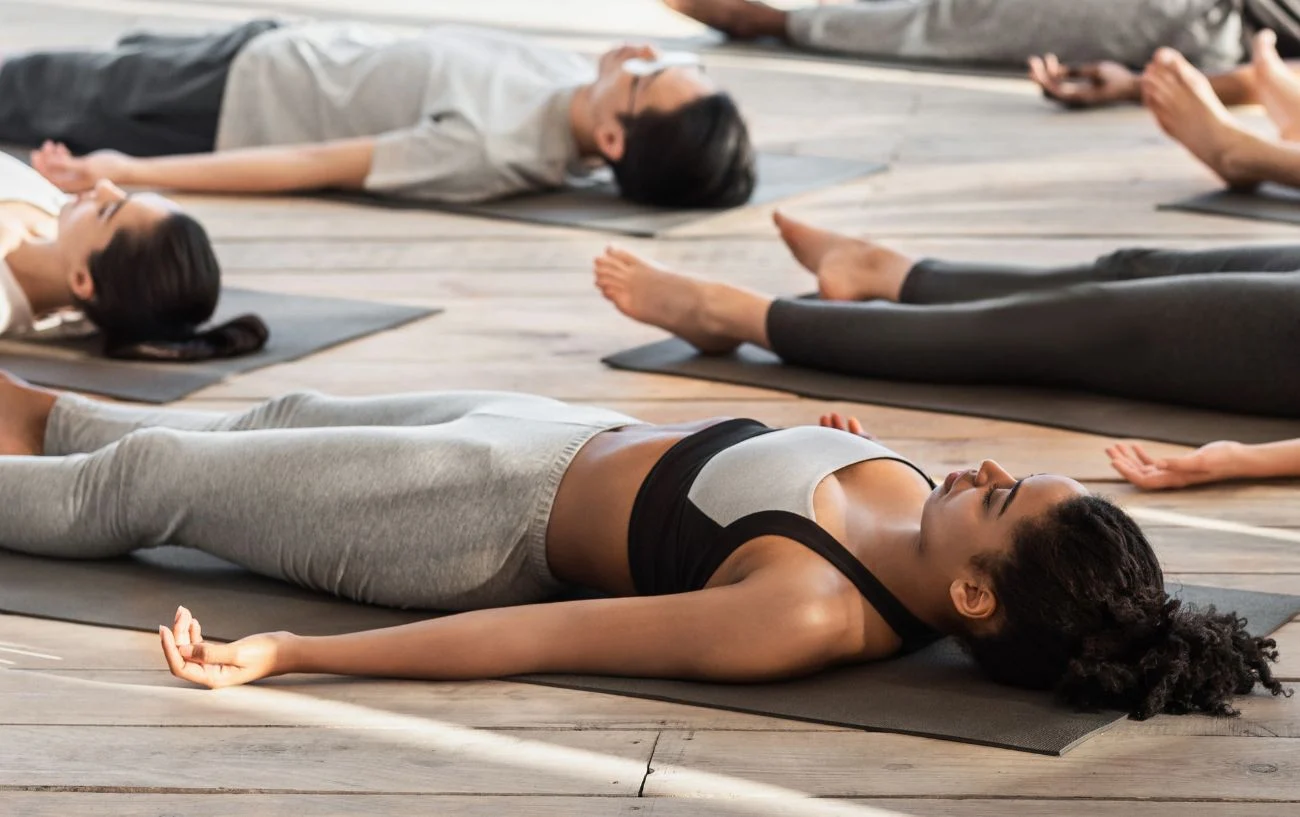
High-intensity workouts demand more than muscular strength and mental grit. They demand breath that is steady under pressure, responsive to effort, and grounded enough to prevent panic. Over the years, I have discovered that breath is the bridge between explosive power and calm control. Whether I am flowing through a fast-paced yoga sequence, sprinting, or powering through a circuit session, breath determines how long I last and how strong I feel.
Many athletes treat breathing as automatic, something that happens in the background while the body works hard. I once did the same, assuming that as long as air was moving in and out, everything was fine. What changed my performance was realizing that the quality, rhythm, and control of each inhale and exhale directly influenced my stamina, focus, and recovery speed. Breath is not just survival; it is strategy.
In this article, I will share the breath-control techniques that have transformed my high-intensity training. These methods are rooted in yoga but apply seamlessly to weightlifting, HIIT, martial arts, running, and any demanding workout that pushes the heart rate up. They are practical, adaptable, and powerful when practiced consistently.
Why Breath Control Matters During Intense Training
High-intensity workouts activate the sympathetic nervous system, which triggers the fight-or-flight response. Heart rate climbs, muscles tighten, and breathing often becomes shallow and rapid. If I let that pattern run unchecked, fatigue hits faster and my movements lose precision.
Conscious breathing allows me to regulate that stress response. By controlling the exhale, I send signals to my nervous system that I am safe and in control. This small shift changes everything. My endurance improves, my recovery between sets shortens, and I avoid the dizzy, overwhelmed feeling that used to creep in during peak effort.
Breath control also enhances oxygen efficiency. Deep, diaphragmatic breathing recruits the lower lungs where blood flow is richest. That means more oxygen enters circulation with each breath, supporting muscle performance and delaying exhaustion. The difference feels subtle at first, but over time it becomes undeniable.
Diaphragmatic Breathing for Power And Stability
The foundation of all effective breathwork during high-intensity training is diaphragmatic breathing. Instead of lifting the chest and shoulders, I draw the breath deep into the belly, allowing the diaphragm to expand fully. This technique stabilizes the core and supports spinal alignment, which is essential during heavy lifts and dynamic movements.
Before a tough workout, I often spend five minutes lying on my back with one hand on my chest and one on my abdomen. I focus on directing the inhale into the lower hand, ensuring the chest remains relatively still. This simple practice primes my nervous system and sets the tone for controlled breathing once intensity rises.
During exercises like squats or kettlebell swings, I maintain that deep abdominal engagement. The inhale prepares the body for effort, and the controlled exhale accompanies the exertion. Over time, this pattern becomes instinctive, allowing me to generate more power while protecting my lower back.
Rhythmic Breathing for Endurance
Rhythm creates efficiency. In high-intensity interval training or sprint sessions, I synchronize breath with movement to avoid erratic patterns. For example, during running intervals, I might inhale for three steps and exhale for two. This steady cadence keeps my mind focused and prevents shallow gasping.
The rhythm also reduces side stitches and cramping. Uneven breathing can strain the diaphragm and create discomfort. By establishing a consistent inhale-to-exhale ratio, I distribute workload evenly across the respiratory muscles.
In fast yoga flows or burpee sets, I coordinate one full breath per movement cycle whenever possible. Even if the pace is quick, maintaining a breath pattern keeps me from spiraling into breathlessness. The moment I lose rhythm, fatigue accelerates.
Extended Exhalation for Rapid Recovery
One of the most effective techniques I rely on between intense sets is extended exhalation. The exhale activates the parasympathetic nervous system, which calms the body. By lengthening it intentionally, I can lower my heart rate faster than by simply standing and panting.
After a demanding sprint or heavy lift, I inhale through the nose for a count of four and exhale slowly through the mouth for a count of six or eight. I imagine releasing tension with every breath out. Within a minute, my pulse steadies and I feel ready for the next round.
This method is especially powerful in circuit-style training where rest periods are short. Instead of wasting recovery time on scattered breathing, I use each second strategically. The result is more controlled performance across multiple rounds.
Box Breathing for Mental Focus Under Pressure
High-intensity workouts challenge the mind as much as the body. Doubt can creep in, especially during long sets or near maximal effort. Box breathing helps me regain composure and sharpen concentration.
The pattern is simple: inhale for four counts, hold for four, exhale for four, hold for four. Repeating this cycle creates a steady internal rhythm that steadies racing thoughts. I often practice it before a competition-style workout or a personal record attempt.
The brief holds between inhale and exhale increase carbon dioxide tolerance, which can improve breath efficiency during intense effort. More importantly, the structure gives my mind something concrete to focus on. Instead of thinking about how hard the workout feels, I stay anchored to the count.
Nasal Breathing for Efficiency And Control
Breathing through the nose during high-intensity training may seem unrealistic, yet it has profoundly improved my stamina. Nasal breathing filters, warms, and humidifies the air. It also encourages deeper, slower breaths compared to mouth breathing.
During moderate-to-high intensity efforts, I aim to maintain nasal breathing as long as possible. If intensity peaks beyond that threshold, I may combine nasal inhales with controlled mouth exhales. Over time, my tolerance for nasal breathing under stress has increased.
Training this way strengthens the diaphragm and improves carbon dioxide tolerance. It also prevents the dry mouth and throat irritation that often follow hard sessions. More importantly, it keeps me calm. Mouth breathing alone tends to amplify the sensation of panic, while nasal breathing feels grounded and steady.
Breath Coordination With Strength Training
Lifting weights without proper breath coordination can lead to dizziness or unnecessary strain. I have learned to align breath with effort to maximize stability and safety.
For most strength exercises, I inhale during the eccentric phase, when the muscle lengthens. I exhale during the concentric phase, when I exert force. In a push-up, that means inhaling on the way down and exhaling as I press up.
For heavier lifts, I sometimes use a brief breath hold known as the Valsalva maneuver to create intra-abdominal pressure and protect the spine. This technique must be used carefully and with proper guidance, but when applied correctly it enhances stability. After the lift, I release the breath slowly to avoid a sudden drop in blood pressure.
Breath Control During High-Intensity Yoga Flows
Fast-paced yoga sequences can elevate the heart rate just as much as traditional cardio workouts. In these flows, breath is the anchor that keeps movement fluid rather than frantic.
I synchronize each transition with either an inhale or exhale. For example, I inhale to lift into upward-facing dog and exhale to press back into downward-facing dog. This consistent pairing prevents rushed transitions and supports graceful movement.
When fatigue builds, I resist the urge to shorten the breath. Instead, I slightly deepen it. That conscious expansion maintains composure and prevents sloppy alignment. Breath becomes the metronome that guides the entire sequence.
Carbon Dioxide Tolerance Training
High-intensity workouts often trigger rapid breathing because the body wants to expel carbon dioxide quickly. However, excessive hyperventilation reduces efficiency and can lead to lightheadedness. Training carbon dioxide tolerance has improved my endurance more than I expected.
One simple practice involves slow nasal breathing during moderate exercise, even when I feel the urge to breathe faster. This controlled discomfort gradually increases tolerance to rising carbon dioxide levels. As a result, my breathing remains calmer during intense intervals.
Another method I use outside workouts is breath retention after a gentle exhale. I hold briefly, then resume slow breathing. These short practices build resilience that translates directly into better performance under pressure.
Practical Integration Into Weekly Training
Breathwork does not require a separate hour-long session to be effective. I weave it into warm-ups, cooldowns, and rest periods. Five minutes of diaphragmatic breathing before training sets the stage. Intentional extended exhales between sets accelerate recovery.
On active recovery days, I spend longer practicing nasal breathing and box breathing. This reinforces patterns that carry into high-intensity sessions. Consistency matters more than duration.
Progress becomes noticeable within weeks. Workouts feel more controlled, less chaotic. Instead of collapsing at the end of a session, I finish strong and composed.
Common Mistakes I Avoid
Early on, I forced overly complex breathing patterns during peak effort, which only added stress. Simplicity works best. A steady inhale and controlled exhale are often enough.
Another mistake was ignoring breath until exhaustion hit. Breath control must begin before fatigue peaks. Once panic breathing starts, it is harder to regain control.
I also learned not to chase perfection. Some days, intensity overrides precision, and that is normal. The goal is progress, not flawless execution.
The Mental Edge Of Controlled Breathing
Breath control extends beyond physiology. It strengthens mental resilience. During grueling intervals, focusing on breath prevents negative self-talk from taking over.
Each inhale feels like drawing in strength. Each exhale feels like releasing doubt. This internal dialogue, guided by breath, transforms the workout from a battle into a practice.
The more I train this skill, the more transferable it becomes. Stressful situations outside the gym feel more manageable because I know how to regulate my nervous system quickly.
Building A Personal Breath Practice
A sustainable breath practice begins with awareness. I pay attention to how I breathe during daily activities, not just workouts. Slouching and shallow chest breathing often creep in during desk work, so I reset periodically with a few deep diaphragmatic breaths.
I experiment with ratios to see what feels natural. Some days a four-count inhale and six-count exhale works best. Other days, a simple steady rhythm without counting feels more intuitive.
The key is repetition. Breath control is a trainable skill. The more frequently I practice it under varying intensities, the more automatic it becomes.
Final Thoughts On Breath And Performance
High-intensity workouts will always challenge the body. Muscles will burn, lungs will work hard, and sweat will pour. Breath determines whether that challenge feels chaotic or controlled.
Through consistent practice of diaphragmatic breathing, rhythmic patterns, extended exhales, nasal breathing, and carbon dioxide tolerance work, I have reshaped my relationship with intense training. Workouts feel more deliberate and less overwhelming. Recovery happens faster, and performance feels sustainable.
Breath is not an accessory to movement. It is the engine behind it. Mastering breath-control techniques has given me a powerful advantage, and it continues to evolve with every session I complete.



The Long-Term Mindset of Strong Practitioners

Habit Stacking for Daily Yoga

How to Reignite a Stalled Practice

Mastering Patience in Skill-Based Poses

The 1% Better Method on the Mat

The 7-Day Reset Challenge
The 1% Better Method on the Mat

The 25-Minute Sweat Flow That Feels Like a Reset Button

The Silent Strength Flow (Minimal Transitions, Maximum Burn)
The 7-Day Reset Challenge

Resetting After Travel and Long Flights
