Performance
Balance Training for Performance Gains

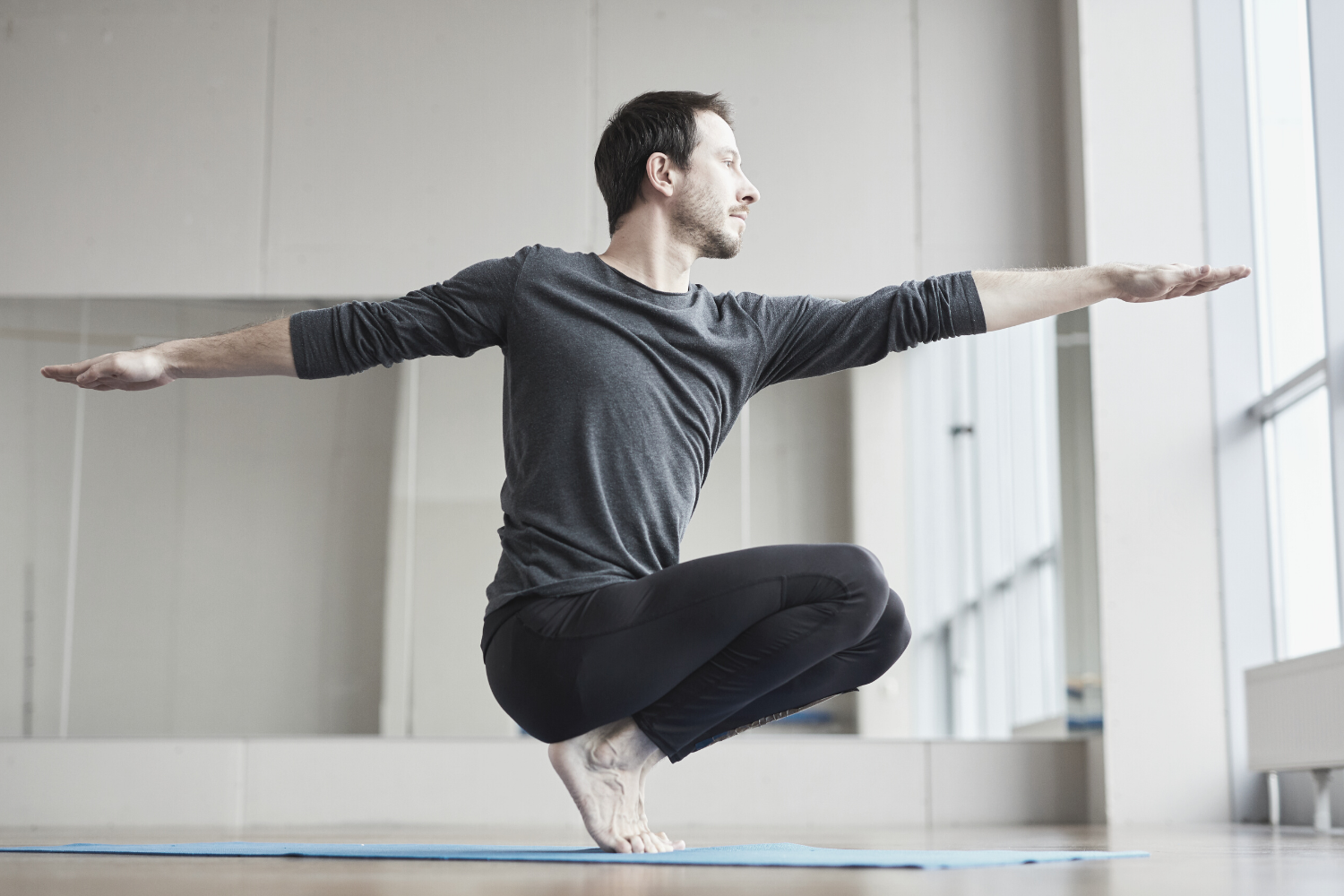
Balance training changed the way I move, train, and even think about performance. For years, I focused on strength, flexibility, and endurance, believing those pillars alone would elevate my yoga practice and athletic output. Yet progress felt inconsistent, and certain poses exposed subtle weaknesses that no amount of muscle building seemed to fix. It wasn’t until I deliberately integrated balance-focused work that everything began to click into place.
Balance is often dismissed as a soft skill, something reserved for beginners or rehabilitation. In reality, it is a high-level performance tool that sharpens coordination, improves force transfer, and strengthens stabilizing muscles that traditional workouts often overlook. Whether I’m holding a steady Warrior III or transitioning between dynamic movements, balance training has become the quiet engine driving measurable gains.
This article explores how balance training supports performance improvements, why it matters beyond yoga, and how I integrate it into my routine for tangible results. I’ll share practical insights, real experiences, and the shifts I’ve noticed in strength, agility, and mental resilience.
Why Balance Training Elevates Performance
Balance is more than staying upright. It is the seamless collaboration between the nervous system, muscles, joints, and breath. Each time I challenge my balance, my body refines its communication pathways, making movement more efficient and responsive.
Performance gains happen because balance demands precision. When I stand on one leg in Tree Pose, my ankles, hips, and core engage in subtle, constant adjustments. These micro-corrections build neuromuscular coordination, which translates directly into stronger lifts, faster sprints, and smoother transitions.
In yoga, improved balance deepens postures and lengthens hold times. Outside of yoga, it reduces wasted energy during movement. That efficiency compounds over time, resulting in measurable improvements in strength and endurance without necessarily increasing workload.
The Neuromuscular Connection
One of the most powerful aspects of balance work is how it sharpens the nervous system. Muscles don’t operate independently; they respond to signals sent by the brain. Challenging balance forces those signals to become quicker and more accurate.
I’ve noticed that after incorporating balance drills into my warm-ups, my reaction time improves. In athletic movements, my body feels more connected, as though every muscle is listening more closely. This heightened awareness isn’t accidental. Balance stimulates proprioceptors, the sensory receptors that tell the brain where the body is in space.
Better proprioception leads to fewer compensations. Instead of overusing dominant muscles, the body distributes effort more evenly. That even distribution reduces injury risk while allowing stronger, more controlled output.
Strength Gains From Instability
It may seem counterintuitive, but adding instability can increase strength. Performing squats on a stable floor builds power, but performing single-leg variations adds an entirely different dimension. The stabilizing muscles around the hips and ankles activate intensely to prevent collapse.
During balance-focused yoga flows, I feel deep engagement in areas that standard strength sessions sometimes miss. The glute medius, deep core muscles, and intrinsic foot muscles all fire continuously. Over time, those muscles become stronger and more responsive.
This improved stability enhances major lifts and dynamic movements. When my foundation is stable, force transfers more effectively through the body. That efficiency supports heavier loads and more explosive actions without sacrificing control.
Core Stability And Force Transfer
Balance training transforms the way the core functions. Instead of isolating abdominal muscles, balance demands full-body integration. The core becomes a dynamic stabilizer rather than a static brace.
In poses like Half Moon, my core must coordinate with the standing leg and lifted limb. The challenge is not about rigid tension but about adaptive strength. That adaptability carries over into running, jumping, and lifting, where the body must stabilize quickly under shifting loads.
Improved core stability also enhances force transfer. Power generated in the legs travels more efficiently through a stable trunk into the upper body. I’ve felt this shift during kettlebell swings and overhead presses, where alignment and balance determine how effectively strength expresses itself.
Mobility And Stability Working Together
Flexibility without control lacks functionality. Balance training bridges the gap between mobility and stability. It asks the body to maintain alignment at end ranges of motion, reinforcing strength in positions that might otherwise feel vulnerable.
During extended holds in Warrior III or Standing Splits, I experience both stretch and stabilization. My hamstrings lengthen while my standing leg and hips stabilize the pelvis. That dual demand builds usable flexibility rather than passive range.
Athletically, this means joints move freely while remaining protected. The body becomes resilient rather than loose. Performance improves because mobility supports movement instead of destabilizing it.
Mental Focus And Performance Edge
Balance is as much mental as physical. The moment my focus drifts, I wobble. That immediate feedback sharpens concentration in a way few exercises can.
Over time, I’ve cultivated a calmer internal state during challenging holds. Instead of reacting to instability with frustration, I adjust breath and attention. This skill transfers directly to high-pressure performance environments.
Whether presenting, competing, or tackling demanding workouts, the ability to remain steady under stress provides a competitive edge. Balance training strengthens patience, composure, and the capacity to adapt without panic.
Dynamic Balance For Athletic Gains
Static holds build foundational control, but dynamic balance elevates performance further. Moving from one single-leg position to another challenges coordination at speed. I integrate flowing transitions such as Warrior III to Crescent Lunge without touching the back foot down.
These sequences enhance agility and joint stability. The body learns to absorb force and redirect it efficiently. In sports or high-intensity training, that ability reduces risk and improves responsiveness.
Dynamic drills also increase cardiovascular demand. Maintaining balance while moving quickly raises heart rate and reinforces endurance in stabilizing muscles, which are often the first to fatigue during prolonged activity.
Breath Control And Stability
Breath plays a critical role in balance. Shallow breathing destabilizes posture, while steady diaphragmatic breathing anchors it. I consciously align my inhale and exhale with subtle muscular engagement.
Slow exhalations during challenging holds help me stabilize the core without gripping. This controlled breathing pattern reduces unnecessary tension and improves endurance. Longer, calmer breaths allow me to sustain balance for extended periods.
In performance settings, controlled breathing regulates stress responses. It maintains clarity and steadiness even when intensity rises.
Injury Prevention And Longevity
Performance gains lose value if injury interrupts progress. Balance training acts as preventative maintenance for the body. By strengthening stabilizers and improving joint awareness, it reduces the likelihood of awkward missteps or overload.
I’ve experienced fewer ankle tweaks and knee discomfort since prioritizing balance work. The connective tissues around joints feel more resilient. Instead of relying solely on large muscle groups, my entire support system contributes to movement.
Longevity in fitness requires more than intensity. It demands intelligent training that builds durability alongside strength.
Practical Ways I Integrate Balance Training
Balance training doesn’t require elaborate equipment. I incorporate it into warm-ups, flows, and strength sessions. Starting with single-leg stands while brushing my teeth may seem simple, but consistency builds capacity.
In yoga practice, I extend hold times in standing balances and experiment with closing my eyes to increase challenge. Removing visual cues forces deeper proprioceptive engagement. Even brief sets create noticeable improvement.
During strength training, I include unilateral exercises such as single-leg deadlifts or split squats. These movements reinforce alignment and stability under load. The combination of yoga-based balance and strength-based instability produces comprehensive gains.
Progression Without Overcomplication
Advancement in balance work comes from subtle progression rather than dramatic changes. Increasing hold duration, narrowing the base of support, or adding controlled movement can intensify the challenge.
I focus on quality rather than quantity. Ten mindful repetitions on one leg produce more benefit than rushed sets with poor alignment. Small improvements compound over weeks and months.
Tracking progress through hold times or stability during dynamic transitions keeps motivation high. Visible improvements in steadiness translate into confidence across all areas of training.
The Performance Payoff
The cumulative effect of balance training reveals itself gradually. Movements feel smoother, transitions become fluid, and strength expresses itself with greater control. Tasks that once felt unstable now feel grounded.
I notice the payoff most during demanding sessions. Fatigue sets in, but my form remains consistent. Instead of collapsing into compensations, my body maintains alignment longer.
Performance gains are not always about adding more weight or speed. Sometimes they arise from refining the foundation that supports those outputs.
Integrating Balance Into A Long-Term Plan
Balance training works best as a consistent thread rather than an occasional addition. I treat it as a core component of my weekly schedule. Even short sessions maintain neuromuscular sharpness.
Rotating between static holds, dynamic transitions, and unstable strength exercises prevents stagnation. The variety keeps training engaging while reinforcing foundational stability.
Long-term commitment yields the greatest rewards. Over months, the nervous system adapts profoundly, and improvements become second nature.
Final Thoughts On Balance And Performance
Balance training transformed my approach to performance. It taught me that true strength includes control, awareness, and adaptability. By refining stability at every level, I unlocked gains that traditional methods alone could not deliver.
The beauty of balance work lies in its accessibility. It requires attention more than equipment and patience more than brute force. With consistent practice, the body becomes steadier, stronger, and more resilient.
Performance gains are not solely built through intensity. They are cultivated through intelligent refinement, and balance training provides that refinement in its purest form.



The Long-Term Mindset of Strong Practitioners

Habit Stacking for Daily Yoga

How to Reignite a Stalled Practice

Mastering Patience in Skill-Based Poses

The 1% Better Method on the Mat

The 7-Day Reset Challenge
The 1% Better Method on the Mat

The 25-Minute Sweat Flow That Feels Like a Reset Button

The Silent Strength Flow (Minimal Transitions, Maximum Burn)
The 7-Day Reset Challenge

Resetting After Travel and Long Flights
