Performance
How to Train Like an Athlete Using Only Yoga

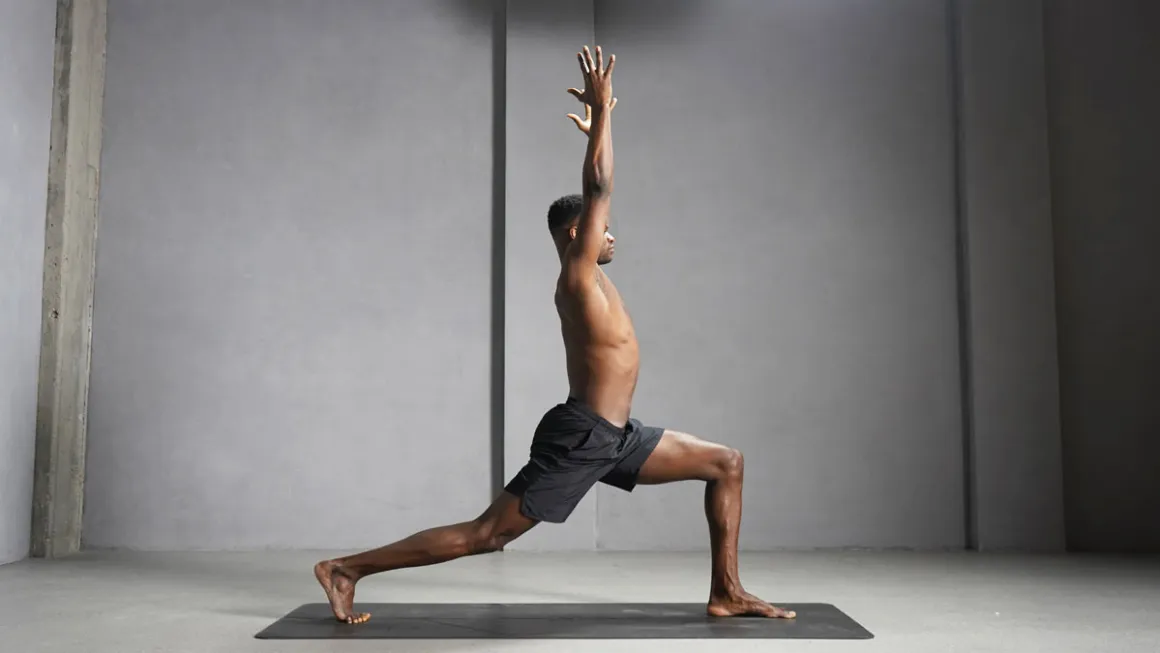
I train like an athlete, but I do not spend my days under a barbell or running endless sprints on a track. My training ground is a mat, my resistance is my body, and my discipline is built through breath and deliberate movement. Yoga has become my full athletic system, not a supplement to “real” training, but the training itself.
Athletes are defined by strength, mobility, endurance, coordination, and mental resilience. Yoga develops all of these when it is practiced with structure and intention. The difference lies in how I sequence, how I progress, and how I challenge myself over time.
This is how I train like an athlete using only yoga.
Redefining Athletic Training Through Yoga
Athletic training is often associated with explosive drills, heavy lifting, and measurable outputs like speed and power. Yoga may appear slower on the surface, but intensity is not always loud. It can be controlled, sustained, and deeply focused.
I began to see yoga as athletic training once I stopped treating it like a gentle stretch session. The moment I started timing my holds, tracking my balance progress, and increasing the complexity of transitions, everything shifted. My mat became a field for performance rather than relaxation.
Athletes train specific qualities. Yoga allows me to isolate and sharpen those same qualities without external equipment. Strength emerges from controlled isometric holds. Power develops through dynamic transitions. Endurance grows when I sustain long sequences without breaking form.
Building Functional Strength With Bodyweight Mastery
Strength in yoga is not decorative. It is structural and deeply integrated. Holding Plank Pose for two minutes with steady breath demands core integrity, shoulder stability, and mental grit.
Arm balances became my version of lifting heavy. Crow Pose and side variations challenge the wrists, shoulders, and deep abdominal muscles in ways that feel comparable to compound lifts. Instead of counting reps, I count seconds under tension and maintain precise alignment.
Lower body strength grows through long holds in Warrior variations and Chair Pose. I lengthen the stance, lower the hips, and resist the urge to come out early. The burn is honest and immediate, and over time my legs respond with greater power and stability.
Unlike isolated gym machines, yoga strength is always connected. My core fires when I move from Downward Dog to Lunge. My glutes activate when I rise into Half Moon. Every muscle learns to cooperate, which is exactly how athletes need to move in competition.
Developing Explosive Control Through Dynamic Flow
Athletes must generate force quickly and control it just as fast. Yoga can train that quality when transitions become intentional and sharp. Slow, mindful movement has value, but controlled acceleration builds another layer of capacity.
I incorporate dynamic Sun Salutations with a focus on crisp transitions. Jumping forward lightly between poses, stepping back with precision, and landing softly trains coordination and reactive strength. The key is landing with control rather than collapsing into the next posture.
From a deep Lunge, I drive upward into Warrior III without using momentum. That lift challenges my balance and demands posterior chain activation. The more I refine these movements, the more explosive my body feels without losing stability.
Power in yoga does not rely on external weight. It relies on neuromuscular efficiency. By practicing quick yet precise transitions, I train my body to produce force and stabilize immediately, which mirrors the demands of many athletic disciplines.
Increasing Endurance With Intelligent Sequencing
Endurance is not only about cardiovascular output. Muscular stamina and breath control matter just as much. Long yoga sequences that link posture to posture without extended rest can elevate the heart rate significantly.
I design flows that sustain effort for twenty to thirty minutes without stopping. Standing sequences blend into balancing postures, which transition into core work before returning to standing. My breath remains steady, but my muscles feel the cumulative demand.
Holding poses for extended periods builds local muscular endurance. A ninety second Chair Pose followed by a slow transition into Crescent Lunge tests my ability to stay composed under fatigue. That composure translates directly to athletic resilience.
Breath is the anchor throughout. If my breathing becomes erratic, I know I am exceeding sustainable intensity. Athletic training is not about reckless exhaustion. It is about controlled output that can be repeated and progressed over time.
Enhancing Mobility Without Sacrificing Stability
Flexibility alone does not make an athlete durable. Mobility must be paired with strength at end range. Yoga excels in this balance because it demands activation even in deep stretches.
In a deep Lizard Pose, I engage my back leg instead of collapsing into the hips. In splits preparation, I press through the heel and lift through the chest rather than sinking passively. This transforms flexibility work into strength training at extreme angles.
Shoulder mobility improves through binds and overhead holds, but I maintain muscular engagement throughout. Stability in those ranges protects the joints and supports long term performance.
Over time, I noticed that my movement became smoother and more efficient. My hips opened, but they also felt stronger. My shoulders gained range, yet they supported weight in arm balances with greater confidence. Mobility trained this way becomes usable power rather than passive elasticity.
Training Balance As A Performance Skill
Balance is often overlooked until it becomes a weakness. In yoga, balance is unavoidable. Single leg postures expose asymmetries and force precise neuromuscular control.
I treat balance work like skill training. Instead of casually moving through Tree Pose, I hold it for extended periods and explore subtle shifts in weight. My foot muscles activate, my ankle stabilizes, and my core tightens reflexively.
Warrior III and Half Moon become laboratories for refinement. I adjust my gaze, align my hips, and engage my standing leg deliberately. These details matter because balance under fatigue is what separates average performance from elite performance.
Handstands against a wall became my advanced balance practice. They require shoulder strength, core control, and spatial awareness. Each attempt builds coordination and resilience, even when I fall out of the pose.
Strengthening The Core Beyond Crunches
Athletic power originates from the core, not just the visible abdominal muscles but the entire trunk. Yoga challenges the core in integrated patterns rather than isolated repetitions.
Boat Pose is not merely a static hold for me. I lengthen the legs, extend the arms overhead, and maintain a tall spine. The deeper I breathe without collapsing, the stronger my core becomes.
Transitions demand even more. Moving slowly from Plank to Chaturanga without sagging requires deep stabilization. Twisting postures add rotational strength, which is essential for athletic movements that involve turning, cutting, or striking.
Core endurance develops when these demands accumulate throughout a session. By the end of a strong flow, my midsection feels worked from every angle. That comprehensive engagement creates a stable foundation for all other movement.
Building Mental Toughness On The Mat
Athletic training is as much psychological as physical. Fatigue challenges decision making and discipline. Yoga exposes the same internal dialogue that arises in competition.
Holding a demanding pose while my muscles tremble forces me to confront discomfort directly. My mind suggests easing up, shortening the hold, or skipping the next round. Staying present and breathing through that resistance strengthens my mental endurance.
I pay attention to how I respond to difficulty. Frustration during balance practice mirrors frustration in other areas of performance. By staying calm and methodical, I build resilience that extends beyond the mat.
This mental conditioning is subtle yet profound. Confidence grows when I repeatedly face physical challenge and complete it with integrity. That confidence carries into other athletic and professional arenas.
Programming Progressive Overload In Yoga
Athletes improve through progressive overload. Yoga can follow the same principle if sessions are structured intentionally. Without progression, growth stalls.
I increase difficulty in several ways. I extend hold times gradually, add more complex transitions, and reduce rest between sequences. I also refine alignment so that poses demand more precise muscular engagement.
Advanced variations serve as milestones. Moving from Crow Pose to a one legged variation introduces new leverage challenges. Deepening into backbends with controlled entry and exit adds strength requirements at extreme ranges.
Tracking progress matters. I note how long I can hold specific postures with steady breath. I observe whether transitions feel smoother or more stable than the previous month. These markers guide my training adjustments.
Designing A Weekly Athletic Yoga Plan
Structure transforms random sessions into athletic training. I divide my week to emphasize different qualities while maintaining balance.
One day focuses on strength, featuring long holds, arm balances, and slow controlled transitions. Another emphasizes endurance with continuous flow and minimal pauses. A third session prioritizes mobility and deep range strength.
Active recovery remains part of the plan. Gentle mobility work and breath centered sessions allow the nervous system to reset while still maintaining consistency. Rest is not the absence of effort but the preparation for future intensity.
Consistency over months compounds results. Athletic capacity grows not from occasional heroic sessions but from steady, disciplined practice.
Fueling And Recovery Within A Yoga Based System
Athletes must recover strategically. Even without heavy external loads, intense yoga challenges muscles, connective tissue, and the nervous system.
Hydration supports joint health and muscular function. Balanced nutrition replenishes glycogen and provides the building blocks for repair. I treat post practice meals as seriously as the session itself.
Sleep becomes non negotiable. Deep rest allows adaptations to solidify. Without adequate recovery, performance stagnates and motivation declines.
Breathwork and longer restorative sessions complement harder training days. These practices reduce stress hormones and enhance parasympathetic activation. Recovery becomes proactive rather than reactive.
Measuring Performance Without Traditional Metrics
Gym culture often revolves around numbers such as weight lifted or miles run. Yoga based athletic training requires different metrics. Quality of movement becomes the primary indicator.
I evaluate stability in challenging postures, depth with control in mobility work, and consistency of breath under strain. These factors reveal progress more accurately than external numbers alone.
Video analysis helps refine technique. Watching my alignment in balance postures exposes inefficiencies. Small corrections often unlock noticeable gains.
Performance also shows up in daily life. Improved posture, reduced joint discomfort, and sustained energy levels confirm that training is effective. Athleticism extends beyond formal workouts into every movement of the day.
Integrating Competition Mindset Without Competition
Competition sharpens many athletes, yet yoga traditionally emphasizes inward focus. I blend both perspectives carefully. My competition is my previous capability.
Setting goals such as holding a forearm stand for thirty seconds creates clear targets. These goals provide direction and accountability without fostering comparison with others.
Community can still enhance motivation. Practicing with others who push their limits inspires higher standards. Shared discipline creates a supportive yet challenging environment.
The mindset remains performance oriented but grounded. Progress is celebrated, setbacks are analyzed, and effort stays consistent.
Long Term Athletic Development Through Yoga
Short term gains are satisfying, but sustainable development matters more. Yoga supports longevity because it integrates strength, mobility, and recovery in a single system.
Joint health improves through controlled load and alignment awareness. Muscular imbalances are addressed naturally because both sides of the body receive attention. Overuse injuries become less likely when training remains balanced.
Years into consistent practice, athletic capacity does not fade; it evolves. Movements become more efficient, breath becomes more refined, and strength feels integrated rather than forced.
Training like an athlete using only yoga is not a compromise. It is a deliberate commitment to mastering the body through discipline, awareness, and progressive challenge. My mat is where strength meets mobility, where endurance meets breath, and where mental resilience is forged daily.
Athleticism is not defined by equipment or environment. It is defined by the quality of effort and the intention behind each session. Through structured, demanding yoga practice, I continue to build a body and mind capable of high performance, sustained health, and resilient strength.



The Long-Term Mindset of Strong Practitioners

Habit Stacking for Daily Yoga

How to Reignite a Stalled Practice

Mastering Patience in Skill-Based Poses

The 1% Better Method on the Mat

The 7-Day Reset Challenge
How to Reignite a Stalled Practice

The 25-Minute Sweat Flow That Feels Like a Reset Button

The Silent Strength Flow (Minimal Transitions, Maximum Burn)
The 1% Better Method on the Mat
The 7-Day Reset Challenge
