Performance
The Stability Blueprint for Stronger Movements

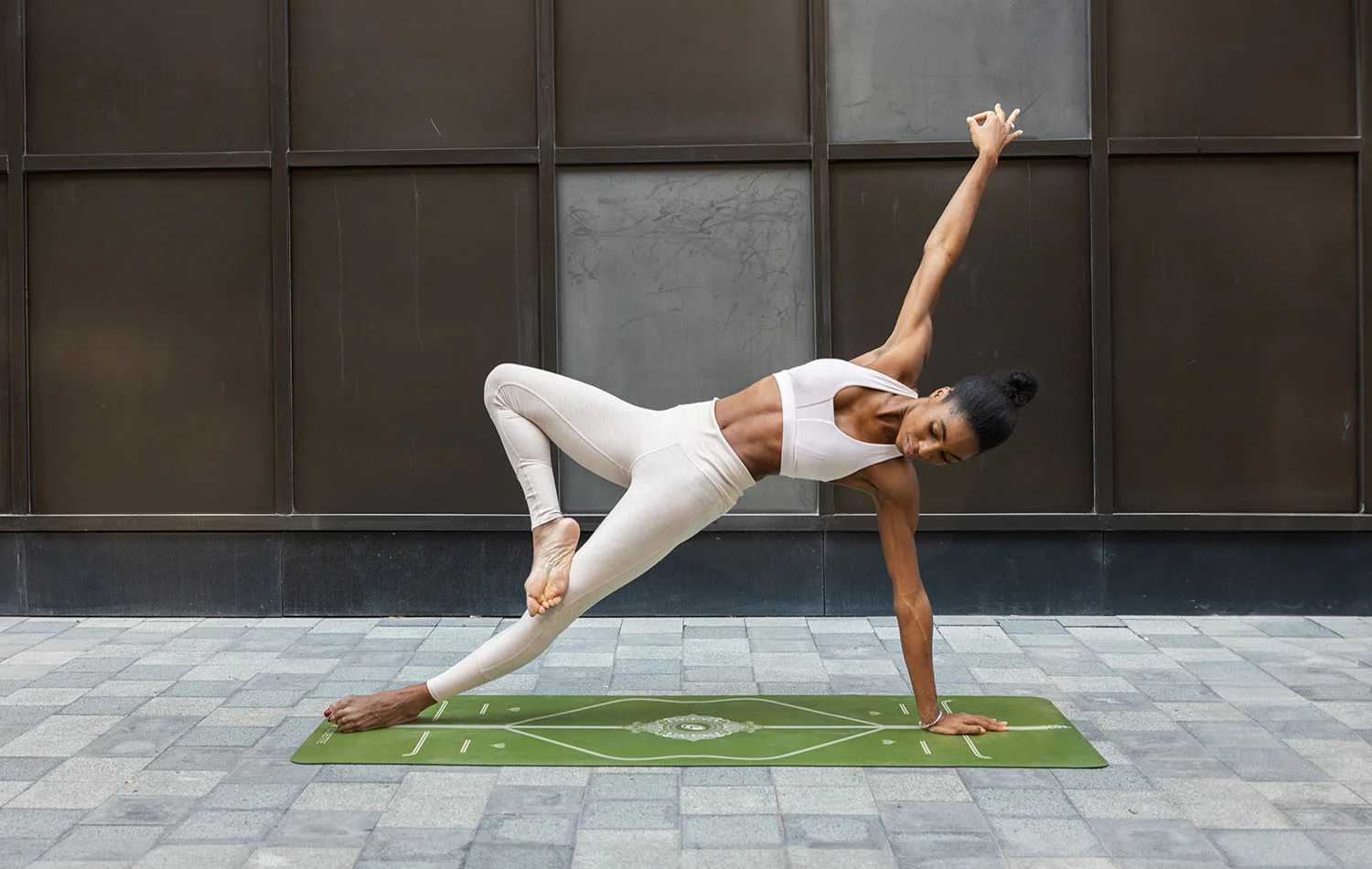
Movement feels powerful when it is supported by control. Strength alone does not guarantee that control, and flexibility without structure can leave the body unstable. Stability is the bridge between effort and ease, the quiet force that makes every posture, transition, and breath feel integrated. I discovered that the more I refined stability, the more my movements transformed from scattered attempts into deliberate expressions of strength.
In yoga, stability is not stiffness. It is not gripping or bracing so hard that the body becomes rigid. Stability is intelligent engagement, the kind that allows freedom instead of restriction. It is the foundation that lets power rise from the ground and flow upward without leaking through weak links.
The blueprint I follow for stronger movements is built on awareness, alignment, strength, and breath. Each piece supports the others. When one is missing, the structure feels incomplete. When all are present, movement becomes steady, confident, and surprisingly light.
Stability Begins From The Ground Up
Strong movement starts with the feet. In standing postures, I root evenly through the heels, the base of the big toes, and the base of the little toes. This simple awareness changes everything because it wakes up the muscles of the lower legs and signals the body to organize itself upward.
In poses like Downward Dog, I focus on pressing through the palms and distributing weight evenly across the hands. The mound beneath the index finger becomes especially important. When I press there, my shoulders stabilize, and my arms feel less strained. That steady connection to the floor creates a chain reaction that travels into the core.
I often remind myself that the floor is not something I collapse into. It is something I actively press away. That subtle shift transforms passive shapes into powerful structures. Stability begins where the body meets the ground, and from there it radiates upward.
Core Engagement As The Central Anchor
The core is often misunderstood as just the abdominal muscles. In my practice, it feels more like a corset wrapping around the entire torso. It includes the deep abdominal muscles, the diaphragm, the pelvic floor, and the muscles along the spine. Together, they form the central anchor for every movement.
During transitions such as stepping from Plank to Low Lunge, I engage my lower belly gently toward the spine. I avoid gripping or holding my breath. Instead, I create a steady tone that supports the spine as the legs move. This engagement prevents my hips from sagging or my ribs from flaring.
In balancing poses, core stability becomes even more apparent. If my center is not organized, my limbs compensate wildly. The moment I reconnect to my core, the wobbling decreases. Stability at the center reduces chaos at the edges.
Joint Stacking And Intelligent Alignment
Alignment is not about aesthetics. It is about stacking joints in a way that distributes force efficiently. When my knee tracks over my ankle in a lunge, the load spreads through the leg instead of collapsing into one point. When my shoulders stack over my wrists in Plank, my arms feel supported rather than strained.
I pay close attention to how my ribs sit over my pelvis. If my lower back arches excessively, my core disengages and my stability weakens. Gently knitting the ribs inward and lengthening the tailbone down brings my spine into a neutral position. From there, strength feels accessible.
Alignment also means respecting individual anatomy. Not every hip opens the same way, and not every shoulder rotates equally. Stability comes from honoring those differences while maintaining clear lines of support. I move with awareness rather than forcing symmetry.
Strength In Stillness
Holding a pose reveals more about stability than moving quickly through a sequence. In Warrior II, I sink into the front leg and feel the outer hip engage to keep the knee aligned. My back leg presses firmly into the mat, creating a steady base. The longer I stay, the more I notice subtle shifts and adjustments.
Stillness teaches me where I collapse. Sometimes my arches lift off the mat. Sometimes my shoulders creep toward my ears. By remaining present, I refine my engagement and rebuild stability from the inside out.
These static holds build endurance in the stabilizing muscles. Larger muscles often dominate movement, but the smaller ones around the joints are the true guardians of stability. Strength in stillness trains them to respond with resilience.
Controlled Transitions Build Resilient Movement
Transitions are where stability is tested. Moving from Chair Pose to standing without swinging the arms requires core control and balanced weight distribution. Stepping back to Plank slowly instead of hopping challenges coordination and strength simultaneously.
I slow down transitions intentionally. Instead of rushing, I focus on maintaining alignment and steady breath. The slower I move, the more I feel where I compensate. That awareness allows me to correct patterns before they become habits.
Controlled transitions also protect the joints. Quick, uncontrolled shifts can overload the wrists, knees, or lower back. With deliberate pacing, I distribute effort evenly and maintain structural integrity. Stability turns transitions into opportunities for growth rather than risk.
Breath As A Stabilizing Force
Breath is more than a rhythm; it is a stabilizing force. When I inhale, my rib cage expands in all directions. When I exhale, my deep core engages subtly. This natural rhythm supports the spine and regulates tension throughout the body.
If I hold my breath during challenging poses, my stability falters. The body stiffens, and movements become jerky. Smooth breathing restores fluid strength. It anchors me internally while allowing the outer body to move.
Linking breath to movement deepens stability. Inhaling to prepare and exhaling during exertion creates a supportive pattern. This coordination ensures that strength does not override awareness. Breath integrates power with control.
Hip Stability For Lower Body Strength
The hips play a crucial role in stabilizing the entire lower body. Weak or inactive hip muscles often lead to knee discomfort or imbalance in standing poses. I focus on engaging the outer hips, especially in single-leg balances.
In Tree Pose, I press the standing foot firmly into the mat and gently draw the outer hip inward. This action prevents the pelvis from tipping sideways. Stability in the hip keeps the spine tall and reduces strain on the knee.
Strengthening the hips through slow lunges and controlled leg lifts enhances stability off the mat as well. Walking, climbing stairs, and even standing for long periods feel easier. Hip stability translates directly into stronger, safer movement patterns.
Shoulder Stability For Upper Body Confidence
Upper body postures demand stable shoulders. In poses like Plank or Side Plank, I focus on protracting the shoulder blades slightly, creating space across the upper back. This engagement protects the shoulder joints and distributes weight evenly.
If I collapse into my shoulders, discomfort quickly appears. Stability requires active support from the surrounding muscles. Pressing firmly through the hands and engaging the upper back transforms the experience from strain to strength.
Shoulder stability also enhances arm balances and inversions. Confidence grows when I trust that my shoulders can bear weight safely. That trust is built through consistent, mindful engagement rather than forceful attempts.
Balance As A Reflection Of Stability
Balance poses reveal the state of my stability more clearly than any other practice. In Half Moon, every part of the body must cooperate. The standing leg stabilizes, the core supports, and the lifted leg extends with control.
Wobbling is not failure. It is feedback. Each small adjustment teaches me how to refine my alignment and engagement. Stability develops through these micro-corrections.
Over time, balance becomes less about fighting gravity and more about responding to it. Stability allows me to adapt gracefully. Instead of rigidly trying to hold still, I learn to move within stillness.
Integrating Stability Into Daily Life
The benefits of stability extend far beyond yoga poses. Sitting at a desk with an engaged core reduces lower back strain. Standing evenly on both feet prevents habitual leaning. Carrying groceries with aligned shoulders protects the joints.
I notice that when I cultivate stability in practice, my posture improves naturally. I stand taller without forcing it. Movements such as bending to pick something up feel coordinated rather than awkward.
Stability also influences mental focus. The concentration required to maintain alignment and breath carries into other areas of life. It fosters patience and attentiveness. Stronger movements on the mat build steadier habits off the mat.
Progressive Overload With Precision
Strength grows when it is challenged appropriately. Stability follows the same principle. I gradually increase difficulty by adding longer holds, slower transitions, or more complex balances.
Progression does not mean rushing into advanced poses. It means refining the basics until they feel solid. A stable Plank lays the groundwork for arm balances. A steady Warrior prepares the body for deeper variations.
Precision is essential in progression. Without it, added intensity can reinforce poor patterns. By maintaining alignment and breath, I ensure that each new challenge strengthens the blueprint rather than destabilizing it.
Listening To The Body’s Signals
Pain and instability often signal that something needs adjustment. I pay attention to subtle cues such as shaking, joint discomfort, or breath restriction. These signs guide me toward smarter engagement.
Rest is part of stability training. Muscles and connective tissues need time to adapt. Pushing beyond capacity can weaken the very structures I aim to strengthen.
By honoring feedback, I build a sustainable practice. Stability is not achieved through force. It emerges from consistent, mindful effort over time.
The Long-Term Impact Of Stability
The longer I commit to this blueprint, the more I notice lasting change. Movements feel coordinated and efficient. Strength expresses itself without tension or aggression.
Stability fosters confidence. Knowing that my body can support itself in challenging positions shifts how I approach physical tasks. It reduces fear of imbalance and encourages exploration.
Stronger movements are not just about visible muscle. They are about integrity from the ground up. Stability weaves strength, awareness, and breath into a unified experience.
The stability blueprint continues to evolve as I practice. Each session offers new insights into how my body organizes itself. Through grounded awareness, intentional alignment, steady breath, and progressive challenge, I build movements that feel both powerful and sustainable. Stability becomes not just a physical quality but a way of moving through life with resilience and control.



The Long-Term Mindset of Strong Practitioners

Habit Stacking for Daily Yoga

How to Reignite a Stalled Practice

Mastering Patience in Skill-Based Poses

The 1% Better Method on the Mat

The 7-Day Reset Challenge

The 25-Minute Sweat Flow That Feels Like a Reset Button

The Silent Strength Flow (Minimal Transitions, Maximum Burn)
How to Reignite a Stalled Practice
The 7-Day Reset Challenge

Resetting After Travel and Long Flights