Mobility
Reclaiming Flexibility After 30

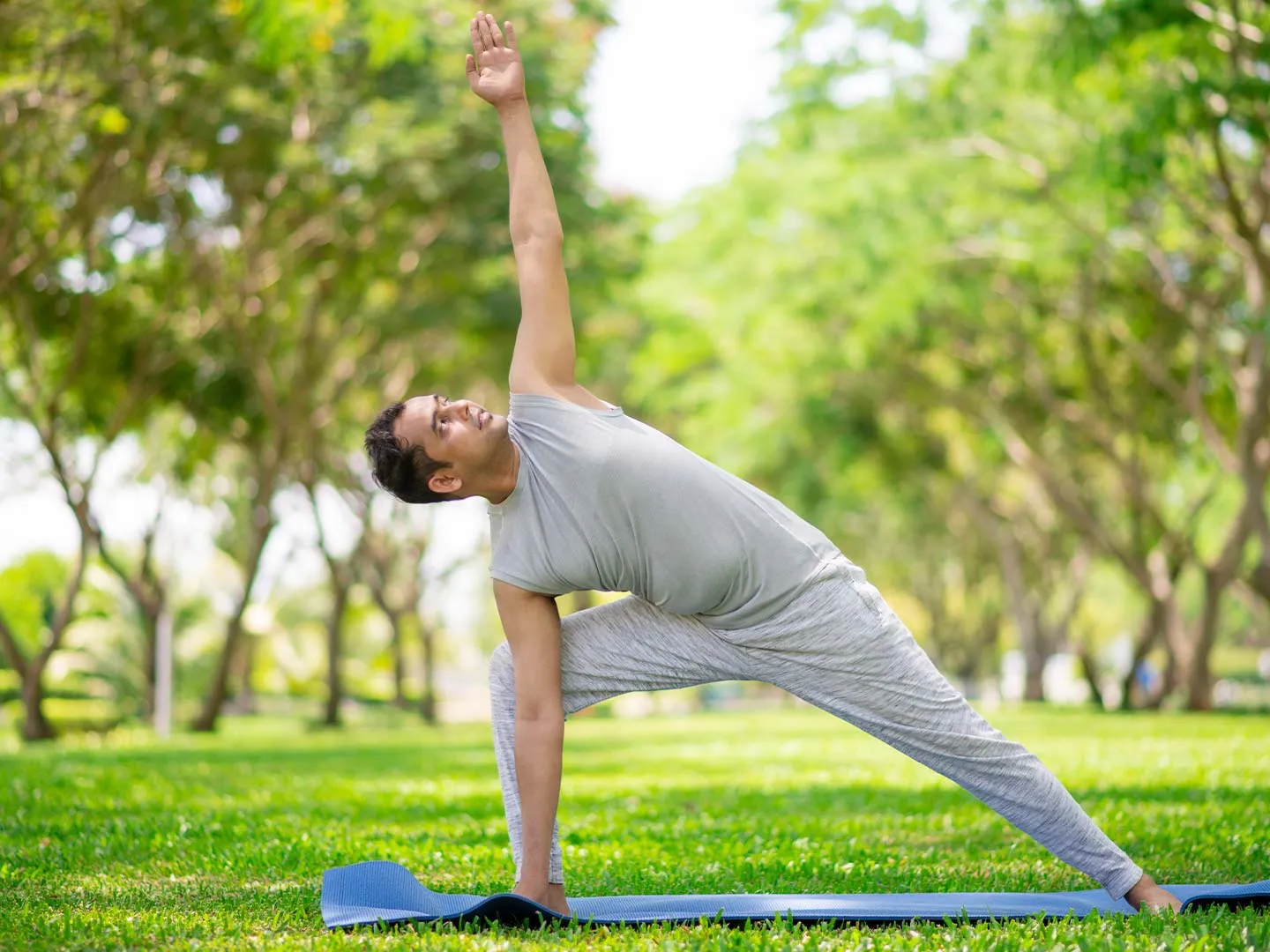
I felt the shift in my body sometime in my early thirties. It wasn’t dramatic or painful, just a quiet realization that poses I once slipped into without a second thought now asked for patience. My hamstrings tightened during forward folds, my hips resisted deep lunges, and my shoulders reminded me of long hours spent at a desk. That subtle resistance nudged me to look at flexibility in a new way.
Flexibility after 30 is not about chasing the splits or forcing my body into shapes it no longer wants. It is about restoring ease in everyday movement, reducing stiffness, and feeling at home in my own skin again. I no longer measure progress by how far I can reach, but by how fluidly I can move through my day. The journey has become less about performance and more about reconnection.
Aging is often framed as a slow decline, yet my experience tells a different story. My body may not respond as quickly as it did in my twenties, but it responds more honestly. It gives clear feedback, and if I listen carefully, it guides me toward sustainable growth. Flexibility has become less about extremes and more about balance.
Why Flexibility Changes After 30
The body evolves over time, and flexibility naturally shifts as part of that process. Muscle fibers lose some elasticity, connective tissues become less pliable, and recovery takes longer. Hormonal fluctuations can also affect joint mobility and muscle tone, especially for women navigating their thirties and beyond. None of these changes signal the end of flexibility; they simply mean the strategy must adapt.
Sedentary habits compound the issue. Many of us spend hours seated, shoulders rounded and hips compressed. Over time, this posture shortens hip flexors, tightens the chest, and weakens the upper back. Without intentional movement, stiffness becomes the default setting.
Stress plays a role as well. Tension accumulates in the body in ways we do not always notice. I often find tightness in my jaw, neck, and lower back during particularly demanding weeks. Emotional strain translates into physical rigidity, making relaxation an essential component of any flexibility practice.
The Mental Shift That Changed Everything
Reclaiming flexibility required a shift in mindset before any physical change occurred. I had to let go of the idea that progress should look the same as it once did. Comparing my current body to my younger self only created frustration. Once I stopped competing with my past, space opened for curiosity and patience.
I began to view flexibility as a dialogue rather than a demand. Instead of pushing into a stretch, I waited for my body to respond. If a pose felt restricted, I asked why rather than forcing depth. That subtle shift from force to inquiry changed the tone of my entire practice.
Consistency replaced intensity. A gentle daily routine proved more effective than occasional aggressive stretching sessions. Five to fifteen minutes each day gradually softened areas that once felt immovable. Small efforts accumulated into meaningful change.
My Core Principles for Regaining Mobility
Sustainable flexibility rests on three pillars: patience, breath, and strength. Stretching alone is not enough. Muscles need both length and stability to function well, especially as we age. Strengthening the muscles around a joint supports deeper mobility without strain.
Breath anchors every movement. Slow, steady inhales and exhales signal the nervous system to relax. When I hold my breath, my body tightens reflexively. When I breathe fully, resistance begins to melt.
Patience is the quiet foundation beneath everything else. Progress unfolds in millimeters rather than leaps. Some days feel open and expansive, while others feel restricted. Accepting those fluctuations keeps me grounded and prevents discouragement.
Gentle Morning Rituals That Loosen Stiffness
Mornings reveal the truth of how my body feels. After a night of stillness, joints can feel creaky and muscles reluctant. I begin with simple spinal movements like cat and cow to awaken the back. This rhythmic motion warms the body without overwhelming it.
From there, I move into low lunges to open the hips. I keep my back knee down and focus on lengthening through the front of the hip rather than sinking deeply. Adding a gentle twist releases tension in the torso and stimulates circulation. These movements take less than ten minutes, yet they transform how I step into the day.
A short standing forward fold finishes the sequence. I bend my knees generously and allow my torso to drape over my thighs. Instead of pulling myself down, I sway gently side to side. That softness encourages the hamstrings to release without protest.
Strength as the Missing Ingredient
Flexibility without strength often leads to instability. In my twenties, I could drop into deep stretches without considering muscular support. After 30, that approach felt risky and unsustainable. Building strength alongside mobility became essential.
I incorporated slow, controlled movements like low squats and supported planks. These poses engage muscles while lengthening them under tension. The combination improves joint resilience and protects against injury. Strong glutes, for example, reduce strain on tight hip flexors.
Eccentric training has been particularly helpful. Lowering slowly into a lunge or a hamstring stretch teaches muscles to lengthen safely. That controlled descent signals the body that it can relax into greater range. Over time, strength and flexibility begin to reinforce each other.
Hip Mobility and Daily Comfort
The hips often hold the most noticeable tightness. Hours of sitting shorten the front of the hips and weaken the back. I counter this imbalance with gentle hip openers like pigeon pose variations and figure-four stretches on my back. Supporting my hips with props keeps the experience accessible.
Dynamic movements also play a role. Leg swings and controlled hip circles prepare the joints for activity. Rather than forcing stillness, I allow motion to gradually expand range. This approach feels more natural and sustainable.
As hip mobility improves, everyday tasks feel easier. Walking becomes lighter, standing feels steadier, and lower back tension decreases. These practical benefits motivate me more than achieving any specific pose.
Releasing Shoulder and Neck Tension
Tight shoulders once limited my overhead reach and deepened neck discomfort. I started incorporating simple chest openers against a wall. Placing my palm on the wall and gently rotating my torso stretches the front of the shoulder without strain. Slow breathing enhances the effect.
Thread-the-needle variations on hands and knees release tension between the shoulder blades. That area often tightens from desk work and stress. By moving gradually and respecting my limits, I noticed increased range within weeks.
Neck mobility requires special care. I avoid aggressive stretches and instead practice slow circles and gentle side bends. Supporting the head’s weight while lengthening surrounding muscles prevents strain. Small, consistent movements restore comfort more effectively than forceful attempts.
The Role of Recovery and Rest
Rest days are not a setback. They allow tissues to repair and adapt. After intense stretching or strength sessions, I give my body time to integrate the work. Recovery has become a deliberate part of my routine rather than an afterthought.
Hydration and sleep influence flexibility more than I once realized. Dehydrated muscles resist lengthening. Poor sleep increases tension and reduces recovery capacity. Prioritizing these basics enhances the benefits of every yoga session.
I also incorporate gentle self-massage with a foam roller or massage ball. This practice improves circulation and reduces lingering tightness. It complements stretching without replacing it.
Navigating Hormonal Changes
For many women, the thirties bring hormonal fluctuations that subtly affect joints and connective tissue. Some days I feel more mobile, while other days stiffness prevails. Rather than interpreting these shifts as regression, I treat them as information.
Adjusting intensity according to how I feel has become second nature. On days when my joints feel sensitive, I focus on restorative poses and breathwork. On days when energy runs high, I explore deeper ranges with control. This flexibility in approach keeps the practice sustainable.
Hormonal shifts also highlight the importance of strength training. Stable joints rely on strong surrounding muscles. Integrating resistance exercises supports long-term mobility and protects against injury.
Building a Sustainable Weekly Routine
Structure helps maintain consistency. I aim for three to four focused yoga sessions per week, complemented by short daily mobility breaks. Each session blends strength and stretch, ensuring balanced development. This rhythm feels manageable alongside work and family responsibilities.
Short movement breaks during the day prevent stiffness from accumulating. Standing hip openers, shoulder rolls, and brief forward folds counteract prolonged sitting. These micro-sessions keep my body responsive.
Variety keeps the routine engaging. Some days emphasize lower body mobility, while others focus on the upper body or core strength. Rotating emphasis prevents overuse and maintains motivation.
Letting Go of External Pressure
Social media often showcases extreme flexibility. Comparing myself to those images once sparked frustration. Over time, I recognized that flexibility is deeply individual. Body structure, genetics, and lifestyle all influence range of motion.
I now celebrate incremental progress. A slightly deeper squat or a more relaxed forward fold feels meaningful. These small victories reinforce consistency and self-respect.
External validation no longer defines my goals. The true reward lies in how my body feels during daily life. Ease of movement, reduced pain, and greater confidence matter more than visual achievements.
Aging as an Invitation Rather Than a Limitation
Crossing the threshold of 30 reframed my relationship with movement. Instead of seeing aging as a barrier, I began to view it as an invitation to refine my practice. The focus shifted from ambition to awareness.
Flexibility after 30 carries depth and intention. Each stretch becomes a conversation rather than a command. Each breath fosters presence. That mindful engagement brings a richness I did not experience in earlier years.
Growth continues well beyond 30. The body adapts remarkably when treated with respect and patience. I have gained mobility in areas that once felt permanently tight. That progress proves that change remains possible.
A Long-Term Perspective on Mobility
This journey is not a short-term project. Flexibility evolves over decades, influenced by lifestyle and habits. Viewing it as a lifelong relationship removes urgency and pressure. I no longer rush toward arbitrary milestones.
Instead, I focus on daily actions that support long-term vitality. Gentle stretching, strength training, proper rest, and mindful breathing form the foundation. These habits accumulate quietly, building resilience over time.
Reclaiming flexibility after 30 has reshaped how I inhabit my body. The process requires patience and consistency, yet the rewards extend far beyond deeper stretches. Greater mobility enhances confidence, reduces discomfort, and fosters a sense of ease that radiates into every aspect of life. I move forward not in pursuit of perfection, but in pursuit of freedom within my own skin.



The Long-Term Mindset of Strong Practitioners

Habit Stacking for Daily Yoga

How to Reignite a Stalled Practice

Mastering Patience in Skill-Based Poses

The 1% Better Method on the Mat

The 7-Day Reset Challenge
The 1% Better Method on the Mat

The 25-Minute Sweat Flow That Feels Like a Reset Button

The Silent Strength Flow (Minimal Transitions, Maximum Burn)
The 7-Day Reset Challenge

Resetting After Travel and Long Flights
