Mobility
Mobility Flows for People Who Lift Weights

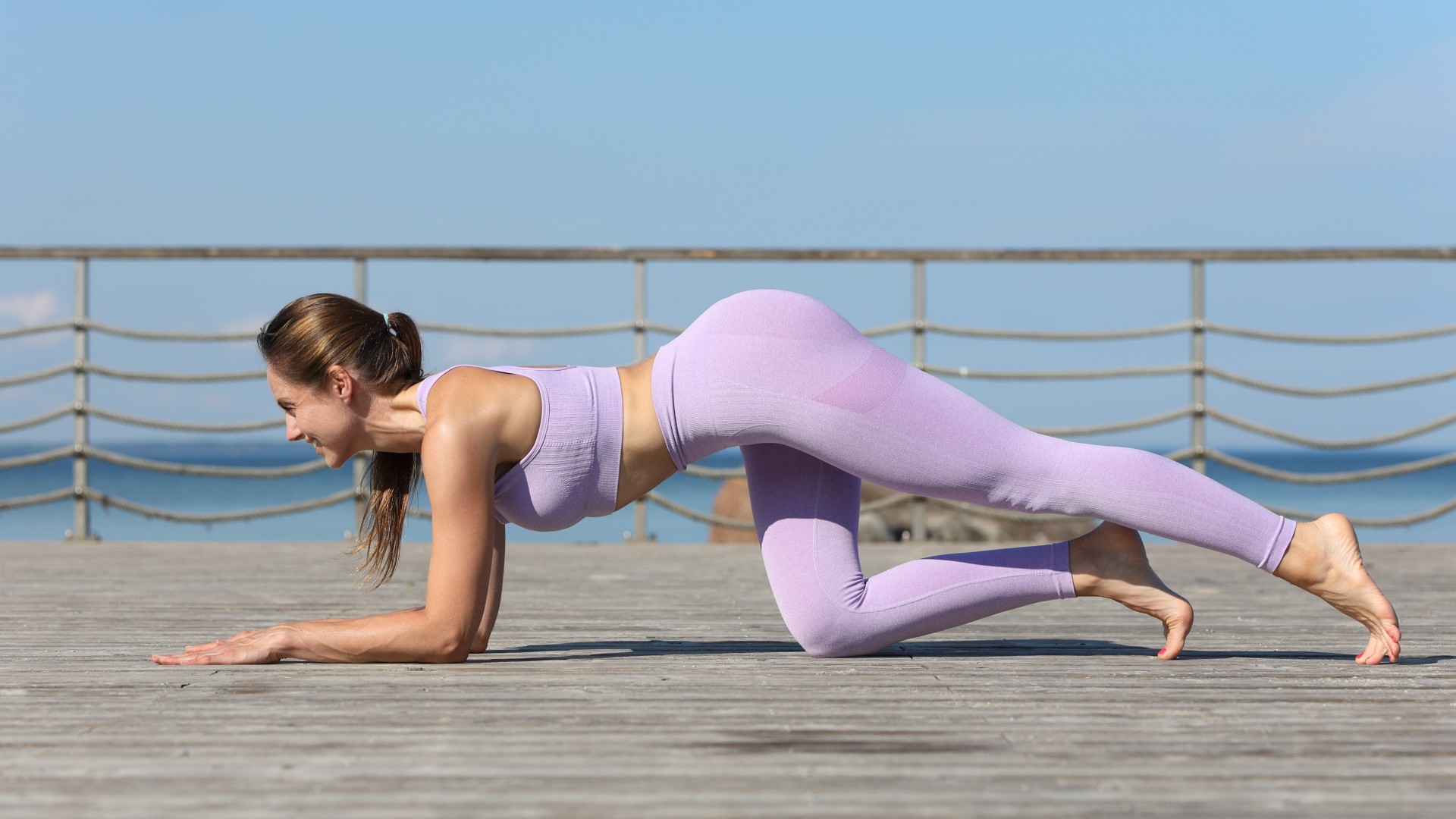
Heavy lifting has a rhythm that I love. The clang of plates, the focus before a set, the steady grind through a sticking point all make me feel strong and capable. Yet the more time I spent under a barbell, the more I realized strength alone was not enough. Tight hips started limiting my squat depth, my shoulders felt cranky after pressing, and my lower back carried tension long after deadlift day was over.
Mobility flows changed that relationship with my training. Instead of treating stretching as an afterthought or a rushed cooldown, I began weaving intentional movement sequences into my week. These flows were not random stretches thrown together, but purposeful chains of poses and transitions that built heat, explored range, and connected breath to motion. Over time, my lifts felt smoother, my joints felt supported, and recovery stopped feeling like a constant uphill battle.
This article is a deep dive into how I use mobility flows to support strength training. I will share the philosophy behind them, the specific areas lifters tend to neglect, and sample flows you can plug into your own routine. Everything here comes from practice, from trial and error, and from many sessions on the mat after stepping away from the rack.
Why Lifters Need Mobility Beyond Static Stretching
Strength training creates adaptation by asking the body to handle load. Muscles shorten and contract powerfully, connective tissue stiffens to transmit force efficiently, and the nervous system becomes highly skilled at producing tension. That tension is useful under the bar, but it can become limiting if we never teach the body how to move fluidly through full ranges of motion.
Static stretching has its place, but it often isolates one muscle at a time without integrating the rest of the body. In contrast, mobility flows link multiple joints together. They invite the hips, spine, shoulders, and ankles to coordinate rather than operate in isolation. For lifters who move complex loads like squats and presses, that coordination matters just as much as flexibility.
Mobility flows also build active range of motion. I am not just passively hanging out in a stretch; I am engaging muscles at end range, stabilizing joints, and breathing steadily through transitions. That active control carries directly into strength work. My squat feels more stable at the bottom, and my overhead press feels less restricted because I have trained those positions without weight.
The Areas Lifters Tend To Neglect
Most lifters develop similar patterns of tightness. The hips become stiff from heavy squats and long hours sitting. The thoracic spine loses rotation and extension from pressing and desk posture. The shoulders can feel compressed from benching and overhead work. Ankles quietly lose dorsiflexion, which then shows up as heels lifting or knees collapsing in squats.
For me, the hips were the first red flag. Deep squats began to feel more like a fight than a fluid movement. I noticed I was compensating by tipping my torso forward and overusing my lower back. Once I started prioritizing hip flexion, extension, and rotation in my flows, that tension eased and my squat depth improved without forcing it.
The thoracic spine was another big one. Heavy rows and presses made me strong, but they also encouraged a rigid upper back. Mobility flows that included spinal waves, rotations, and controlled extensions restored a sense of space across my chest and ribs. As a result, overhead lifts felt more natural and less strained.
Principles I Follow When Building A Flow
I build my mobility flows around movement patterns that mirror my lifts. If I am squatting and deadlifting frequently, my flow will include deep hip flexion, hamstring lengthening, and ankle mobility. If I am pressing a lot, I will include shoulder flexion, external rotation, and thoracic extension. The goal is to complement my lifting, not duplicate its stress.
Breath anchors everything. Each transition has a purpose, and I match it to either an inhale that creates space or an exhale that grounds me deeper into a position. Slow breathing keeps the nervous system calm and reduces the urge to rush through tight spots. Over time, that breath control carries over into heavy sets where staying calm under load is crucial.
I also move gradually from simple to complex. A flow might start in a quadruped position to warm the spine, then move into lunges for hip work, and finally into more integrated patterns like low squat transitions. This layering ensures my joints are prepared before I explore deeper ranges.
Lower Body Mobility Flow For Squat And Deadlift Days
This is a flow I often use on lower body training days. It takes about ten to fifteen minutes and leaves my hips and ankles primed for load.
I begin in a tabletop position and move through cat cow waves. Instead of rushing, I articulate each vertebra and feel how the pelvis tilts forward and back. This gentle spinal movement wakes up the connection between hips and spine without strain.
From there, I step one foot forward into a low lunge. I shift my hips forward and back slowly, exploring hip flexion and extension. Adding a gentle twist toward the front leg brings the thoracic spine into the picture, which helps prepare for the upright posture of a squat.
Next, I transition into a hamstring rock. With the front leg straight and hips moving back, I hinge through the hip while maintaining a long spine. This mimics the mechanics of a deadlift in a low-load environment. After a few controlled repetitions, I switch sides and repeat the sequence.
I then move into a deep squat hold. My feet are slightly wider than hip width, toes turned out as needed, and I sink down while keeping my heels grounded. I shift side to side, press my knees gently outward with my elbows, and breathe deeply into my belly. This position directly reinforces the bottom of my squat without a bar on my back.
To finish, I flow between a forward fold and a deep squat. Standing tall, I hinge down, bend my knees, and drop into the squat. Then I press through my feet to stand again. This dynamic pattern ties together hamstrings, hips, ankles, and spine in one continuous loop.
After this flow, the bar feels lighter not because the weight changed, but because my body is prepared to move through its full range.
Upper Body Mobility Flow For Pressing And Pulling
Upper body mobility often gets reduced to a few arm swings. I prefer a more deliberate approach that addresses the shoulders and thoracic spine together.
I start in a kneeling position and move into shoulder circles. One arm reaches forward, up, back, and down in a slow arc while I keep my ribs controlled. This builds awareness of shoulder joint motion without collapsing into the lower back.
From there, I move into thread the needle in a tabletop position. I slide one arm under my chest, allowing the upper back to rotate, then open the same arm toward the ceiling. This rotation counters the stiffness that heavy pressing can create. My breath guides the movement, inhaling as I open and exhaling as I rotate inward.
Next comes a modified downward facing dog where I focus on shoulder flexion. I press the floor away, lengthen my spine, and gently pedal my heels to integrate lower body movement. Shifting forward into a plank and back again reinforces scapular control, which supports both bench presses and rows.
I also like incorporating a low cobra or sphinx pose. Lying prone, I lift my chest using my back muscles rather than pushing aggressively with my hands. This encourages thoracic extension and counters the rounded posture that can develop from frequent pressing.
Finally, I link everything together in a slow flow between plank, downward facing dog, and low lunge with an overhead reach. That overhead reach under light load trains shoulder flexion in a stable, controlled way. After several rounds, my shoulders feel warm, open, and ready for work.
Integrating Mobility Into A Lifting Week
Mobility flows work best when they are consistent. I treat them as part of my training rather than an optional add-on. On heavy days, I use shorter flows as part of my warm-up. On rest days, I might spend twenty to thirty minutes moving more slowly and exploring deeper ranges.
I also pay attention to feedback from my body. If my hips feel particularly tight after a heavy deadlift session, I will emphasize hip flexor and hamstring work the next day. If my shoulders feel compressed after benching, I will prioritize thoracic rotation and overhead mobility.
Recovery improves when mobility is woven throughout the week. Instead of waiting for pain to signal a problem, I use flows proactively. This approach has reduced the number of nagging aches that once felt inevitable.
Balancing Strength And Fluidity
Strength and mobility are often framed as opposites, but they are deeply connected. The strongest lifts I have experienced came during periods when my movement felt fluid and unrestricted. Mobility flows create the conditions for that fluidity.
They also shift my mindset. Lifting can be intense and performance driven, while mobility invites curiosity. I notice small asymmetries, subtle shifts in balance, and areas where breath gets shallow. That awareness feeds back into my strength work, making each rep more intentional.
Over time, I stopped seeing mobility as a corrective chore. It became a space to explore how my body feels outside of external load. That exploration makes the next training session more grounded and more sustainable.
A Sample Weekly Structure
Here is a simple way I might structure mobility around a four day lifting split.
On lower body days, I use the lower body flow described earlier as my warm-up. It takes about ten to fifteen minutes and transitions smoothly into lighter squat or hinge sets.
On upper body days, I use the shoulder and thoracic flow before touching any weights. This primes my pressing mechanics and reduces the urge to rush into heavy sets without preparation.
On one rest day, I dedicate a longer session to full body mobility. I combine elements of both flows and move at a slower pace. This session feels restorative but still purposeful.
On the final rest day, I might do a brief evening flow focused on areas that feel tight. Ten minutes before bed can make a noticeable difference in how I wake up the next morning.
This structure is flexible. The key is consistency and intention rather than perfection.
Common Mistakes I See Lifters Make
One common mistake is rushing through mobility just to check a box. Fast, distracted movement does not create the same change as slow, attentive transitions. The body responds to quality more than quantity.
Another mistake is forcing range of motion. Aggressive stretching can trigger protective tension and backfire. I stay within a range where I can breathe steadily and maintain control. Over time, that range expands naturally.
Ignoring the breath is another missed opportunity. Breath regulates the nervous system and can either amplify tension or ease it. I treat each inhale and exhale as part of the movement, not an afterthought.
Finally, many lifters separate mobility from strength in their minds. They see one as soft and the other as serious. In my experience, the most resilient athletes treat both as essential pieces of the same puzzle.
The Long Term Payoff
Mobility flows have extended the lifespan of my lifting practice. Instead of cycling through periods of intense training followed by forced layoffs due to aches, I maintain steadier progress. My joints feel supported, my posture has improved, and heavy sessions no longer leave me feeling locked up for days.
The payoff is not just physical. Moving slowly on the mat after a demanding lift session creates space to reflect and reset. It reminds me that strength is not only about numbers on a bar but about how well I can inhabit my body.
For anyone who lifts weights and feels tight, stiff, or limited, mobility flows can be transformative. They do not require fancy equipment or hours of extra time. They require intention, patience, and a willingness to move with awareness.
Strength built on a foundation of mobility feels different. It feels sustainable, integrated, and grounded. That combination is what keeps me coming back to both the barbell and the mat, week after week.



The Long-Term Mindset of Strong Practitioners

Habit Stacking for Daily Yoga

How to Reignite a Stalled Practice

Mastering Patience in Skill-Based Poses

The 1% Better Method on the Mat

The 7-Day Reset Challenge
How to Reignite a Stalled Practice

The 25-Minute Sweat Flow That Feels Like a Reset Button

The Silent Strength Flow (Minimal Transitions, Maximum Burn)
The 1% Better Method on the Mat
The 7-Day Reset Challenge
