Flow
How to Structure a Peak-Pose-Centered Flow

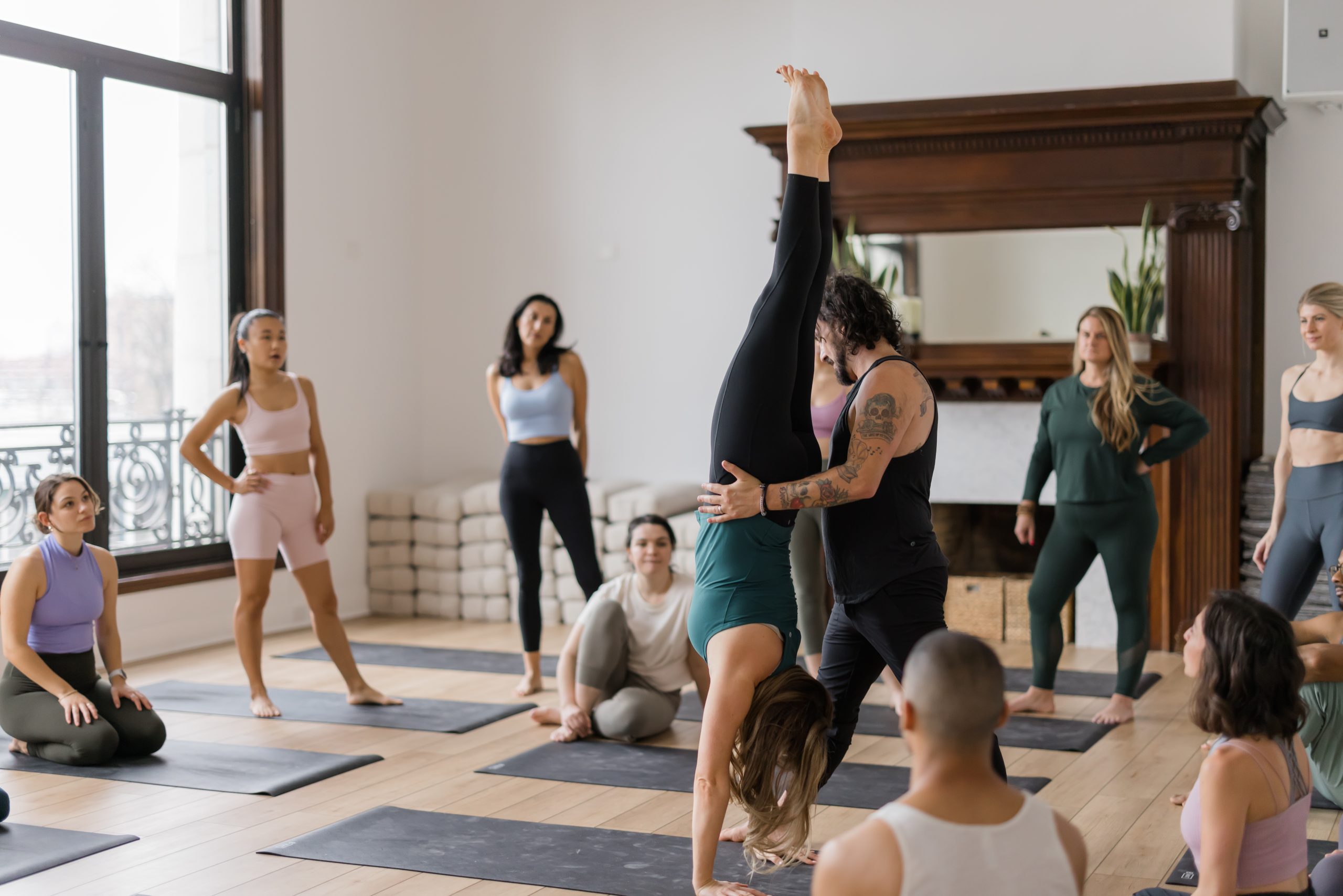
Designing a peak-pose-centered flow has completely transformed the way I teach and practice yoga. Instead of moving through postures randomly or relying on habit, I build sequences with intention, direction, and a clear destination. The result feels purposeful, intelligent, and satisfying in a way that both challenges and supports the body. A thoughtfully structured flow doesn’t just lead to an impressive shape at the end; it tells a story through movement.
Peak poses can be anything from an arm balance to a deep backbend or an advanced hip opener. What makes them powerful is not their complexity but the journey that prepares the body and mind to arrive there safely. A well-structured class builds heat gradually, opens the necessary muscle groups, activates stabilizers, and calms the nervous system enough to sustain focus. That preparation is what makes the peak pose feel accessible rather than overwhelming.
In this article, I’ll walk through how I structure a peak-pose-centered flow from start to finish. I’ll share how I clarify the intention of the sequence, layer in intelligent progressions, and weave together strength, mobility, and breath. By the end, you’ll have a clear roadmap you can use whether you’re planning a class or deepening your personal practice.
Define the Peak Pose and Its Demands
The first thing I do is clearly identify the peak pose and analyze what it truly requires from the body. If the posture is something like Eka Pada Rajakapotasana, I consider hip flexor mobility, quadriceps length, spinal extension, and shoulder flexibility. If it’s an arm balance like Bakasana, I look at wrist strength, core activation, hip flexion, and scapular stability. Each peak pose has a blueprint, and mapping that blueprint guides the entire sequence.
I like to break the posture down into categories: primary muscle groups, secondary stabilizers, range of motion demands, and energetic qualities. Some poses require power and compression, while others need openness and surrender. By identifying those qualities, I ensure the class builds in a logical progression rather than jumping ahead too quickly. The more precise I am about what the peak pose needs, the more effective the preparation becomes.
This process also prevents overloading areas that don’t need attention. If the peak pose is a twist-heavy arm balance, I won’t spend excessive time on deep backbends that exhaust the spine. Instead, I align my sequence with the specific mechanics of the final posture. Clarity at the beginning saves time and reduces risk later on.
Set an Intention That Supports the Journey
Once I know the physical demands, I think about the energetic or emotional quality I want to cultivate. A peak backbend may invite courage and vulnerability, while a hip opener might encourage patience and softness. I let the intention shape the tone of the class and influence my cueing language. The peak pose becomes a physical expression of that inner theme.
I don’t treat intention as a separate, abstract idea. Instead, I weave it directly into transitions and breath work. If the theme is steadiness, I emphasize grounding through the feet and steady exhalations during challenging holds. If the theme is expansion, I encourage spacious inhales and broad collarbones throughout the practice. This continuity makes the peak pose feel like a natural culmination rather than an isolated event.
Intention also keeps the sequence from becoming purely performance-driven. The goal is not to “achieve” the pose at all costs. It’s to move with awareness and respect the body’s signals along the way. When intention stays present, the peak pose becomes a reflection of practice rather than a test of ability.
Build Heat With Purpose
I begin the physical practice by gradually increasing circulation and breath awareness. Gentle spinal movements like Cat-Cow or low lunges wake up the major muscle groups without overwhelming them. I focus on connecting movement to breath early on, because that rhythm carries through the entire sequence. A steady breath becomes the anchor for everything that follows.
Sun Salutations often form the backbone of my warm-up, but I adapt them based on the peak pose. If I’m working toward a backbend, I emphasize upward-facing variations and longer holds in lunges. If I’m preparing for an arm balance, I integrate plank variations and slow chaturangas to build upper-body strength. The warm-up should mirror the direction of the practice without revealing the full intensity yet.
Heat serves two important purposes. It increases tissue elasticity, making deeper ranges of motion safer, and it builds internal focus. A warm body responds more intelligently to load and stretch, while a focused mind handles challenge with more clarity. Skipping this stage often leads to strain or frustration later in the class.
Target Key Muscle Groups Gradually
After the general warm-up, I start isolating and activating the specific areas needed for the peak pose. If hamstring flexibility is crucial, I layer in dynamic half splits and standing forward folds. If shoulder stability is required, I incorporate Dolphin Pose and plank variations that emphasize scapular control. Each posture becomes a stepping stone rather than a random addition.
I pay attention to balance between strength and mobility. Opening tight muscles without strengthening their opposites can create instability. For example, deep hip openers should be paired with glute activation to protect the joints. That balance ensures that by the time students reach the peak pose, they feel supported rather than exposed.
Repetition also plays a role here. Revisiting a movement pattern more than once allows the body to integrate the action. The first round might feel stiff or awkward, but the second and third often reveal more ease. Gradual progression builds confidence and reduces the shock factor of the final posture.
Create Intelligent Progressions
Progression is where the artistry of sequencing truly shines. I like to move from simple shapes to more complex ones that resemble the peak pose. For example, preparing for Hanumanasana might involve low lunges, then pyramid pose, then half splits with active engagement. Each stage adds a layer of intensity without skipping steps.
In arm balance sequences, I often introduce drills that mimic the mechanics of the final pose. Knee-to-tricep holds in plank can build familiarity with weight transfer before fully lifting into Bakasana. These transitional drills reduce fear and make the peak pose feel like a natural extension of previous work. The body recognizes the pattern and responds more confidently.
Transitions matter just as much as static poses. I plan how students move in and out of shapes to reinforce key actions. If hip flexion is essential, I include slow step-through transitions that demand core engagement. Seamless transitions maintain flow and strengthen the connections between postures.
Maintain Breath and Nervous System Regulation
A peak-pose-centered flow can easily tip into intensity overload. To prevent that, I intentionally insert moments of grounding. Poses like Child’s Pose or a brief standing pause help regulate the nervous system. These moments are not breaks; they are strategic resets that keep the practice sustainable.
Breath cueing becomes more precise as the sequence builds. I encourage longer exhales during challenging holds to activate the parasympathetic response. When the breath remains steady, the body interprets effort as manageable rather than threatening. This shift changes the entire experience of the peak pose.
I also remind students that backing off is part of the process. A regulated nervous system supports strength, flexibility, and coordination far better than one operating under stress. Peak poses flourish in an environment of steadiness, not urgency.
Approach the Peak Pose With Clarity
By the time we arrive at the peak pose, the body should feel primed. I offer clear setup cues and sometimes break the pose into stages. Students can stay in a preparatory variation or move into the full expression depending on their readiness. That choice honors different bodies and experiences within the room.
I give time for exploration rather than rushing the moment. Holding the pose for several breaths allows the body to integrate the work that led there. Whether the posture is fully expressed or modified, the effort and focus remain meaningful. The culmination feels earned rather than forced.
Success in a peak pose is not measured by aesthetics. It’s reflected in steadiness of breath, integrity of alignment, and the ability to exit the pose with control. Those markers tell me the sequence did its job.
Counterpose and Integrate
After the intensity of a peak pose, I carefully guide the body back toward neutral. Counterposes depend on what came before. Deep backbends may be followed by gentle forward folds, while strong hip flexion work might be balanced with subtle extension. The goal is to restore equilibrium without abruptly shutting down energy.
Integration poses allow the nervous system to absorb the experience. Supine twists or supported bridges can feel soothing and reflective. These shapes create space for the body to recalibrate and process sensation. Skipping integration can leave students feeling scattered rather than complete.
I treat this stage as essential, not optional. A thoughtful cool-down ensures the practice closes with coherence. The arc of the sequence remains intact from beginning to end.
Close With Stillness and Reflection
Savasana becomes the final piece of the peak-pose journey. After physical intensity, stillness carries a different depth. The body rests more fully because it has been challenged and prepared. I encourage students to notice subtle shifts in breath, heartbeat, and mental clarity.
This closing phase anchors the entire experience. The peak pose might be the highlight, but integration in stillness gives it meaning. Without rest, the practice feels unfinished. With rest, it settles into memory and muscle.
Structuring a peak-pose-centered flow requires foresight, patience, and creativity. Each segment builds upon the last, forming a cohesive arc that supports both body and mind. Through careful preparation, intentional progression, and thoughtful integration, the peak pose transforms from a daunting challenge into a natural expression of the journey.



The Long-Term Mindset of Strong Practitioners

Habit Stacking for Daily Yoga

How to Reignite a Stalled Practice

Mastering Patience in Skill-Based Poses

The 1% Better Method on the Mat

The 7-Day Reset Challenge
How to Reignite a Stalled Practice

The 25-Minute Sweat Flow That Feels Like a Reset Button

The Silent Strength Flow (Minimal Transitions, Maximum Burn)

The Ladder Flow Method for Progressive Strength
The 7-Day Reset Challenge