Flow
The Controlled Chaos Sequence (Balance Meets Power)

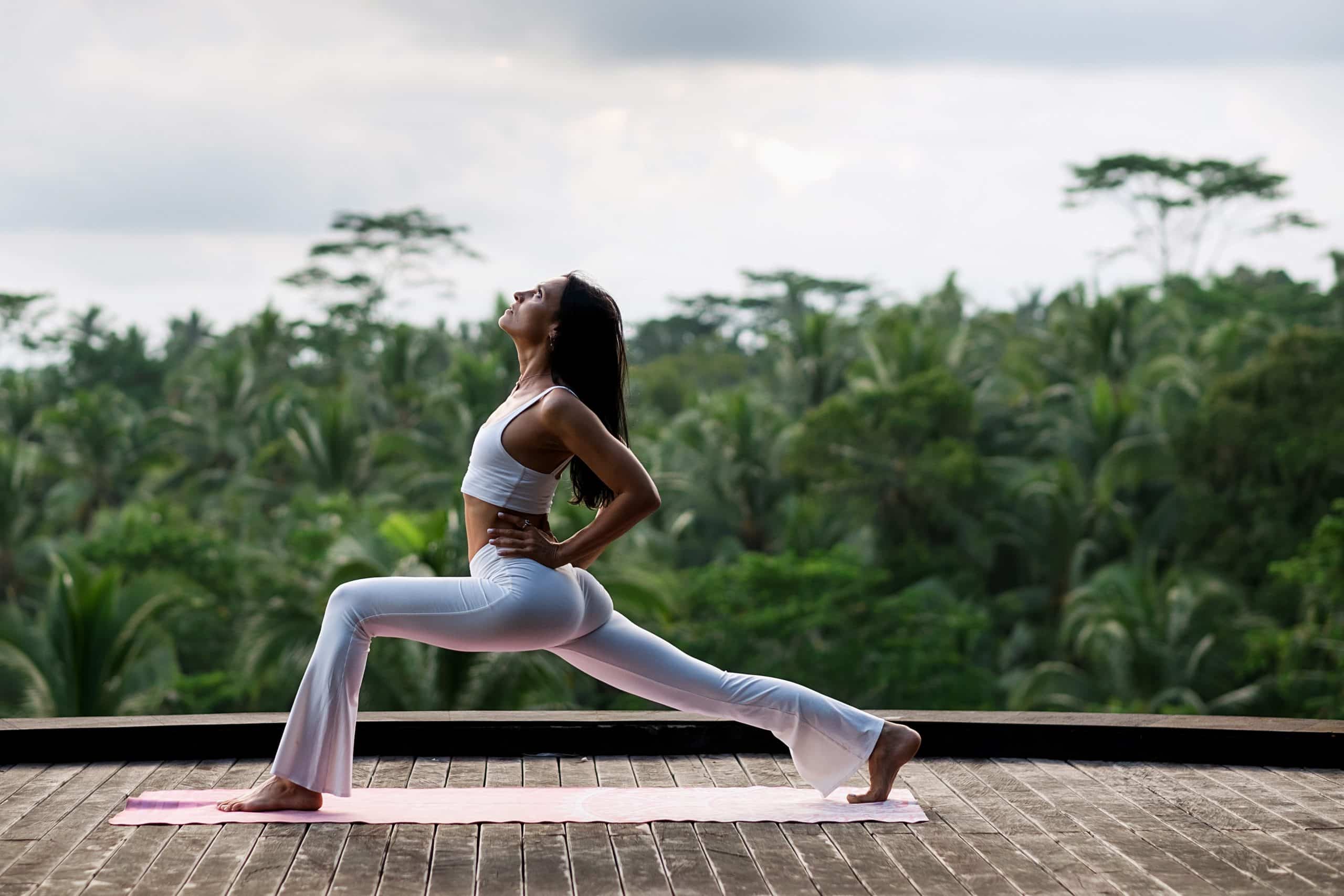
Power and balance rarely arrive at the same moment. One tends to overpower the other, leaving me either gripping the mat with brute force or wobbling through shapes that demand steadiness. The Controlled Chaos Sequence was born from my desire to blend those two forces into a single, fluid experience. It is a practice that asks for grounded strength while inviting unpredictable transitions, and in that tension, something remarkable begins to unfold.
This sequence is not about perfect lines or pristine poses. It is about harnessing momentum without losing awareness. The rhythm shifts between explosive movement and deliberate stillness, asking the body to respond quickly while the mind remains steady. I designed it to challenge the edges of my comfort zone and to build resilience in places that once felt fragile.
The Philosophy Behind Controlled Chaos
Chaos has a negative reputation in the yoga world, often associated with distraction or instability. In this sequence, chaos represents movement that refuses to be rigid. It is the energy of transition, the spark that keeps practice alive and responsive. By placing that energy inside a framework of breath and alignment, I discovered that chaos becomes a teacher rather than a threat.
Control, on the other hand, does not mean suppression. It means awareness of where my weight is distributed, how my breath flows, and how my muscles engage. It means trusting that I can move dynamically without losing integrity. The meeting point between chaos and control is where balance gains depth and power becomes intelligent.
I noticed that my body responded differently when I allowed slight unpredictability into familiar flows. Instead of moving through Sun Salutations on autopilot, I added variations that required quick shifts in direction. The mind had to stay present, and the body had to organize itself efficiently. That is where true balance began to grow.
Building The Foundation
Before diving into the full sequence, I prepare the body with deliberate grounding. I begin in Mountain Pose, feeling the weight of my heels and the subtle lift through the crown of my head. Breath becomes my anchor, steady and even, expanding the ribs in all directions. This grounding establishes the baseline from which controlled chaos can safely rise.
From there, I transition into slow squats and lunges, focusing on stability through the feet. The arches activate, the toes spread, and the glutes engage with purpose. I pay attention to how my knees track over my toes and how my hips respond to load. These details create a stable platform that supports the dynamic elements to come.
Plank variations follow, not rushed but deliberate. I shift forward and back, testing the limits of my core engagement. The shoulders stack over the wrists, and I feel the serratus anterior ignite as I push the floor away. By the time I am ready for the main sequence, my body feels awake, steady, and prepared for unpredictable transitions.
Igniting Power Through Dynamic Transitions
The heart of the Controlled Chaos Sequence lies in its transitions. Instead of stepping quietly from Warrior II to Extended Side Angle, I add a small hop that challenges coordination. The movement demands quick recalibration in the ankles and hips. My breath becomes a metronome, guiding the timing of each shift.
From Crescent Lunge, I spring into a single-leg balance, hovering momentarily before landing softly. That suspended instant teaches me how to control descent and manage force. Power is not about how high I lift or how far I jump. It is about how skillfully I land.
I weave in rotational movements that require my torso to respond swiftly. A twisting lunge flows into a half moon variation with minimal pause. The obliques fire, and the standing leg works overtime to stabilize the pelvis. Each transition feels like a conversation between momentum and restraint.
The Role Of Breath In Managing Intensity
Breath governs everything in this sequence. Without it, the chaos quickly turns into tension and the control dissolves into rigidity. I use a steady, audible inhale and exhale to create rhythm. The sound reminds me to stay anchored even as my body moves rapidly.
During explosive transitions, I exhale sharply to engage the core. The diaphragm lifts, the pelvic floor responds, and the spine gains support. On slower, balancing holds, I soften the inhale to invite steadiness. Breath becomes both fuel and brake.
In moments where fatigue sets in, I notice how the breath shortens. That is my signal to recalibrate. Slowing down for a cycle or two prevents sloppiness and preserves the integrity of the sequence. The breath does not eliminate chaos, but it keeps it constructive.
Finding Balance In Unpredictability
Balance in this practice rarely feels static. It emerges in the micro-adjustments happening beneath the surface. My toes grip and release, my hips subtly shift, and my gaze softens to maintain equilibrium. These small corrections are constant and necessary.
One of my favorite transitions moves from Chair Pose into a narrow standing balance with arms extended overhead. The shift requires quick stabilization through the ankles and a recalibration of the pelvis. If my mind drifts, I wobble immediately. Staying present becomes the real challenge.
The more I practice this sequence, the more I trust my body’s reflexes. I no longer panic at the first sign of instability. Instead, I treat it as feedback. Balance becomes less about avoiding wobble and more about responding intelligently to it.
Strength That Serves Fluidity
Strength in this context is not rigid or bulky. It is adaptable and responsive. My legs feel powerful in deep lunges, yet supple enough to pivot into lateral movements. The core acts like a corset, providing support without restricting breath.
Arm balances occasionally make an appearance in the sequence, woven between grounded postures. A quick shift from low lunge into a side crow variation demands courage and precision. The wrists must absorb force, and the shoulders must organize instantly. These moments remind me that power requires preparation.
Over time, I noticed that this kind of training translated beyond the mat. Carrying heavy groceries or navigating uneven terrain felt easier. The body had learned how to adapt under load without collapsing. Strength became a dynamic asset rather than a static display.
Mental Focus Amid Movement
The mind has a tendency to resist unpredictability. It prefers familiar patterns and predictable flows. The Controlled Chaos Sequence challenges that preference by introducing constant change. I must stay alert to anticipate shifts without overthinking them.
Distraction shows up quickly in dynamic transitions. If I replay a conversation or worry about tomorrow’s tasks, my timing falters. The sequence becomes a moving meditation, demanding full presence. Each transition acts as a checkpoint, asking whether I am truly here.
This heightened focus spills into daily life. Decision-making becomes sharper, and reactions feel less impulsive. Practicing controlled chaos trains the mind to remain composed under shifting circumstances. It builds resilience that extends far beyond yoga.
Embracing Imperfection
No two sessions feel identical. Some days my jumps feel light and effortless, while other days my landings are heavy. Rather than judging those fluctuations, I observe them. The variability becomes part of the practice.
Perfection has no place in controlled chaos. The goal is not flawless execution but responsive engagement. I allow myself to experiment with new transitions, even if they are messy at first. Growth often hides inside those imperfect attempts.
Accepting inconsistency builds patience. It reminds me that progress is nonlinear. The body evolves at its own pace, and the sequence evolves with it. That flexibility keeps the practice alive and authentic.
Structuring Your Own Sequence
Designing a Controlled Chaos Sequence begins with a clear intention. Decide which qualities you want to cultivate, whether it is agility, balance, or explosive strength. Start with foundational poses that establish stability before layering dynamic elements. This progression reduces the risk of injury and enhances performance.
Incorporate transitions that challenge coordination. Instead of stepping forward from Downward Dog, experiment with a controlled hop. Move between planes of motion by adding twists and lateral shifts. Variety stimulates neuromuscular adaptation.
Always return to breath as your guide. If the sequence begins to feel frantic, slow it down. Control does not mean stiffness, and chaos does not mean recklessness. Striking that balance is an ongoing conversation between body and mind.
Recovery And Integration
After the intensity of dynamic movement, the body needs integration. I close the sequence with slower holds and gentle stretches. Forward folds and supine twists allow the nervous system to settle. The contrast highlights how much energy was generated.
Savasana becomes a powerful closing chapter. Lying still after controlled chaos feels profoundly different from resting after a gentle flow. The body hums with residual energy, yet the mind feels clear. That stillness carries a sense of earned tranquility.
Integration ensures that power and balance are not fleeting. The nervous system absorbs the lessons of adaptability. Muscles relax, but the memory of coordinated effort remains.
Bringing Controlled Chaos Into Daily Life
The lessons from this sequence extend beyond yoga. Life rarely unfolds in predictable patterns. Plans shift, challenges arise, and circumstances demand quick adaptation. Practicing controlled chaos on the mat prepares me to respond rather than react.
Balance in daily life is rarely static. It involves constant adjustment between responsibilities, rest, ambition, and reflection. Power is not about forceful dominance but about grounded confidence. The interplay between these qualities shapes resilience.
This sequence has reshaped how I view instability. Instead of fearing it, I see it as an opportunity to grow. The mat becomes a laboratory where I rehearse adaptability. Each session reinforces the idea that strength and balance are not opposites but partners.
The Controlled Chaos Sequence continues to evolve with me. Some days it feels fierce and athletic, other days introspective and subtle. Its essence remains the same: a deliberate blending of stability and unpredictability. In that fusion, I find not just physical growth but a deeper sense of presence and power that carries into everything I do.



The Long-Term Mindset of Strong Practitioners

Habit Stacking for Daily Yoga

How to Reignite a Stalled Practice

Mastering Patience in Skill-Based Poses

The 1% Better Method on the Mat

The 7-Day Reset Challenge
How to Reignite a Stalled Practice

The 25-Minute Sweat Flow That Feels Like a Reset Button

The Silent Strength Flow (Minimal Transitions, Maximum Burn)
The 1% Better Method on the Mat
The 7-Day Reset Challenge
