Discipline
The Identity Shift: Becoming Someone Who Practices

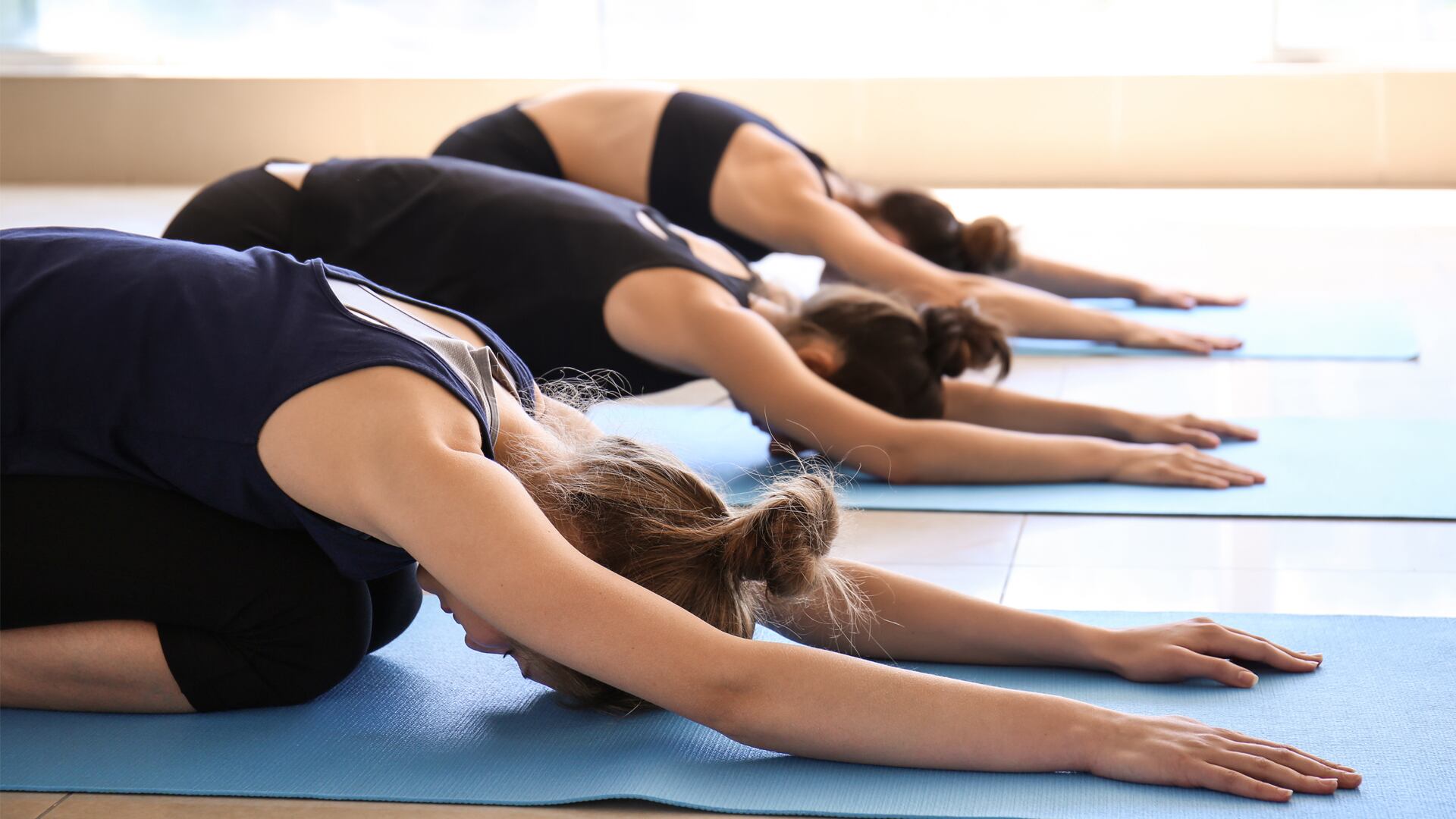
I stopped trying to motivate myself into practicing yoga and started asking a different question: Who am I becoming through this practice? That subtle shift changed everything. Instead of wrestling with discipline, battling procrastination, or waiting for inspiration to strike, I began to see yoga not as a task on my calendar but as a reflection of my identity. The mat became less of a place I visited and more of a place I belonged.
For years, I treated practice like a project. I would commit for a week, skip a few days, feel guilty, then restart with renewed intensity. The cycle was exhausting because it relied on willpower alone. Eventually, I realized that willpower fades, but identity endures. The moment I began to think of myself as someone who practices, consistency stopped feeling forced and started feeling natural.
This shift did not happen overnight. It emerged quietly through small decisions repeated often enough that they reshaped how I saw myself. Yoga moved from being an activity I sometimes did to a part of who I am. That distinction made all the difference.
The Difference Between Doing and Being
At some point, I noticed the tension between doing yoga and being a practitioner. Doing yoga felt transactional. I would step on the mat to fix something: tight hips, a busy mind, a stressful day. The practice became a tool I used rather than a space I inhabited.
Being a practitioner feels entirely different. It is not about checking off a session or achieving a pose. It is about inhabiting a mindset that carries beyond the mat. I move through the day with more awareness, I breathe with intention, and I pause before reacting. Practice becomes a thread woven into the fabric of my life rather than a separate compartment.
The shift from doing to being dissolved much of the internal resistance I used to experience. I no longer asked whether I felt like practicing. Instead, I practiced because that is what someone who lives this identity does. The question of motivation became less relevant.
Identity Shapes Behavior More Than Motivation
Motivation fluctuates wildly. Some mornings I wake up energized and ready to move. Other days I feel heavy, distracted, or unenthusiastic. If my practice depended on how I felt, it would be inconsistent at best.
Identity operates on a deeper level. Once I internalized the belief that I am someone who practices, my actions began to align with that belief. I do not negotiate brushing my teeth or drinking water. In the same way, stepping onto my mat stopped feeling optional.
This realization transformed my relationship with discipline. Discipline no longer felt like punishment or restriction. It became an expression of who I am. Each time I roll out my mat, even for ten minutes, I reinforce that identity. Each repetition strengthens the story I tell myself about who I am becoming.
Small Actions Create a New Self-Image
Grand resolutions rarely lasted for me. What worked instead were small, almost unremarkable actions repeated daily. A few sun salutations before breakfast. Five minutes of seated breathing before bed. Gentle stretches while waiting for water to boil.
These modest rituals began to accumulate. They shaped how I viewed myself. I was no longer someone who occasionally attended yoga classes. I was someone who integrated practice into ordinary moments.
Over time, that self-image became stable. I did not need long sessions to validate my commitment. Even brief practices affirmed the identity I was cultivating. The consistency of small actions proved more powerful than sporadic bursts of intensity.
Letting Go of the All-or-Nothing Mindset
Perfectionism had quietly sabotaged my efforts for years. If I could not complete a full sixty-minute session, I would skip practice entirely. That rigid standard made consistency nearly impossible.
The identity shift softened that rigidity. Someone who practices does not need perfection. They show up in whatever capacity is available that day. Some days that means a strong, flowing sequence. Other days it means lying in savasana and breathing deeply.
Letting go of the all-or-nothing mindset allowed me to stay connected to the practice even during busy or difficult periods. I stopped measuring success by duration or intensity. Instead, I measured it by presence.
The Role of Environment in Reinforcing Identity
Environment shapes behavior more than we often realize. I began to notice how small adjustments in my space supported my new identity. My mat remained unrolled in a corner of my room. A small cushion invited meditation. Books on yoga philosophy sat within reach.
These subtle cues reminded me who I am becoming. They reduced friction between intention and action. When the mat is visible, the barrier to practice shrinks. The space itself becomes an ally.
I also became mindful of the environments beyond my home. The studios I chose, the teachers I followed, and the communities I joined all influenced how deeply I embraced this identity. Surrounding myself with people who valued practice normalized consistency.
Community as a Mirror
Practicing alone can be powerful, yet community adds another dimension. When I began to share space with others committed to yoga, I saw my own identity reflected back at me. Their dedication reinforced mine.
Community holds me accountable in a gentle way. It does not demand perfection, but it encourages presence. Seeing others show up, even on challenging days, reminds me that practice is not about mood but commitment.
Through shared conversations, I also realized that many people struggle with the same doubts and inconsistencies. That awareness dissolved the illusion that disciplined practitioners are somehow different. They are simply people who have embraced the identity fully.
Embracing Discomfort as Part of the Process
Growth rarely feels comfortable. In the past, discomfort often signaled that I should stop. Tight hamstrings, restless thoughts, or emotional resistance would become excuses to step away.
The identity shift reframed discomfort. Someone who practices expects moments of resistance. They understand that challenge is not a sign of failure but an invitation to expand.
I learned to sit with discomfort rather than flee from it. That willingness extended beyond physical sensations. Difficult emotions surfaced during practice, and instead of suppressing them, I allowed them space. Each time I stayed present, I strengthened the identity of someone who does not run from difficulty.
The Power of Ritual
Ritual anchors identity. I began lighting a candle before practice, even if I only had a few minutes. That small act signaled to my nervous system that I was entering sacred time.
Over months, these rituals deepened my sense of belonging to the practice. The repetition created familiarity. Familiarity bred comfort. Comfort made it easier to return.
Ritual also created continuity. Even during travel or busy seasons, I carried small elements of my practice with me. A folded scarf served as a makeshift mat. A quiet corner became a temporary sanctuary. The essence of the ritual remained intact.
Language Shapes Identity
The way I spoke about yoga influenced how I experienced it. Earlier, I would say, “I’m trying to practice more.” That phrasing implied inconsistency and doubt. It positioned me as someone aspiring rather than embodying.
Shifting my language to “I practice daily” felt bold at first. I did not always meet the standard I imagined that statement required. Yet speaking it gradually made it true.
Language directs attention. When I declared myself a practitioner, my choices began aligning with that declaration. Words became commitments rather than casual statements.
Navigating Setbacks Without Losing Momentum
Life inevitably disrupts routine. Illness, travel, emotional upheaval, and unexpected obligations all interfere with consistency. In the past, a break in practice would spiral into weeks of absence.
With the identity shift, setbacks lost their power. Missing a day did not redefine who I am. It became a temporary pause rather than a failure.
Returning to the mat after interruption felt less dramatic. I did not need a grand restart. I simply resumed. The identity remained intact even if the rhythm faltered.
Practice Beyond the Mat
One of the most profound changes occurred when I recognized that practice extends beyond physical postures. The way I breathe during conflict, the patience I offer myself in frustration, and the awareness I bring to daily tasks all reflect my commitment.
Seeing yoga as a living practice strengthened my identity. I am not limited to a rectangle of rubber on the floor. I carry the principles into conversations, work, and rest.
This broader perspective dissolved the pressure to perform impressive poses. My identity no longer hinges on flexibility or strength. It rests on presence, awareness, and intention.
Identity as a Continuous Evolution
Becoming someone who practices is not a final destination. It is an ongoing evolution. My understanding of practice deepens over time, and my identity expands with it.
Some seasons emphasize physical challenge. Others invite stillness and introspection. I allow my practice to adapt without questioning my commitment.
The identity shift created stability without rigidity. I am anchored in the knowledge that I am a practitioner, yet open to transformation. That balance keeps the practice alive rather than stagnant.
Living the Identity Fully
Today, stepping onto my mat feels less like an achievement and more like coming home. I no longer chase motivation or wait for perfect conditions. I practice because it aligns with who I am.
The shift from doing to being changed my relationship with effort. Practice no longer feels like self-improvement. It feels like self-expression. Each breath, each movement, each pause reflects the identity I have chosen to embody.
Becoming someone who practices is less about mastering poses and more about mastering commitment to self. It is about telling a new story and reinforcing it daily through action. In that steady repetition, identity solidifies, and practice becomes not just something I do, but something I am.



The Long-Term Mindset of Strong Practitioners

Habit Stacking for Daily Yoga

How to Reignite a Stalled Practice

Mastering Patience in Skill-Based Poses

The 1% Better Method on the Mat

The 7-Day Reset Challenge
How to Reignite a Stalled Practice

The 25-Minute Sweat Flow That Feels Like a Reset Button

The Silent Strength Flow (Minimal Transitions, Maximum Burn)
The 1% Better Method on the Mat
The 7-Day Reset Challenge
