Discipline
Building Ritual Over Motivation

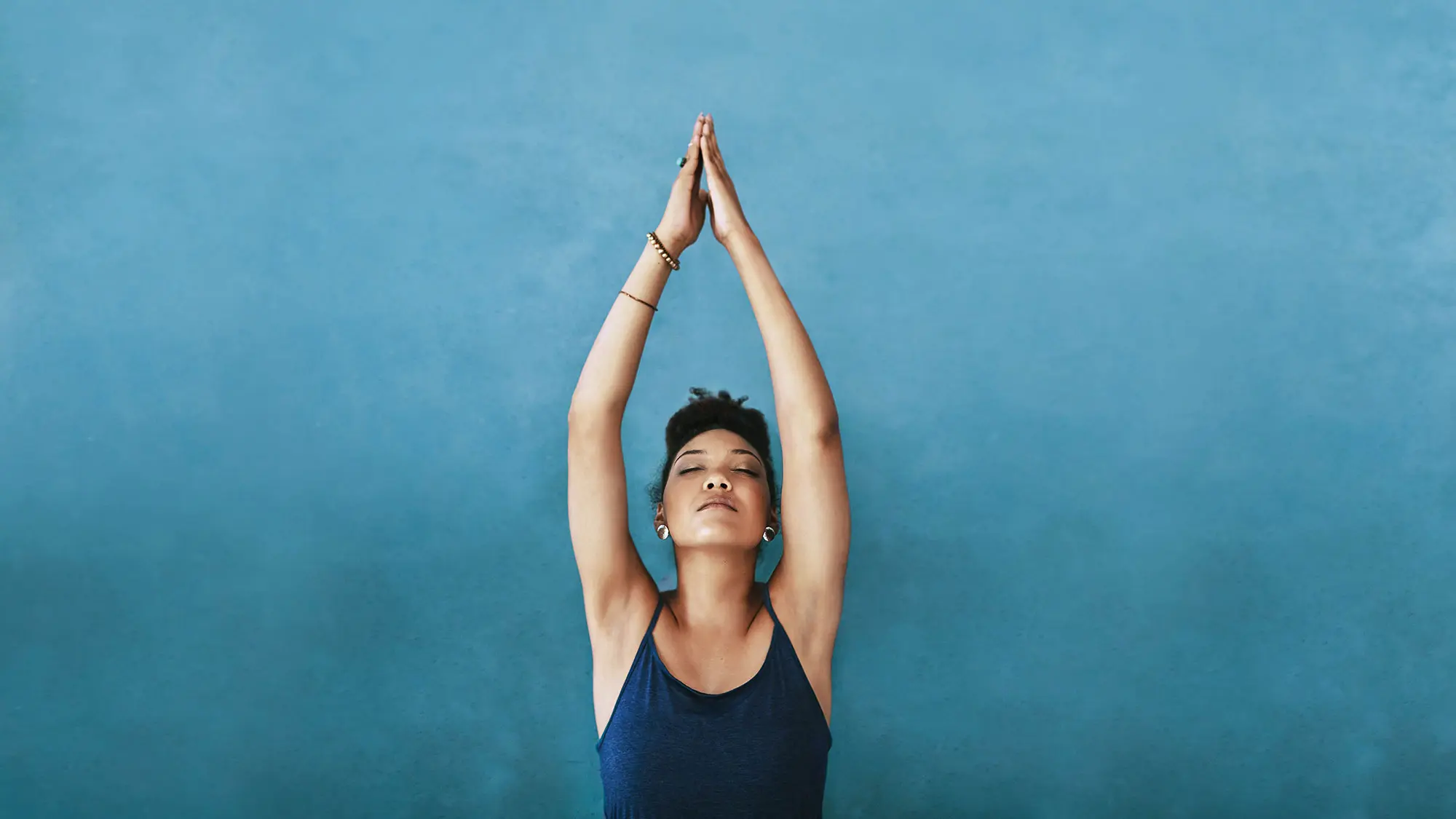
I have built enough habits in my life to know that motivation is unreliable. It arrives with fireworks and disappears without warning. Some mornings it fills me with fire, and other mornings it leaves me staring at the ceiling, bargaining with the day before it even begins. For a long time, I believed that if I could just feel inspired enough, disciplined enough, or determined enough, my yoga practice would finally become consistent. What changed everything was the quiet shift from chasing motivation to building ritual.
Motivation is emotional. Ritual is structural. Motivation depends on how I feel, but ritual depends on what I have decided in advance. That difference transformed my yoga practice from something I did when I felt like it into something I did because it was woven into the fabric of my life.
The Problem With Relying on Motivation
Motivation feels powerful in the beginning. It shows up after a workshop, a powerful class, or a moment of personal frustration. I would roll out my mat with intensity, promising myself that this time would be different. The problem was not the sincerity of my intention. The problem was that motivation fluctuates with stress, sleep, hormones, and daily responsibilities.
On days when work felt overwhelming or my energy dipped, motivation vanished. I interpreted that absence as failure, which created guilt. Guilt made returning to practice even harder because I felt behind, inconsistent, and disappointed in myself. This cycle kept repeating until I recognized that I was asking emotion to carry what structure should have carried.
Ritual doesn’t ask how I feel. It asks whether I am willing to show up.
What Ritual Means in Yoga Practice
Ritual is not about rigidity. It is not about performing elaborate ceremonies or following a strict sequence with perfection. For me, ritual means creating a repeated container that signals to my body and mind that it is time to practice.
My ritual begins before I even step on the mat. I wake up, wash my face, drink a glass of water, and unroll my mat in the same corner of my room. The lighting is soft, the window slightly open, and my phone remains in another space. These small, consistent actions form a bridge between ordinary life and practice.
Over time, my nervous system began to associate these cues with grounding. The act of unrolling the mat became less about deciding whether I wanted to practice and more about stepping into something already established. Ritual replaced negotiation.
Structure Creates Freedom
Structure once felt restrictive to me. I thought freedom meant spontaneity. What I discovered is that structure actually frees mental energy. When my practice time is decided in advance, I no longer waste effort debating whether I should move my body.
My ritual happens at roughly the same time each morning. It does not have to be long. Some days it is twenty minutes of gentle movement and breath. Other days it expands into a full hour with longer holds and meditation. The duration changes, but the container remains.
That container removes friction. I am not reinventing my practice daily. I am stepping into a rhythm that already exists. The decision fatigue fades, and what remains is presence.
Identity Over Intensity
One of the most important shifts in building ritual was connecting my practice to identity instead of intensity. Motivation chases peak experiences. Ritual reinforces who I believe I am.
I began telling myself, I am someone who practices yoga daily. That sentence mattered more than how deep my backbend was or how steady my balance felt. Even a short session counted because it confirmed my identity.
Identity-based ritual softens perfectionism. I no longer measure success by how impressive my practice looks. I measure it by whether I showed up. Showing up consistently builds trust with myself, and that trust spills into other areas of my life.
The Power of Repetition
Repetition is rarely glamorous. It can feel ordinary, even boring. Yet repetition is where depth develops. The same Sun Salutation sequence that once felt mechanical slowly reveals subtle details in breath, alignment, and sensation.
Each time I return to familiar poses, I notice something new. My hamstrings respond differently. My shoulders release at a different pace. My breath deepens more quickly. These small shifts accumulate, and the practice becomes layered rather than stale.
Ritual invites me to meet the same shapes with a new mind. It teaches patience. It replaces the craving for novelty with an appreciation for refinement.
Reducing Friction in Daily Life
One practical way I built ritual was by reducing friction. I leave my mat unrolled in a corner so I do not need to set it up each day. My yoga clothes are folded nearby. These details seem minor, yet they remove excuses.
If I have to search for leggings or clear a cluttered space, my brain finds reasons to delay. Ritual thrives when the path is smooth. I learned to design my environment so that practice is the easiest option, not the hardest.
This approach extends beyond yoga. Meal prepping healthy food, placing a book by my bedside, or setting a reminder for evening meditation all follow the same principle. Ritual grows when the environment supports it.
Showing Up on Low-Energy Days
Some days my body feels heavy. Stress tightens my chest, and my mind races. Those are the days when motivation would normally disappear. Ritual carries me through those moments.
On low-energy days, I lower the bar without abandoning the practice. I sit on my mat and focus on breathing. I move slowly through gentle stretches. I allow the session to be restorative instead of demanding.
By showing up even in a minimal way, I reinforce continuity. The goal is not performance. The goal is presence. That consistency builds resilience because I learn that my practice can adapt to my state instead of depending on peak energy.
Emotional Stability Through Consistency
Yoga ritual has given me emotional stability that motivation never provided. Motivation is tied to excitement, and excitement fades. Ritual is tied to commitment, and commitment deepens.
Through consistent practice, I have witnessed how my reactions soften. Stressful conversations feel less overwhelming. Unexpected challenges feel more manageable. The mat becomes a training ground for responding rather than reacting.
This stability is not dramatic. It is subtle and cumulative. The more I repeat my ritual, the more grounded I feel in daily life. The ritual anchors me.
Discipline Without Harshness
The word discipline once felt harsh. I associated it with punishment and self-criticism. Building ritual reframed discipline as devotion.
Devotion feels different. It feels like care rather than force. I do not drag myself to the mat out of shame. I return to it because it supports me. That shift in mindset changes the energy of the entire practice.
Ritual-based discipline includes flexibility. If I am traveling or ill, I modify rather than abandon. A short seated meditation in a hotel room still counts. The ritual adapts, but the thread remains unbroken.
Ritual and The Nervous System
Consistency has a direct effect on my nervous system. The predictability of my practice time signals safety. My body knows what to expect, which reduces background tension.
Breathing in the same quiet space each morning slows my heart rate more quickly over time. My body enters a parasympathetic state with less resistance. The ritual itself becomes calming before I even begin moving.
That predictable rhythm becomes especially valuable during chaotic periods. External circumstances may shift, but my morning ritual remains steady. It becomes an anchor point in uncertainty.
Removing The Drama From Practice
Motivation thrives on drama. It wants transformation, breakthroughs, and visible progress. Ritual removes that drama and replaces it with steadiness.
I no longer need every practice to feel profound. Some sessions feel average. Some feel challenging. Some feel deeply nourishing. All of them contribute to the whole.
Removing the expectation of constant inspiration makes practice lighter. I am not chasing a feeling. I am participating in a process.
Long-Term Growth Over Short-Term Excitement
Looking back, the periods where I relied on motivation were intense but brief. I would practice vigorously for weeks, then stop completely. Ritual eliminated those extremes.
Now my progress feels steady rather than explosive. My flexibility has improved gradually. My strength has developed quietly. My breath awareness has deepened almost without me noticing.
Long-term growth requires patience. Ritual supports patience because it is built for the long haul. It is less about what happens today and more about who I become over months and years.
Integrating Ritual Beyond The Mat
The lessons from yoga ritual extend into the rest of my life. Writing, for example, became easier when I treated it as a ritual instead of waiting for inspiration. Sitting at my desk at a set time each day created momentum that emotion alone never sustained.
Relationships also benefit from ritual. Regular check-ins, shared meals, or evening walks create connection that does not depend on mood. Ritual builds reliability.
Once I experienced the power of ritual in yoga, I began to see it as a framework for living. It replaces sporadic bursts of effort with steady engagement.
Building Your Own Ritual
Building ritual does not require perfection. It requires clarity. Decide when and where your practice will happen. Keep it simple enough that it feels sustainable.
Start small. Five minutes of breathwork each morning can be the foundation. Consistency matters more than duration. Allow the ritual to grow naturally instead of forcing expansion too quickly.
Expect resistance in the beginning. The mind will search for excuses. That is normal. Each time you show up despite that resistance, you strengthen the ritual.
Trusting The Process
Trust grows through repetition. Each completed session, no matter how brief, becomes evidence that I keep promises to myself. That self-trust is empowering.
Over time, I stopped questioning whether I would practice. It became part of who I am. The internal debate quieted, and the ritual carried me forward.
Motivation still visits occasionally. It brings enthusiasm and inspiration. I welcome it when it arrives. The difference now is that I no longer depend on it.
Ritual holds me steady. It turns yoga from a fluctuating hobby into a daily conversation with myself. It reminds me that growth is rarely dramatic but often quiet and consistent. In that quiet consistency, I have found more strength than motivation ever gave me.



The Long-Term Mindset of Strong Practitioners

Habit Stacking for Daily Yoga

How to Reignite a Stalled Practice

Mastering Patience in Skill-Based Poses

The 1% Better Method on the Mat

The 7-Day Reset Challenge
How to Reignite a Stalled Practice

The 25-Minute Sweat Flow That Feels Like a Reset Button

The Silent Strength Flow (Minimal Transitions, Maximum Burn)

The Ladder Flow Method for Progressive Strength
The 7-Day Reset Challenge