Reset
Yoga for High-Stress Professionals

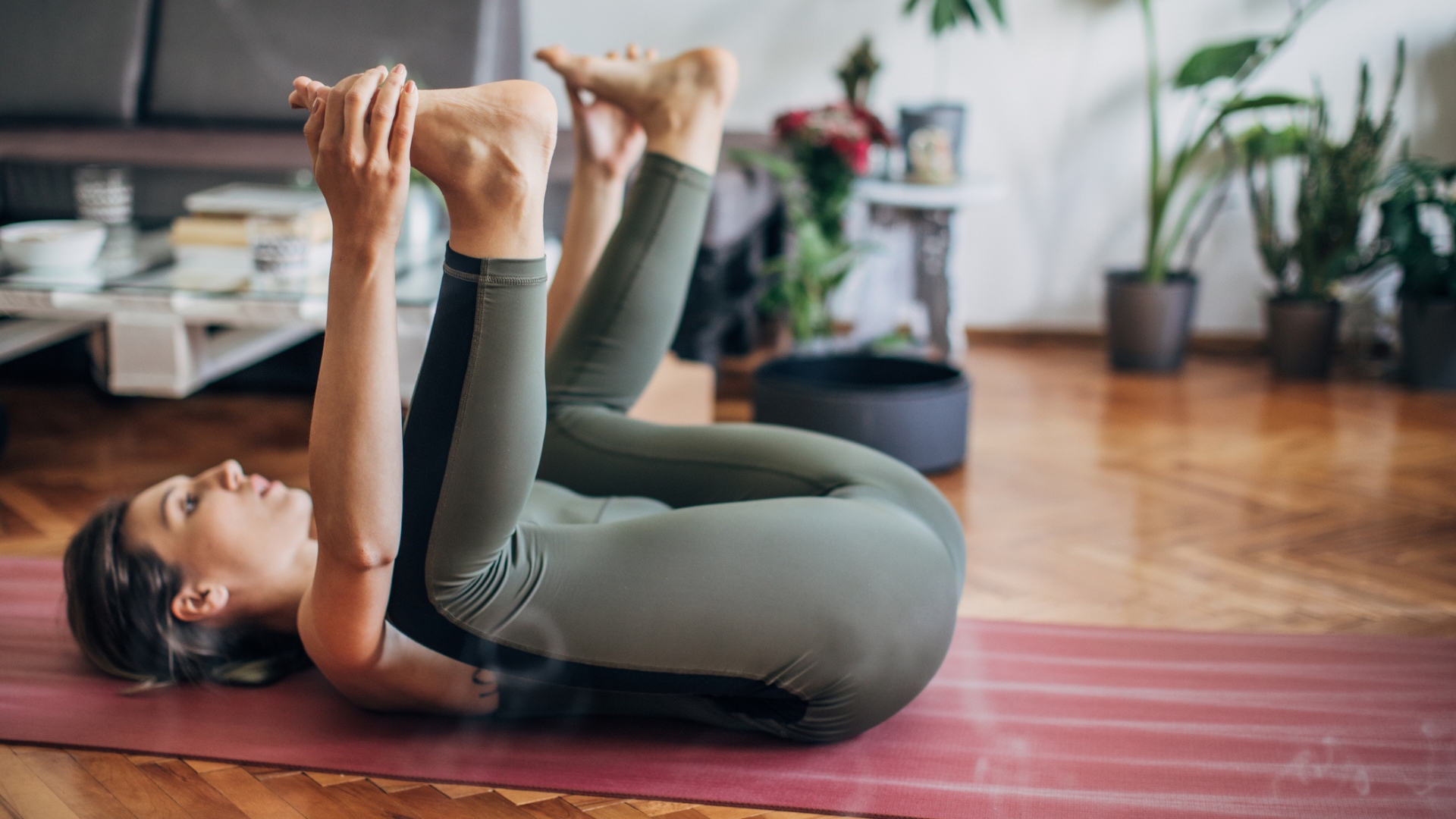
Deadlines, performance reviews, endless notifications, and the quiet pressure to always be available can slowly chip away at even the most capable professional. I have lived inside that cycle of tension, where my shoulders felt permanently raised and my mind refused to switch off long after work hours ended. Yoga became more than a fitness routine for me; it evolved into a practical survival tool for navigating high-stress environments without burning out.
High-stress professionals often carry invisible weight. The pressure may not show on the surface, yet it seeps into sleep patterns, digestion, mood, and even relationships. Through consistent practice, I discovered that yoga does not remove responsibility or ambition, but it transforms how the nervous system responds to them.
In this article, I want to share how yoga supports professionals operating in demanding careers and how it can fit realistically into packed schedules. This is not about retreating from ambition. It is about sustaining it without sacrificing health.
The Reality of Chronic Stress in Professional Life
Stress in professional settings rarely arrives as a single dramatic event. It accumulates in small, repetitive doses. An urgent email before bed, a meeting that could have been an email, a performance metric that keeps shifting, and the internal voice that insists you must always do more all contribute to a constant state of alertness.
I noticed that my breathing became shallow during work hours. My jaw clenched unconsciously, and headaches appeared more frequently. These were not random inconveniences; they were signals from a nervous system stuck in fight-or-flight mode.
Chronic stress does more than create discomfort. It disrupts focus, weakens immune response, and diminishes creative thinking. Ironically, the very stress we believe fuels productivity often reduces the clarity and stamina required for meaningful performance.
Why Yoga Works for High-Stress Professionals
Yoga offers a counterbalance to the constant stimulation of professional life. Rather than adding another item to a to-do list, it teaches the body how to downshift. That shift from sympathetic dominance to parasympathetic activation is subtle at first, but over time it becomes transformative.
Through breathwork and mindful movement, I began to notice space between stimulus and reaction. A tense meeting no longer dictated my mood for the rest of the day. I felt steadier, less reactive, and more deliberate in my responses.
Yoga does not demand extreme flexibility or hours of free time. Its power lies in its accessibility. Even ten minutes of intentional breathing can regulate heart rate and reduce cortisol levels. For professionals who cannot escape pressure, this built-in reset button becomes invaluable.
The Breath as a Professional Advantage
Before yoga, I underestimated the power of breath. I assumed it was automatic and therefore unimportant. However, conscious breathing quickly revealed itself as one of the most efficient stress management tools available.
In high-pressure environments, breath often becomes shallow and rapid. This pattern signals the brain that danger is present, even if the “danger” is merely a presentation or deadline. By practicing slow, diaphragmatic breathing, I trained my body to interpret challenging situations as manageable rather than threatening.
Techniques like box breathing or extended exhalation can be practiced discreetly at a desk or in a conference room. I have used these methods minutes before presentations, and the difference in clarity and composure is noticeable. The mind becomes less scattered, and decisions feel grounded instead of rushed.
Releasing Physical Tension from Desk Work
Many professionals spend long hours seated, often hunched over screens. The body adapts to these postures, resulting in tight hip flexors, rounded shoulders, and stiff neck muscles. Over time, this tension contributes to fatigue and discomfort that compound mental stress.
Simple yoga poses such as gentle backbends, seated twists, and hip openers counteract these patterns. I began incorporating short mobility sequences in the evening, focusing on areas most affected by my workday. Within weeks, my posture improved, and chronic aches diminished.
Physical relief has a direct psychological impact. When the body feels less restricted, the mind follows. The release of muscular tension often brings unexpected emotional relief, as if stress had been stored in tissues all along.
Building Emotional Resilience on the Mat
Professional environments can be emotionally demanding. Feedback sessions, negotiations, and high-stakes decisions require emotional regulation. Yoga creates a safe environment to practice staying present during discomfort.
Holding a challenging pose mirrors professional pressure. The muscles tremble, the mind urges you to quit, and discomfort intensifies. Remaining steady through that moment without judgment builds resilience that translates beyond the mat.
I found that difficult conversations at work felt less overwhelming after months of consistent practice. The same steadiness cultivated in Warrior Pose appeared during performance reviews. The body remembered how to breathe through tension, and the mind followed suit.
Focus and Cognitive Clarity
High-stress roles demand sustained attention. Multitasking often becomes the norm, yet it fragments concentration. Yoga encourages single-pointed focus, whether on breath, alignment, or sensation.
During practice, distractions arise constantly. Thoughts about work, errands, or future tasks attempt to pull attention away. Each time I guided my focus back to breath or movement, I strengthened mental discipline.
Over time, this translated into improved concentration at work. I became less susceptible to digital distractions and more capable of completing deep work sessions. Instead of reacting to every notification, I could prioritize with intention.
Integrating Yoga into a Busy Schedule
One common misconception is that yoga requires lengthy sessions. For professionals with demanding calendars, this belief becomes a barrier. Consistency matters more than duration.
I began with fifteen-minute morning routines focused on gentle stretches and breathing exercises. On particularly busy days, I practiced five minutes of seated breathwork before bed. These small commitments created momentum without adding stress.
Scheduling yoga as a non-negotiable appointment changed everything. It became as essential as meetings or deadlines. Rather than waiting for free time, I allocated it intentionally, recognizing that the return on investment extended far beyond physical fitness.
Evening Practices for Better Sleep
Stress often follows professionals home. Even after logging off, the mind replays conversations and anticipates future tasks. This mental overactivity disrupts sleep, which then intensifies stress the following day.
Gentle evening yoga sequences focused on forward folds and restorative poses signal the nervous system to wind down. I noticed that incorporating longer exhalations during these sessions helped quiet mental chatter.
Improved sleep became one of the most significant benefits. Waking up rested enhanced patience, creativity, and decision-making. The ripple effect of a calm evening practice carried into every aspect of professional life.
The Role of Mindfulness in Leadership
Leadership positions amplify stress. Decisions affect teams, clients, and organizational outcomes. Yoga cultivates mindfulness, which directly enhances leadership capacity.
Mindfulness fosters attentive listening and measured responses. During meetings, I became more aware of subtle cues, both in others and within myself. Instead of reacting defensively, I could pause and choose a constructive approach.
This shift influenced team dynamics. A calmer leader creates psychological safety. Employees mirror emotional tone, and composure at the top often stabilizes the entire group.
Preventing Burnout Through Consistent Practice
Burnout rarely announces itself dramatically. It builds gradually, masked by productivity and achievement. Yoga serves as an early warning system.
On days when my practice felt strained or my breath felt shallow, I recognized it as a sign of mounting stress. Instead of ignoring these cues, I adjusted workload or prioritized rest.
Regular practice strengthens awareness of subtle changes in energy and mood. That awareness enables proactive adjustments before exhaustion becomes overwhelming. Rather than collapsing under pressure, I learned to recalibrate consistently.
Community and Connection
Professional life can feel isolating, especially in competitive industries. Yoga classes or group sessions introduce a sense of shared humanity. Even virtual sessions create connection beyond job titles and metrics.
Practicing alongside others reminds me that stress is universal. The collective rhythm of breathing and movement fosters empathy and solidarity. This sense of belonging counterbalances workplace competitiveness.
Community support also reinforces accountability. Showing up regularly becomes easier when others share the commitment. In environments where independence is prized, shared wellness practices provide balance.
Yoga Beyond the Mat
Yoga extends beyond poses. Its principles influence daily interactions and personal habits. Concepts like non-violence and self-discipline translate into healthier work boundaries.
I began setting clearer limits on availability. Responding to emails at midnight became less appealing once I recognized its impact on well-being. Yoga encouraged respect for my own capacity.
Mindful transitions between tasks improved productivity. Instead of rushing from one obligation to another, I practiced brief pauses to reset. These micro-mom



The Long-Term Mindset of Strong Practitioners

Habit Stacking for Daily Yoga

How to Reignite a Stalled Practice

Mastering Patience in Skill-Based Poses

The 1% Better Method on the Mat

The 7-Day Reset Challenge
How to Reignite a Stalled Practice

The 25-Minute Sweat Flow That Feels Like a Reset Button

The Silent Strength Flow (Minimal Transitions, Maximum Burn)

The Ladder Flow Method for Progressive Strength
The 7-Day Reset Challenge