Performance
Power Breathing for Competitive Edge

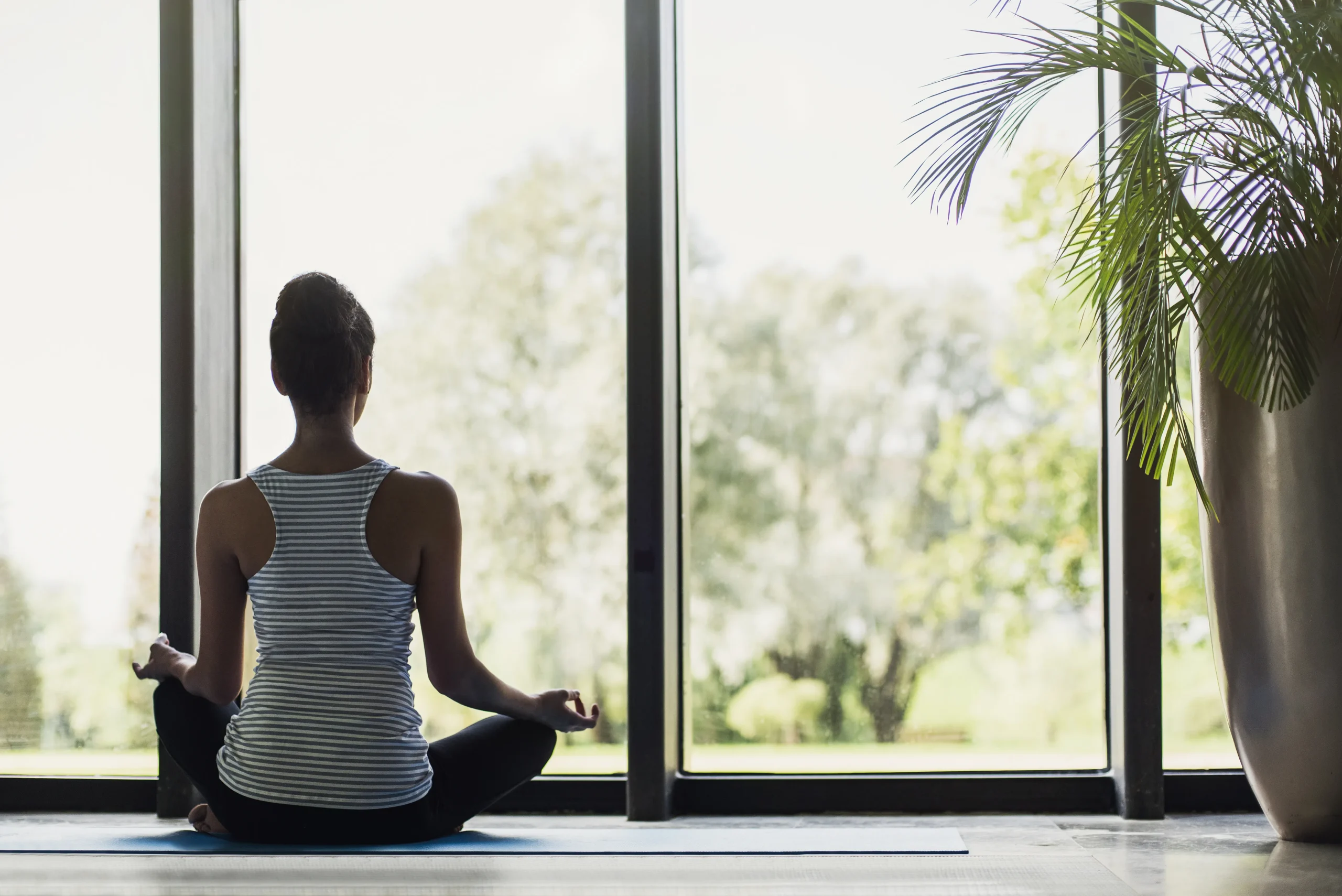
Competition has a way of exposing every weakness in the body and the mind. I have felt it in the split second before a race began, in the tense silence before presenting to a room full of executives, and in the final minutes of a grueling workout. In those moments, strength alone was never enough. Skill alone was never enough. Breath, however, changed everything.
Power breathing is not a trendy wellness phrase to me. It is a practical tool that sharpens reaction, steadies emotion, and unlocks reserves of stamina I did not know I had. Through consistent practice, I discovered that the way I breathe directly influences how I perform under pressure. My edge did not come from pushing harder, but from breathing smarter.
The Link Between Breath And Performance
Breath sits at the intersection of physiology and psychology. It is both automatic and controllable, which makes it uniquely powerful. During intense competition, the body’s stress response activates rapidly. Heart rate climbs, muscles tighten, and thoughts can scatter in a dozen directions at once.
I noticed that shallow breathing amplified this chaos. My shoulders would rise, my chest would tighten, and my focus would narrow in an unhelpful way. Once I began training my breath, I could interrupt that spiral. By slowing and deepening each inhale and exhale, I signaled to my nervous system that I was in control, even in high-stakes situations.
That shift alone created measurable improvements. My reaction time improved because my mind was calmer. My endurance expanded because my muscles received oxygen more efficiently. My confidence strengthened because I felt steady rather than overwhelmed.
What Power Breathing Really Means
Power breathing is deliberate, rhythmic, and purposeful. It is not about gasping for air or forcing dramatic inhales. It is about harnessing breath to generate stability, clarity, and energy exactly when needed.
For me, power breathing involves diaphragmatic expansion. Instead of lifting the chest, I allow the belly and lower ribs to expand on the inhale. The exhale is controlled and complete, which prevents residual tension from lingering in the body. This technique ensures that oxygen exchange is efficient and that my breathing pattern supports performance instead of sabotaging it.
The power comes from intention. Each breath becomes an anchor. Each cycle becomes a reset button that brings me back into the present moment, where peak performance actually happens.
Diaphragmatic Breathing As A Foundation
Diaphragmatic breathing forms the base of every technique I use. The diaphragm is a powerful muscle, yet many people barely engage it. I spent years breathing primarily through my upper chest without realizing how inefficient it was.
Once I began placing a hand on my abdomen and practicing slow, deep breaths, I felt a noticeable difference. My body relaxed more fully, and my stamina during workouts increased. Over time, this pattern became automatic, even under pressure.
Practicing this foundation outside of competition made it accessible during competition. I dedicated a few minutes each day to lying on my back, inhaling for four counts, and exhaling for six. That extended exhale trained my nervous system to downshift from stress into control. The simplicity of this habit made it sustainable.
Box Breathing For Mental Precision
Box breathing became my go-to technique before critical moments. The structure is straightforward: inhale for four counts, hold for four, exhale for four, and hold again for four. The symmetry of this pattern creates mental order.
Before stepping into challenging environments, I practice several rounds of this sequence. The pauses between breaths teach me comfort in stillness. Instead of reacting impulsively, I become deliberate.
This method sharpened my focus in ways I did not expect. My thoughts felt organized rather than scattered. I could process information quickly without feeling rushed. That clarity translated into faster decision-making and cleaner execution.
Rhythmic Breathing For Endurance
Long-duration efforts demand a different type of breath control. During endurance training, I synchronize breath with movement. For example, I might inhale for three steps and exhale for two while running. This rhythm prevents erratic breathing patterns that waste energy.
Matching breath to motion creates efficiency. My body settles into a sustainable cadence. Fatigue still arrives, but it does not overwhelm me as quickly.
I also noticed that rhythmic breathing reduces side stitches and tension in my shoulders. By maintaining a steady pattern, I avoid the panicked breaths that often accompany exhaustion. This steady flow allows me to push through plateaus without spiraling into frustration.
Rapid Activation Techniques For Explosive Moments
Some competitive moments require immediate activation rather than calm. In these instances, I use short, forceful breaths through the nose paired with strong exhalations. This technique energizes the body without tipping into panic.
I use it sparingly, usually just before an explosive movement or intense sprint. The quick bursts of breath awaken my muscles and heighten alertness. The key is balance, as overdoing it can create dizziness or tension.
Practicing this technique outside of competition taught me how to regulate intensity. I learned the fine line between energized and overstimulated. That awareness keeps me sharp without losing composure.
Emotional Control Under Pressure
Competitive environments test emotional resilience as much as physical skill. I have faced moments of doubt, frustration, and adrenaline surges that threatened to derail performance. Breath became my stabilizer.
During heated moments, I focus on extending my exhale slightly longer than my inhale. This small adjustment activates the parasympathetic response, which reduces stress. Within seconds, I feel my heartbeat steady and my thoughts slow.
That pause prevents reactive decisions. Instead of snapping under pressure, I respond with clarity. Emotional control, in my experience, is one of the greatest competitive advantages a person can develop.
Breath As A Recovery Tool
Power breathing does not end when competition does. Recovery determines how quickly I can return to peak form. After intense effort, I shift into slow, deep breathing to accelerate recovery.
This practice lowers my heart rate more efficiently than pacing alone. My muscles feel less tense, and my mind transitions out of performance mode smoothly. Over time, I noticed reduced soreness and improved readiness for subsequent sessions.
Breath also enhances sleep quality. Incorporating calm breathing patterns before bed improved my ability to fall asleep quickly and wake refreshed. Recovery is not passive; it is actively supported by how I breathe.
Integrating Breath Into Daily Life
Competitive edge does not exist only in sports or formal contests. Daily life presents its own challenges. Meetings, deadlines, and difficult conversations require composure and clarity.
I integrate power breathing into ordinary routines. Before an important call, I take a minute to center my breath. During stressful traffic, I shift to diaphragmatic breathing instead of gripping the steering wheel in frustration. These small moments build consistency.
Consistency transforms technique into instinct. Eventually, I did not have to remind myself to breathe deliberately. My body adopted the pattern naturally when stress arose.
Training The Breath Like A Muscle
Breath control improves with practice, just like strength or flexibility. Early on, I struggled to maintain slow breathing for extended periods. My mind wandered, and my chest would unconsciously tighten.
Regular practice strengthened my diaphragm and increased lung capacity. I began incorporating breath drills into warm-ups and cool-downs. Over time, my endurance expanded not just physically, but mentally.
Treating breath as a skill shifted my perspective. Instead of hoping I would stay calm under pressure, I trained for it. That proactive approach built confidence that carried into every competitive arena.
The Competitive Edge Revealed
The difference between average and exceptional performance often lies in small margins. Breath influences those margins more than most people realize. Faster recovery between plays, sharper focus during critical decisions, and steadier nerves during intense moments all stem from controlled breathing.
My edge came from mastering what many overlook. While others fixated solely on technique or strategy, I refined the foundation that supports both. Breath became my silent ally.
Performance is rarely about dramatic breakthroughs. It is about subtle refinements repeated consistently. Power breathing represents one of those refinements that compounds over time.
Common Mistakes And How I Corrected Them
One mistake I made early on was forcing my breath too aggressively. I believed intensity equaled effectiveness. Instead, it created tension and fatigue.
Another error involved neglecting posture. Slouching restricted my diaphragm and limited airflow. By sitting or standing tall, I allowed my lungs to expand fully.
I also learned not to wait until stress peaked before using these techniques. Practicing only in crisis made it harder to access calm quickly. Daily repetition built reliability.
A Simple Routine To Start
A practical starting routine does not require elaborate preparation. I begin with five minutes of diaphragmatic breathing in a seated position. My spine remains upright, shoulders relaxed, and jaw unclenched.
I inhale through the nose for four counts, pause briefly, and exhale for six. After several rounds, I transition into box breathing for a few cycles. This combination builds both calm and focus.
Ending with a few natural breaths allows integration. The entire sequence takes less than ten minutes, yet the effects extend throughout the day.
The Mind-Body Connection Strengthened
Power breathing deepened my awareness of how interconnected my body and mind truly are. Physical tension often mirrors mental strain. By adjusting one, I influence the other.
This connection fostered resilience. Instead of feeling at the mercy of external circumstances, I realized I could regulate my internal state. That autonomy transformed how I approached competition.
Confidence grew not from arrogance, but from preparation. Breath became a reminder that I possess tools to navigate intensity with grace.
Final Thoughts On Power Breathing
Competitive edge is not reserved for elite athletes or high-level performers. Anyone facing pressure can benefit from mastering their breath. I have seen its impact across fitness, career, and personal growth.
Power breathing reshaped how I handle stress, how I recover, and how I execute under demanding conditions. It is subtle, invisible to observers, yet profoundly influential. The next time pressure rises, I do not look outward for control. I turn inward, steady my breath, and step forward ready to perform.



The Long-Term Mindset of Strong Practitioners

Habit Stacking for Daily Yoga

How to Reignite a Stalled Practice

Mastering Patience in Skill-Based Poses

The 1% Better Method on the Mat

The 7-Day Reset Challenge
How to Reignite a Stalled Practice

The 25-Minute Sweat Flow That Feels Like a Reset Button

The Silent Strength Flow (Minimal Transitions, Maximum Burn)

The Ladder Flow Method for Progressive Strength
The 7-Day Reset Challenge