Mobility
The Spine Wave Technique Explained

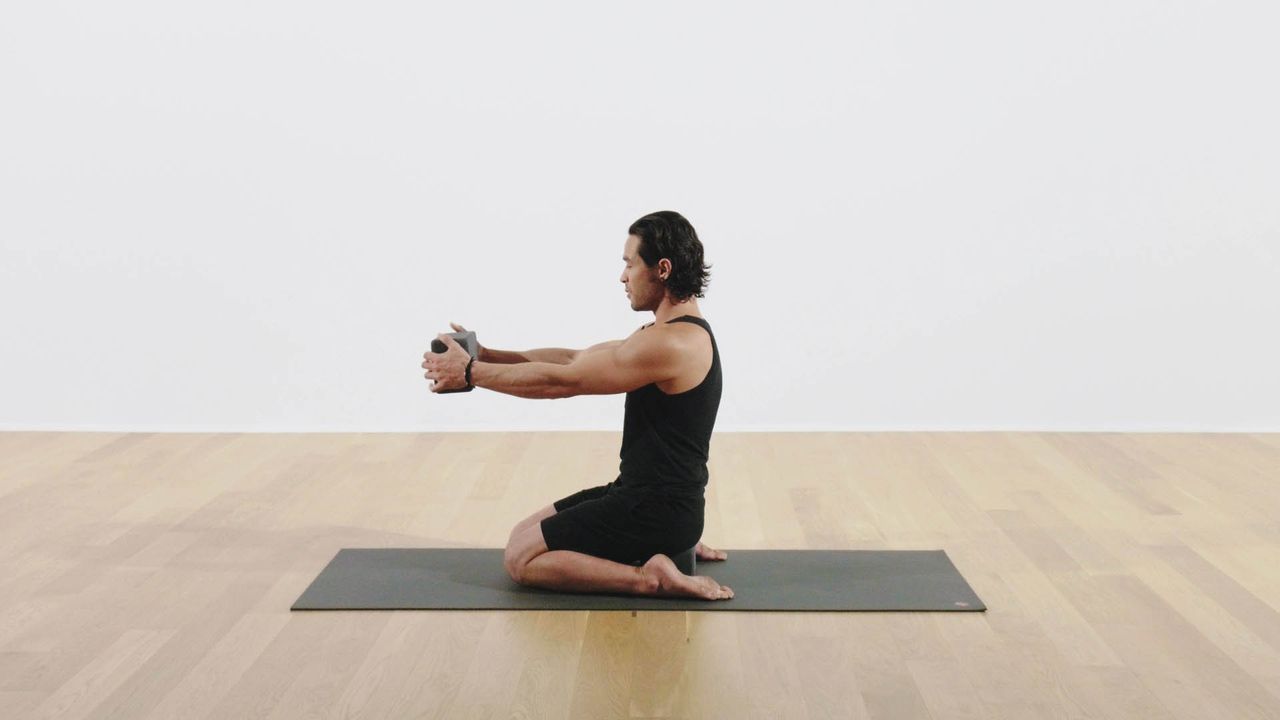
The spine is the central river of the body, and the Spine Wave Technique invites it to move like water instead of a rigid pole. This practice has reshaped how I experience yoga, posture, and even emotion. Rather than isolating muscles or forcing flexibility, the spine wave emphasizes fluidity, sequencing, and breath-led motion that travels from tailbone to crown. It feels organic, almost primal, as though the body remembers something ancient and instinctive.
Many people think of the spine as a stack of bones that must be kept straight at all costs. In reality, it is designed to move in curves, spirals, and subtle undulations. The Spine Wave Technique taps into that design and restores motion to areas that often become stiff from stress, sedentary habits, or repetitive training. Through slow, intentional articulation of each vertebra, I discovered not just mobility, but a sense of internal spaciousness that carries into daily life.
This article explores what the Spine Wave Technique is, how it works, why it matters, and how to practice it safely and effectively. I will share both the mechanics and the felt experience, because this method is as much about sensation as it is about alignment. The deeper I went into it, the more I realized the spine is not just structural support, but a communication highway between breath, brain, and body.
What The Spine Wave Technique Really Is
The Spine Wave Technique is a controlled, sequential movement pattern that travels through the entire spine in a smooth, wave-like motion. Instead of moving the torso as a single block, each segment of the spine is encouraged to articulate individually. The movement typically begins at either the tailbone or the head and ripples through the vertebrae in order, much like a wave traveling through the ocean.
In practice, it often resembles a very refined version of cat-cow, but slower and more precise. Rather than simply arching and rounding the back, I focus on isolating the pelvis, then the lumbar spine, then the mid-back, and finally the neck. The return path is just as deliberate, reversing the sequence with equal awareness. That level of attention transforms a common yoga movement into a neuromuscular re-education process.
This technique is used in yoga, somatic movement, dance, martial arts, and spinal rehabilitation systems. Its purpose is not dramatic flexibility, but coordinated mobility. Over time, it refines spinal control, enhances proprioception, and improves the relationship between breath and motion.
The Anatomy Behind The Wave
The human spine contains natural curves: cervical, thoracic, lumbar, sacral, and coccygeal regions. Each section has a different shape and range of motion, and each plays a distinct role in stability and flexibility. The Spine Wave Technique respects these differences rather than flattening them into a single movement.
The lumbar spine is designed for flexion and extension, but it is also prone to compression. The thoracic spine rotates and extends, yet modern posture often locks it into rigidity. The cervical spine is highly mobile but easily strained. When I began practicing spinal waves, I realized how disconnected these regions had become in my body. Certain areas moved too much, while others barely moved at all.
Sequential spinal articulation helps redistribute effort more evenly. Instead of dumping pressure into the lower back or cranking the neck forward, the movement spreads load across multiple joints. This balanced participation reduces strain and encourages healthier mechanics. Breath plays a crucial role here, guiding expansion during extension and softening during flexion.
Breath As The Engine Of Movement
Breathing and spinal motion are intimately connected. The diaphragm attaches near the lower ribs and influences spinal stability with every inhale and exhale. In the Spine Wave Technique, I coordinate the rise of the wave with inhalation and the descent with exhalation, although variations exist depending on intention.
As I inhale, the chest expands and the thoracic spine gently extends. The ribs widen, creating space between vertebrae. On the exhale, the belly softens and the spine flexes in a controlled ripple. This rhythmic breathing pattern deepens the wave and prevents the movement from becoming mechanical.
What surprised me most was how emotional breath patterns surfaced during practice. Areas that felt stiff often correlated with held tension or shallow breathing habits. The wave became a diagnostic tool, revealing places where I was bracing unconsciously. Gradually, the breath smoothed out those interruptions, restoring continuity.
The Neurological Reset
Spinal waves stimulate the nervous system in subtle yet powerful ways. The spinal cord runs through the vertebral column, transmitting signals between brain and body. Gentle articulation increases circulation and sensory feedback around this central channel. With repetition, the brain refines its map of the spine.
Proprioception, the body’s sense of position and movement, improves through slow sequencing. Moving one vertebra at a time requires focus and precision. That focus strengthens neural pathways and enhances motor control. I noticed my posture changed without force once my brain became more aware of spinal positioning.
The parasympathetic nervous system also benefits from fluid spinal motion. The wave has a soothing quality that signals safety and relaxation. After several minutes of continuous waves, my breath slows and mental chatter decreases. It feels meditative, not because I am trying to be calm, but because the rhythm naturally induces calm.
Common Mistakes In Practice
Many beginners rush the movement and treat it like an exaggerated stretch. Speed disrupts sequencing and turns the wave into a generic backbend or slump. Slowing down is essential. Each segment must initiate and release before the next one joins.
Another mistake involves collapsing into flexibility instead of articulating with control. Hypermobile practitioners may drop into extension without engaging supportive muscles. The wave should feel supported, not floppy. I often imagine lifting the spine from the inside, as though a thread is guiding each vertebra upward before it rolls forward.
Neck strain is also common if the head leads too aggressively. The cervical spine should follow the wave, not yank it forward. Keeping the jaw soft and the gaze relaxed prevents unnecessary tension.
How I Practice The Basic Spine Wave
I usually begin in a neutral kneeling position with hands under shoulders and knees under hips. Before moving, I take a few breaths to sense the natural curves of my spine. That pause establishes awareness and prevents mindless motion.
To initiate the wave from the tailbone, I gently tilt the pelvis backward, allowing the sacrum to tuck. The movement then travels through the lumbar vertebrae, one by one, into the mid-back. As it reaches the upper spine, the shoulders widen and the chin subtly draws toward the chest. The return begins by untucking the pelvis and reversing the ripple toward extension.
The entire cycle takes several breaths at first. Over time, the movement becomes smoother and more continuous. Sometimes I close my eyes to heighten sensation. The focus remains on sequencing rather than depth.
Integrating The Wave Into Yoga Practice
The Spine Wave Technique fits naturally into many yoga sequences. It can replace or enhance traditional warm-ups like cat-cow. By slowing down and refining articulation, even a short spinal wave practice prepares the body more effectively for deeper poses.
In standing postures, the awareness gained from spinal waves improves alignment. I feel more evenly distributed through the vertebrae instead of hinging at one point. Backbends become less about pushing and more about lengthening. Forward folds feel supported rather than collapsed.
Transitions also improve. Moving from plank to upward-facing dog, for example, becomes a controlled ripple rather than a sudden drop. The spine remains engaged and responsive throughout.
Emotional And Energetic Dimensions
The spine is often described in yoga philosophy as a central channel of energy. While interpretations vary, I personally experience spinal waves as a clearing mechanism. Tension stored in the back tends to soften with rhythmic motion.
Long-held stress patterns often manifest as stiffness in the upper back or tightness in the lower spine. As the wave repeats, these areas gradually release. The sensation can be subtle or surprisingly intense. Sometimes a deep exhale emerges spontaneously, as though the body is letting go of something beyond muscle tension.
The practice cultivates patience. Forcing change does not work here. The spine responds to consistency and gentleness more than aggression.
Benefits Beyond The Mat
Regular spinal articulation influences daily posture and movement habits. Sitting at a desk no longer feels as compressive because I can subtly wave the spine to restore circulation. Walking feels lighter when the spine participates fluidly in each step.
Athletic performance can also improve. Runners, swimmers, and dancers rely on coordinated spinal motion for efficiency. The wave refines that coordination. Even simple tasks like lifting objects become safer when the spine moves sequentially instead of locking.
Pain reduction is another potential outcome. While not a medical treatment, improved mobility and awareness often decrease discomfort associated with stiffness. I noticed fewer lower back aches once my thoracic spine became more mobile.
Progressions And Variations
Once the basic wave feels smooth, variations add depth. Practicing in seated or standing positions challenges balance and control. Lateral waves introduce side bending, while spiral waves incorporate rotation.
I sometimes practice waves against a wall to receive feedback. The contact reveals which sections are not moving fully. Slow tempo remains key even in advanced variations.
Adding resistance bands or light weights can increase muscular engagement, but only after mastering control. The goal is integration, not intensity.
Safety Considerations
Anyone with spinal injuries or chronic pain should consult a qualified professional before attempting new movement patterns. The Spine Wave Technique is generally gentle, but individual conditions vary. Pain is never the objective.
Moving within a comfortable range protects the joints. Sensation of stretch or effort is acceptable, but sharp or pinching feelings are signals to stop. Consistency matters more than depth.
Gradual progression ensures sustainable improvement. Rushing toward dramatic mobility often leads to setbacks.
Why The Spine Wave Matters
Modern life encourages rigidity. Hours of sitting, stress-induced bracing, and repetitive movements limit spinal expression. The Spine Wave Technique counters that pattern with fluidity and awareness.
For me, the wave represents more than an exercise. It is a reminder that adaptability is strength. A spine that moves with ease supports a mind that responds with flexibility.
The more I practice, the more I appreciate the elegance of simple motion. A wave traveling through thirty-three vertebrae becomes a meditation on continuity. Each segment contributes to the whole, just as each breath contributes to vitality.
The Spine Wave Technique offers a pathway back to natural movement. It does not demand extreme flexibility or advanced skill. It asks only for patience, attention, and a willingness to move slowly. Over time, the reward is a spine that feels alive, responsive, and deeply connected to the rhythm of breath.



The Long-Term Mindset of Strong Practitioners

Habit Stacking for Daily Yoga

How to Reignite a Stalled Practice

Mastering Patience in Skill-Based Poses

The 1% Better Method on the Mat

The 7-Day Reset Challenge
The 1% Better Method on the Mat

The 25-Minute Sweat Flow That Feels Like a Reset Button

The Silent Strength Flow (Minimal Transitions, Maximum Burn)
The 7-Day Reset Challenge

Resetting After Travel and Long Flights
