Mobility
Unlocking Shoulder Mobility the Smart Way

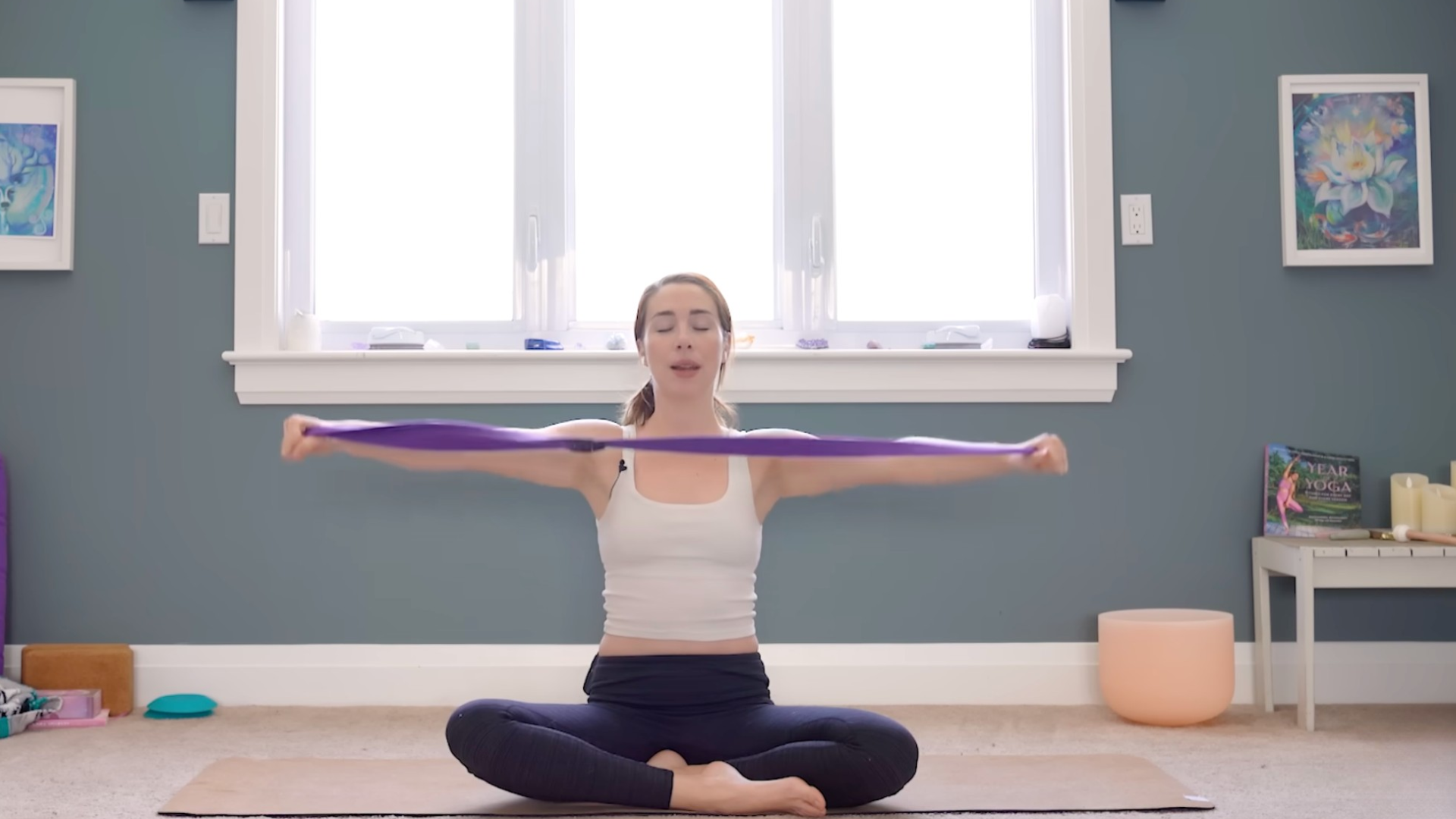
Shoulder mobility shapes nearly every upper-body movement I make, from flowing through sun salutations to reaching for a shelf in my kitchen. It influences posture, breath capacity, strength training, and even the way I sit at my desk. Over time, I have realized that improving shoulder mobility is not about forcing range or chasing dramatic stretches. It is about building strength, awareness, and control in positions that once felt restricted.
Many people think tight shoulders are simply a flexibility issue. I once believed that if I just stretched harder and longer, my arms would eventually glide overhead without resistance. Instead, I found myself frustrated, sometimes even irritated by nagging aches at the front of my shoulders. That experience led me to rethink everything I thought I knew about mobility and to explore a smarter, more sustainable path.
Why Shoulder Mobility Matters More Than You Think
The shoulder is one of the most complex joints in the body. It is not just a single joint but a system that includes the glenohumeral joint, the shoulder blade, the collarbone, and the rib cage. If one piece is not moving well, the others compensate. Over time, those compensations can create tension, discomfort, and reduced performance in both yoga and daily life.
In my own practice, limited shoulder mobility showed up in subtle ways at first. My downward dog felt cramped, and I struggled to stack my wrists under my shoulders in plank without feeling strain. Even simple tasks like clasping my hands behind my back felt awkward. These small signals were clues that my shoulders needed more than passive stretching.
Mobility, in its truest sense, combines flexibility with strength and control. It means being able to move through a full range of motion and own that range with stability. Once I began to see mobility as an active skill rather than a passive state, my entire approach shifted.
The Difference Between Flexibility And Mobility
Flexibility is the ability of a muscle to lengthen. Mobility is the ability of a joint to move freely with strength and coordination. I can have flexible muscles but still lack the control to lift my arms overhead without arching my lower back. That gap between flexibility and control is where many shoulder issues begin.
Early in my yoga journey, I spent a lot of time hanging in stretches. I would sink into puppy pose or clasp my hands behind my back and pull, hoping to coax more range. While those stretches felt satisfying in the moment, they did not translate into stronger, more stable shoulders. The freedom I wanted never quite stuck.
Once I started integrating strength-based mobility drills, I noticed a different kind of progress. My shoulders felt more supported in chaturanga, and I could raise my arms overhead without flaring my ribs. The changes were gradual but steady, and they felt reliable rather than fleeting.
Common Causes Of Restricted Shoulders
Modern life encourages rounded shoulders and forward head posture. Hours at a desk, time spent scrolling on a phone, and even driving can all contribute to tight chest muscles and underactive upper back muscles. I noticed that on days when I worked long hours at my computer, my shoulders felt heavy and compressed.
Another common factor is overemphasizing pushing movements without balancing them with pulling work. Push-ups and chaturangas strengthen the front of the body, but without rows, face pulls, or scapular retraction drills, the back of the shoulders can become weak. That imbalance limits how freely the shoulder blades move along the rib cage.
Stress also plays a role. I tend to carry tension in my upper trapezius and neck, especially during busy seasons. That tension can subtly restrict how my shoulders glide and rotate. Addressing mobility has required not only physical drills but also mindful breathing and relaxation practices.
The Role Of The Shoulder Blades
True shoulder mobility depends heavily on the movement of the shoulder blades. They need to upwardly rotate, elevate, depress, protract, and retract smoothly. If they are stuck or unstable, the arms cannot move efficiently overhead.
I began paying closer attention to how my shoulder blades felt during yoga. In downward dog, I focused on spreading them apart without collapsing into my neck. In plank, I practiced gently pushing the floor away to activate my serratus anterior. These small refinements changed the quality of my movement more than any deep stretch ever had.
Scapular control drills became a staple in my routine. Simple exercises like scapular push-ups and wall slides taught me how to move my shoulder blades independently of my arms. Over time, I felt a new sense of spaciousness across my upper back that translated into smoother transitions in my flow.
Smart Warm-Ups That Make A Difference
Jumping straight into intense stretches never served my shoulders well. They respond far better to gradual, intentional warm-ups. I like to start with gentle circles of the arms, gradually increasing the size while maintaining control and steady breath.
From there, I often move into controlled articular rotations, sometimes called CARs. These slow, deliberate circles challenge my shoulders to move through their full range without compensation. The goal is not speed or intensity but precision. I pay attention to any sticking points and breathe through them rather than forcing my way past.
Adding light resistance with a band has also been transformative. Band pull-aparts, external rotations, and overhead presses with minimal weight wake up stabilizing muscles that often remain dormant. Once those muscles are engaged, deeper stretches feel safer and more effective.
Strength As The Gateway To Freedom
Strength training once felt separate from my yoga practice. Over time, I have come to see it as an essential partner to mobility work. Building strength in the rotator cuff, mid-back, and serratus anterior has supported my shoulders in ways stretching alone never could.
Exercises like dumbbell rows, face pulls, and landmine presses have become regular features in my week. They are not flashy, but they create a solid foundation. With stronger upper back muscles, I find it easier to maintain proper alignment in arm balances and inversions.
Owning my end ranges has been especially powerful. Instead of hanging passively at the bottom of a stretch, I gently contract the muscles around the joint. That active engagement signals to my nervous system that the position is safe. Gradually, my available range expands because my body trusts that I can control it.
Breath And Rib Cage Position
Shoulder mobility does not exist in isolation. The rib cage and spine influence how the shoulders move. If my ribs flare forward or my lower back overarches, my shoulders struggle to stack properly overhead.
In many poses, I now focus on maintaining a neutral rib cage. Slow nasal breathing helps me keep my ribs anchored rather than thrusting forward. That subtle shift creates more room for the shoulder blades to upwardly rotate without strain.
Breathwork has also helped reduce tension in my neck and upper traps. Deep, diaphragmatic breathing calms my nervous system and allows tight muscles to soften. As my breath becomes steadier, my shoulder movement becomes smoother and more fluid.
Yoga Poses That Support Shoulder Mobility
Certain yoga poses have supported my shoulder mobility when practiced with intention. Downward dog becomes a shoulder-strengthening drill when I actively press the floor away and rotate my upper arms externally. Thread the needle gently opens the back of the shoulders while encouraging rotation.
Dolphin pose has been a game changer. Holding dolphin with strong forearm engagement builds stability and teaches my shoulders to bear weight safely. I focus on lifting through my upper back rather than collapsing into my neck.
Puppy pose, practiced mindfully, offers a gentle stretch for the chest and lats. I avoid forcing my chest to the floor and instead let gravity assist while maintaining engagement through my arms. That balance between softness and strength keeps the pose productive rather than aggressive.
Avoiding The Trap Of Overstretching
Aggressive stretching once felt like progress. I thought discomfort meant I was breaking through limitations. In reality, I was often triggering protective tension that left my shoulders feeling tighter the next day.
Overstretching can irritate the front of the shoulder joint, especially if the rotator cuff is not strong enough to stabilize it. I learned to respect mild sensations and back off from sharp or pinching feelings. Listening closely to those signals has prevented setbacks.
Now, I aim for consistency rather than intensity. Short, frequent mobility sessions outperform occasional marathon stretching sessions. My shoulders respond better to daily gentle practice than to sporadic extremes.
Integrating Mobility Into Daily Life
Mobility work does not have to be confined to a yoga mat. I often take short movement breaks during my workday. Simple arm circles, band pull-aparts, or doorway chest stretches can reset my posture and ease stiffness.
Paying attention to how I sit has also made a difference. I try to keep my screen at eye level and my shoulders relaxed rather than hunched. Small adjustments repeated daily compound into noticeable changes over time.
Even carrying groceries or lifting objects becomes an opportunity to practice good shoulder mechanics. I think about packing my shoulders down and back, engaging my upper back muscles rather than shrugging. These mindful moments reinforce the patterns I build during structured practice.
Patience And Long-Term Perspective
Shoulder mobility rarely transforms overnight. My progress has unfolded over months and years rather than days. That timeline once frustrated me, but it has taught me to value steady growth over quick fixes.
Setbacks still happen. A busy week or increased stress can leave my shoulders feeling tight again. Instead of viewing that as failure, I see it as feedback. It reminds me to return to the basics: breath, controlled movement, and balanced strength.
Consistency, more than intensity, has been the real secret. Showing up for brief, focused sessions several times a week builds resilience. Over time, those small efforts accumulate into lasting freedom.
Building A Sustainable Routine
A smart approach to shoulder mobility blends warm-up, strength, and gentle stretching. I typically begin with controlled rotations, move into light resistance exercises, and finish with supportive yoga poses. This sequence prepares my shoulders, challenges them, and then allows them to integrate the work.
I keep sessions manageable, often around fifteen to twenty minutes. That length feels realistic even on busy days. Sticking to a routine I can maintain has been far more effective than elaborate plans I abandon after a week.
Tracking how my shoulders feel in key poses helps me gauge progress. If my downward dog feels lighter or my overhead press feels steadier, I know the work is paying off. These tangible markers keep me motivated without obsessing over perfection.
Unlocking shoulder mobility the smart way has been less about pushing limits and more about cultivating awareness. It has required me to slow down, strengthen neglected muscles, and respect my body’s signals. Through that process, my shoulders have become not only more mobile but also more resilient. That resilience carries into every flow, every lift, and every ordinary moment of reaching and moving through my day.



The Long-Term Mindset of Strong Practitioners

Habit Stacking for Daily Yoga

How to Reignite a Stalled Practice

Mastering Patience in Skill-Based Poses

The 1% Better Method on the Mat

The 7-Day Reset Challenge
The 1% Better Method on the Mat

The 25-Minute Sweat Flow That Feels Like a Reset Button

The Silent Strength Flow (Minimal Transitions, Maximum Burn)
The 7-Day Reset Challenge

Resetting After Travel and Long Flights
