Flow
Build Heat Without Losing Control

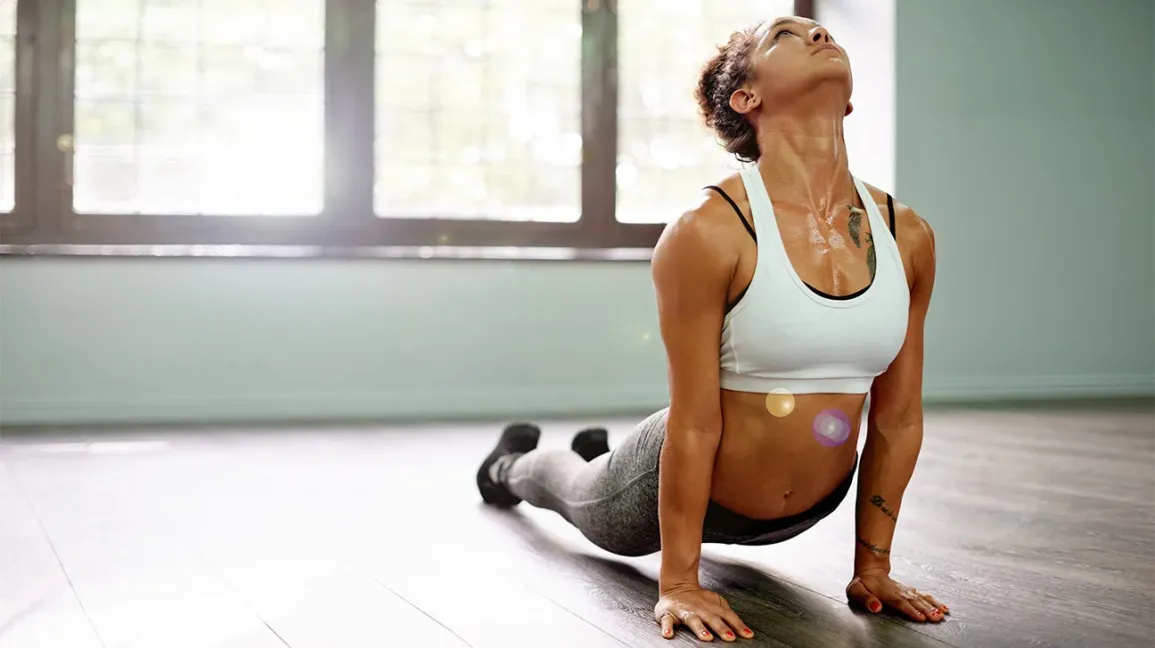
Heat in yoga is seductive. The rush of warmth spreading through muscle and breath can feel like proof that something powerful is happening. I crave that intensity just as much as anyone else, but over the years I have learned that heat without control turns a practice into a struggle. The real art lies in stoking the internal fire while keeping the mind steady and the breath smooth.
I practice in ways that deliberately build warmth from the inside out. Long holds, steady transitions, and disciplined breathing patterns generate more heat than frantic movement ever could. At the same time, I stay alert to the subtle line between productive intensity and chaotic effort. That line is where transformation happens.
The Nature Of Internal Heat
Internal heat, often described as tapas in yogic philosophy, is more than sweat on the mat. It is the friction created when focus meets effort. Muscles engage, breath deepens, and distractions burn away under steady concentration. Heat becomes a tool for refinement rather than a badge of toughness.
In my own practice, I notice that heat builds fastest when my attention sharpens. A distracted mind dulls the fire, while a clear intention fuels it. The warmth rising through my body mirrors the clarity forming in my thoughts. Both require structure to stay constructive.
Unrestrained heat feels agitating. My shoulders creep toward my ears, my jaw tightens, and my breath turns shallow. Controlled heat, on the other hand, feels expansive and purposeful. It spreads evenly, leaving me energized instead of depleted.
Breath As The Governor
Breath determines whether heat empowers or overwhelms. I treat it like the governor on an engine, regulating speed and preventing burnout. Slow, rhythmic inhales and exhales anchor me when intensity rises. Without that anchor, postures quickly spiral into strain.
Ujjayi breathing has become my constant companion in heated sequences. The gentle constriction at the back of the throat creates a steady sound that keeps me honest. If the breath grows ragged or noisy, I know I am pushing past skillful effort. Returning to a smooth cadence instantly steadies the flame.
I also rely on extended exhales to cool the edges of intensity. A longer exhale activates the parasympathetic response, softening unnecessary tension. Heat still builds, but it does so within a container of calm awareness. That balance keeps me practicing consistently instead of burning out.
Intelligent Sequencing
Sequence design shapes how heat accumulates. Randomly stacking challenging poses only creates chaos. I build heat progressively, layering movements so each posture prepares me for the next. The body responds better to thoughtful progression than to sudden spikes in demand.
Sun Salutations often serve as my ignition point. Repetition awakens muscle memory and gradually elevates the heart rate. By the time I move into deeper standing poses, my joints feel lubricated and responsive. The heat feels earned rather than forced.
Transitions matter just as much as peak poses. Moving slowly between shapes demands strength and awareness, generating more sustainable warmth than rushing through familiar flows. I pay attention to how my feet land, how my hands root, and how my core supports each shift. That mindfulness keeps intensity from tipping into recklessness.
Strength Without Aggression
Building heat requires strength, yet strength does not have to be aggressive. I used to equate intensity with force, gripping every muscle as if bracing for impact. That approach exhausted me and dulled my sensitivity. Gradually, I discovered that strength paired with softness produces far more resilience.
Engaging the core illustrates this balance beautifully. Instead of sucking my stomach in rigidly, I draw the lower belly gently toward the spine while keeping the breath fluid. The engagement feels supportive rather than suffocating. Heat rises steadily without compressing the diaphragm.
In arm balances and plank variations, I distribute effort across the entire body. Pressing firmly through the fingertips lightens the wrists. Hugging the elbows inward protects the shoulders. Heat builds through integrated action instead of isolated strain, allowing me to hold poses longer with less turmoil.
Stability In The Lower Body
Strong legs create a foundation for controlled heat. Grounding through the feet gives excess energy somewhere to settle. I consciously press through the four corners of each foot, feeling the floor push back in response. That connection stabilizes my balance and steadies my mind.
In lunges and warriors, I track my front knee carefully over the ankle. Alignment prevents unnecessary tension from leaking into surrounding joints. With proper structure, I can sink deeper into the pose without feeling frantic. The warmth spreads through the thighs in a steady, nourishing way.
Hip stability also plays a crucial role. Activating the outer hips protects the lower back and directs effort into the large muscle groups designed to handle it. When the pelvis remains level and supported, heat builds evenly instead of pooling in vulnerable areas. Stability transforms intensity into strength.
The Role Of Focus
Heat thrives on attention. If my mind wanders, I lose the thread of my effort and the quality of the practice declines. I treat focus as another muscle that strengthens with use. Directing awareness to specific sensations sharpens the entire experience.
During longer holds, I choose a single point of concentration. Sometimes it is the sensation of my breath moving along the spine. Other times it is the subtle trembling in my quadriceps. Staying present with that sensation prevents the discomfort from escalating into drama.
Mental steadiness keeps physical heat constructive. Rather than reacting to intensity, I observe it. That shift from reaction to observation creates space. Within that space, control naturally arises.
Avoiding The Burnout Trap
Pushing hard every day may feel heroic, but it quickly drains the system. I learned this lesson after weeks of stacking heated classes without adequate recovery. My sleep suffered, my patience thinned, and small aches began to accumulate. Heat without moderation had quietly turned against me.
Now I cycle intensity with intention. Some sessions focus on vigorous flow and strength work. Others emphasize slower pacing and longer restorative holds. This rhythm allows the nervous system to recalibrate while maintaining steady progress.
Rest is not the opposite of heat. It is what makes heat sustainable. By honoring recovery, I return to challenging practices with genuine enthusiasm instead of forced determination.
Cooling From Within
Counterbalancing heat requires conscious cooling strategies. Forward folds, gentle twists, and seated postures help redistribute energy. I lengthen my exhales and soften my gaze, signaling to the body that it is safe to downshift. Cooling does not erase the work; it integrates it.
Savasana becomes especially meaningful after an intense session. Lying still, I feel residual warmth pulsing through my limbs. Instead of chasing more sensation, I allow that warmth to settle. The body absorbs the effort in silence.
Hydration and nourishment also influence how heat is processed. Drinking water steadily and eating balanced meals support recovery at a cellular level. Physical intensity demands respect beyond the mat.
Emotional Heat And Equanimity
Heat in yoga is not purely physical. Emotional layers surface as effort increases. Frustration, competitiveness, and self-judgment can flare up just as quickly as muscle fatigue. Recognizing this emotional heat has transformed my relationship with practice.
I notice the stories that arise during challenging poses. Thoughts like I should be stronger or I cannot hold this any longer attempt to hijack my focus. Instead of suppressing them, I acknowledge their presence and return to my breath. Emotional steadiness cools reactive patterns without extinguishing motivation.
Practicing equanimity means allowing intensity without losing perspective. The mat becomes a laboratory where I observe how I respond under pressure. Controlled heat trains me to stay composed not only in yoga, but in daily life as well.
Precision In Alignment
Alignment acts as a safeguard against chaotic heat. Proper positioning channels effort through efficient pathways. Misalignment, on the other hand, creates friction in the wrong places. I constantly refine small details to maintain control.
In backbends, I lengthen through the tailbone before lifting the chest. This subtle action prevents compression in the lower spine. Heat builds across the front body without jamming the joints. Precision allows expansion without collapse.
Even in familiar poses, I scan for unnecessary tension. Are my toes gripping the mat? Is my neck straining forward? Releasing excess effort often intensifies the pose in a healthier way. Heat feels cleaner and more sustainable.
Building Endurance Gradually
Endurance develops through patience. I increase the duration of holds in small increments rather than dramatic leaps. This measured progression strengthens both muscle fibers and mental resilience. Gradual growth preserves control.
Tracking my breath count during poses offers a simple metric. Holding Warrior II for five steady breaths might feel manageable, while ten demands greater composure. Extending that count over time builds reliable stamina. The heat deepens without overwhelming the system.
Consistency outweighs occasional extremes. Regular, moderate intensity shapes lasting capacity. Through repetition, the body adapts, and the mind gains confidence in its ability to remain steady under pressure.
Integrating Heat Into Daily Life
The discipline of building heat without losing control extends beyond yoga practice. Stressful conversations, tight deadlines, and unexpected setbacks all generate their own form of intensity. The skills cultivated on the mat translate directly into these moments.
When tension rises during the day, I return to my breath just as I would in a challenging pose. Slowing the inhale and lengthening the exhale stabilizes my response. Instead of reacting impulsively, I create space to choose my actions wisely.
This integration reinforces why controlled heat matters. It is not about mastering difficult postures for the sake of performance. It is about cultivating steadiness amid life’s fluctuations.
A Sustainable Fire
Sustainable fire feels steady, bright, and contained. It warms without scorching. Through mindful breathing, intelligent sequencing, and patient progression, I have learned to tend this fire carefully. Each practice becomes an opportunity to refine the balance between intensity and ease.
Heat remains an essential element of growth. Muscles strengthen, focus sharpens, and resilience expands through deliberate challenge. Yet control ensures that growth unfolds safely and consistently. The combination transforms yoga from a workout into a lifelong discipline.
On my mat, I return again and again to this balance. I generate warmth with intention, monitor it with awareness, and soften when necessary. Building heat without losing control is not a fixed destination but an ongoing practice. With each breath, I refine the art of staying steady within the flame.



The Long-Term Mindset of Strong Practitioners

Habit Stacking for Daily Yoga

How to Reignite a Stalled Practice

Mastering Patience in Skill-Based Poses

The 1% Better Method on the Mat

The 7-Day Reset Challenge

Resetting After Travel and Long Flights

The 25-Minute Sweat Flow That Feels Like a Reset Button

Ignite Your Energy with This Fast-Paced Sunrise Sequence

The Silent Strength Flow (Minimal Transitions, Maximum Burn)
The 7-Day Reset Challenge